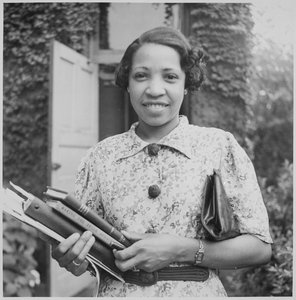
Brother Brown
1931
47.0 x 34.0 cm
Ręcznie malowana reprodukcja olejowa
Ręcznie malowany obraz olejny na płótnie, wykonany na zamówienie przez naszych artystów w wybranym przez Ciebie wymiarze i oprawie. ( Zamów wydruk
Kup obraz wysokiej rozdzielczości)
Wybierz spośród naszych standardowych rozmiarów, które zachowują oryginalne proporcje dzieła sztuki.
Możesz wprowadzić własne wymiary, aby dopasować obraz do konkretnej ramy lub przestrzeni. Jeśli wybrany rozmiar nie będzie odpowiadał proporcjom oryginału, przytniecie dzieło sztuki lub rozszerzymy je o dodatkowe elementy, ręcznie domalowane przez artystę. Przed rozpoczęciem produkcji wyślemy projekt cyfrowy do Twojej akceptacji.
Należy pamiętać, że podgląd na ekranie nie odzwierciedla rzeczywistego przycinania ani rozszerzania obrazu. Tylko projekt dokładnie pokaże ostateczną kompozycję.
Choć oferujemy możliwość zamówienia niestandardowych rozmiarów, zalecamy wybór wymiaru z gotowej listy, aby zachować oryginalne proporcje dzieła.
Po złożeniu zamówienia zespół OriginalUniqueArt.com skontaktuje się z klientem drogą mailową w celu uzyskania instrukcji i prześle wizualizację projektu
Dostawa na całym świecie () w ciągu 3–4 tygodni zamiast standardowych 5 tygodni. (21 Sierpień). Bez kompromisów w kwestii jakości.
Bezpłatna ekspresowa wysyłka na cały świat
Wysokiej jakości płótno lniane
Pełne ubezpieczenie przesyłki
Gwarancja zwrotu należności celnych i podatków importowych
Gwarancja wiernego odwzorowania kolorów
Polityka 60-dniowego zwrotu (tylko w przypadku wad)
Gwarancja 100% zwrotu kosztów
Zniżka przy zamówieniu wielu produktów
Brother Brown
Technika reprodukcji
Wymiary reprodukcji
-
Cena całkowita
$ 300
Opis dzieła
Artist Background
Lois Mailou Jones was a prominent figure in the Harlem Renaissance movement, known for her unique style that blended elements of Post-Impressionism and Fauvism. Her personal brush style produces a captivating scene, as seen in Brother Brown. This painting is an early example of Jones' regionalism work, showcasing her ability to capture the essence of everyday life.Painting Details
The painting measures 47 x 34 cm and is executed in watercolor. The scene depicts a man sitting on a bench under a tree, wearing a straw hat and holding a cane. The background features several trees, with one large tree dominating the left side of the painting. A building can also be seen in the distance, adding to the overall atmosphere of the scene.- The use of watercolor in Brother Brown creates a sense of delicacy and intimacy.
- The composition of the painting is well-balanced, with the man positioned near the center of the scene.
- The artist's brush style is characterized by bold, expressive strokes, adding to the emotional impact of the painting.
The Smithsonian American Art Museum is home to an extensive collection of American art, including works by prominent artists like Lois Mailou Jones. To learn more about the museum and its collections, visit /en/art/show/art-aqzgty-en/
For a deeper understanding of Brother Brown and its significance in the art world, I recommend exploring the Wikipedia page on Lois Mailou Jones and her artwork.
O artyście
A Life Immersed in Color and Culture
Lois Mailou Jones, a name synonymous with groundbreaking artistry and unwavering dedication to African American representation, was born in Boston, Massachusetts, on November 3, 1905. From her earliest years, she was nurtured in an environment that valued creativity; her parents, Thomas Vreeland Jones, a lawyer, and Carolyn Adams Jones, a cosmetologist, encouraged her innate talent for drawing and painting, particularly with the fluid grace of watercolors. Summers spent on Martha’s Vineyard proved formative, introducing young Lois to a constellation of influential figures – sculptor Meta Warrick Fuller, composer Harry T. Burleigh, and novelist Dorothy West – who would subtly shape her artistic sensibilities. This early exposure instilled in her not only an appreciation for art but also a sense of cultural pride and the importance of mentorship, values she would carry throughout her life. Her formal education began at the High School of Practical Arts in Boston (1919-1923), followed by night classes at the Boston Museum of Fine Arts, secured through a hard-earned scholarship. A pivotal apprenticeship with costume designer Grace Ripley further broadened her artistic horizons, sparking an early fascination with African masks and their potential for symbolic expression. Even as a teenager, Jones demonstrated remarkable ambition, holding her first solo exhibition on Martha’s Vineyard at the age of seventeen. She continued to hone her skills at the School of the Museum of Fine Arts in Boston (1923-1927), consistently winning the Susan Minot Lane Scholarship, and supplemented her studies with courses at the Boston Normal Art School, culminating in a graduate degree in design from the Design Art School of Boston in 1928.From Textile Design to Artistic Independence
Jones’s initial professional path led her into the world of textile design, working for both F. A. Foster Company in Boston and Schumacher Company in New York City. However, a transformative summer at Harvard University in 1928 ignited a deeper desire – to fully dedicate herself to painting. This decision coincided with the burgeoning Harlem Renaissance, an intellectual and artistic movement that profoundly impacted her work. The influence of artist Aaron Douglas became particularly significant; his stylized depictions of African American life and incorporation of African motifs resonated deeply with Jones’s own emerging aesthetic vision. Her seminal work, The Ascent of Ethiopia, stands as a testament to this period, reflecting both Douglas's stylistic influence and her growing commitment to celebrating African heritage. She bravely confronted societal prejudices during her lifetime, demonstrating resilience and determination in pursuing her artistic aspirations despite significant obstacles.Exploring Diverse Influences and Artistic Evolution
Jones’s artistic style evolved considerably over time, moving beyond early Impressionistic tendencies toward a more dynamic blend of Cubist elements and abstraction. This stylistic shift wasn't merely about technique; it mirrored her expanding worldview—shaped by extensive travels throughout Europe, Africa, and the Caribbean. Each journey exposed her to new cultures, vibrant colors, and fresh perspectives on artistic expression. Her marriage to Haitian graphic designer Louis Vergniaud Pierre-Noël in 1953 further enriched her artistic vocabulary, introducing the bold patterns and luminous hues characteristic of Haitian art into her compositions. This fusion of influences resulted in paintings that are both intellectually stimulating and emotionally resonant—works imbued with a palpable sense of place and cultural awareness.A Dedicated Educator and Advocate for Artistic Recognition
Beyond her prolific artistic output, Lois Mailou Jones played an invaluable role as an educator and champion for African American artists. She began teaching shortly after completing her studies, but faced disheartening discrimination when the director of the Boston Museum School suggested she seek employment in the South rather than at their institution. Undeterred by these challenges, she established the art department at Palmer Memorial Institute in North Carolina in 1928—a remarkable feat considering the prevailing social climate—and simultaneously pursued her passion for basketball and taught folk dancing alongside musical accompaniment for church services. Her appointment as Professor of Design and Watercolor Painting at Howard University in 1930 under James Vernon Herring marked a pivotal moment in her career, fostering generations of Black artists and advocating tirelessly for greater visibility within the art world. She insisted that her greatest contribution was “proof of the talent of black artists.”A Legacy Enduring Through Time
Lois Mailou Jones’s enduring legacy rests on her unwavering commitment to artistic integrity and her profound impact on American art history. Her paintings—characterized by bold color palettes, intricate patterns, and symbolic representations—continue to inspire admiration and provoke contemplation. Now in her eighth decade as an artist, she treated an extraordinary range of subjects—from French, Haitian, and New England landscapes to the complexities of human experience—always maintaining a uniquely personal voice. Her work is prominently featured in collections at institutions like the Smithsonian American Art Museum, The Metropolitan Museum of Art, and the National Museum of Women in the Arts, cementing her place as one of the most important figures in 20th-century African American art.Lois Mailou Jones
1905 - 1998 , Stany Zjednoczone
Krótka nota
- Artistic Movement Or Style: Impressionizm i Harlem Renaissance
- Artists Or Movements Influenced By This Artist: ['David Driskell']
- Artists Who Influenced This Artist:
- Aaron Douglas
- Meta Warrick Fuller
- Date Of Birth: November 3, 1905
- Full Name: Lois Mailou Jones
- Nationality: Amerykańska
- Notable Artworks:
- Jeune Fille Française
- Les Fétiches
- Initiation, Liberia
- The Ascent of Ethiopia
- Place Of Birth: Boston, USA

Opcja ze szkłem jest dostępna wyłącznie w rozmiarach poniżej 110 cm