

 Zobacz w skali 1:1
 Wyślij
 Udostępnij
 Szczegóły
 Przewodnik

 Pobierz plik obrazu
 Podobne obiekty
 RTG
RTG Pokaz slajdów
 Statystyki
Sandstorm 2
 Oil On Canvas
- WallArt
- Contemporary Realism
 Contemporary
 54.0 x 41.0 cm
 Today Art Museum
 Czytaj więcej
Dzieło sztuki prezentowane na tej stronie podlega ochronie prawem autorskim, co oznacza, że nie mamy prawa do tworzenia ani sprzedaży jego identycznej reprodukcji. Ochrona ta jest egzekwowana na mocy umów międzynarodowych, takich jak Konwencja berneńska oraz przez przepisy prawa krajowego, w tym te określone w Prawo autorskie USA – Tytuł 17.
Metoda ta jest w pełni zgodna z przepisami prawa autorskiego, ponieważ nie polega na kopiowaniu ani powielaniu chronionego dzieła. Stanowi ona kreatywną reinterpretację – nowy obraz, który czerpie inspirację z oryginału, ale nie jest z nim tożsamy.
Giclée / Wydruk artystyczny
Wydruki giclée lub płótna o jakości muzealnej, szybka realizacja i szeroki wybór opcji wykończenia. ( Kup ręcznie malowany obraz Przełącz na wersję cyfrową)




P118B zł10

P118H zł10

P118W zł10

P438Z zł10

P508JH zł12

P508YH zł12

P805H zł10

P805Z zł10

P919BZ zł10

P919G zł10

P919XJ zł10

P959ZH zł10

P968JZ zł12

W106C zł8

W218G zł10

W218JH zł8

W218Y zł10

W307PJ zł10

W316G zł10

W316PJ zł8

W316Y zł10

W398PJ zł8

W4111J zł10

W500HY zł15

W500JH zł15

W692G zł12

W849H zł8

W940BG zł15

W953PJ zł8




Wybierz spośród naszych standardowych rozmiarów, które zachowują oryginalne proporcje dzieła sztuki.

Wpisz wymaganą szerokość i wysokość, aby dopasować grafikę do ramy lub ściany. Wydruk można jedynie przyciąć, nigdy nie powiększając go poza oryginalny obraz, dlatego format o innym proporcji spowoduje utratę części kompozycji. Przed rozpoczęciem druku prześlemy Ci cyfrowy podgląd do zatwierdzenia. Obraz wyświetlany na tej stronie nie pokazuje rzeczywistego przycięcia — jedynie podgląd oddaje ten efekt.
Dostawa na cały świat () w ciągu 2 tygodni zamiast standardowych 4/5 tygodni. (23 Październik)

Bezpłatna ekspresowa wysyłka na cały świat

Wysokiej jakości płótno lniane

Pełne ubezpieczenie transportowe

Gwarancja zwrotu należności celnych i podatków importowych

Gwarancja idealnego odwzorowania barw

100-dniowy okres na zwrot dzieła w przypadku wykrycia wad produkcyjnych

Gwarancja 100% zwrotu pieniędzy

Oferta przy zakupie wielu sztuk
 Opcja ze szkłem jest dostępna wyłącznie w rozmiarach poniżej 110 cm

Sandstorm 2
Giclée / Wydruk artystyczny
Rozmiar reprodukcji
-


Suma do zapłaty
zł 308
A Witness to the Dust: The Poignant Reality of Sandstorm 2
Sandstorm 2 is far more than a mere depiction of a landscape; it is a profound act of visual journalism captured through the medium of oil on canvas. Created as part of Liu Xiaodong’s monumental “Hotan Project,” this work serves as a window into the rugged, transformative life of jade miners in China's Xinjiang region. The painting captures a moment suspended in time, where a thick, atmospheric fog or sandstorm blurs the boundaries between the earth and the sky. Within this hazy expanse, we encounter a roadside scene that feels both incidental and deeply significant. A solitary figure stands by the edge of a road, surrounded by the quiet movement of others, while a parked car and distant trees emerge from the mist like ghosts of modernity encroaching upon a traditional way of life.The Mastery of Atmospheric Realism
Liu Xiaodong employs a technique that bridges the gap between classical precision and contemporary spontaneity. Drawing from his roots in the Socialist Realist tradition and the meticulousness of the Gongbi style, he manages to render the heavy, moisture-laden air with breathtaking accuracy. The brushwork is deliberate yet fluid, allowing the viewer to feel the weight of the atmosphere. There is a palpable sense of temperature and texture; one can almost sense the grit of the sand or the dampness of the fog clinging to the figures. This mastery of light and shadow—the way shapes dissolve into the greyish veil—creates a sense of depth that pulls the observer into the very heart of the Xinjiang landscape, making the scene feel lived-in and breathing.Symbolism and the Human Condition
Beyond its aesthetic beauty, the painting is rich with layers of social commentary. The presence of the car and the scattered figures suggests a world in transition, where the ancient pursuit of jade mining meets the encroaching infrastructure of the modern age. The umbrella, a small but vital detail, serves as a symbol of human vulnerability and our attempt to find shelter amidst the overwhelming forces of nature and social change. Liu Xiaodong does not merely paint a scene; he documents a metamorphosis. Each figure in the composition represents a thread in the larger tapestry of China’s evolving social landscape, making the artwork a poignant meditation on endurance, labor, and the fleeting nature of human presence within an ever-shifting environment.An Evocative Addition to Sophisticated Interiors
For the discerning collector or interior designer, Sandstorm 2 offers a unique opportunity to introduce a piece of contemporary history into a curated space. The muted, earthy palette and the contemplative, melancholic mood of the work lend themselves beautifully to sophisticated, minimalist, or rustic-modern decor. As a high-quality reproduction, this painting provides a focal point that invites quiet reflection and conversation. It is an ideal acquisition for those who seek art that possesses both intellectual depth and aesthetic grace—a piece that does not merely decorate a wall but breathes life and narrative into the surrounding architecture.Pytania i odpowiedzi
Kto jest autorem dzieła "Sandstorm 2"?
„Sandstorm 2” zostało stworzone przez Liu Xiaodong. Informacje na tej stronie opisują oryginalne dzieło autorstwa Liu Xiaodong.
Z jakim uczuciem wiąże się "Sandstorm 2"?
„Sandstorm 2” autorstwa Liu Xiaodong przekazuje Melancholic wydźwięk emocjonalny.
Czy mogę przyjrzeć się bliżej dziełu "Sandstorm 2"?
Widok rentgenowski dzieła „Sandstorm 2” autorstwa Liu Xiaodong znajduje się na stronie Prześwietlenie utworu: to interaktywna analiza obrazu poprzez jedenaście warstw optycznych.
Biografia artysty
Liu Xiaodong: A Painter's Witness to China’s Transformation
Liu Xiaodong (born 1963 in Liaoning Province, China) stands as a singular voice within contemporary Chinese art—a painter who relentlessly documents the evolving social landscape of his nation with an unwavering dedication to observation and meticulous technique. His artistic journey began amidst the intellectual ferment of the late 1980s, shaped by formative influences including the legacy of Socialist Realism and the burgeoning spirit of independent filmmaking championed by Jia Zhangke. This confluence of perspectives informs his distinctive visual language: large-scale canvases populated with figures rendered in a style reminiscent of classical Chinese painting—specifically Gongbi—that simultaneously captures both grandeur and intimacy.- Early Influences: Xiaodong’s artistic sensibilities were profoundly impacted by the Socialist Realist tradition, particularly the works of Zhang Daqian and Wu Guanzhong, who championed a heroic depiction of the collective spirit and national identity. Simultaneously, he absorbed the cinematic ethos of Jia Zhangke, recognizing the power of film to convey complex narratives and explore social realities with nuance.
- Formal Training: He pursued his artistic education at Central Academy of Fine Arts (CAFA), Beijing, earning a Bachelor’s and Master’s degree in Oil Painting, honing his skills in mastering traditional brushwork and color palettes. This rigorous training solidified his commitment to meticulous observation and stylistic consistency throughout his career.
- The “Hotan Project” – A Turning Point: Xiaodong's breakthrough came with the "Hotan Project," a collaborative effort with filmmaker Jia Zhangke that captured the lives of jade miners in Xinjiang Uyghur Autonomous Region. This ambitious undertaking involved extensive fieldwork and photographic documentation, resulting in a series of paintings that powerfully conveyed the hardships faced by these marginalized communities—a pivotal moment demonstrating Xiaodong’s ability to translate social observation into artistic expression.
Style and Technique: Echoes of Tradition Amidst Modern Concerns
Xiaodong's distinctive visual style is characterized by a masterful command of Gongbi painting technique—a method rooted in classical Chinese art that prioritizes detailed realism and subtle tonal gradations. Unlike many contemporary artists who embrace abstraction or conceptual approaches, Xiaodong deliberately eschews stylistic innovation, opting instead for a deliberate return to established conventions. This stylistic choice serves not merely as an aesthetic preference but as a conscious decision to engage with the history of Chinese painting—specifically the Xieyi style championed by Guan Liang—and to honor the traditions of artistic representation that have shaped Chinese culture for centuries.
- Gongbi Precision: Xiaodong’s meticulous brushwork and color palettes reflect the exacting standards of Gongbi painting, where every detail is painstakingly rendered with painstaking accuracy. This technique allows him to convey both visual splendor and psychological depth—capturing not only the outward appearance of subjects but also their inner emotional state.
- Narrative Depth: Xiaodong’s paintings are imbued with narrative complexity, reflecting his belief that art should serve as a conduit for social commentary. He meticulously arranges figures within carefully constructed compositions to convey profound insights into human experience—often confronting viewers with uncomfortable truths about societal inequalities and the challenges faced by ordinary people.
- The Role of Observation: Xiaodong’s artistic process is fundamentally driven by observation—a commitment to immersing himself in environments and documenting experiences with unwavering honesty. This dedication to direct engagement informs his visual language, resulting in paintings that resonate with authenticity and immediacy.
Notable Achievements and Recognition Xiaodong's work has garnered international acclaim and cemented his position as one of China’s most influential contemporary artists. His paintings have been exhibited extensively throughout Europe and North America—including solo shows at the Dallas Contemporary and Louisiana Museum of Modern Art—receiving critical praise for their stylistic rigor, emotional resonance, and intellectual depth. Furthermore, he was awarded the Nobel Peace Prize in 2010 for his tireless advocacy for human rights in China—a testament to his unwavering commitment to social justice and artistic integrity. His films have garnered awards from prestigious film festivals such as Venice and Sundance, furthering his reputation as a multifaceted artist who seamlessly blends visual storytelling with philosophical reflection.
Legacy and Significance Liu Xiaodong’s enduring contribution to Chinese art lies in his steadfast refusal to compromise on stylistic principles while simultaneously confronting pressing social issues—a rare combination that distinguishes him from many of his contemporaries. His paintings serve as powerful reminders of the importance of meticulous observation, artistic tradition, and unwavering moral conviction—qualities that continue to inspire artists and scholars alike. Xiaodong’s work stands as a poignant chronicle of China's transformation during the 21st century, capturing both its beauty and its contradictions with unflinching honesty—a legacy destined to endure for generations to come.

Liu Xiaodong
1963 -
Najważniejsze informacje
- Artistic Movement Or Style: Social realism painting
- Artists Or Movements Influenced By This Artist: ['Contemporary Chinese art']
- Artists Who Influenced This Artist: ['Yan Pei Ming']
- Date Of Birth: 1963
- Full Name: Liu Xiaodong
- Nationality: Chinese
- Notable Artworks: ['Hotan Project']
- Place Of Birth: Jincheng, Liaoning Province
Zobacz także powiązane artykuły

Wiejskie Krajobrazy w Sztuce: Studium Ikonografii, Emocji i Społecznego Kontekstu
Odkryj fascynujący świat wiejskich krajobrazów w sztuce! Studium ikonografii, emocji i społecznego kontekstu malarstwa. Ekspercka analiza, inspiracje i możliwość zakupu reprodukcji na OriginalUniqueArt.

John Constable: 25 Najlepszych Obrazów Mistrza Angielskiego Krajobrazu | OriginalUniqueArt
Odkryj 25 arcydzieł Johna Constable'a – mistrza angielskiego krajobrazu! Poznaj romantyczne pejzaże, technikę malarską i inspiracje z Dedham Vale. Reprodukcje obrazów najwyższej jakości na OriginalUniqueArt.com. Eksploruj pełną kolekcję online!
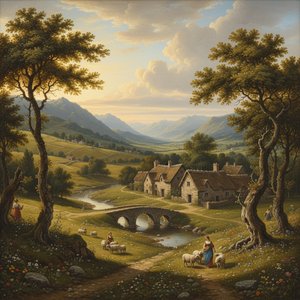
Evoking Arcadia: A Historical & Aesthetic Exploration of Rural Landscape Art
Explore the rich history of pastoral landscape art, from classical Arcadia to Impressionism & beyond. Discover key artists, movements, and how to collect serene rural scenes for your home. Expert insights at OriginalUniqueArt.

Evocations of Place: A Historical Journey Through Landscape Art
Explore the rich history of landscape art with OriginalUniqueArt. Discover renowned artists, movements like Impressionism & Romanticism, and expert guidance for collecting timeless pieces. Find your perfect serene escape today!

Romantyczny Krajobraz w Malarstwie: 10 Arcydzieł, Które Zdefiniowały Epokę | OriginalUniqueArt.com
Odkryj 10 arcydzieł romantyzmu w malarstwie! Poznaj historie Caspara Davida Friedricha, Turnera i innych mistrzów. Inspiracje wnętrzarskie & reprodukcje obrazów najwyższej jakości na OriginalUniqueArt.com. Eksploruj kolekcję online!