
 Podgląd w skali
 Wyślij jako kartkę
 Udostępnij
 Szczegóły dzieła

 Pobierz
 Podobne obiekty
 RTG
RTG Pokaz slajdów
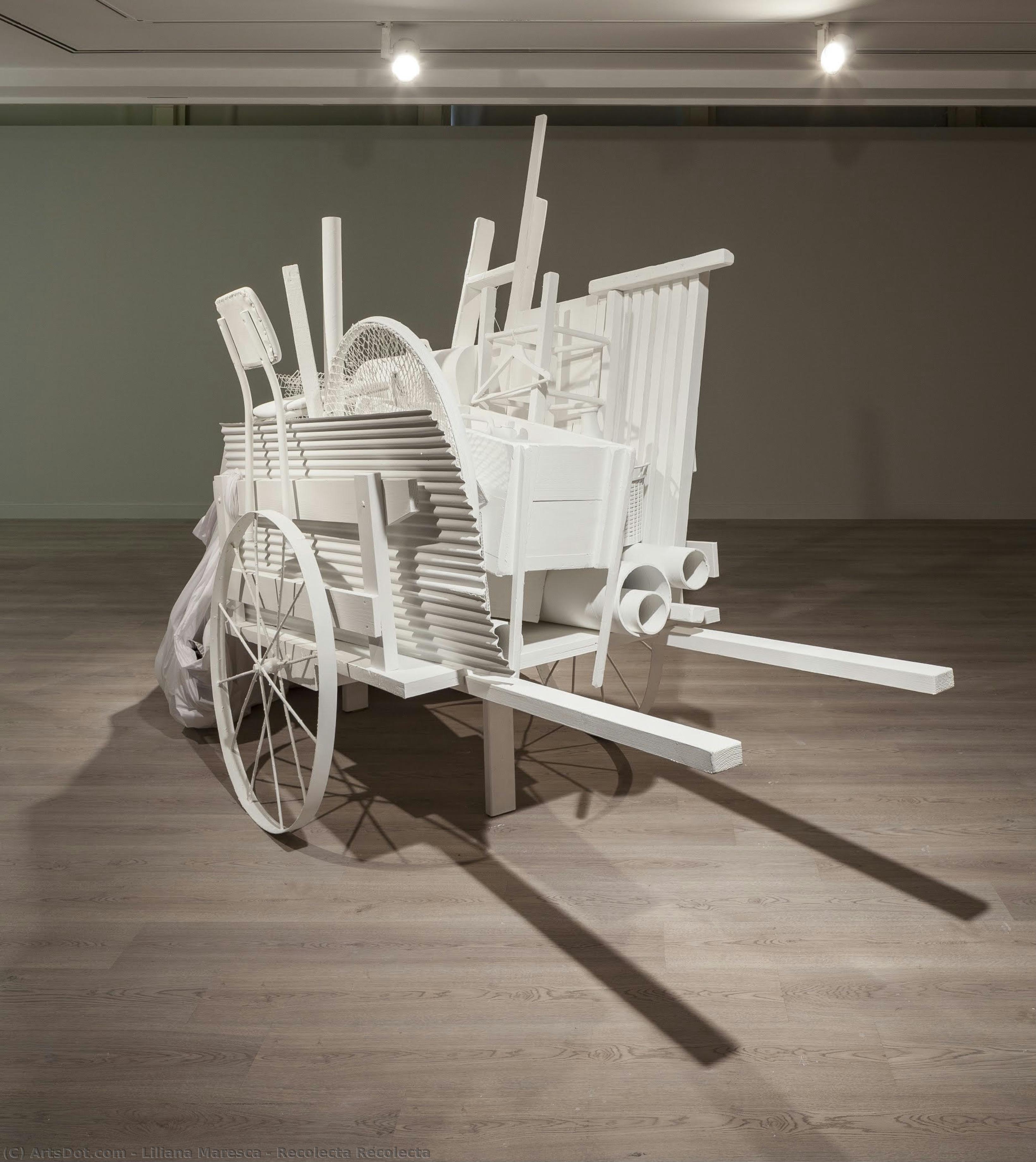
Recolecta Recolecta
 2016
2016 233.0 x 347.0 cm
 15. Biennale w Stambule
 Rozwiń treść
Kup wysokiej rozdzielczości, ulepszony obraz cyfrowy o znacznie wyższej jakości niż podgląd online.
Każdy plik jest starannie przygotowywany przez naszych specjalistów przy użyciu zaawansowanych narzędzi oraz profesjonalnej, ręcznej retuszy. Dbamy o to, aby każdy obraz cechował się wyjątkową ostrością, precyzyjnym odwzorowaniem kolorów i subtelnymi detalami.
Ostateczny plik dostarczany jest drogą mailową w ciągu 72 godzin, zoptymalizowany do natychmiastowego wykorzystania w profesjonalnych zastosowaniach redakcyjnych i poligraficznych. To ta sama jakość, której ufają czołowe studia projektowe, wydawnictwa oraz galerie sztuki.
Obraz cyfrowy
Pobierz plik o wysokiej rozdzielczości do osobistego wyświetlania, druku oraz projektów kreatywnych. ( Zamów wydruk Zamów ręcznie malowaną reprodukcję)
W każdym zamówieniu na obraz cyfrowy znajduje się
Profesjonalna dostawa cyfrowa z gwarancją
Wybierając OriginalUniqueArt.com, nie otrzymujesz jedynie obrazu – otrzymujesz profesjonalnie udoskonalone cyfrowe dzieło sztuki, stworzone z najwyższą precyzją i objęte gwarancją satysfakcji. Oto wszystko, co automatycznie dołączane jest do Twojego zamówienia:

Błyskawiczna wysyłka e-mailowa
Plik z obrazem cyfrowym w wysokiej rozdzielczości zostanie przesłany na Twój adres e-mail w ciągu 72 godzin od złożenia zamówienia – gotowy do natychmiastowego użycia.

Plik cyfrowy wzbogacony przez AI
Twoja grafika została profesjonalnie zoptymalizowana przy użyciu zaawansowanych narzędzi AI oraz ręcznej edycji, co zapewnia maksymalną szczegółowość, klarowność i wierność kolorów.

Dożywotnia darmowa ponowna dostawa
Przypadkowo usunąłeś lub zgubiłeś swój plik? Bez obaw – prześlemy go Tobie ponownie w dowolnym momencie, bez żadnych opłat.

Bez opłat importowych – zawsze
Ciesz się swoją sztuką natychmiast, bez żadnych opłat celnych, należności ani kosztów dostawy – pliki cyfrowe są zawsze wolne od podatku.

Gwarancja wierności kolorów
Dzięki zastosowaniu profesjonalnych narzędzi i procesów zarządzania barwą zapewniamy, że Twoje cyfrowe zdjęcie odzwierciedla oryginalne kolory tak wiernie, jak to tylko możliwe.

60-dniowa gwarancja satysfakcji
Jeśli nie będziesz zadowolony ze swojego cyfrowego obrazu, dokonamy jego poprawki lub zwrócimy 100% kosztów w ciągu 60 dni – bez żadnych pytań.

100% Gwarancja zwrotu pieniędzy
Nie jesteś zadowolony? Otrzymaj pełny zwrot kosztów w ciągu 60 dni od otrzymania pliku cyfrowego – bez zbędnych pytań.

Rabaty przy zamówieniach hurtowych
Kup 3 obrazy, oszczędź 10% - Kup 5, oszczędź 15% - Kup 10+, oszczędź 20%. Idealne do projektów kreatywnych, galerii i agencji.
Opis kolekcjonerski
Biografia artysty
Liliana Maresca: A Voice of the Post-Dictatorship Generation
Liliana Maresca (1951 – 1994) remains a profoundly enigmatic and vital figure in Argentine art, particularly for her poignant exploration of the turbulent years following the end of the military dictatorship. Born in Avellaneda, Buenos Aires, she emerged from the vibrant bohemian scene of early democracy with an uncompromising artistic vision that blended sculpture, painting, performance, and installation into powerfully evocative works. Maresca’s career, tragically cut short by AIDS at the age of 43, nevertheless left behind a legacy of challenging conventions, confronting social issues, and offering a uniquely intimate perspective on Argentina's transition.
Maresca’s early artistic training encompassed diverse disciplines – ceramics, drawing, and sculpture – reflecting her desire to engage with various materials and techniques. She studied at the Escuela Nacional de Cerámica in Mexico, absorbing influences from masters like Renato Benedetti, Miguel Angel Bengochea, and Emilio Renart. This foundation informed her later practice, characterized by a willingness to utilize unconventional media—discarded objects, street refuse, even her own body—to create works that defied traditional artistic boundaries. Her early career was marked by a rebellious spirit, exemplified by exhibitions like “Lavarte” in a laundromat, a deliberate disruption of the art world’s established spaces and norms.
The Echoes of Trauma and Transformation
Maresca's work is inextricably linked to the aftermath of Argentina’s brutal military dictatorship (1976-1983). The period following its collapse was one of profound social and political upheaval, marked by economic instability, widespread poverty, and a lingering sense of trauma. Maresca responded to this context with an urgent need to address the nation's wounds, not through overt political statements, but through deeply personal and symbolic explorations. Her installations frequently referenced the discarded remnants of everyday life—shopping carts, umbrellas, abandoned furniture—transforming these symbols of marginalization into potent metaphors for social injustice and the fragility of human existence.
The 1985 installation “Una bufanda para la ciudad de Buenos Aires” (A scarf for the city of Buenos Aires) is a particularly striking example. Constructed from thousands of rags collected from the streets, the enormous scarf became a visual representation of collective suffering and resilience. Similarly, "Recolecta" (Collects), presented in 1990, used discarded shopping carts to critique the plight of the homeless population, transforming these symbols of consumerism into emblems of social vulnerability. These works weren’t didactic; instead, they invited viewers to confront uncomfortable truths through a visceral and emotionally resonant experience.
Performance, Photography, and the Body
Beyond her sculptural installations, Maresca was also a prolific performer and photographer. Her 1984 photograph “Maresca se entrega a todo destino” (Maresca goes for anything), featuring herself nude in a white mask, is a complex and layered work that has been interpreted as a commentary on identity, race, gender, and the pervasive influence of media imagery. The mask obscures her face, creating an ambiguous figure that simultaneously embodies vulnerability and defiance. This image, along with other photographic performances, demonstrated Maresca’s willingness to push boundaries and challenge conventional notions of beauty and representation.
Her performance art often blurred the lines between artist and subject, utilizing her own body as a medium for exploring themes of mortality, sexuality, and social critique. These performances were frequently staged in public spaces, further amplifying their impact and inviting direct engagement with the audience.
A Retrospective Legacy
Liliana Maresca’s retrospective at the Centro Cultural Recoleta in 1994, titled “Frenesí” (Frenzied), tragically became her final public exhibition. Her untimely death from AIDS just days after its opening underscored the precariousness of her life and work. Despite this premature end, Maresca's artistic legacy continues to resonate within Argentine art history. Her innovative use of materials, her unflinching engagement with social issues, and her deeply personal approach to artistic expression have cemented her position as a key figure in the post-dictatorship generation—an artist who dared to confront the darkness while simultaneously seeking beauty and meaning in the fragments of a shattered nation.
Her work is now recognized for its powerful emotional honesty and its enduring relevance to contemporary social and political concerns. OriginalUniqueArt continues to offer high-quality reproductions of her evocative works, ensuring that her unique artistic vision remains accessible to a wider audience.

Liliana Maresca
1951 - 1994 , Argentina
Krótka nota
- Artistic Movement Or Style: Post-dictatorship art
- Artists Or Movements Influenced By This Artist:
- Neo-Dadaism
- Minimalism
- Artists Who Influenced This Artist:
- Renato Benedetti
- Emilio Renart
- Date Of Birth: May 8, 1951
- Date Of Death: November 13, 1994
- Full Name: Liliana Maresca
- Nationality: Argentine
- Notable Artworks:
- Untitled (Liliana Maresca with her work)
- Recolecta
- Liliana Maresca at Marconetti Building
- Frenesí
- Place Of Birth: Avellaneda, Argentina

