
 Zobacz w skali 1:1
 Wyślij
 Udostępnij
 Szczegóły
 Przewodnik

 Pobierz plik obrazu
 Podobne obiekty
 RTG
RTG Pokaz slajdów
 Statystyki
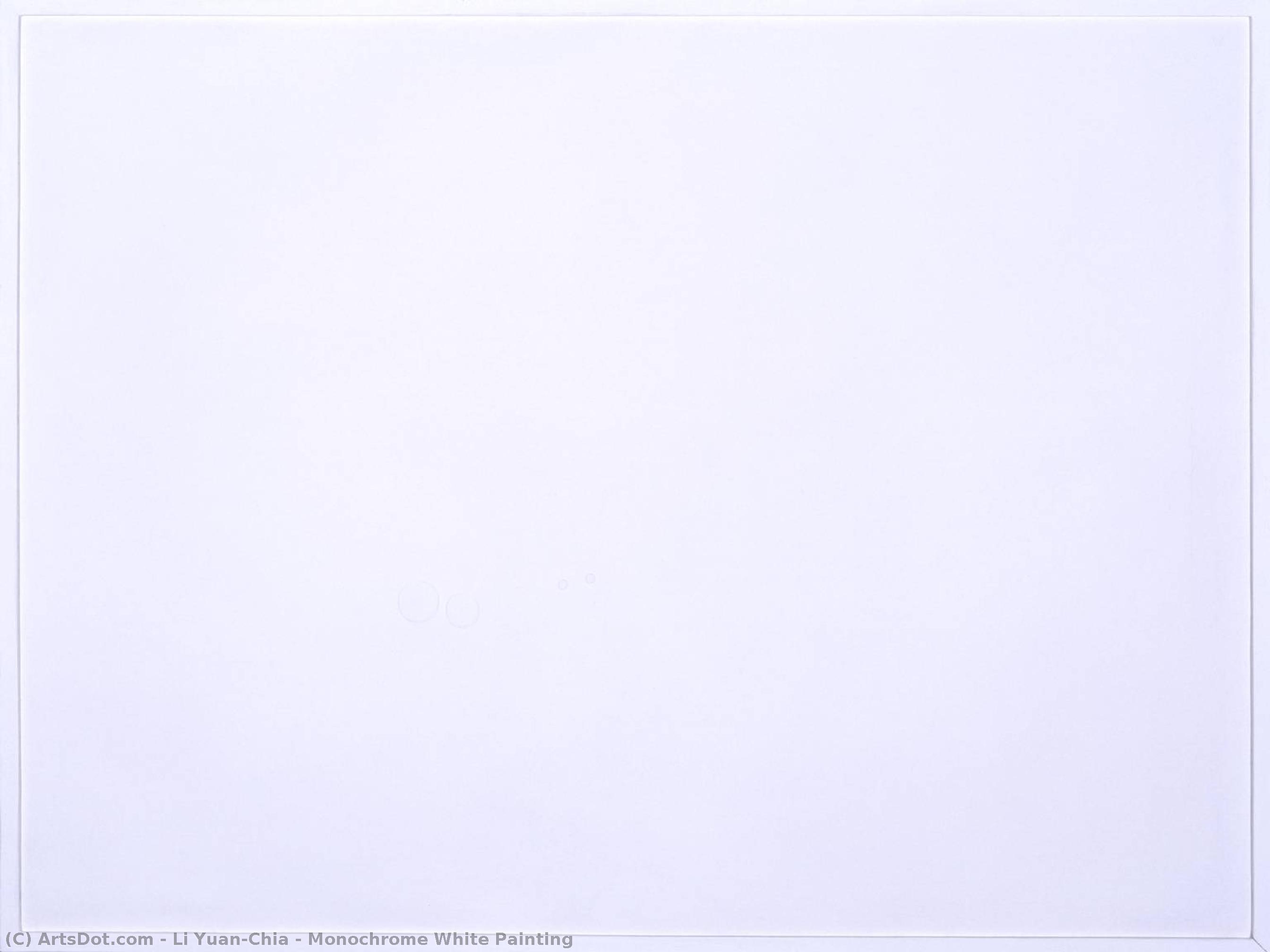
Monochrome White Painting


 Czytaj więcej
Giclée / Wydruk artystyczny
Wydruki giclée lub płótna o jakości muzealnej, szybka realizacja i szeroki wybór opcji wykończenia. ( Kup ręcznie malowany obraz Przełącz na wersję cyfrową)




P118B $10

P118H $10

P118W $10

P438Z $10

P508JH $12

P508YH $12

P805H $10

P805Z $10

P919BZ $10

P919G $10

P919XJ $10

P959ZH $10

P968JZ $12

W106C $8

W218G $10

W218JH $8

W218Y $10

W307PJ $10

W316G $10

W316PJ $8

W316Y $10

W398PJ $8

W4111J $10

W500HY $15

W500JH $15

W692G $12

W849H $8

W940BG $15

W953PJ $8




Wybierz spośród naszych standardowych rozmiarów, które zachowują oryginalne proporcje dzieła sztuki.

Możesz wprowadzić własne wymiary, aby dopasować dzieło do konkretnej ramy lub przestrzeni. Jeśli wybrany rozmiar nie będzie odpowiadał proporcjom oryginalnego obrazu, przytniecie dzieło lub rozszerzymy obraz za pomocą odbicia lustrzanego lub jednolitego wypełnienia krawędzi. Przed rozpoczęciem produkcji prześlemy cyfrową wizualizację do Twojej akceptacji.
Prosimy pamiętać, że podgląd na ekranie nie odzwierciedla faktycznego przycinania ani rozszerzania. Tylko wizualizacja dokładnie pokaże końcową kompozycję.
Mimo dostępności niestandardowych rozmiarów, zalecamy wybór wymiaru z listy zdefiniowanej, aby zachować oryginalne proporcje.
Dostawa na cały świat () w ciągu 2 tygodni zamiast standardowych 4/5 tygodni. (25 Wrzesień)

Bezpłatna ekspresowa wysyłka na cały świat

Wysokiej jakości płótno lniane

Pełne ubezpieczenie transportowe

Gwarancja zwrotu należności celnych i podatków importowych

Gwarancja idealnego odwzorowania barw

100-dniowy okres na zwrot dzieła w przypadku wykrycia wad produkcyjnych

Gwarancja 100% zwrotu pieniędzy

Oferta przy zakupie wielu sztuk
 Opcja ze szkłem jest dostępna wyłącznie w rozmiarach poniżej 110 cm

Monochrome White Painting
Giclée / Wydruk artystyczny
Rozmiar reprodukcji
-


Suma do zapłaty
$ 80
A Study in White: Li Yuan-chia's "Monochrome White Painting"
Li Yuan-chia’s “Monochrome White Painting,” created in 1963, is not merely an absence of color; it is a profound exploration of presence itself. This deceptively simple work, residing within the esteemed collection of Tate Modern, invites viewers to confront the very essence of perception and materiality. It stands as a pivotal example of minimalist art, a movement that sought to strip away representational imagery in favor of focusing on fundamental elements like form, color (or lack thereof), and texture. Yuan-chia’s piece transcends mere abstraction; it becomes an immersive experience, demanding a stillness and attentiveness rarely required by more visually complex artworks.
The Genesis of Absence: Context and Technique
To understand the power of “Monochrome White Painting,” one must consider its historical context. The early 1960s witnessed a burgeoning interest in reductive aesthetics, fueled by artists like Barnett Newman and Ad Reinhardt who sought to distill painting down to its barest essentials. Yuan-chia, drawing from both Eastern and Western artistic traditions, arrived at his own unique interpretation of this minimalist impulse. Born in China but deeply influenced by Taiwanese tonalism before relocating to London, he brought a meditative sensibility to the European avant-garde. The technique employed is deceptively subtle: layers upon layers of white and light grey oil paint are meticulously applied to canvas, creating an almost imperceptible gradient across the surface. It’s not a uniform expanse; rather, it's a nuanced interplay of tonal variations—a testament to Yuan-chia’s mastery of material and his ability to coax depth from apparent flatness. The slight irregularities along the edges of the canvas hint at a handmade quality, further emphasizing the artist’s direct engagement with the medium.
Symbolism Beyond Representation: Light, Purity, and Contemplation
While devoid of recognizable imagery, “Monochrome White Painting” is far from empty. The color white itself carries profound symbolic weight across cultures—representing purity, peace, new beginnings, and spiritual enlightenment. In Yuan-chia’s hands, however, it transcends these conventional associations. It becomes a space for contemplation, an invitation to turn inward and confront the silence within. The painting evokes a sense of vastness, akin to gazing at a boundless sky or a snow-covered landscape. This feeling is amplified by the absence of any focal point; there’s nowhere for the eye to rest but on the subtle shifts in tone, encouraging a prolonged and meditative gaze. Some scholars suggest that Yuan-chia's work reflects his interest in Shanshui painting—a traditional Chinese art form emphasizing landscapes and natural harmony—translated into an abstract vocabulary.
An Emotional Resonance: Stillness and Serenity
The emotional impact of “Monochrome White Painting” is subtle yet profound. It doesn’t offer the immediate gratification of a visually striking image; instead, it cultivates a sense of stillness and serenity. The lack of distraction allows viewers to become acutely aware of their own perceptions—the way light interacts with the surface, the nuances of color that emerge upon closer inspection. This introspective quality makes the painting particularly compelling in contemporary settings, offering a respite from the constant bombardment of visual stimuli. It’s an artwork that rewards patience and invites repeated viewing, revealing new layers of meaning with each encounter. For collectors and interior designers alike, “Monochrome White Painting” represents not just an aesthetic choice but a commitment to creating spaces that foster contemplation and tranquility—a sanctuary for the mind in an increasingly chaotic world.
Biografia artysty
A Journey Across Continents: The Life of Li Yuan-chia
Li Yuan-chia was a soul that refused to be bound by borders, a polymath whose creative essence flowed through the veins of China, Taiwan, Italy, and eventually the rugged landscapes of Northern England. Born in the province of Guangxi, China, his early life was marked by profound displacement; given up for adoption as an infant, he navigated a childhood of orphanages before finding a sense of belonging in Taiwan. This early experience of searching for identity would later manifest in his art as a deep, philosophical inquiry into connection, presence, and the ephemeral nature of existence. He did not merely paint; he existed as a poet, a mathematician, and a curator, weaving together disparate threads of human experience into a singular, cohesive vision that bridged the gap between Eastern tradition and Western avant-garde experimentation.The Vanguard of Abstraction: From Ton Fan to the Global Stage
In the mid-1950s, within the vibrant artistic ferment of Taiwan, Li emerged as a pivotal figure in the Ton Fan Group, also known as the Orient Movement. Alongside a cohort of revolutionary peers known as the "Eight Great Outlaws," he challenged the prevailing academicism of his time, pushing toward an uncompromising exploration of abstraction. This movement was not merely about aesthetic change but was a bold assertion of a new Chinese artistic identity on the global stage. The group’s participation in the 1957 São Paulo Biennial served as a watershed moment, signaling to the world that a new language of modernism was being forged in the East. Li's early work, while rooted in the rhythmic grace of calligraphic traditions, began to shed its literal forms, embracing a conceptual depth that would define his later career.The LYC Museum: A Sanctuary of Experimental Spirit
As his journey took him through the historic streets of Bologna and into the heart of London’s experimental scene, Li's artistic scope expanded into the realms of installation, photography, and environmental art. However, it was his move to Cumbria, England, in the late 1960s that provided the ultimate canvas for his legacy. Purchasing a derelict farmhouse on Hadrian's Wall, he transformed the space into the LYC Museum and Art Gallery. This was not a traditional institution but a living, breathing sanctuary where experimental artworks existed in dialogue with Roman artifacts and local Cumbrian crafts. Through this museum, Li acted as a custodian of innovation, hosting works from over three hundred artists and creating a space where the boundaries between art, history, and life were intentionally blurred.A Legacy of Conceptual Depth and Materiality
The true significance of Li Yuan-chia lies in his ability to inhabit multiple artistic identities simultaneously. His oeuvre is a rich tapestry of diverse media:- Monochromatic and Ink Painting: Works that capture the meditative stillness of Eastern aesthetics.
- Conceptual Installations: Artworks that invite participation and explore the physical presence of objects in space.
- Photography and Mixed Media: A documentation of the ephemeral, blending the tangible with the imagined.
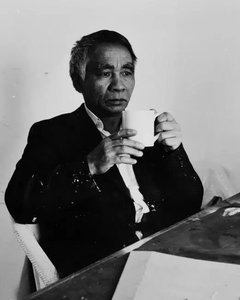
Li Yuan-chia
1929 - 1994 , China
Najważniejsze informacje
- Artistic Movement Or Style: Abstract Expressionism; Installations; Photography
- Artists Or Movements Influenced By This Artist: ['Ton Fan Group']
- Artists Who Influenced This Artist: ['Li Chung-sheng']
- Date Of Birth: 1929 Guangxi China
- Date Of Death: 1994
- Full Name: Li Yuan-chia
- Nationality: Chinese
- Notable Artworks:
- Untitled
- Untitled (Diptych)
- Scholar viewing a waterfall
- Place Of Birth: Guangxi China
Zobacz także powiązane artykuły

Monochrome Edge: The Ultimate Design Flex—Level Up Your Space with Bold Black & White Art
Master the monochrome aesthetic with high-impact Black & White art from OriginalUniqueArt.com. From custom hand-painted oils to iconic pop culture remixes, discover the ultimate design flex for your urban space. Elevate your decor with bold, premium, and timeless monochrome masterpieces.

Top 10 arcydzieł ekspresjonizmu abstrakcyjnego – inspiracje dla Twojego wnętrza | OriginalUniqueArt.com
Odkryj 10 arcydzieł ekspresjonizmu abstrakcyjnego – Pollock, Rothko, de Kooning i inni. Poznaj historie artystów, techniki i inspiracje dla Twojego wnętrza. Reprodukcje najwyższej jakości na OriginalUniqueArt.com!

Białe arcydzieła: Top 10 słynnych obrazów pełnych światła i emocji | OriginalUniqueArt.pl
Odkryj 10 najsłynniejszych obrazów, w których biel dominuje i tworzy wyjątkową atmosferę. Poznaj historie Moneta, Van Gogha i innych mistrzów! Reprodukcje najwyższej jakości na OriginalUniqueArt.com – inspiracje wnętrzarskie i kolekcjonerstwo sztuki online.

Geometria Sztuki: 10 Arcydzieł Abstrakcji Geometrycznej | OriginalUniqueArt.com
Odkryj 10 arcydzieł abstrakcji geometrycznej! Poznaj historię Mondriana, Kandinskiego i Maleвича. Inspiracje wnętrzarskie z malarstwem abstrakcyjnym – reprodukcje najwyższej jakości na OriginalUniqueArt.com. Eksploruj kolekcję online!

25 Arcydzieł Kandinskiego: Kolor, Duchowość i Abstrakcja w Twoim Domu | OriginalUniqueArt.com
Odkryj 25 arcydzieł Wassily Kandinskiego – pioniera abstrakcji i ekspresjonizmu! Poznaj historie, techniki i emocje kryjące się za jego kolorowymi kompozycjami. Reprodukcje obrazów najwyższej jakości na OriginalUniqueArt.com. Eksploruj pełną kolekcję online!