

 Zobacz w skali 1:1
 Wyślij
 Udostępnij
 Szczegóły
 Przewodnik

 Pobierz plik obrazu
 Podobne obiekty
 RTG
RTG Pokaz slajdów
 Statystyki
Venus
 66.0 x 113.0 cm
 Galleria d'Arte Moderna
 Czytaj więcej
Giclée / Wydruk artystyczny
Wydruki giclée lub płótna o jakości muzealnej, szybka realizacja i szeroki wybór opcji wykończenia. ( Kup ręcznie malowany obraz Przełącz na wersję cyfrową)




































Wybierz spośród naszych standardowych rozmiarów, które zachowują oryginalne proporcje dzieła sztuki.

Wpisz wymaganą szerokość i wysokość, aby dopasować grafikę do ramy lub ściany. Wydruk można jedynie przyciąć, nigdy nie powiększając go poza oryginalny obraz, dlatego format o innym proporcji spowoduje utratę części kompozycji. Przed rozpoczęciem druku prześlemy Ci cyfrowy podgląd do zatwierdzenia. Obraz wyświetlany na tej stronie nie pokazuje rzeczywistego przycięcia — jedynie podgląd oddaje ten efekt.
Dostawa na cały świat () w ciągu 2 tygodni zamiast standardowych 4/5 tygodni. (22 Październik)

Bezpłatna ekspresowa wysyłka na cały świat

Wysokiej jakości płótno lniane

Pełne ubezpieczenie transportowe

Gwarancja zwrotu należności celnych i podatków importowych

Gwarancja idealnego odwzorowania barw

100-dniowy okres na zwrot dzieła w przypadku wykrycia wad produkcyjnych

Gwarancja 100% zwrotu pieniędzy

Oferta przy zakupie wielu sztuk
 Opcja ze szkłem jest dostępna wyłącznie w rozmiarach poniżej 110 cm

Venus
Giclée / Wydruk artystyczny
Rozmiar reprodukcji
-


Suma do zapłaty
zł 307
Pytania i odpowiedzi
Jakiej kolorystyki używa "Venus"?
Paleta dzieła „Venus” autorstwa Leone Leoni (Pompeo Leoni) jest opisywana jako Neutrals. Stanowi ona zwięzłe zestawienie barw użytych w pracy.
Jaki poziom luminancji ma „Venus” autorstwa Leone Leoni (Pompeo Leoni)?
„Venus” autorstwa Leone Leoni (Pompeo Leoni) ma luminancję na poziomie Bright Balance. Luminancja określa, jak dużą ilość światła zdają się odbijać kolory.
Czy w „Venus” autorstwa Leone Leoni (Pompeo Leoni) wykorzystano silne kontrasty czy raczej łagodne harmonie?
Analiza kolorystyczna dzieła „Venus” autorstwa Leone Leoni (Pompeo Leoni) rejestruje Statement kontrast oraz Strong Color Unity harmonię.
Biografia artysty
A Sculptor Shaped by Habsburg Patronage and Florentine Tradition
Leone Leoni, known to history as Pompeo Leoni, was a master of form whose hands breathed life into metal and stone during the height of the Italian Renaissance. Born in Menaggio, Lombardy, around 1509, Leoni’s journey from a skilled goldsmith to a celebrated sculptor of monarchs is a testament to the transformative power of technical precision and ambitious patronage. While his name might not resonate with the same immediate pop-culture recognition as Michelangelo, his influence was deeply embedded in the visual language of the 16th century, particularly through his ability to capture the psychological gravity of the Habsburg dynasty.
His artistic foundation was laid in the meticulous world of goldsmithing, a craft that demanded an intimate understanding of material manipulation and delicate ornamentation. This early training proved indispensable; the precision required for fine metalwork would later define the exquisite detail found in his monumental bronze works. His formative years took him to Ferrara, where he served at the mint. It was here, amidst the rhythmic striking of coins, that Leoni mastered the art of the commemorative medal. These small, portable masterpieces—often featuring Latin inscriptions and profound symbolic depth—became a hallmark of his style, allowing him to immortalize rulers in a medium that was both intimate and enduring.
The Grandeur of Imperial Portraiture
Leoni’s career reached its zenith through his association with the most powerful figures of Europe. His time in Milan, under the patronage of Vincenzo Gonzaga, Duke of Alba, provided the stage for his most significant sculptural achievements. He possessed a rare talent for translating the political might of the Habsburgs into tangible, emotive art. One of his most profound contributions to the era was his ability to blend Mannerist elegance with a striking realism that honored the humanist ideals of the age.
His work often focused on the intersection of individual identity and imperial legacy. Notable examples include:
- The Medal of Charles V and Isabella of Portugal: A 1546 bronze masterpiece that showcases his ability to use aged patina and Renaissance realism to convey the weight of sovereignty.
- Portraits of Ippolita Gonzaga: Through bronze coins and reliefs, Leoni captured the likeness of Mantua's queen, blending Florentine artistic influences with a sense of regal dignity.
- Monumental Bronze Works: His ability to scale his goldsmithing precision up to large-scale sculpture allowed him to create works that commanded space in the courts of Europe.
Legacy and Historical Significance
The artistry of Leone Leoni is characterized by a unique tension between the stylized, dramatic forms of Mannerism and a profound commitment to realistic representation. His work does not merely depict a face; it depicts a status, an era, and a political philosophy. By bridging the gap between the delicate art of the engraver and the monumental scale of the sculptor, he created a cohesive visual legacy that served the propaganda needs of the Renaissance courts while maintaining high aesthetic integrity.
Though Leoni passed away in Milan in 1590, his impact remained etched in the very fabric of European history. His medals and sculptures acted as ambassadors of power, traveling across borders and through generations. Today, we look to his oeuvre not just as a collection of beautiful objects, but as a vital historical record—a window into the complex power dynamics, the humanist spirit, and the breathtaking craftsmanship of the 16th century.
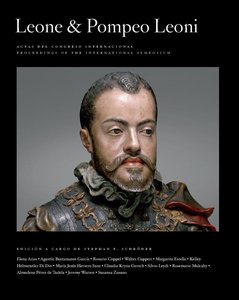
Leone Leoni (Pompeo Leoni)
1509 - 1590 , Italy
Najważniejsze informacje
- Full Name: Leone Leoni (Pompeo Leoni)
- Nationality: Italian
- Date Of Birth: 1509
- Date Of Death: 1590
- Place Of Birth: Menaggio, Italy
- Notable Artworks:
- The Emperor Charles V Restraining Fury
- Memorial Medal of Giorgio Vasari
- Hippolyta Gonzaga
- Artistic Movement Or Style: Mannerist
- Artists Who Influenced This Artist: ['Michelangelo Buonarroti']
- Artists Or Movements Influenced By This Artist: ['Baroque']
