Przełącz na wydania drukowane
 Rozwiń treść







































 W przypadku dzieł sztuki lub reprodukcji, których którykolwiek z boków przekracza 105 cm (około 41 cali), rama zostanie wysłana w formie zestawu do samodzielnego montażu. Metoda ta zapewnia bezpieczną dostawę i zapobiega uszkodzeniom podczas transportu.


Leonardo da Vinci’s Double Manuscript Page on the Sforza Monument: A Window Into Renaissance Ambition
The chalk drawing titled “Double manuscript page on the Sforza monument,” measuring just 21 x 30 centimeters, resides within the Biblioteca Nacional in Madrid—a deceptively modest canvas that belies the monumental ambition of its creator, Leonardo da Vinci. Created in 1493 during his tenure as court engineer and artist for Ludovico Sforza, Duke of Milan, this sketch transcends mere preparatory study; it’s a vibrant distillation of Da Vinci's relentless pursuit of knowledge across art, science, and engineering—a testament to the humanist spirit flourishing at the dawn of the High Renaissance.The drawing’s remarkable detail is achieved through Leonardo’s masterful manipulation of chalk, demonstrating an unparalleled understanding of tonal range and light. Observe how the subtle browns imbue the image with a palpable sense of history and solidity, grounding fantastical elements within a tangible reality. The deliberate roughness of the chalk lends an intimacy to the work—as if Da Vinci himself were inviting us into his creative process.
- A Vase of Perfect Proportions: At the heart of the composition lies a vase rendered with meticulous geometric precision. Leonardo’s attention to detail reveals an appreciation for classical principles of design, suggesting a deep understanding of harmonious forms—a cornerstone of Renaissance aesthetics.
- The Ergonomic Chair: Alongside the vase is a chair sketch—a surprisingly practical consideration for a man often celebrated solely for his artistic visions. This demonstrates Leonardo’s holistic approach to invention, reflecting his belief that beauty and functionality could coexist seamlessly.
- A Maritime Dream: The inclusion of a boat sketch hints at Leonardo's fascination with engineering and maritime studies—fields that would later contribute significantly to his groundbreaking innovations. It showcases the breadth of his intellectual curiosity, moving effortlessly between artistic expression and practical application.
The Sforza Monument: A Patron’s Vision
This manuscript page isn’t merely documentation; it embodies Ludovico Sforza’s vision for a grand monument intended to project his power and prestige—a symbol of Milanese dominance in Italy during the turbulent fifteenth century. The drawings reveal not only architectural plans but also detailed studies of individual elements—the vase, the chair, and the boat—each analyzed with scientific rigor.
The commission itself speaks volumes about the cultural landscape of Milan at that time. Leonardo operated within a vibrant milieu of patronage from figures like Ludovico Sforza—where artistic brilliance served as a tool for asserting authority and shaping public perception. The Duke’s ambition to establish himself as a prominent leader in Italy is powerfully reflected in this ambitious undertaking.
Leonardo's Synthesis of Art and Science
What distinguishes “Double manuscript page on the Sforza monument” is its embodiment of Leonardo’s core philosophy: the seamless integration of art and science. He didn’t perceive these disciplines as separate pursuits but rather as interconnected pathways to comprehending the universe—a perspective that would define his legacy.
The meticulous observation, geometric analysis, and engineering considerations evident in this drawing are hallmarks of his scientific approach to art. It's a profound demonstration of his conviction that true creativity arises from engaging deeply with both the aesthetic and rational realms—a principle that continues to inspire artists and thinkers today.
Bringing Da Vinci’s Genius Home
For those seeking to connect with the enduring legacy of Leonardo da Vinci, a high-quality reproduction of “Double manuscript page on the Sforza monument” offers an exceptional opportunity. OriginalUniqueArt’s hand-painted reproductions capture the essence of this remarkable drawing—its intricate detail, subtle tonal variations, and profound historical significance.
- Authentic Detail: Our hand-painted reproductions faithfully recreate Leonardo’s masterful chalk strokes, preserving the drawing’s unique texture and character.
- Premium Quality: Crafted with archival materials and expert techniques, our reproductions ensure lasting beauty and value for generations to come.
- A Window Into History: Own a piece of art history—a tangible reminder of Leonardo da Vinci's genius and his transformative impact on Western culture.
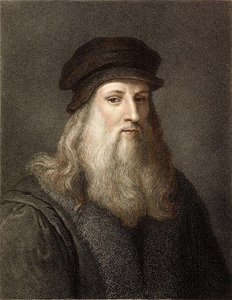
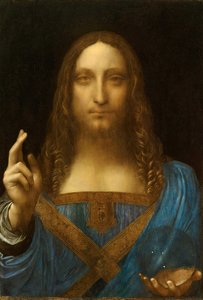
Explore more of Da Vinci’s masterpieces at "Storm over a landscape" and Leonardo Da Vinci’s "Self-Portrait" on OriginalUniqueArt.com – and delve deeper into the world of Renaissance art.
Pytania i odpowiedzi
Czy kolory w „Strona manuskryptu Sforza monumentalnego” – Leonardo Da Vinci są nasycone czy stonowane?
Kolory dzieła „Strona manuskryptu Sforza monumentalnego” – Leonardo Da Vinci charakteryzują się Subtelna kolorystyka nasyceniem. Nasycenie określa, jak żywe lub stonowane są barwy.
W jaki sposób kolory dzieła „Strona manuskryptu Sforza monumentalnego” – Leonardo Da Vinci korespondują z jego ładunkiem emocjonalnym?
W "Strona manuskryptu Sforza monumentalnego" kolorystyka Barwy neutralne współgra z Refleksyjny nastrojem.
W jaki sposób High Renaissance dzieła „Strona manuskryptu Sforza monumentalnego” nawiązuje do kraju pochodzenia artysty?
"Strona manuskryptu Sforza monumentalnego" powstało dzięki Leonardo Da Vinci, urodzonemu w Włochy, w ramach nurtu High Renaissance. Pochodzenie artysty wiąże to dzieło z High Renaissance w wydaniu twórców z Włochy.
 Podgląd w skali 1:1
 Wyślij jako kartkę
 Udostępnij
 Szczegóły dzieła
 Przewodnik

 Pobierz obraz
 Podobne obiekty
 RTG
RTG Pokaz slajdów
 Q&A
Q&A Statystyki