Text size

() ·

A painting made for you, by hand

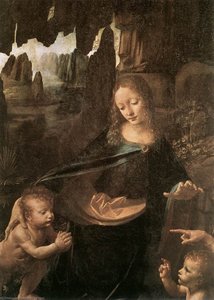
Madonna with the Yarnwinder

Ręcznie malowana reprodukcja olejowa

Ręcznie malowany obraz olejny na płótnie, wykonany na zamówienie przez naszych artystów w wybranym przez Ciebie wymiarze i oprawie. ( Przełącz na wydania drukowane Przejdź do wersji cyfrowej)

Opis obiektu

Witness Leonardo da Vinci's genius with "Madonna with the Yarnwinder." This captivating painting showcases Mary cradling Christ, symbolizing domesticity and faith through a unique composition & masterful technique.

Biografia artysty

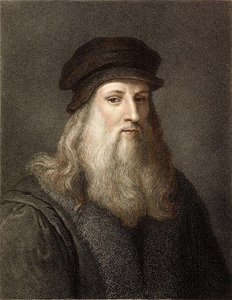
Poznaj Leonarda da Vinci (1452-1519): renesansowego geniusza, twórcę Mony Lisy i Ostatniej Wieczerzy! Odkryj jego technikę sfumato, studia anatomiczne oraz przełomowe wynalazki.

from ·

Chapter 1

How large should it be?

Slide to change the size; the picture on the left shows the frame at its real width. The proportions of the original are kept.

Standardowy format
personalizowane
CM
INCH

Wybierz spośród naszych standardowych rozmiarów, które zachowują oryginalne proporcje dzieła sztuki.

szerokość
wysokość

Wpisz wymaganą szerokość i wysokość, aby obraz pasował do Twojej ramy lub ściany. Ponieważ jest to dzieło malowane ręcznie, w przypadku rozmiaru o innych proporcjach artysta może domalować nieco więcej wokół obrazu lub przyciąć jego fragmenty — wybór należy do Ciebie. Przed rozpoczęciem pracy prześlemy Ci cyfrową wizualizację do zatwierdzenia. Obraz widoczny na tej stronie nie przedstawia rzeczywistego efektu — jedynie wizualizacja oddaje realny rezultat.

Chapter 2

How should it arrive?

Choose the edges of the stretched canvas

Choose your frame

Corner sample of the WhiteWrap canvas edge finish, stretched on lite drewno bars
White zł1
Corner sample of the BlurSideWrap canvas edge finish, stretched on lite drewno bars
Blurside zł1
Corner sample of the ExtendedWrap canvas edge finish, stretched on lite drewno bars
Extended zł1
Corner sample of the P118B picture frame: polistyren formowany, 5 cm wide and 3 cm thick
P118B zł10
Corner sample of the P118H picture frame: polistyren formowany, 5 cm wide and 3 cm thick
P118H zł10
Corner sample of the P118W picture frame: polistyren formowany, 5 cm wide and 3 cm thick
P118W zł10
Corner sample of the P438Z picture frame: polistyren formowany, 5.5 cm wide and 3.5 cm thick
P438Z zł10
Corner sample of the P508JH picture frame: polistyren formowany, 7 cm wide and 3.5 cm thick
P508JH zł12
Corner sample of the P508YH picture frame: polistyren formowany, 7 cm wide and 3.5 cm thick
P508YH zł12
Corner sample of the P805H picture frame: polistyren formowany, 5 cm wide and 3.5 cm thick
P805H zł10
Corner sample of the P805Z picture frame: polistyren formowany, 5 cm wide and 3.5 cm thick
P805Z zł10
Corner sample of the P919BZ picture frame: polistyren formowany, 7 cm wide and 3.5 cm thick
P919BZ zł10
Corner sample of the P919G picture frame: polistyren formowany, 7 cm wide and 3.5 cm thick
P919G zł10
Corner sample of the P919XJ picture frame: polistyren formowany, 7 cm wide and 3.5 cm thick
P919XJ zł10
Corner sample of the P959ZH picture frame: polistyren formowany, 5 cm wide and 3 cm thick
P959ZH zł10
Corner sample of the P968JZ picture frame: polistyren formowany, 6 cm wide and 4 cm thick
P968JZ zł12
Corner sample of the W106C picture frame: lite drewno, 5 cm wide and 3 cm thick
W106C zł8
Corner sample of the W218G picture frame: lite drewno, 5 cm wide and 3 cm thick
W218G zł10
Corner sample of the W218JH picture frame: lite drewno, 5 cm wide and 3 cm thick
W218JH zł8
Corner sample of the W218Y picture frame: lite drewno, 5 cm wide and 3 cm thick
W218Y zł10
Corner sample of the W307PJ picture frame: lite drewno, 6 cm wide and 3 cm thick
W307PJ zł10
Corner sample of the W316G picture frame: lite drewno, 6 cm wide and 3 cm thick
W316G zł10
Corner sample of the W316PJ picture frame: lite drewno, 6 cm wide and 3 cm thick
W316PJ zł8
Corner sample of the W316Y picture frame: lite drewno, 6 cm wide and 3 cm thick
W316Y zł10
Corner sample of the W398PJ picture frame: lite drewno, 5 cm wide and 3 cm thick
W398PJ zł8
Corner sample of the W4111J picture frame: lite drewno, 6.5 cm wide and 3.5 cm thick
W4111J zł10
Corner sample of the W500HY picture frame: lite drewno, 7 cm wide and 5 cm thick
W500HY zł15
Corner sample of the W500JH picture frame: lite drewno, 7 cm wide and 5 cm thick
W500JH zł15
Corner sample of the W692G picture frame: lite drewno, 8 cm wide and 4 cm thick
W692G zł12
Corner sample of the W849H picture frame: lite drewno, 5 cm wide and 3 cm thick
W849H zł8
Corner sample of the W940BG picture frame: lite drewno, 7.5 cm wide and 4.5 cm thick
W940BG zł15
Corner sample of the W953PJ picture frame: lite drewno, 6 cm wide and 3.5 cm thick
W953PJ zł8
Corner sample of the H24-GOLD picture frame: rzeźbione drewno pokryte gipsem, 10 cm wide and 6 cm thick
H24-GOLD zł30
Corner sample of the H24-SILVER picture frame: rzeźbione drewno pokryte gipsem, 10 cm wide and 6 cm thick
H24-SILVER zł30
Corner sample of the H36-GOLD picture frame: rzeźbione drewno pokryte gipsem, 15 cm wide and 6.5 cm thick
H36-GOLD zł45
Corner sample of the H36-SILVER picture frame: rzeźbione drewno pokryte gipsem, 15 cm wide and 6.5 cm thick
H36-SILVER zł45

Moulding: . Overall size with the frame: .

Chapter 3

Who paints it, and should anything change?

Examples of what can be changed: Replace face with customer photo; Add pet (e.g., replace cat with dog); Include hidden message in background; Change background landscape or elements.
After order, OriginalUniqueArt.com team will email client for instructions and provide a mockup preview

Dostawa na całym świecie () w ciągu 3–4 tygodni zamiast standardowych 5 tygodni. (1 Listopad). Bez kompromisów w kwestii jakości.

Chapter 4

The finishing touches

A nameplate, as in a museum?

Szczegóły grawerowanej brązowej tabliczki

This elegant plaque features the artist's name and the title of the artwork, finely engraved for a timeless presentation.

It is made from bronze with a refined, elegant finish. The text is precisely laser-engraved for a sharp and permanent result. Measuring 9x2 cm, the plaque is compact yet easy to read. It's built to be durable and scratch-resistant, offering a professional, museum-quality look. Mounting is simple thanks to the included adhesive backing.

Szczegóły przezroczystej tabliczki akrylowej

The plaque includes essential engraved details such as the artist's name, the title of the artwork, the date it was created, the type of media used-like oil on canvas or watercolor-a brief description of the piece, and a QR code that links to the complete artwork information.

It is crafted from clear acrylic, offering a sleek, modern appearance. The text is UV-engraved in black to ensure strong visual contrast. With a size of 10x15 cm, it ensures optimal readability. It comes equipped with two metal hooks for secure wall mounting. The plaque is designed to be weather-resistant, making it suitable for various environments, and it includes interactive features that work seamlessly with smartphone scanning.

Szczegóły czarnej tabliczki akrylowej

This elegant plaque includes engraved information such as the artist's name, the title of the artwork, the date it was created, the type of media used (like oil on canvas or watercolor), a short description of the artwork, and a QR code for quick access to more information.

The plaque itself is made from refined black acrylic with a premium finish. The text is laser-engraved in white for high contrast and readability. Its size is 10x15 cm, designed to be easy to read. It comes with two metal hooks for professional mounting. The design is sleek and fits any interior style. It is also weather-resistant and durable, with built-in digital integration for mobile compatibility.

A protective varnish?

When do you need it?

Chapter 5

Your painting, as you ordered it

Madonna with the Yarnwinder

Technika reprodukcji

Wymiary reprodukcji

-

Wybitny mistrz artystyczny

Większa szczegółowość, finezja i dodatkowy czas na realizację

-

Opcje oprawy reprodukcji

-

-

W przypadku dzieł sztuki lub reprodukcji, których którykolwiek z boków przekracza 105 cm (około 41 cali), rama zostanie wysłana w formie zestawu do samodzielnego montażu. Metoda ta zapewnia bezpieczną dostawę i zapobiega uszkodzeniom podczas transportu.

Wymagany profesjonalny montaż – nie jest to produkt typu DIY.
Zestaw musi zostać złożony, a płótno naciągnięte przez doświadczonego profesjonalnego ramiarza, przy użyciu kleju do drewna (brak w zestawie), kleszczy do naciągania płótna oraz ścisków, które utrzymają krosna w równej pozycji podczas schnięcia kleju. Nieprawidłowy montaż lub nierównomierne napięcie płótna może trwale uszkodzić dzieło sztuki i nie podlega naszej gwarancji.

  • W zestawie znajdują się wszystkie listwy z litego drewna, precyzyjnie docięte do wymiarów.

  • Montaż odbywa się przy użyciu dołączonych wkrętów oraz kleju do drewna do łączenia narożników, którego zestaw nie zawiera i który musi zostać dostarczony przez ramiarza.

  • Wymagane są profesjonalne narzędzia, których nie ma w zestawie: kleszcze do naciągania płótna (napinacz) oraz zaciski, które pozwolą utrzymać listwy w równej pozycji podczas schnięcia kleju.

Ważne:
Do połączenia narożników niezbędny jest klej do drewna, listwy należy unieruchomić za pomocą ścisków do momentu całkowitego wyschnięcia kleju, a naciągnięcie płótna na złożoną ramę wymaga użycia kleszczy do naciągania płótna. Żaden z tych elementów nie jest dołączony do zestawu. Przed zamówieniem tego rozmiaru zalecamy konsultację z doświadczonym ramiarzem.

Etykieta obiektu

-

-

Lakier ochronny

Lakier z połyskiem (pogłębia kolory, chroni przed światłem i wilgocią)

-

Personalizacja dzieła

Przykłady możliwości personalizacji: zastąp twarz zdjęciem klienta; dodaj zwierzę domowe (np. zamień kota na psa); umieść ukrytą wiadomość w tle; zmień krajobraz lub elementy tła.

-

Ekspresowa

Dostawa na cały świat () w ciągu 3–4 tygodni zamiast standardowych 5 tygodni. (1 Listopad). Bez kompromisów w kwestii jakości.

-

Przesyłka ekspresowa

Dostawa na cały świat () w ciągu 5 tygodni. (8 Listopad).

W cenie

Cena całkowita

zł 1167

Suma całkowita zł 1167

Opcja ze szkłem jest dostępna wyłącznie w rozmiarach poniżej 110 cm

Included with every order

  • Bezpłatna ekspresowa wysyłka na cały świat
  • Wysokiej jakości płótno lniane
  • Pełne ubezpieczenie przesyłki
  • Gwarancja zwrotu należności celnych i podatków importowych
  • Gwarancja wiernego odwzorowania kolorów
  • 100-dniowa polityka zwrotów (tylko w przypadku wad)
  • Gwarancja 100% zwrotu pieniędzy
  • Zniżka przy zakupie wielu sztuk

A Glimpse into Leonardo’s Genius: The Madonna with the Yarnwinder

Leonardo da Vinci's Madonna with the Yarnwinder isn’t merely a depiction of the Virgin Mary and Child; it’s a profound meditation on motherhood, faith, and the quiet rhythms of domestic life. Completed in the early 16th century, this painting transcends its seemingly simple subject matter to reveal layers of symbolism and technical brilliance that have captivated art historians for centuries. It exists as one of several versions of the same theme – alongside the iconic Buccleuch Madonna and the equally compelling Lansdowne Madonna – each offering subtle variations on this eternally resonant image. The painting’s genesis, commissioned by Florimond Robertet, a French secretary to King Louis XII, hints at its intended presentation within the opulent courts of Europe, yet it remained unfinished in Leonardo's hand, a testament to his restless intellect and boundless curiosity.

Madonna with the Yarnwinder by Leonardo da Vinci

The scene unfolds within a serene, almost dreamlike landscape – a carefully constructed backdrop of rolling hills and distant mountains. At the heart of this composition sits Mary, her gaze fixed intently on a niddy-noddy, a device used to collect spun yarn. This seemingly mundane object is far from accidental; it’s a deliberate symbol, subtly foreshadowing the Cross upon which Christ will be crucified. The infant Jesus, nestled in his mother's arms, mirrors her attention, suggesting an early awareness of his destiny. Leonardo masterfully employs *sfumato*, that characteristic hazy effect he perfected, to soften the edges and create a sense of ethereal beauty, blurring the lines between reality and dream.

The Art of Technique: Oil on Panel Mastery

Leonardo’s choice of oil paint on panel is crucial to understanding the painting's enduring quality. This medium allowed him to build up layers of color with incredible subtlety and precision, capturing the nuances of light and shadow that define his style. The rich, vibrant hues – particularly in Mary’s robes – are achieved through meticulous blending and glazing techniques. Notice the delicate rendering of the fabric, the subtle modeling of the figures' forms, and the atmospheric perspective creating a sense of depth within the landscape. This level of detail speaks to Leonardo’s relentless pursuit of anatomical accuracy and his profound understanding of human form, informed by his extensive studies of anatomy.

Furthermore, the painting demonstrates Leonardo’s innovative approach to panel construction. He meticulously prepared the wood panel with multiple layers of gesso, creating a smooth, even surface ideal for receiving the delicate washes of oil paint. This careful preparation ensured that the pigments adhered properly and resisted cracking over time – contributing significantly to the work's longevity.

A Legacy of Symbolism and Influence

The Madonna with the Yarnwinder isn’t simply a portrait; it’s a complex allegory. Mary’s domesticity, symbolized by the yarnwinder, contrasts subtly with her divine role as Mother of God. This juxtaposition invites contemplation on the balance between earthly responsibilities and spiritual devotion. The painting profoundly influenced subsequent generations of artists, particularly Raphael and Andrea del Sarto, who drew inspiration from Leonardo's innovative composition and masterful use of light and shadow. The dynamic arrangement of figures, the evocative symbolism, and the overall emotional resonance established a new standard for depictions of the Madonna and Child.

Provenance and Historical Context

Throughout its history, the painting has been cherished within prestigious collections, including the Buccleuch Collection and featured in the “Treasure Houses of Britain” documentary series. Its journey through time reflects the evolving tastes and values of European aristocracy. The fact that it was once part of the Buccleuch collection – a family renowned for their patronage of the arts – underscores its historical significance and artistic merit. Today, reproductions like those offered by OriginalUniqueArt.com allow art lovers worldwide to experience the beauty and depth of this extraordinary masterpiece.

Pytania i odpowiedzi

Gdzie mogę znaleźć przewodnik do "Madonna with the Yarnwinder"?

Dla dzieła „Madonna with the Yarnwinder” – Leonardo Da Vinci dostępna jest strona Karta informacyjna dla uczniów: nadająca się do druku karta informacyjna o utworze, przygotowana z myślą o uczniach i wykorzystaniu w klasie.

Jaki nastrój oddaje „Madonna with the Yarnwinder” – Leonardo Da Vinci w ramach nurtu High Renaissance?

"Madonna with the Yarnwinder" emanuje Refleksyjny emocjonalnym ładunkiem, wpisując się w nurt High Renaissance.

Z czego wynika obecny status praw autorskich dzieła "Madonna with the Yarnwinder"?

Status praw autorskich do dzieła „Madonna with the Yarnwinder” – należy do domeny publicznej – autorskie prawa majątkowe wygasły – wynika z faktu, że artysta zmarł w 1519.

More about this painting

Podgląd w skali 1:1 Podgląd AR Przełącz na wydania drukowane Przejdź do wersji cyfrowej Wyślij jako kartkę
Szczegóły dzieła Przewodnik Dodaj do ulubionych Pobierz obraz Podobne obiekty RTG Pokaz slajdów Q&A Statystyki

In numbers

  • 29frames to choose from
  • standard sizes, in its own proportions
  • 5weeks to paint and deliver it
Leonardo Da Vinci

Leonardo Da Vinci

1452 - 1519, Włochy

Quick facts about Leonardo Da Vinci

  • Artistic Movement Or Style: Renesans Wysoki
  • Artists Or Movements Influenced By This Artist: ['Sztuka Renesansu']
  • Artists Who Influenced This Artist: ['Andrea del Verrocchio']
  • Date Of Birth: 15 kwietnia 1452
  • Date Of Death: 2 maja 1519
  • Full Name: Leonardo di ser Piero da Vinci
  • Nationality: Włoski
  • Notable Artworks (List Of Titles):
    • Mona Lisa
    • Ostatnia Wieczerza
  • Place Of Birth (City And Country): Vinci, Włochy

Biografia artysty

Życie i dziedzictwo Leonarda da Vinci.

Leonardo di ser Piero da Vinci, urodzony w 1452 roku w pobliżu toskańskiej wioski Vinci, pozostaje bezsprzecznie najbardziej rozpoznawalną postacią Renesansu – prawdziwym polimatą, którego nienasycona ciekawość pchała do działania w różnych dziedzinach, wywierając niezatarte piętno na sztuce, nauce i inżynierii. Jego samo imię stało się synonimem geniuszu, będąc świadectwem niezwykłej wszechstronności talentu i wizjonerskiego myślenia. Urodzony poza małżeństwem dla notariusza Piero da Vinci oraz wieśniaczki Cateriny, Leonardo wczesny etap życia spędził w sposób nietypowy, co jednak zapewniło mu dostęp zarówno do świata praktycznego, jak i głębokiego szacunku do natury, który miał w sposób fundamentalny ukształtować jego artystyczną wizję. Choć otrzymał jedynie podstawowe wykształcenie w zakresie czytania, pisania i arytmetyki, to właśnie praktyka pod okiem Andrei del Verrocchio we Florencji prawdziwie rozpaliła jego twórczy zapał. W warsztacie Verrocchio Leonardo nie uczył się jedynie malarstwa czy rzeźby; był zanurzony w świecie technicznych umiejętności, opanowując obróbkę metali, stolarstwo, rysunek oraz zawiłości procesu artystycznego – co stanowiło fundament, na którym zbudował swój wieloaspektowy geniusz. Już w tym formacyjnym okresie krążyły plotki o jego wyjątkowym talencie, a relacje sugerują, że sam Verrocchio porzucił malowanie po ujrzeniu wyższości umiejętności Leonarda.

Mediolańskie innowacje i rozkwit artystyczny

W 1482 roku Leonardo rozpoczął nowy rozdział, wstępując w służbę Ludovico Sforzy, księcia Mediolanu. Nie było to jedynie powołanie artystyczne; Leonardo pełnił funkcję inżyniera wojskowego, architekta, rzeźbiarza i projektanta dworskiego – co stanowi dowód na jego wszechstronne zdolności. Projektował nowatorskie fortyfikacje, tworzył misterne scenografie teatralne, a nawet szkicował plany fantastycznych maszyn. Jednak to właśnie w tym okresie przystąpił do pracy nad jednym ze swoich najbardziej ikonicznych arcydzieł: Ostatnią Wieczerzą. Namalowana jako fresk w refektarzu klasztoru Santa Maria delle Grazie, praca ta wykracza poza zwykłą reprezentację; jest to głęboka eksploracja ludzkich emocji i psychologicznego dramatu, uchwycona w precyzyjnym momencie, w którym Chrystus zapowiada zdradę. Kompozycja, nowatorska jak na swoje czasy, oraz mistrzowskie wykorzystanie perspektywy wywarły ogromny wpływ na sztukę zachodnią przez kolejne stulecia. Choć wiele projektów rzeźbiarskich pozostało niedokończonych podczas jego pobytu w Mediolanie, wynalazczy duch Leonarda nieustannie rozkwitał, kładąc podwaliny pod przyszłe odkrycia naukowe.

Powrót do Florencji i dążenie do doskonałości

Po francuskiej inwazji na Mediolan w 1499 roku, Leonardo powrócił do Florencji, miasta przeżywającego wówczas szczyt rozwoju artystycznego. Choć w tym czasie stworzył mniej ukończonych dzieł, ich wpływ był ogromny. To właśnie tutaj rozpoczął pracę nad obrazem, który stał się prawdopodobnie najsłynniejszym malowidłem świata: Mona Lisą (La Gioconda). Enigmatyczny uśmiech i hipnotyzujące spojrzenie modelki fascynują widzów od pokoleń, podczas gdy rewolucyjna technika *sfumato* – subtelne przenikanie się światła i cienia w celu stworzenia zamglonych konturów oraz perspektywy powietrznej – znacząco przyczyniła się do eterycznej jakości tego dzieła. Ten okres przyniósł również dalsze doskonalenie jego studiów anatomicznych, napędzanych niezłomną chęcią zrozumienia ludzkiej formy z naukową precyzją. Przeprowadzał sekcje zwłok, skrupulatnie dokumentując mięśnie, kości i organy w serii niezwykle szczegółowych rysunków, które wyprzedzały swoją epokę o całe stulecia.

Dziedzictwo wykraczające poza sztukę: nauka, wynalazki i trwały wpływ

Późniejsze lata Leonarda upłynęły na podróżach między Florencją, Mediolanem a Rzymem; zawsze poszukiwany ze względu na swoją wiedzę, często jednak pozostawiał projekty niedokończone – co mogło być odzwiercydleniem jego niespokojnego intelektu i ogromu zainteresowań. W 1516 roku przyjął zaproszenie króla Franciszka I, aby zamieszkać i pracować w Château du Clos Lucé pod Amboise we Francji, gdzie spędził swoje ostatnie lata. Zmarł tam w 1519 roku, pozostawiając po sobie ogromne dziedzictwo, które wykracza daleko poza sferę sztuki. Jego notatki ujawniają pionierską pracę w dziedzinie anatomii, optyki, hydrauliki, geologii i kartografii – oraz koncepcje wynalazków wyprzedzających epokę o wieki, w tym maszyn latających, czołgów i zaawansowanej broni. Wpływ Leonarda da Vinci na historię sztuki jest niezmierzalny. Podniósł on status artystów ze sprawnych rzemieślników do rangi postaci intelektualnych, udowadniając, że proces twórczy może być wspierany przez dociekania naukowe i głębokie zrozumienie świata naturalnego. Jego obrazy są celebrowane za realizm, psychologiczną głębię i nowatorskie techniki. Pozostaje on symbolem ludzkiej ciekawości, kreatywności i nieustannego dążenia do wiedzy – prawdziwym ucieleśnieniem ducha Renesansu, którego dziedzictwo wciąż budzi podziw i fascynację setki lat po jego śmierci.

Kluczowe osiągnięcia i trwały wpływ

  • Malarstwo: Mona Lisa, Ostatnia Wieczerza, Madonna w grocie, Zwiastowanie
  • Rysunek i szkic: Rozległe studia anatomiczne, projekty inżynieryjne (maszyny latające, broń), ilustracje botaniczne
  • Nauka i inżynieria: Pionierskie prace w dziedzinie anatomii, optyki, hydrauliki, geologii i kartografii. Koncepcje wynalazków wyprzedzające swoją epokę o stulecia.