

 Zobacz w skali 1:1
 Wyślij
 Udostępnij
 Szczegóły

 Pobierz plik obrazu
 Podobne obiekty
 RTG
RTG Pokaz slajdów
 Statystyki
Peasant with his children

 Czytaj więcej
Giclée / Wydruk artystyczny
Wydruki giclée lub płótna o jakości muzealnej, szybka realizacja i szeroki wybór opcji wykończenia. ( Kup ręcznie malowany obraz Przełącz na wersję cyfrową)




































Wybierz spośród naszych standardowych rozmiarów, które zachowują oryginalne proporcje dzieła sztuki.

Możesz wprowadzić własne wymiary, aby dopasować dzieło do konkretnej ramy lub przestrzeni. Jeśli wybrany rozmiar nie będzie odpowiadał proporcjom oryginalnego obrazu, przytniecie dzieło lub rozszerzymy obraz za pomocą odbicia lustrzanego lub jednolitego wypełnienia krawędzi. Przed rozpoczęciem produkcji prześlemy cyfrową wizualizację do Twojej akceptacji.
Prosimy pamiętać, że podgląd na ekranie nie odzwierciedla faktycznego przycinania ani rozszerzania. Tylko wizualizacja dokładnie pokaże końcową kompozycję.
Mimo dostępności niestandardowych rozmiarów, zalecamy wybór wymiaru z listy zdefiniowanej, aby zachować oryginalne proporcje.
Dostawa na cały świat () w ciągu 2 tygodni zamiast standardowych 4/5 tygodni. (16 Wrzesień)

Bezpłatna ekspresowa wysyłka na cały świat

Wysokiej jakości płótno lniane

Pełne ubezpieczenie transportowe

Gwarancja zwrotu należności celnych i podatków importowych

Gwarancja idealnego odwzorowania barw

100-dniowy okres na zwrot dzieła w przypadku wykrycia wad produkcyjnych

Gwarancja 100% zwrotu pieniędzy

Oferta przy zakupie wielu sztuk
 Opcja ze szkłem jest dostępna wyłącznie w rozmiarach poniżej 110 cm

Peasant with his children
Giclée / Wydruk artystyczny
Rozmiar reprodukcji
-


Suma do zapłaty
$ 80
Biografia artysty
A Legacy Carved in Emotion
Born amidst the quiet landscapes of Casale Monferrato, Leonardo Bistolfi’s journey was etched by both the delicate touch of craftsmanship and the profound weight of early tragedy. As the son of Giovanni Bistolfi, a master of wood carving, his hands were introduced to the tactile language of art from infancy. However, the untimely passing of his father during his childhood cast a long shadow over his youth, perhaps seeding the melancholic depth that would later define his most celebrated works. Seeking to refine this raw talent, he journeyed to the prestigious Brera Art Academy in Milan, studying under Giosuè Argenti, and later moved to Turin to hone his skills at the Accademia Albertina under Odoardo Tabacchi. These formative years were not merely about technical mastery but were a period of absorbing the shifting currents of Italian art, from the atmospheric Scapigliatura movement to the burgeoning whispers of Symbolism.The Transition from Realism to Symbolist Grace
Bistolfi’s early repertoire reflected a profound engagement with the social realities of his era, often imbuing his bronze and marble figures with a poignant realism. His initial sculptures, such as Le lavandaie (The Washerwomen) and Boaro (Cattle-hand), resonated with the "worker question" and the socialistic undertones prevalent in the works of contemporaries like Giuseppe Pellizza da Volpedo. Yet, even within these depictions of labor and daily struggle, a certain ethereal quality began to emerge. As his style matured, the heavy textures of realism gave way to the sinuous, flowing lines of Art Nouveau and the evocative mysteries of Symbolism. He moved away from the literal toward the metaphorical, finding beauty in the unseen. This evolution saw him embracing the Pre-Raphaelite influence, utilizing idealized female forms to bridge the gap between the physical world and a higher, spiritual plane.The Sculptor of Pain and Eternal Beauty
Perhaps nowhere is Bistolfi’s genius more palpable than in his monumental funerary works, which earned him the haunting moniker, the sculptor of pain and death. He possessed a rare ability to transform the somber reality of mourning into an aesthetic experience of profound transcendence. In pieces like L'Angelo della morte (The Angel of Death) and La Bellezza della Morte (The Beauty of Death), he did not merely depict grief; he elevated it, using supple strokes and decadent allegory to find a sense of peace within the inevitable. His monuments, scattered across Italian cemeteries, serve as silent sentinels of memory, where:- The Angel of Death stands as a testament to his ability to blend terror with grace.
- La Sfinge explores the enigmatic nature of existence through mythological symbolism.
- Caduti honors the fallen with a touching, communal sense of loss and protection.
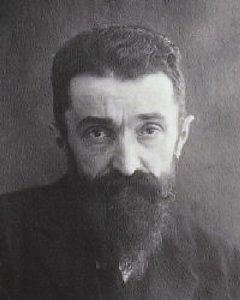
Leonardo Bistolfi
1859 - 1933 , Italy
Najważniejsze informacje
- Artistic Movement Or Style: Symbolism
- Artists Or Movements Influenced By This Artist: ['Liberty Style']
- Artists Who Influenced This Artist: ['Pre-Raphaelites']
- Date Of Birth: March 14, 1859
- Date Of Death: September 2, 1933
- Full Name: Leonardo Bistolfi
- Nationality: Italian
- Notable Artworks:
- The Sacrifice
- Peasant with his children
- Place Of Birth: Casale Monferrato, Italy