Russian Modernism · 1922
Samarkand Sultan (Leon Bakst, 1922)
Leon Bakst (1866–1924) stworzył Samarkand Sultan. Dzieło pochodzi z 1922. Należy do nurtu Russian Modernism. Wykonano w technice Ink On Paper.
- 1922
- Ink On Paper

 Podgląd w skali 1:1

 Ręcznie malowany obraz olejny
 Wyślij jako kartkę
 Udostępnij
 Karta informacyjna


 Pobierz obraz
 Podobne obiekty
 RTG
 Pokaz slajdów
 Pytania i odpowiedzi

 Statystyki
Samarkand Sultan w skrócie
- Tytuł
- Samarkand Sultan
- Artysta
- Leon Bakst (1866–1924)
- Miejsce urodzenia artysty
- Grodno, Białoruś
- Data powstania
- 1922
- Technika wykonania
- Ink On Paper
- Epoka
- Modern
- Temat
- eastern costume, ornate design, theatrical figure, stylized portrait, vibrant colors, russian culture
Co przedstawia Samarkand Sultan?
A Study in Grandeur
In this 1922 work, we encounter a figure of quiet authority, a Samarkand Sultan rendered with a graphic precision that feels both ancient and modern. The subject is centered, filling the frame with a verticality that commands attention without needing to shout. He is draped in a robe of deep reds and blues, a garment defined by its intricate geometric patterns—triangles, diamonds, and stripes that dance across the fabric. There is a certain stillness in his expression, a tranquil gaze that suggests a man accustomed to the weight of his own status. His dark beard is long and neatly kept, providing a sharp contrast to the luminous colors of his attire.
The composition relies on a sophisticated layering of shapes and colors to create a sense of presence. While the perspective remains somewhat flattened, reminiscent of theatrical sketches or costume studies, the use of shading gives the figure a tangible, sculptural quality. The light appears to fall from above, catching the edges of his elaborate headwear and the subtle folds of his sleeves.
The Language of Ornament
The detail in the Sultan's attire reveals a meticulous approach to pattern and texture. The artist uses line and color to suggest materials that one can almost feel through the visual surface:
- A large turban adorned with blue and white beads and a singular, striking white feather.
- Sleeves and hems lined with a soft, heavy fur that adds a sense of tactile luxury.
- A complex arrangement of geometric motifs that break up the saturated fields of color.
This work belongs to the Art Nouveau movement, a period where the boundaries between fine art and decorative design often blurred. The influence of Orientalism is palpable here, not as a mere imitation of the East, but as a way to explore new visual languages through exotic silhouettes and intense color palettes. The use of ink and watercolor allows for a certain fluidity, where bold outlines meet softer, shaded transitions.
A Vision of the Stage
There is an inherent theatricality to this piece, as if we are catching a glimpse of a character just before the curtain rises. The stylized forms and exaggerated features move away from photographic realism, opting instead for a heightened sense of character. It feels less like a portrait of a specific historical individual and more like an exploration of an idea—the idea of power, of ceremony, and of the exotic. The emotional weight of the piece lies in this tension between the graphic, almost two-dimensional quality of the illustration and the profound sense of dignity held in the subject's eyes.
Zdjęcia w wysokiej rozdzielczości dzieła Samarkand Sultan
Domena publiczna: artysta zmarł w 1924.
Leon Bakst, Samarkand Sultan (1922). Domena publiczna
Odpowiedzi na pytania dotyczące Samarkand Sultan
W którym roku powstało dzieło „Samarkand Sultan” – Leon Bakst?
"Samarkand Sultan" powstało w 1922 roku. Data ta pozwala umiejscowić dzieło w kontekście twórczości Leon Bakst oraz epoki, w której powstało.
W jakiej technice wykonano „Samarkand Sultan” – Leon Bakst?
Leon Bakst wykorzystał/a technikę Ink On Paper w pracy „Samarkand Sultan”. Technika ta definiuje materię oryginalnego dzieła.
Co przedstawia "Samarkand Sultan"?
„Samarkand Sultan” – Leon Bakst przedstawia: eastern costume, ornate design, theatrical figure, stylized portrait, vibrant colors, russian culture, decorative art.
Czy dzieło "Samarkand Sultan" znajduje się w domenie publicznej?
Status praw autorskich dla „Samarkand Sultan” – Leon Bakst: dzieło znajduje się w należy do domeny publicznej – autorskie prawa majątkowe wygasły. Określa to, czy reprodukcje obrazu mogą być sporządzane swobodnie.
Kto jest autorem dzieła "Samarkand Sultan"?
Autorem dzieła „Samarkand Sultan” jest Leon Bakst. Praca ta figuruje w katalogu pod nazwiskiem Leon Bakst.
Do jakiego nurtu artystycznego należy „Samarkand Sultan” – Leon Bakst?
„Samarkand Sultan” to dzieło należące do nurtu Russian Modernism. Nurt ten określa tradycję artystyczną, w której osadzone jest dzieło.
Do którego etapu twórczości Leon Bakst należy dzieło „Samarkand Sultan”?
"Samarkand Sultan" reprezentuje Early Modernism twórczości Leon Bakst.
Ile lat miał(a) Leon Bakst, tworząc "Samarkand Sultan" w 1922 roku?
Gdy w 1922 roku powstało dzieło „Samarkand Sultan”, Leon Bakst – urodzony/a w 1866 – miał/a 56 lat.
Czy dzieło „Samarkand Sultan” autorstwa Leon Bakst znajduje się w domenie publicznej i dlaczego?
Status praw autorskich do dzieła „Samarkand Sultan” – należy do domeny publicznej – autorskie prawa majątkowe wygasły – wynika z faktu, że artysta zmarł w 1924.
O artyście: Leon Bakst
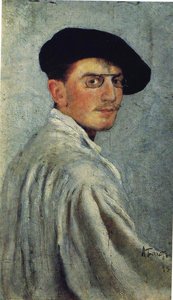
1866–1924, Białoruś
Leon Bakst
Wczesne Lata i Ziśnięcie Artystyczne Léon Bakst, urodzony jako Lew Samojłowicz Rosenberg w 1866 roku w Grodnie – mieście, które wówczas należało do Imperium Rosyjskiego – jego życie artystyczne było fascynującą opowieścią, splatającą w sobie naturalny talent i ograniczenia społeczne. Jego rodzina, choć komfortowo sytuowana materialnie, miała powiązania z dworem cesarskim dzięki jego przodkowi, wybitnemu krawcowi, który cieszył się patronatem cara. To tło wpłynęło na młodego Lejba, ukształtowało jego świadomość kulturową i jednocześnie wywołało wczesną pasję do rysunku, która została udowodniona, gdy zaledwie dwunastoletni wygrał konkurs. Jednak ten rozwijający się artystyczny skłonności początkowo spotkały się z oporem ze strony jego rodziców, którzy niechętnie chcieli przyjąć tak nietypową ścieżkę.
Inne prace Leon Bakst
 Projekt z Kwiatami w Siatce
 Operatic costume designs1911
 Costume design for the ballet ''Cleopatra''1909
 Drawing young divinity Narcisse costume, ballet Diaghilev1911
Eseje o Samarkand Sultan
 The Soft Soul of Art: Exploring the Tactile Beauty and Timeless Narrative of Textile MasterpiecesEmbark on a sensory journey through the tactile beauty of textile art. Explore how thread, silk, and loom weave human history, from ancient…
 French artworks of the 1860s1860s French masterpieces by Édouard Manet, Claude Monet, and Gustave Courbet. View the full collection online at OriginalUniqueArt.com.
 Masterpieces of Emotion: The Top 25 Artworks by Théodore GéricaultExplore 25 iconic works by Théodore Géricault, from Romanticism to his greatest masterpieces. Discover the full collection on OriginalUniqu…