
 Podgląd w skali 1:1
 Wyślij jako kartkę
 Udostępnij
 Szczegóły dzieła
 Przewodnik

 Pobierz obraz
 Podobne obiekty
 RTG
RTG Pokaz slajdów
 Pytania i odpowiedzi
 Statystyki
Peach Blossom

- 76.0 x 65.0 cm


 Rozwiń treść
Giclée / Wydruk artystyczny
Wydruki giclée lub płótna o jakości muzealnej, szybka realizacja i szeroki wybór opcji wykończenia. ( Zamów ręcznie malowaną reprodukcję Przejdź do wersji cyfrowej)




P118B zł10

P118H zł10

P118W zł10

P438Z zł10

P508JH zł12

P508YH zł12

P805H zł10

P805Z zł10

P919BZ zł10

P919G zł10

P919XJ zł10

P959ZH zł10

P968JZ zł12

W106C zł8

W218G zł10

W218JH zł8

W218Y zł10

W307PJ zł10

W316G zł10

W316PJ zł8

W316Y zł10

W398PJ zł8

W4111J zł10

W500HY zł15

W500JH zł15

W692G zł12

W849H zł8

W940BG zł15

W953PJ zł8




Wybierz spośród naszych standardowych rozmiarów, które zachowują oryginalne proporcje dzieła sztuki.

Wpisz wymaganą szerokość i wysokość, aby dopasować grafikę do ramy lub ściany. Wydruk można jedynie przyciąć, nigdy nie powiększając go poza oryginalny obraz, dlatego format o innych proporcjach spowoduje utratę części kompozycji. Przed rozpoczęciem druku prześlemy Ci cyfrowy podgląd do zatwierdzenia. Obraz wyświetlany na tej stronie nie pokazuje rzeczywistego przycięcia — jedynie podgląd oddaje ten efekt.
Dostawa na cały świat () w ciągu 2 tygodni zamiast standardowych 4/5 tygodni. (8 Listopad)

Bezpłatna ekspresowa wysyłka na cały świat

Wysokiej jakości płótno lniane

Pełne ubezpieczenie przesyłki

Gwarancja zwrotu należności celnych i podatków importowych

Gwarancja wiernego odwzorowania kolorów

100-dniowa polityka zwrotów (tylko w przypadku wad)

Gwarancja 100% zwrotu pieniędzy

Zniżka przy zakupie wielu sztuk
 Opcja ze szkłem jest dostępna wyłącznie w rozmiarach poniżej 110 cm

Peach Blossom
Giclée / Wydruk artystyczny
Wymiary reprodukcji
-


Cena całkowita
zł 317
A Symphony of Color and Korean Tradition
In the annals of Korean Modern Art, few works resonate with as much poignant beauty and cultural depth as Lee Jung-seob’s “Peach Blossom.” Created in 1953, this masterpiece serves as a profound meditation on heritage and resilience, capturing a moment of serene natural splendor amidst the turbulent backdrop of post-war Korea. The painting is far more than a mere depiction of nature; it is an evocative exploration of familial bonds and the enduring spirit of a nation seeking peace after years of hardship. Through his masterful hand, Lee Jung-seob invites the viewer into a tranquil sanctuary where the natural world and human emotion intertwine seamlessly.
The artist’s vision is defined by a breathtaking fusion of styles that bridges the gap between ancient tradition and modern expressionism. One can observe the bold, expressive use of color reminiscent of Fauvism, which lends the piece an intense emotional vitality. Yet, this modernity is anchored by elements drawn from the ancient Goguryeo tomb murals, creating a stylistic dialogue between Korea's storied past and its contemporary struggles. By employing oil paints on paper, Lee Jung-seob achieved a meticulous layering of textures and hues, allowing the light to dance across the surface and breathe life into every branch and blossom.
Symbolism and the Harmony of Nature
At the heart of the composition lies a captivating scene of monkeys inhabiting a tree laden with ripe fruit. This is not merely a playful observation of wildlife; it is a carefully constructed tapestry of Korean symbolism. The peaches, heavy on the branches, serve as potent emblems of longevity, prosperity, and good fortune—wishes that reflect a deep-seated desire for familial well-being and national stability. As the monkeys interact with the fruit, their positioning within the sprawling branches suggests a sense of perfect harmony and balance, mirroring the artist's own longing for peace in a fractured era.
The composition is further enriched by subtle details that invite closer inspection. Scattered throughout the scene are apples, some resting on the ground and others still clinging to the tree, adding a sense of abundance and natural rhythm. A solitary bird, perched near the top right corner, watches over this idyllic landscape, completing a cycle of life that feels both eternal and intimate. For the collector or interior designer, this painting offers a profound sense of tranquility, making it an ideal centerpiece for spaces intended to evoke calm, reflection, and a connection to the organic world.
A Legacy of Resilience and Beauty
To understand “Peach Blossom,” one must consider the historical weight carried by its creator. Painted during a period when Korean identity was under constant pressure from colonial influences, Lee Jung-seob’s work stands as an act of cultural resistance. By championing a distinctly Korean aesthetic, he celebrated a national identity that refused to be assimilated. The painting captures a sense of beauty amidst struggle, proving that even in the most difficult historical moments, the human spirit can cultivate gardens of immense grace.
For those seeking to adorn their homes with art that possesses both intellectual depth and aesthetic splendor, this reproduction offers an unparalleled opportunity. It is a piece that transcends decoration; it is a conversation starter, a window into a soul, and a timeless tribute to the enduring power of nature and tradition. Whether placed in a contemporary gallery setting or a classic study, “Peach Blossom” brings with it an atmosphere of playfulness, warmth, and an unforgettable emotional resonance.
Pytania i odpowiedzi
Z jakiej techniki wykorzystano "Peach Blossom"?
Technika wykonania dzieła „Peach Blossom” – Lee Jung-Seob to Oil On Paper. Reprodukcje mają na celu wierne oddanie wyglądu tej techniki.
Jaki nastrój oddaje styl Modern Korean Art w dziele „Peach Blossom”?
"Peach Blossom" emanuje Calm emocjonalnym ładunkiem, wpisując się w nurt Modern Korean Art.
Co wyjaśnia sytuację prawną dotyczącą praw autorskich do „Peach Blossom” – Lee Jung-Seob?
„Peach Blossom” – Lee Jung-Seob jest należy do domeny publicznej – autorskie prawa majątkowe wygasły. Okres ochrony praw autorskich liczony jest od śmierci artysty, która nastąpiła w 1956.
Biografia artysty
koreański mistrz malarstwa olejnego
lee, jung-seob, wybitny artysta z Korei Południowej, pozostawił niezatarty ślad w świecie sztuki dzięki swoim urzekającym obrazom olejnym. Urodzony w 1916 roku w prowincji Pyeongannamdo, przeszedł artystyczną drogę naznaczoną innowacyjnością oraz głęboką więzią z własnym dziedzictwem kulturowym.artystyczny wkład
lee jung-seob jest najbardziej znany ze swojego ikonicznego dzieła 'biały wół', które stanowi świadectwo jego niezwykłego kunsztu w operowaniu farbami olejnymi. To arcydzieło, obok innych wybitnych prac, prezentuje jego unikalny styl, który w sposób harmonijny łączy tradycyjne koreańskie elementy z nowoczesnymi technikami malarskimi.- kluczowe dzieła:
- rodzina i gołąb (Muzeum Narodowe w Seulu, Korea Południowa) – przejmujące dzieło wykonane techniką olejną na papierze.
- chłopcy, ryba i krab (Muzeum Narodowe w Seulu, Korea Południowa) – akwarela ukazująca wszechstronność lee.
- dwaj chłopcy i jeleń (Muzeum Narodowe w Seulu, Korea Południowa) – kolejny przykład jego biegłości w technice akwarelowej.
- muzea prezentujące jego twórczość:
- Muzeum Narodowe w Seulu (Seul, Korea Południowa)
dziedzictwo i wpływ
odejście lee jung-seoba w Seulu w 1956 roku zamknęło pewną epokę, ale jednocześnie utorowało drogę przyszłym pokoleniom koreańskich artystów. Jego wpływ jest wyraźnie widoczny w pracach wielu współczesnych malarzy z Korei. odkryj więcej sztuki lee jung-seob: https://OriginalUniqueArt.com/@/lee-jung-seob | odkryj bogatą kolekcję jego malarstwa w OriginalUniqueArt. dowiedz się więcej o innych znamienitych artystach: /pl/art/list/ | przejrzyj listę najwybitniejszych artystów w OriginalUniqueArt.
Lee Jung-Seob
1916 - 1956 , Korea Południowa
Krótka nota
- Artistic Movement Or Style: Nowoczesna sztuka koreańska
- Artists Or Movements Influenced By This Artist: ['Fowizm']
- Artists Who Influenced This Artist: ['Murale w grobowcach Goguryeo']
- Date Of Birth: 10 kwietnia 1916
- Date Of Death: 6 września 1956
- Full Name: Lee Jung-seob
- Nationality: Koreański
- Notable Artworks:
- Biały Wół
- Rodzina i gołąb
- Chłopcy, ryba i krab
- Place Of Birth: Pyeongannamdo, Korea
Powiązane artykuły

Olej na płótnie: Historia, techniki i ponadczasowy urok malarskiego medium
Poznaj historię i techniki malarstwa olejowego! Od renesansowych mistrzów po współczesne zastosowania – wszystko o oleju na płótnie. Poradniki, konserwacja i inspiracje dla pasjonatów sztuki.

The Enduring Power of Painting: A Historical & Contemporary Exploration of Form and Emotion
Explore the rich history & enduring techniques of oil painting with OriginalUniqueArt. Discover masterpieces, learn about art collecting, and find authentic handmade reproductions crafted by skilled artists.
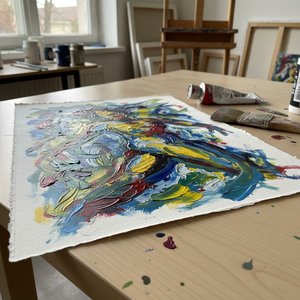
Akryl na papierze: Nowoczesny nośnik ekspresji artystycznej – historia, techniki i konserwacja dzieł
Poznaj historię, techniki i konserwację akrylu na papierze – nowoczesnego medium sztuki współczesnej. Poradnik dla kolekcjonerów i inwestorów. Eksperckie analizy i najlepsze praktyki ochrony dzieł.

Trwała Spuścizna Malarstwa Olejnego: Technika, Historia i Współczesna Praktyka
Poznaj historię i techniki malarstwa olejnego. Poradniki dla artystów, informacje o konserwacji oraz możliwość zamówienia wysokiej jakości reprodukcji obrazów. Ekspercka wiedza i gwarancja trwałości dzieł sztuki.

Trwała Spuścizna Malarstwa Olejnego: Technika, Historia i Estetyczny Wpływ
Poznaj historię i technikę malarstwa olejnego! Eksperckie artykuły o konserwacji, renowacji oraz współczesnych zastosowaniach. Dowiedz się więcej o mistrzach i trwałości obrazów olejnych.