

 Zobacz w skali 1:1
 Wyślij
 Udostępnij
 Szczegóły
 Przewodnik

 Pobierz plik obrazu
 Podobne obiekty
 RTG
RTG Pokaz slajdów
 Statystyki
The Red Army parade
 Oil On Canvas
- WallArt
- Socialist Realism
 1923
1923- Modern
 89.0 x 111.0 cm
 Czytaj więcej
Dzieło sztuki prezentowane na tej stronie podlega ochronie prawem autorskim, co oznacza, że nie mamy prawa do tworzenia ani sprzedaży jego identycznej reprodukcji. Ochrona ta jest egzekwowana na mocy umów międzynarodowych, takich jak Konwencja berneńska oraz przez przepisy prawa krajowego, w tym te określone w Prawo autorskie USA – Tytuł 17.
Metoda ta jest w pełni zgodna z przepisami prawa autorskiego, ponieważ nie polega na kopiowaniu ani powielaniu chronionego dzieła. Stanowi ona kreatywną reinterpretację – nowy obraz, który czerpie inspirację z oryginału, ale nie jest z nim tożsamy.
Giclée / Wydruk artystyczny
Wydruki giclée lub płótna o jakości muzealnej, szybka realizacja i szeroki wybór opcji wykończenia. ( Kup ręcznie malowany obraz Przełącz na wersję cyfrową)




P118B zł10

P118H zł10

P118W zł10

P438Z zł10

P508JH zł12

P508YH zł12

P805H zł10

P805Z zł10

P919BZ zł10

P919G zł10

P919XJ zł10

P959ZH zł10

P968JZ zł12

W106C zł8

W218G zł10

W218JH zł8

W218Y zł10

W307PJ zł10

W316G zł10

W316PJ zł8

W316Y zł10

W398PJ zł8

W4111J zł10

W500HY zł15

W500JH zł15

W692G zł12

W849H zł8

W940BG zł15

W953PJ zł8




Wybierz spośród naszych standardowych rozmiarów, które zachowują oryginalne proporcje dzieła sztuki.

Wpisz wymaganą szerokość i wysokość, aby dopasować grafikę do ramy lub ściany. Wydruk można jedynie przyciąć, nigdy nie powiększając go poza oryginalny obraz, dlatego format o innym proporcji spowoduje utratę części kompozycji. Przed rozpoczęciem druku prześlemy Ci cyfrowy podgląd do zatwierdzenia. Obraz wyświetlany na tej stronie nie pokazuje rzeczywistego przycięcia — jedynie podgląd oddaje ten efekt.
Dostawa na cały świat () w ciągu 2 tygodni zamiast standardowych 4/5 tygodni. (24 Październik)

Bezpłatna ekspresowa wysyłka na cały świat

Wysokiej jakości płótno lniane

Pełne ubezpieczenie transportowe

Gwarancja zwrotu należności celnych i podatków importowych

Gwarancja idealnego odwzorowania barw

100-dniowy okres na zwrot dzieła w przypadku wykrycia wad produkcyjnych

Gwarancja 100% zwrotu pieniędzy

Oferta przy zakupie wielu sztuk
 Opcja ze szkłem jest dostępna wyłącznie w rozmiarach poniżej 110 cm

The Red Army parade
Giclée / Wydruk artystyczny
Rozmiar reprodukcji
-


Suma do zapłaty
zł 308
The Red Army Parade: A Symbol of Soviet Triumph
Konstantin Yuon's "The Red Army Parade" is a powerful example of Socialist Realism, capturing the spirit of national pride and unity in post-war Soviet Russia. Created in 1923, this oil on canvas painting (89 x 111 cm) depicts a scene of immense scale and order as soldiers march through Moscow. It's more than just a depiction of an event; it’s a visual embodiment of the ideals of the new Soviet state.
Artist and Style: Konstantin Yuon and Socialist Realism
Konstantin Yuon (1875-1958) was a significant figure in Russian art, known for his evolution from Impressionist landscapes to embracing the tenets of Socialist Realism. He co-founded both the Union of Russian Artists and the Association of Artists of Revolutionary Russia, demonstrating his commitment to artistic innovation and social engagement. Socialist Realism itself emerged as the dominant style in Soviet art during the 1920s and 30s. It aimed to depict socialist life in a positive light, emphasizing collective effort, heroism, and optimism. Yuon's use of bold colors, dramatic lighting, and monumental compositions perfectly aligns with this aesthetic.
Composition and Symbolism: A Visual Narrative
The painting’s composition is meticulously structured to convey a sense of grandeur and order. A large crowd lines the streets, their faces reflecting a mixture of awe and pride as they witness the parade. The marching soldiers form rigid columns, creating a powerful visual rhythm that emphasizes discipline and strength. An airplane flying overhead adds a dynamic element, symbolizing technological progress and the reach of Soviet power. Buildings like St. Basil's Cathedral are subtly visible in the background, grounding the scene in Moscow’s historical context while simultaneously showcasing the new Soviet order. The red banners carried by the soldiers symbolize revolution and victory. The sheer scale of the parade – the vast number of participants and spectators – underscores the collective nature of Soviet society.
Historical Context and Emotional Impact
"The Red Army Parade" was created in a period of significant social and political change in Russia, following the Bolshevik Revolution and the Russian Civil War. It served as propaganda, reinforcing the legitimacy of the new regime and celebrating its achievements. The painting evokes feelings of national pride, unity, and optimism. While it reflects a specific historical moment and ideological perspective, its artistic merit lies in Yuon’s ability to capture the energy and emotion of a large-scale public event. The work provides a window into the cultural landscape of early Soviet Russia, offering insights into the values and aspirations of that era.
Pytania i odpowiedzi
Pod jakimi innymi nazwiskami znany jest Konstantin Yuon?
Inne znane nazwiska Konstantin Yuon, twórcy "The Red Army parade", to Konstantin Juon, KF Yuon, K.F.Yuon, Konstantin F. Yuon.
Gdzie i w jakim celu zaleca się użycie "The Red Army parade"?
Dzieło „The Red Army parade” autorstwa Konstantin Yuon jest polecane do Statement, najlepiej w Living Room. Zastosowanie oraz przestrzeń pomagają zdecydować, gdzie najlepiej umieścić reprodukcję.
Kto stworzył "The Red Army parade" i kiedy?
Konstantin Yuon stworzył/a "The Red Army parade" w 1923 roku.
Biografia artysty
Early Life and Artistic Foundations
Konstantin Fyodorovich Yuon, born in Moscow on October 24, 1875, emerged from a family deeply rooted in both Swiss-Russian heritage and a palpable artistic inclination. His brother, Paul Juon, would later achieve renown as a composer – a familial connection that hinted at the creative currents flowing through their upbringing. From his earliest years, Konstantin demonstrated an innate fascination with visual expression, nurtured by a mother who fostered artistic pursuits within the home’s walls. This early exposure served as the fertile ground for his formal education at the Moscow School of Painting, Sculpture and Architecture from 1892 to 1898. There, he was fortunate enough to be mentored by distinguished masters such as Konstantin Savitsky and Konstantin Korovin – figures whose techniques and philosophies would profoundly shape his initial artistic trajectory. These formative years weren’t confined solely to the borders of Russia; Yuon embarked on journeys across Western Europe, particularly Paris, where he encountered the vibrant and revolutionary currents of the Impressionist movement. While undeniably captivated by artists like Camille Pissarro, he didn't simply mimic their style; instead, he skillfully synthesized these influences with a uniquely Russian sensibility – forging his own distinctive artistic voice that blended observation with emotional depth.From Symbolism to Soviet Realism
Yuon’s early works are characterized by an evocative blend of Impressionistic landscapes imbued with subtle Symbolist undertones. Paintings such as To the Trinity (1903) and Tverskoy Boulevard (1909) exemplify this period, capturing fleeting moments of light and atmosphere while simultaneously hinting at deeper, more profound emotional resonances. He wasn’t content to remain solely within the confines of Impressionism; Yuon began experimenting with lyrical landscapes that incorporated elements drawn from traditional Russian art forms – the delicate precision reminiscent of Palekh miniature painting and the spiritual depth echoing the iconography of ancient icons. This masterful fusion created a visual language entirely his own, deeply rooted in national identity yet open to innovative approaches. However, the tumultuous political landscape of the early 20th century dramatically altered the course of Yuon’s artistic development. As the Soviet era dawned, he found himself navigating the shifting demands of a new ideological framework. His style gradually evolved towards a more academic approach, embracing the tenets of Socialist Realism – a style that prioritized accessibility and served as a powerful tool for propagating revolutionary ideals. This transition is powerfully illustrated in his monumental work Parade on the Red Square on November 7, 1941 – a patriotic depiction brimming with strength and resilience during the heart of World War II.A Multifaceted Career and Institutional Leadership
Konstantin Yuon’s contributions extended far beyond the realm of simply painting; he was a truly multifaceted figure who profoundly impacted the Russian art world. He co-founded both the Union of Russian Artists and, later, the Association of Artists of Revolutionary Russia – actively shaping the direction of artistic expression during periods of dramatic social change. His administrative talents were further recognized through his leadership roles: he served as director of the Research Institute of the Academy of Arts (1948–1950) and, culminating in a distinguished career, became the First Secretary of the Union of Soviet Artists (1956–1958). These positions afforded him considerable influence over artistic policy and education – allowing him to champion his vision for Russian art. His dedication was formally acknowledged with prestigious accolades, including the Stalin Prize in 1943 and the Order of Lenin – solidifying his status as a national treasure.Key Influences and Artistic Style
Yuon’s artistic style evolved significantly throughout his career, reflecting both personal influences and broader historical currents. Initially drawn to the Impressionist movement, particularly the work of Camille Pissarro, he skillfully integrated elements of Symbolism into his landscapes – creating works that possessed a haunting beauty and conveyed subtle emotional undertones. Later in his career, as the Soviet era took hold, he embraced Socialist Realism, producing monumental paintings that celebrated Soviet ideals and achievements. His early works are characterized by loose brushstrokes, vibrant colors, and an emphasis on capturing fleeting moments of light and atmosphere. As his style evolved, he became more deliberate in his compositions, employing a tighter, more controlled technique to convey a sense of order and purpose. Despite these stylistic shifts, Yuon consistently maintained a deep connection to Russian tradition – incorporating elements of Palekh miniature painting and icon artistry into his work.Legacy and Enduring Influence
Konstantin Yuon’s legacy is complex and profoundly significant—a testament to an artist who navigated turbulent times while remaining steadfastly committed to his craft. He stands as a pivotal figure in Russian art history, bridging the gap between the aesthetic sensibilities of the late 19th century and the ideological demands of the Soviet era. His early Symbolist landscapes possess a haunting beauty that continues to captivate viewers, while his later Socialist Realist works offer valuable insights into the artistic strategies employed by the Soviet regime. Today, Yuon’s paintings are proudly displayed in prominent museum collections across Russia – including the Tretyakov Gallery and the Taganrog Art Museum – ensuring their accessibility for generations to come. His work remains a subject of scholarly study and critical appreciation, solidifying his place as one of the most important artists of the 20th century.- Notable Works: New Planet, Bean Vine, Parade on the Red Square on November 7, 1941.
- Key Influences: Konstantin Savitsky, Konstantin Korovin, Valentin Serov, Camille Pissarro.
- Artistic Movements: Impressionism, Symbolism, Socialist Realism.

Konstantin Yuon
1875 - 1958 , Rosja
Najważniejsze informacje
- Artistic Movement Or Style: Импрессионизм, Символизм, Социалистический реализм
- Artists Or Movements Influenced By This Artist: ['Константин Савицкий']
- Artists Who Influenced This Artist:
- Константин Коровин
- Валентин Серов
- Камиль Писсо
- Date Of Birth: 24 октября 1875 г.
- Date Of Death: 1958 год
- Full Name: Konstantin Fyodorovich Yuon
- Nationality: Русский
- Notable Artworks:
- Новая планета
- Виноградник
- Парад на Красной площади 7 ноября 1941 г.
- Place Of Birth: Москва, Россия
Zobacz także powiązane artykuły

Romantic Realism's Finest: 10 Masterpieces for Your Home | OriginalUniqueArt
Explore 10 defining masterpieces of Romantic Realism! Discover Courbet, Millet & Daumier's powerful paintings—capturing emotion and social realities. Find museum-quality reproductions for your home at OriginalUniqueArt.com.
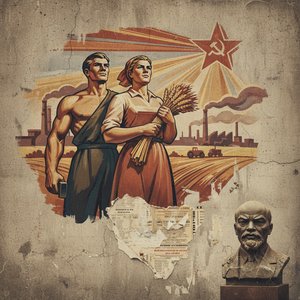
Socrealizm: Ideologia, Estetyka i Trwałe Dziedzictwo Sztuki Radzieckiej
Poznaj historię socrealizmu – od ideologicznych podstaw i estetyki, po wpływ na sztukę PRL i współczesną kulturę. Analiza dzieł, artystów i trwałe dziedzictwo tego nurtu.
Realism in Art: A Professional Guide to Authentic Detail and Lifelike Masterpieces for Large-Scale Interior Projects
Master the use of Realism in professional interiors. This expert guide explores 19th-century masterpieces, offering procurement managers and designers technical insights into selecting authentic, hand-painted oil reproductions for high-end hotel and corporate projects.

Crimson Threads of Narrative: Exploring Symbolism & Representation in Artworks Featuring the Red Dress
Explore the rich symbolism of the red dress in art history! From ancient power displays to iconic portraits like Cézanne’s 'Madame Cezanne', discover the cultural and artistic significance behind this captivating color. Expert analysis & insights.
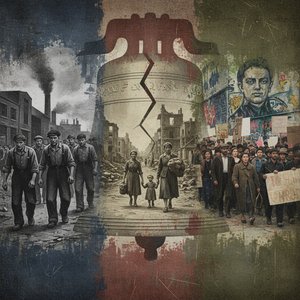
Realizm socjalistyczny: Dziedzictwo ideologii w sztuce i jego wpływ na współczesność
Poznaj historię i estetykę realizmu socjalistycznego – od rosyjskich początków po wpływ na sztukę współczesną. Analiza ideologii, propagandy i kluczowych dzieł. Ekspercka wiedza o sztuce bloku wschodniego.