

 Zobacz w skali 1:1
 Wyślij
 Udostępnij
 Szczegóły
 Przewodnik

 Pobierz plik obrazu
 Podobne obiekty
 RTG
RTG Pokaz slajdów
 Statystyki
Portret


 Czytaj więcej
Ręcznie malowana reprodukcja olejowa
Ręcznie malowany obraz olejny na płótnie, wykonany na zamówienie przez naszych artystów w wybranym przez Ciebie wymiarze i oprawie. ( Przełącz na wersję drukowaną Przełącz na wersję cyfrową)




P118B $10

P118H $10

P118W $10

P438Z $10

P508JH $12

P508YH $12

P805H $10

P805Z $10

P919BZ $10

P919G $10

P919XJ $10

P959ZH $10

P968JZ $12

W106C $8

W218G $10

W218JH $8

W218Y $10

W307PJ $10

W316G $10

W316PJ $8

W316Y $10

W398PJ $8

W4111J $10

W500HY $15

W500JH $15

W692G $12

W849H $8

W940BG $15

W953PJ $8




Wybierz spośród naszych standardowych rozmiarów, które zachowują oryginalne proporcje dzieła sztuki.

Możesz wprowadzić własne wymiary, aby dopasować obraz do konkretnej ramy lub przestrzeni. Jeśli wybrany rozmiar nie będzie odpowiadał proporcjom oryginału, przytniecie dzieło sztuki lub rozszerzymy je o dodatkowe elementy, ręcznie domalowane przez artystę. Przed rozpoczęciem produkcji wyślemy projekt cyfrowy do Twojej akceptacji.
Należy pamiętać, że podgląd na ekranie nie odzwierciedla rzeczywistego przycinania ani rozszerzania obrazu. Tylko projekt dokładnie pokaże ostateczną kompozycję.
Choć oferujemy możliwość zamówienia niestandardowych rozmiarów, zalecamy wybór wymiaru z gotowej listy, aby zachować oryginalne proporcje dzieła.
Po złożeniu zamówienia zespół OriginalUniqueArt.com skontaktuje się z klientem drogą mailową w celu uzyskania instrukcji i prześle wizualizację projektu
Dostawa na całym świecie () w ciągu 3–4 tygodni zamiast standardowych 5 tygodni. (26 Wrzesień). Bez kompromisów w kwestii jakości.

Bezpłatna ekspresowa wysyłka na cały świat

Wysokiej jakości płótno lniane

Pełne ubezpieczenie transportowe

Gwarancja zwrotu należności celnych i podatków importowych

Gwarancja idealnego odwzorowania barw

100-dniowy okres na zwrot dzieła w przypadku wykrycia wad produkcyjnych

Gwarancja 100% zwrotu pieniędzy

Oferta przy zakupie wielu sztuk
 Opcja ze szkłem jest dostępna wyłącznie w rozmiarach poniżej 110 cm

Portret
Technika wykonania
Rozmiar reprodukcji
-


Suma do zapłaty
$ 300
Kohno Michisei’s Self-Portrait: A Window Into Taishō Japonism
The painting “Self-Portrait” by Kohno Michisei (1895–1950) stands as a remarkable testament to the confluence of Western artistic influences and deeply rooted Japanese traditions during the Taishō period (1912–1926). More than just a depiction of an individual, it embodies a broader exploration of identity—both personal and cultural—within a rapidly changing landscape. Exhibited at the Bunten 文展 in 1917, this piece garnered considerable acclaim for its masterful realism, reflecting the prevailing aesthetic sensibilities of the time and cementing Michisei’s position as a leading figure in Yōga (Western-style painting).- Subject Matter: The portrait presents Kohno Michisei himself—a young artist poised on the cusp of artistic maturity—seated calmly before a backdrop dominated by an expansive oak grove. This deliberate choice wasn’t merely decorative; it served as a symbolic reference to classical Western art, specifically Albrecht Dürer's iconic self-portrait from 1500, which Michisei meticulously studied during his formative years.
- Style & Technique: Michisei skillfully blended techniques honed in the studio with observations gleaned from the natural world. Employing oil paint on canvas—a technique favored by Western artists—he achieved an unprecedented level of detail and tonal gradation, capturing the subtle nuances of light and shadow with remarkable precision. The artist’s meticulous attention to texture—evident in the rendering of the oak leaves and robe—demonstrates a commitment to conveying both visual accuracy and emotional resonance.
- Historical Context: The Taishō period witnessed a fervent debate regarding Japan's artistic future. While the academy championed naturalism, younger artists like Michisei sought inspiration from European masters and embraced stylistic innovations that challenged established conventions. This willingness to experiment—coupled with his grounding in traditional Japanese aesthetics—characterized the broader Yōga movement and distinguishes Michisei’s oeuvre from its more conservative counterparts.
- Symbolism: Beyond its formal realism, *Self-Portrait* is laden with symbolic significance. The solitary oak grove represents resilience and permanence against the backdrop of a turbulent era. The artist's gaze—direct and unflinching—suggests introspection and an awareness of his own role as an innovator within Japanese art history. Furthermore, the inclusion of two clocks—one on the left shoulder and another on the right—adds a layer of complexity, hinting at themes of time, reflection, and perhaps even mortality.
- Emotional Impact: Michisei’s masterful execution transcends mere representation; it communicates an inner state of contemplation and quiet confidence. The painting's subdued palette—dominated by earthy tones—creates a sense of serenity and invites viewers to engage in a dialogue with the artist’s psyche. Ultimately, *Self-Portrait* remains a poignant reminder of Michisei’s artistic vision and his unwavering belief in the transformative power of art.
Biografia artysty
**early life and career**
kohno michisei, also known as kono petoru tsusei, was a renowned japanese painter, illustrator, and printmaker born in 1895 in japan. his work is characterized by its association with the yōga movement of the early 20th century, making him a representative figure of the taishō period in japanese art.**artistic style and influences**
kohno's artistic style was deeply influenced by western techniques, which he incorporated into his traditional japanese art. this blend of styles is reflective of the yōga movement, which sought to modernize japanese art while maintaining its cultural essence. his work often featured elements of the japonism art movement, a french term that refers to the popularity and influence of japanese art and design among western european artists in the nineteenth century.**notable works and techniques**
* **the ukiyo-e art movement**: kohno's work was also influenced by ukiyo-e, a genre of japanese art that flourished from the 17th through 19th centuries. this is evident in his use of woodblock prints and paintings depicting various subjects. * **one hundred famous views of edo**: inspired by the works of ando hiroshige, kohno's own landscapes series, though not as widely known, showcased his skill in capturing the essence of japanese scenery.**legacy and museum collections**
kohno michisei's work can be found in various museum collections, including the gulbenkian museum foundation in lisbon, portugal. this renowned art museum houses one of the world's most important private art collections, featuring works from ancient egypt to the early 20th century.- key dates: born in 1895, japan; passed away in 1950
- art movement: yōga movement, japonism art movement, ukiyo-e
- notable works: influenced by ando hiroshige's landscapes series
- museum collections: the gulbenkian museum foundation, lisbon, portugal
**conclusion**
kohno michisei's contribution to the yōga movement and his influence on japanese art are undeniable. his work, though lesser known compared to some of his contemporaries, remains a vital part of japan's artistic heritage. as an artist who bridged traditional and modern techniques, kohno michisei's legacy continues to inspire artists and art enthusiasts alike.
kohno michisei
1895 - 1950 , Japan
Najważniejsze informacje
- Artistic Movement Or Style: Yōga, Japonism
- Artists Or Movements Influenced By This Artist:
- Kishida Ryūsei
- Kokugakai
- Artists Who Influenced This Artist:
- Albrecht Dürer
- Michelangelo
- Date Of Birth: June 10, 1895
- Date Of Death: March 31, 1950
- Full Name: Kohno Michisei (Kono Petoru Tsusei)
- Nationality: Japanese
- Notable Artworks:
- Self-Portrait (1917)
- Adam and Eve painting
- Place Of Birth: Isezaki, Gunma Prefecture, Japan
Zobacz także powiązane artykuły

The Enduring Power of Painting: A Historical & Contemporary Exploration of Form and Emotion
Explore the rich history & enduring techniques of oil painting with OriginalUniqueArt. Discover masterpieces, learn about art collecting, and find authentic handmade reproductions crafted by skilled artists.

Trwała Spuścizna Malarstwa Olejnego: Technika, Historia i Współczesna Praktyka
Poznaj historię i techniki malarstwa olejnego. Poradniki dla artystów, informacje o konserwacji oraz możliwość zamówienia wysokiej jakości reprodukcji obrazów. Ekspercka wiedza i gwarancja trwałości dzieł sztuki.
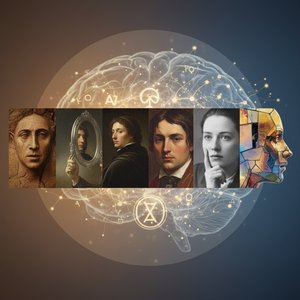
Reflecting the Self: A History of Portraiture & Psychological Insight
Explore the fascinating history of self-portraiture from Renaissance masters like Dürer & Rembrandt to modern interpretations. Discover the psychological insights and artistic techniques behind these iconic works. Expert analysis for art enthusiasts.

Trwała Spuścizna Malarstwa Olejnego: Technika, Historia i Estetyczny Wpływ
Poznaj historię i technikę malarstwa olejnego! Eksperckie artykuły o konserwacji, renowacji oraz współczesnych zastosowaniach. Dowiedz się więcej o mistrzach i trwałości obrazów olejnych.

Olej na płótnie: Historia, techniki i ponadczasowy urok malarskiego medium
Poznaj historię i techniki malarstwa olejowego! Od renesansowych mistrzów po współczesne zastosowania – wszystko o oleju na płótnie. Poradniki, konserwacja i inspiracje dla pasjonatów sztuki.
