
 Preview
 Zamów wydruk Kup cyfrowy obraz
 Udostępnij
 Udostępnij
 Szczegóły dzieła
 Dodaj do ulubionych

 Pobierz
 Podobne obiekty
 RTG
RTG
 Pokaz slajdów
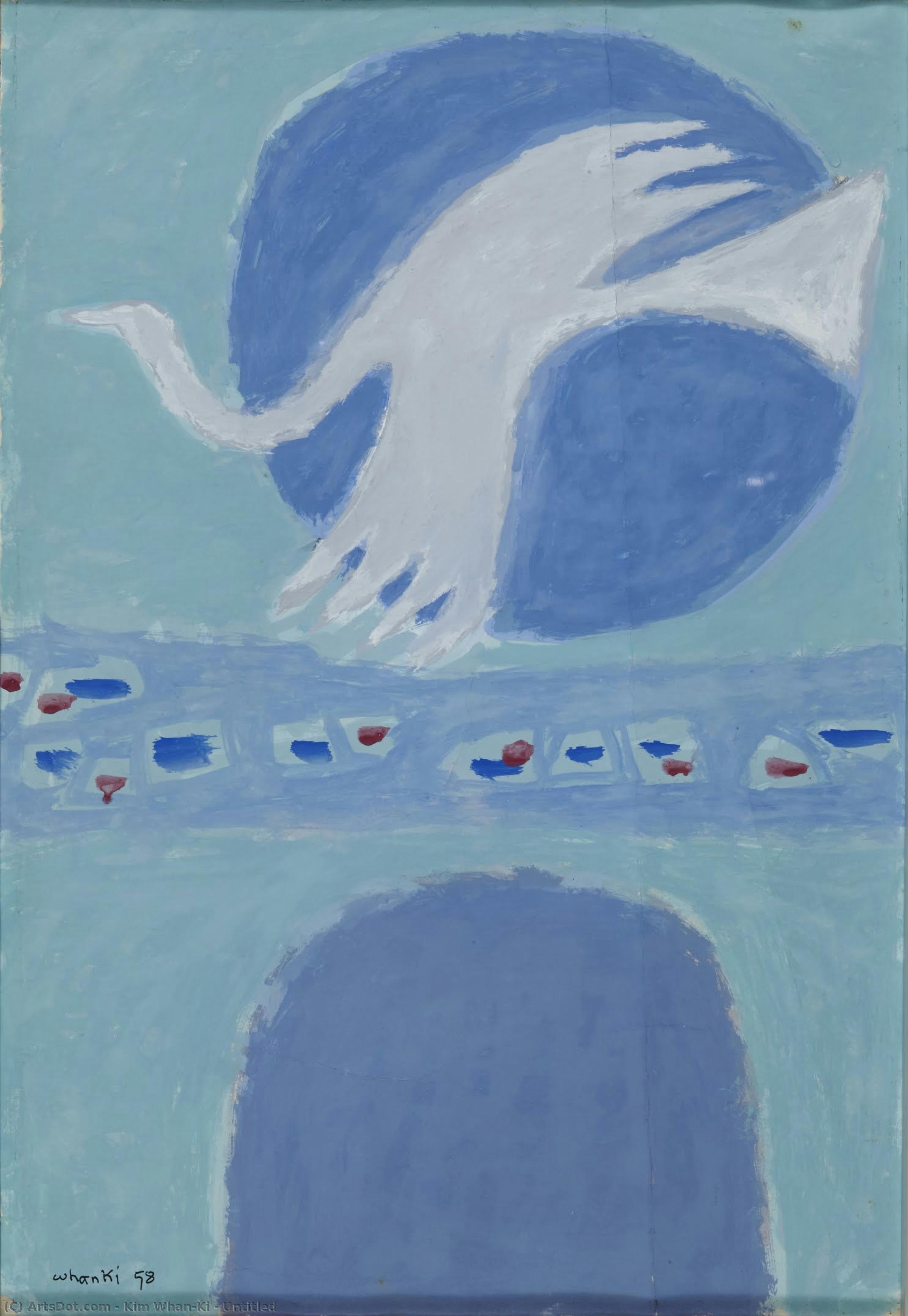
Untitled
 Abstract Art
 1958
1958- Modern
 42.0 x 28.0 cm
 Ewha Womans University Museum
 Rozwiń treść
Ręcznie malowana reprodukcja olejowa
Ręcznie malowany olej na płótnie w Twoim wymiarze i ramie, tworzony na zamówienie przez naszych artystów.




































Wybierz spośród naszych predefiniowanych rozmiarów, które zachowują oryginalne proporcje dzieła sztuki.

Możesz wprowadzić własne wymiary, aby dopasować obraz do konkretnej ramy lub przestrzeni. Jeśli wybrany rozmiar nie będzie odpowiadał proporcjom oryginału, przytniecie dzieło sztuki lub rozszerzymy je o dodatkowe elementy, ręcznie domalowane przez artystę. Przed rozpoczęciem produkcji wyślemy projekt cyfrowy do Twojej akceptacji.
Należy pamiętać, że podgląd na ekranie nie odzwierciedla rzeczywistego przycinania ani rozszerzania obrazu. Tylko projekt dokładnie pokaże ostateczną kompozycję.
Choć oferujemy możliwość zamówienia niestandardowych rozmiarów, zalecamy wybór wymiaru z gotowej listy, aby zachować oryginalne proporcje dzieła.
Po złożeniu zamówienia zespół OriginalUniqueArt.com skontaktuje się z klientem drogą mailową w celu uzyskania instrukcji i prześle wizualizację projektu
Dostawa na całym świecie () w ciągu 3/4 tygodni zamiast standardowych 5 tygodni. (26 Lipiec). Bez kompromisów w kwestii jakości.

Bezpłatna ekspresowa wysyłka na cały świat

Wysokiej jakości płótno lniane

Pełne ubezpieczenie przesyłki

Gwarancja zwrotu należności celnych

Gwarancja pełnego zgodności kolorystycznej

Polityka 60-dniowego zwrotu (tylko w przypadku wad)

Gwarancja 100% zwrotu pieniędzy

Zniżka przy większych zamówieniach
 Opcja szkła jest dostępna wyłącznie w rozmiarach poniżej 110 cm

Untitled
Technika reprodukcji
Wymiary reprodukcji
-


Cena całkowita
-
Opis dzieła
Biografia artysty
Henri Matisse: A Life Painted in Color and Light
Born Henri Émile Benoît Matisse on December 31, 1869, in Cateau-Béart, Northern France, Matisse’s journey to becoming one of the most influential figures in modern art was marked by a relentless pursuit of beauty, color, and form. His early life, shaped by a modest upbringing and a keen interest in drawing from a young age, laid the foundation for a career that would revolutionize painting and profoundly impact generations of artists. Matisse’s artistic development wasn't immediately defined; he initially studied law at the École Supérieure des Beaux-Arts de Nancy, but quickly abandoned his legal aspirations to pursue his passion for art.
His formative years were spent in Paris, where he immersed himself in the vibrant artistic scene of the late 19th century. He encountered and was influenced by Impressionism and Post-Impressionism, particularly the bold color palettes and expressive brushwork of artists like Paul Gauguin and Vincent van Gogh. This exposure proved pivotal, shaping his own distinctive style – a synthesis of observation and imagination that prioritized emotional impact over strict representation.
The Fauvist Period: A Burst of Color
Around 1905, Matisse emerged as a leading figure in the Fauvist movement, a short-lived but intensely influential artistic rebellion. The term “Fauves,” meaning “wild beasts” in French, was initially applied derisively to this group of artists by critics who were shocked by their use of jarring, non-naturalistic colors – vibrant reds, yellows, blues, and greens – applied with loose, arbitrary brushstrokes. Matisse’s paintings from this period, such as *Woman with a Hat* (1905) and *The Joy of Life* (1906), exemplify the Fauvist aesthetic: simplified forms, flattened perspectives, and an almost hallucinatory intensity of color designed to evoke emotion rather than depict reality.
However, Matisse quickly moved beyond the strict tenets of Fauvism. He began experimenting with new techniques and approaches, gradually refining his style while retaining the core principles of color and expressive brushwork. He sought a balance between formal structure and emotional intensity, moving towards a more controlled and harmonious use of color.
Mature Style: Harmony, Rhythm, and Decorative Abstraction
Following World War I, Matisse’s artistic vision underwent a significant transformation. He developed a distinctive mature style characterized by a remarkable sense of harmony, rhythm, and decorative abstraction. He moved away from the overtly expressive colors of his Fauvist period, employing a more restrained palette – primarily blues, reds, and yellows – to create compositions that were both visually engaging and deeply contemplative. Works like *Blue Nude* (1908) and *The Red Studio* (1911) demonstrate this shift towards a more balanced and sophisticated aesthetic.
During the 1920s, Matisse explored the possibilities of paper cutouts – intricate designs created by removing sections from colored paper. These works, often imbued with a sense of playful spontaneity, showcased his mastery of composition and color while also revealing a new dimension to his artistic practice. He continued to work in painting throughout this period, producing iconic images like *Dance* (1910) and *Music* (1910), which capture the essence of movement and emotion with remarkable grace.
Legacy and Influence
Henri Matisse died on November 3, 1954, leaving behind a vast and influential body of work. His innovative use of color, his exploration of form and composition, and his unwavering commitment to artistic expression have had a profound impact on the development of modern art. He influenced countless artists across various disciplines – painting, sculpture, printmaking, and design – and continues to inspire generations with his vibrant vision and enduring legacy.
Matisse’s work is celebrated in major museums worldwide, including the Musée d'Orsay in Paris, the MoMA in New York, and the Tate Modern in London. His paintings are not merely representations of reality but windows into a world of color, emotion, and beauty – a testament to the power of art to transform our perception and enrich our lives.

kim whan-ki
1913 - 1974 , South Korea
Kluczowe informacje
- Artistic Movement Or Style: Fauvism, Modernism
- Artists Or Movements Influenced By This Artist:
- Pablo Picasso
- Fauvism
- Artists Who Influenced This Artist:
- Paul Gauguin
- Vincent van Gogh
- Date Of Birth: December 31, 1869
- Date Of Death: November 3, 1954
- Full Name: Henri Matisse
- Nationality: French
- Notable Artworks:
- Woman with a Hat
- The Joy of Life
- Blue Nude (Souvenir de Biskra)
- Dance
- Red Studio
- Place Of Birth: Paris, France
Powiązane artykuły

Top 10 Sławnych Obrazów w Odcieniach Szaroniebieskiego – Inspiracje dla Wnętrz | OriginalUniqueArt.com
Odkryj 10 najsłynniejszych obrazów w odcieniach szaroniebieskiego! Poznaj historie Claude Moneta, Degasa i Van Gogha. Inspiracje wnętrzarskie i reprodukcje najwyższej jakości na OriginalUniqueArt.com – sztuka dla Twojego domu.

25 Arcydzieł Kandinskiego: Kolor, Duchowość i Abstrakcja w Twoim Domu | OriginalUniqueArt.com
Odkryj 25 arcydzieł Wassily Kandinskiego – pioniera abstrakcji i ekspresjonizmu! Poznaj historie, techniki i emocje kryjące się za jego kolorowymi kompozycjami. Reprodukcje obrazów najwyższej jakości na OriginalUniqueArt.com. Eksploruj pełną kolekcję online!

Top 10 arcydzieł ekspresjonizmu abstrakcyjnego – inspiracje dla Twojego wnętrza | OriginalUniqueArt.com
Odkryj 10 arcydzieł ekspresjonizmu abstrakcyjnego – Pollock, Rothko, de Kooning i inni. Poznaj historie artystów, techniki i inspiracje dla Twojego wnętrza. Reprodukcje najwyższej jakości na OriginalUniqueArt.com!

Geometria Sztuki: 10 Arcydzieł Abstrakcji Geometrycznej | OriginalUniqueArt.com
Odkryj 10 arcydzieł abstrakcji geometrycznej! Poznaj historię Mondriana, Kandinskiego i Maleвича. Inspiracje wnętrzarskie z malarstwem abstrakcyjnym – reprodukcje najwyższej jakości na OriginalUniqueArt.com. Eksploruj kolekcję online!
Błękit w Sztuce: Symbolika, Historia i Psychologiczne Oddziaływanie Koloru
Odkryj fascynującą historię błękitu w sztuce! Poznaj symbolikę, psychologię i wpływ tego koloru na arcydzieła renesansu i współczesne trendy. Ekspercka analiza dla miłośników sztuki.

