
 Podgląd w skali
 Wyślij jako kartkę
 Udostępnij
 Szczegóły dzieła

 Pobierz
 Podobne obiekty
 RTG
RTG Pokaz slajdów
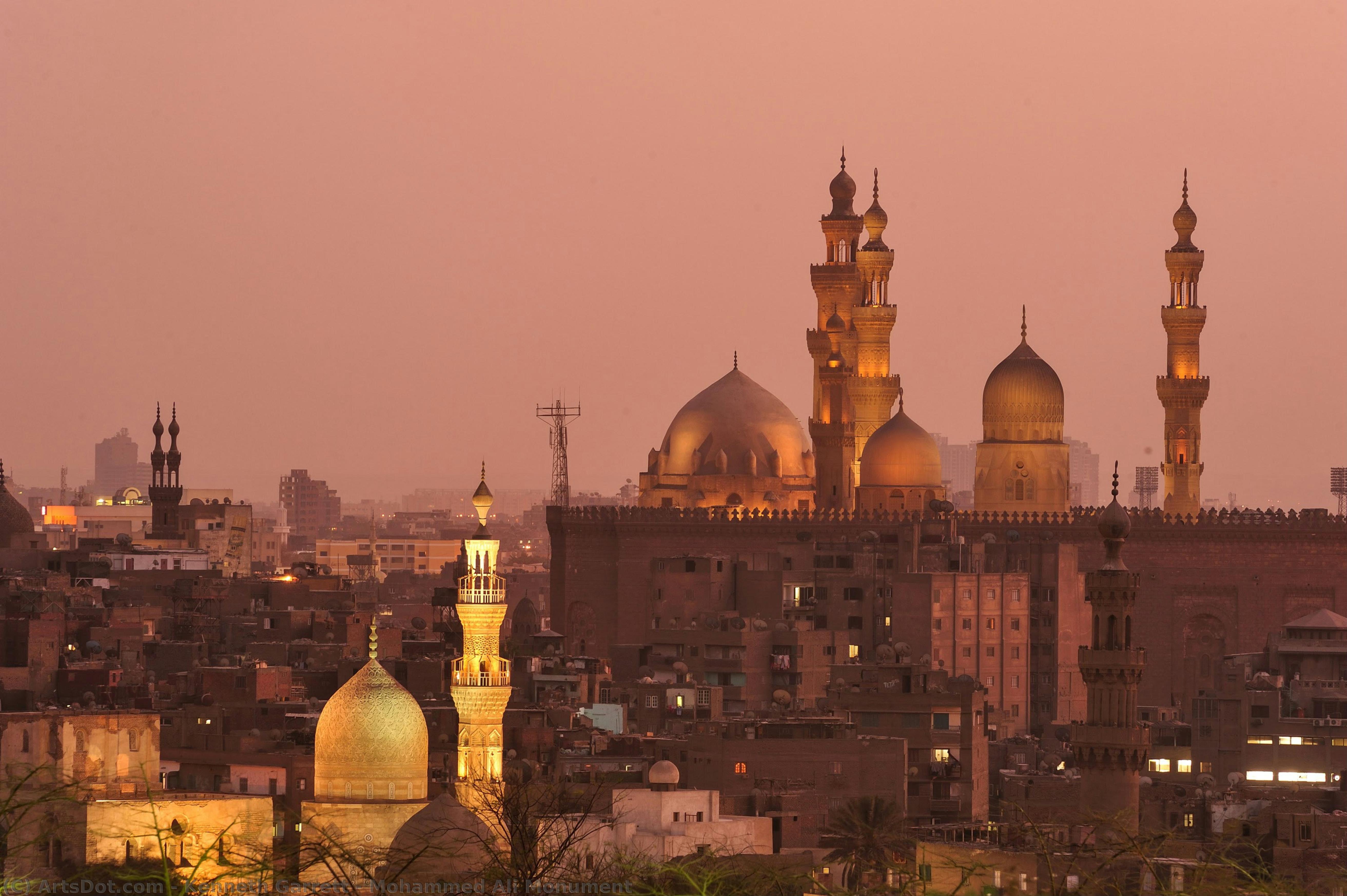
Mohammed Ali Monument


 Rozwiń treść
Ręcznie malowana reprodukcja olejowa
Ręcznie malowany obraz olejny na płótnie, wykonany na zamówienie przez naszych artystów w wybranym przez Ciebie wymiarze i oprawie. ( Zamów wydruk Kup obraz wysokiej rozdzielczości)




































Wybierz spośród naszych standardowych rozmiarów, które zachowują oryginalne proporcje dzieła sztuki.

Możesz wprowadzić własne wymiary, aby dopasować obraz do konkretnej ramy lub przestrzeni. Jeśli wybrany rozmiar nie będzie odpowiadał proporcjom oryginału, przytniecie dzieło sztuki lub rozszerzymy je o dodatkowe elementy, ręcznie domalowane przez artystę. Przed rozpoczęciem produkcji wyślemy projekt cyfrowy do Twojej akceptacji.
Należy pamiętać, że podgląd na ekranie nie odzwierciedla rzeczywistego przycinania ani rozszerzania obrazu. Tylko projekt dokładnie pokaże ostateczną kompozycję.
Choć oferujemy możliwość zamówienia niestandardowych rozmiarów, zalecamy wybór wymiaru z gotowej listy, aby zachować oryginalne proporcje dzieła.
Po złożeniu zamówienia zespół OriginalUniqueArt.com skontaktuje się z klientem drogą mailową w celu uzyskania instrukcji i prześle wizualizację projektu
Dostawa na całym świecie () w ciągu 3–4 tygodni zamiast standardowych 5 tygodni. (14 Sierpień). Bez kompromisów w kwestii jakości.

Bezpłatna ekspresowa wysyłka na cały świat

Wysokiej jakości płótno lniane

Pełne ubezpieczenie przesyłki

Gwarancja zwrotu należności celnych i podatków importowych

Gwarancja wiernego odwzorowania kolorów

Polityka 60-dniowego zwrotu (tylko w przypadku wad)

Gwarancja 100% zwrotu kosztów

Zniżka przy zamówieniu wielu produktów
 Opcja ze szkłem jest dostępna wyłącznie w rozmiarach poniżej 110 cm

Mohammed Ali Monument
Technika reprodukcji
Wymiary reprodukcji
-


Cena całkowita
$ 300
O artyście
The Visionary Lens of Kenneth Garrett
In the intersection of scientific rigor and profound artistic expression lies the work of Kenneth Garrett, a photographer whose lens serves as a bridge between the modern world and the echoes of antiquity. Born in Columbia, Missouri, in 1953, Garrett’s early life was defined by a dual fascination with the mechanics of visual storytelling and the mysteries of scientific inquiry. This unique foundation allowed him to develop a perspective that transcends mere documentation; he does not simply photograph what remains of the past, but rather seeks to breathe life into the silent stones and weathered artifacts of lost civilizations. His journey is one of meticulous observation, where every shadow and texture is treated as a vital piece of a much larger historical puzzle.
Garrett’s artistic evolution was deeply shaped by his immersion in the landscapes of global antiquity. Driven by an insatiable curiosity, he undertook extensive expeditions to the heart of ancient worlds, most notably within the sun-drenched terrains of Egypt and the dense, storied jungles of Mexico. These travels were more than mere sightseeing; they were profound periods of study that allowed him to witness active excavations and engage with the very soil where history was being unearthed. It was through these experiences that his style matured, moving away from the superficial spectacle often found in travel photography toward a deeply disciplined approach focused on the tangible realities of bygone eras.
Technical Mastery and Narrative Depth
What distinguishes Garrett’s work within the realm of documentary photography is his sophisticated use of light and technology to reveal the unseen. He possesses a rare ability to manipulate illumination, frequently employing High Dynamic Range (HDR) techniques to pull detail from the deepest crevices of archaeological finds. By balancing extreme highlights and subtle shadows, he illuminates textures and contours that would otherwise escape the naked eye, allowing viewers to appreciate the intricate carvings of Mayan reliefs or the weathered grain of Egyptian limestone with startling clarity. His images are characterized by a deliberate blend of technical precision and an almost poetic sensitivity to form.
The significance of his work is perhaps best measured by its impact on the global scientific community and the public consciousness. Through his collaborations with prestigious institutions, Garrett has elevated archaeological research into a compelling visual narrative that resonates far beyond academic circles:
- National Geographic: His publication of over seventy photographs in this legendary magazine has brought the wonders of paleontology and archaeology to millions, fostering a global sense of awe for our planet's history.
- The Smithsonian Institution: His imagery has been featured by the Smithsonian, contributing to the preservation and dissemination of cultural heritage through powerful visual storytelling.
- Scientific Documentation: Beyond the aesthetic, his work serves as a vital record of archaeological sites, capturing the essence of artifacts and environments during critical moments of discovery.
A Legacy of Preserving the Past
Ultimately, the work of Kenneth Garrett is an act of preservation. In an era where much of our global heritage is threatened by time and environmental change, his photographic archive stands as a testament to the enduring majesty of human achievement. He does not merely capture images; he creates windows into the past, inviting the viewer to contemplate the rise and fall of empires and the geological wonders that shaped our world. Through his mastery of light and his unwavering commitment to historical truth, Garrett ensures that the stories etched in stone and bone are never truly lost, but continue to inspire wonder for generations to come.

Kenneth Garrett
1953 - , United States of America
Krótka nota
- Artistic Movement Or Style: Archaeology photography
- Artists Or Movements Influenced By This Artist: ['National Geographic']
- Date Of Birth: 1953
- Full Name: Kenneth Garrett
- Nationality: American
- Notable Artworks: ['Kom El Dikka Amphitheatre']
- Place Of Birth: Columbia, United States

