Pop Art · 1988
Monkey Puzzle (Keith Haring, 1988)
Keith Haring (1958–1990) stworzył Monkey Puzzle. Dzieło pochodzi z 1988. Należy do nurtu Pop Art. Wykonano w technice Acrylic On Canvas.
- 1988
- Acrylic On Canvas

 Podgląd w skali 1:1

 Ręcznie malowany obraz olejny
 Wyślij jako kartkę
 Udostępnij
 Karta informacyjna


 Pobierz obraz
 Podobne obiekty
 RTG
 Pokaz slajdów
 Pytania i odpowiedzi

 Statystyki
Monkey Puzzle w skrócie
- Tytuł
- Monkey Puzzle
- Artysta
- Keith Haring (1958–1990)
- Miejsce urodzenia artysty
- Reading, Stany Zjednoczone
- Data powstania
- 1988
- Technika wykonania
- Acrylic On Canvas
- Ruch
- Pop Art
- Epoka
- Contemporary
- Temat
- puzzle, figures, chaos, joy, energy, interlocking
Co przedstawia Monkey Puzzle?
A Burst of Joyful Chaos: Deconstructing Keith Haring’s “Monkey Puzzle”
Keith Haring's "Monkey Puzzle," painted in 1988, isn’t merely a depiction of a monkey puzzle tree; it’s an explosion of energy, a vibrant collision of figures and lines that encapsulates the spirit of 1980s New York City. Emerging from the gritty streets and burgeoning art scene of the era, Haring masterfully blended graffiti aesthetics with Pop Art sensibilities, creating a work brimming with playful chaos and profound social commentary. The piece immediately draws the eye into its circular composition – a contained universe of interlocking shapes and figures rendered in an astonishingly bright palette. Black serves as a dramatic backdrop, amplifying the intensity of reds, yellows, blues, greens, purples, oranges, pinks, and whites that dominate the scene. Thick, black outlines define each element, creating a sense of separation while simultaneously contributing to the overall feeling of movement and density—it’s as if the entire composition is perpetually in motion.The Language of Line and Form
Haring's signature style hinges on bold lines and simplified forms, a technique he honed during his early days sketching in the New York City subway system. “Monkey Puzzle” exemplifies this perfectly; figures are rendered with minimal detail, almost cartoonish in their simplicity, yet brimming with life. These aren’t realistic representations but rather stylized embodiments of human interaction – dancing, reaching, and seemingly engaged in a spontaneous celebration. The overlapping shapes create an illusion of depth, though it's deliberately flattened, mirroring the energy of street art and graffiti culture from which Haring drew inspiration. Notice how the lines themselves aren’t static; they curve, loop, and intersect with a dynamic fluidity, reinforcing the sense of movement that permeates the entire artwork. This deliberate use of line isn’t just about outlining forms; it's about creating rhythm and visual excitement – a testament to Haring’s understanding of how line can convey emotion and energy.Decoding the Symbolism: Community and Connection
Beyond its immediate visual appeal, “Monkey Puzzle” is rich in symbolic meaning. The interlocking figures represent relationships, connections, and the complexities of human interaction—a core theme in Haring's work. The recurring "Radiant Baby" motif, often seen throughout his oeuvre, appears subtly within the composition, radiating a sense of hope and vitality. The monkey puzzle tree itself – with its distinctive spiky foliage – can be interpreted as a symbol of interconnectedness, mirroring the way the figures are intertwined within the circular frame. Haring frequently used his art to address social issues, and “Monkey Puzzle” isn’t an exception. The vibrant colors and energetic composition evoke feelings of joy, spontaneity, and celebration—a deliberate counterpoint to the anxieties and challenges of the time. The work subtly nods towards themes of community and shared experience, reflecting Haring's belief in art as a tool for social change.A Glimpse into the Artist’s Process
Created primarily with acrylic paint on canvas, “Monkey Puzzle” showcases Haring’s distinctive technique – applying thick lines and blocks of color with seemingly spontaneous energy. The work feels immediate and unrefined, mirroring the immediacy of street art. The lack of traditional perspective contributes to this sense of spontaneity, creating a flattened, almost tactile surface. While appearing flat at first glance, the density of the design and the varied textures created by the thick lines generate a surprising visual richness. It’s important to note that Haring's work was often produced in collaboration with others, particularly during his public art installations, suggesting an element of collective creation within each piece. The choice of acrylic paint allowed for vibrant colors and bold strokes, perfectly capturing the energetic spirit of the artwork.Bringing “Monkey Puzzle” Home: A Reproduction Worth Cherishing
OriginalUniqueArt offers meticulously crafted hand-painted reproductions of Keith Haring’s "Monkey Puzzle," allowing you to experience the full impact of this iconic work in your own space. Our skilled artists faithfully recreate Haring's signature style, capturing the vibrancy of color and the dynamic energy of the original. Whether adorning a living room wall or adding a splash of joyful chaos to an office, “Monkey Puzzle” is more than just a reproduction; it’s a vibrant reminder of Haring’s enduring legacy – a testament to the power of art to inspire, provoke, and connect us all. Explore our selection of sizes and canvas options today and bring this extraordinary piece into your world.Zdjęcia w wysokiej rozdzielczości dzieła Monkey Puzzle
Chronione prawem autorskim: pliki te służą wyłącznie do osobistego wglądu i nie stanowią licencji na ich powielanie.
Keith Haring, Monkey Puzzle (1988).
Odpowiedzi na pytania dotyczące Monkey Puzzle
W którym roku powstało „Monkey Puzzle” – Keith Haring?
"Monkey Puzzle" powstało w 1988 roku. Data ta pozwala umiejscowić dzieło w kontekście twórczości Keith Haring oraz epoki, w której powstało.
W jakiej technice wykonano „Monkey Puzzle” – Keith Haring?
Keith Haring wykorzystał/a technikę Acrylic On Canvas w pracy „Monkey Puzzle”. Technika ta definiuje materię oryginalnego dzieła.
Co przedstawia „Monkey Puzzle” – Keith Haring?
Tematyka obecna w „Monkey Puzzle” – Keith Haring obejmuje puzzle, figures, chaos, joy, energy, interlocking, vibrant, haring. Razem stanowią one podsumowanie tematyki dzieła.
Czy dzieło "Monkey Puzzle" znajduje się w domenie publicznej?
„Monkey Puzzle” – Keith Haring znajduje się w domenie publicznej (nadal objęte ochroną prawa autorskiego). Status ten określa zasady reprodukcji obrazu tego dzieła.
Któremu artyście przypisuje się "Monkey Puzzle"?
„Monkey Puzzle” zostało stworzone przez Keith Haring. Informacje na tej stronie dotyczą oryginalnego dzieła autorstwa Keith Haring.
Do jakiego nurtu w sztuce należy „Monkey Puzzle” – Keith Haring?
„Monkey Puzzle” to dzieło należące do nurtu Pop Art. Nurt ten określa tradycję artystyczną, w której osadzone jest dzieło.
Do którego okresu twórczości Keith Haring należy dzieło „Monkey Puzzle”?
"Monkey Puzzle" reprezentuje 1980s NYC twórczości Keith Haring.
W jakim wieku Keith Haring stworzył(a) "Monkey Puzzle"?
Gdy w 1988 roku powstało dzieło „Monkey Puzzle”, Keith Haring – urodzony/a w 1958 – miał/a 30 lat.
Co wyjaśnia sytuację prawną dotyczącą praw autorskich do „Monkey Puzzle” – Keith Haring?
Dzieło "Monkey Puzzle" autorstwa Keith Haring znajduje się w nadal objęte ochroną prawa autorskiego. Okres ochrony praw autorskich liczony jest od daty śmierci artysty, a Keith Haring zmarł(a) w 1990.
O artyście: Keith Haring

1958–1990, Stany Zjednoczone
Keith Haring
Radiantne Dziedzictwo: Życie i Sztuka Keitha Haringa Keith Allen Haring, imię nierozerwalnie związane z pulsującym życiem Nowego Jorku lat 80., był czymś więcej niż tylko artystą – stanowił fenomen kulturowy. Urodzony 4 maja 1958 roku w Reading w Pensylwanii, jego artystyczna podróż nie rozpoczęła się w formalnych ramach akademickiego szkolenia, lecz pośród beztroskich krajobrazów dziecięcej wyobraźni. Na jego wczesną twórczość wpłynęły fantazyjne kreskówki Walta Disneya i Dr. Seussa obok klasycznych komiksów Charlesa Schulza; młody Keith rozwinął wyczucie wizualnego opowiadania historii.
Inne prace Keith Haring
 Montreux
 Untitled (235) – Nieznana wartość
 Ołtarz: Życie Chrystusa1990
 Andy Mouse1986
Eseje o Monkey Puzzle
 French artworks of the 1950sIconic French works by Matisse, Braque, and Dubuffet define this era. Explore the full collection online at OriginalUniqueArt.com.
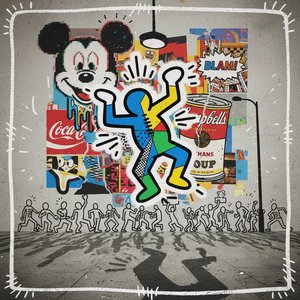 Keith Haring: Subverting Pop Culture – An Examination of Social Commentary & Artistic InnovationExplore the revolutionary art of Keith Haring – a powerful blend of pop aesthetics & social activism. Discover his iconic works, influences…
 American artworks of the 1990sIconic 1990s American art by Roy Lichtenstein and Keith Haring. Explore museum-quality reproductions on OriginalUniqueArt.com.