Pop Art · 1990
Ikony (Keith Haring, 1990)
Keith Haring (1958–1990) stworzył Ikony. Dzieło pochodzi z 1990. Należy do nurtu Pop Art. Wykonano w technice Akryl na płótnie. Przechowywane jest w Nakamura Keith Haring Collection w Hōkuto, Japonia.
- 1990
- Akryl na płótnie
- Nakamura Keith Haring Collection, Hōkuto

 Podgląd w skali 1:1

 Ręcznie malowany obraz olejny
 Wyślij jako kartkę
 Udostępnij
 Karta informacyjna


 Pobierz obraz
 Podobne obiekty
 RTG
 Pokaz slajdów
 Pytania i odpowiedzi

 Statystyki
Ikony w skrócie
- Tytuł
- Ikony
- Artysta
- Keith Haring (1958–1990)
- Miejsce urodzenia artysty
- Reading, Stany Zjednoczone
- Data powstania
- 1990
- Technika wykonania
- Akryl na płótnie
- Gdzie można je zobaczyć
- Nakamura Keith Haring Collection, Hōkuto, Japonia
- Ruch
- Pop Art
- Temat
- urban art, symbolism, childhood, energy, neon colors, graffiti
Co przedstawia Ikony?
Keith Haring: Icons – A Legacy of Vibrant Symbolism
Keith Haring’s “Icons” series stands as a testament to his singular artistic vision—a bold confrontation with popular culture and a profound exploration of human connection, rendered in the unmistakable language of line and color. Published in 1990, coinciding with Haring’s untimely passing, this suite of five lithographs captures the essence of his distinctive style: simplified figures brimming with energy against starkly contrasting backgrounds—a deliberate echo of the graffiti culture that birthed his groundbreaking career. The series isn't merely decorative; it’s a carefully constructed dialogue between art and social commentary, reflecting Haring’s unwavering commitment to addressing pressing issues like AIDS awareness and LGBTQ+ rights.- The Context: Haring emerged from New York City’s vibrant graffiti scene in the late 1970s and early 1980s, where he honed his artistic skills alongside fellow artists like Jean-Michel Basquiat and Andy Warhol. His work quickly gained recognition for its playful use of imagery and its subversive critique of societal norms.
- Style & Technique: The “Icons” prints exemplify Haring’s signature aesthetic—characterized by thick black outlines defining stylized humanoid figures against fields of vibrant red and yellow. This technique, honed during his subway explorations, prioritizes immediacy and visual impact, mirroring the energy of street art itself.
Symbolism Within the Icons
Each print embodies a carefully chosen symbol from Haring’s artistic lexicon—a deliberate nod to his influence by Walt Disney and Dr. Seuss. The Radiant Baby, arguably Haring's most iconic image, symbolizes youthful innocence, purity, goodness, and potential—a poignant reflection of Haring’s own optimistic worldview. Similarly, the Angel represents spiritual guardianship and confronts the complexities of life with a radiant halo. The Dog embodies action and suspicion, while the Winged Man speaks to mystery and death through the prominent cross motif. Finally, the Smiley Face – despite Haring's assertion that “there is no particular meaning”—captures cosmic energy and reflects Haring’s fascination with exploring the unknown.- The Radiant Baby: Representing purity and innocence, this figure embodies Haring’s belief in the transformative power of optimism.
- The Angel: Confronting existential questions, the angel symbolizes spiritual guardianship and speaks to the profound mysteries of life.
A Bold Reflection on Popular Culture
“Icons” isn't simply an artistic statement; it’s a deliberate engagement with the visual language of advertising—flattened colors and bold outlines mirroring the aesthetic conventions of commercial art. Haring consciously juxtaposes these elements to critique consumerism and mass production, aligning his work with the broader Pop Art movement and its exploration of everyday life. The series' enduring appeal lies in its ability to communicate complex ideas through simple forms—a testament to Haring’s genius for distilling profound themes into accessible imagery.- Influence: Haring drew inspiration from artists like Andy Warhol and Walt Disney, blending playful iconography with social activism.
Conclusion: An Enduring Legacy
Keith Haring's “Icons” remains a powerful emblem of his artistic legacy—a vibrant celebration of human connection and a courageous challenge to societal conventions. Its enduring presence in the art world underscores Haring’s ability to transform visual language into a vehicle for social commentary, cementing his place as one of the most influential artists of the 1980s and beyond. Reproductions of this iconic series continue to inspire collectors and interior designers alike—a testament to Haring's timeless vision.W którym muzeum znajduje się Ikony?
Nakamura Keith Haring Collection
Hōkuto, Japonia
Sanktuarium Promiennych Linii: Kolekcja Nakamura Keith Haring W samym sercu zapierających dech w piersiach gór Yatsugatake, w japońskim Hōkuto, kryje się cel absolutnie wyjątkowy dla pasjonatów sztuki i wielbicieli pełnej witalności ekspresji: Kolekcja Nakamura Keith Haring. To coś znacznie więcej niż zwykłe muzeum; to imersyjne doświadczenie – pielgrzymka do samego serca niezwykłej wizji jednego człowieka. Założona przez Kazuo Nakamurę, namiętnego kolekcjonera, który po raz pierwszy zetknął się z twórczością Haringa w Nowym Jorku w 1987 roku, ta prywatna instytucja pieczołowicie zgromadziła kolekcję liczącą ponad 300 dzieł.
Zdjęcia w wysokiej rozdzielczości dzieła Ikony

Chronione prawem autorskim: pliki te służą wyłącznie do osobistego wglądu i nie stanowią licencji na ich powielanie.
Keith Haring, Ikony (1990), Nakamura Keith Haring Collection.
Odpowiedzi na pytania dotyczące Ikony
Gdzie można obecnie zobaczyć dzieło „Ikony” – Keith Haring?
„Ikony” – Keith Haring znajduje się w zbiorach Nakamura Keith Haring Collection, Hōkuto, Japonia. Informacja o muzeum dotyczy oryginału, a nie reprodukcji.
W którym roku powstało „Ikony” – Keith Haring?
"Ikony" powstało w 1990 roku. Data ta pozwala umiejscowić dzieło w kontekście twórczości Keith Haring oraz epoki, w której powstało.
W jakiej technice wykonano „Ikony” – Keith Haring?
„Ikony” wykonano w technice Akryl na płótnie.
Co przedstawia „Ikony” – Keith Haring?
Tematyka obecna w „Ikony” – Keith Haring obejmuje urban art, symbolism, childhood, energy, neon colors, graffiti, american artist. Razem stanowią one podsumowanie tematyki dzieła.
Czy dzieło "Ikony" znajduje się w domenie publicznej?
„Ikony” – Keith Haring znajduje się w domenie publicznej (nadal objęte ochroną prawa autorskiego). Status ten określa zasady reprodukcji obrazu tego dzieła.
Kto stworzył "Ikony"?
Autorstwo dzieła "Ikony" przypisuje się Keith Haring.
Do jakiego nurtu należy "Ikony"?
„Ikony” to dzieło należące do nurtu Pop Art. Nurt ten określa tradycję artystyczną, w której osadzone jest dzieło.
Do którego okresu twórczości Keith Haring należy dzieło „Ikony”?
„Ikony” pochodzi z okresu Mature Period w twórczości Keith Haring. Klasyfikacja ta wiąże dzieło z rozwojem artysty.
Ile lat miał(a) Keith Haring, tworząc "Ikony" w 1990 roku?
Gdy w 1990 roku powstało dzieło „Ikony”, Keith Haring – urodzony/a w 1958 – miał/a 32 lat.
O artyście: Keith Haring

1958–1990, Stany Zjednoczone
Keith Haring
Radiantne Dziedzictwo: Życie i Sztuka Keitha Haringa Keith Allen Haring, imię nierozerwalnie związane z pulsującym życiem Nowego Jorku lat 80., był czymś więcej niż tylko artystą – stanowił fenomen kulturowy. Urodzony 4 maja 1958 roku w Reading w Pensylwanii, jego artystyczna podróż nie rozpoczęła się w formalnych ramach akademickiego szkolenia, lecz pośród beztroskich krajobrazów dziecięcej wyobraźni. Na jego wczesną twórczość wpłynęły fantazyjne kreskówki Walta Disneya i Dr. Seussa obok klasycznych komiksów Charlesa Schulza; młody Keith rozwinął wyczucie wizualnego opowiadania historii.
Inne prace Keith Haring
 Montreux
 Untitled (235) – Nieznana wartość
 Ołtarz: Życie Chrystusa1990
 Andy Mouse1986
Eseje o Ikony
 Niebiańscy Posłańcy w Sztuce: Ewolucja Symboliki i Emocjonalnego Oddziaływania Anielskich Reprezentacji na Przez WiekiOdkryj fascynującą historię aniołów w sztuce! Analizujemy ewolucję ikonografii, symbolikę i emocjonalny wpływ anielskich reprezentacji od s…
 Pop Culture Meets Fine Art: Transform Modern Icons into Timeless Oil MasterpiecesDiscover how to transform modern pop icons into timeless oil masterpieces. Explore the history of Pop Art from Warhol to Lichtenstein and l…
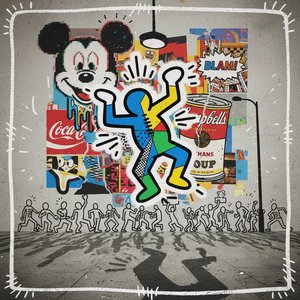 Keith Haring: Subverting Pop Culture – An Examination of Social Commentary & Artistic InnovationExplore the revolutionary art of Keith Haring – a powerful blend of pop aesthetics & social activism. Discover his iconic works, influences…