Pop Art · 1990
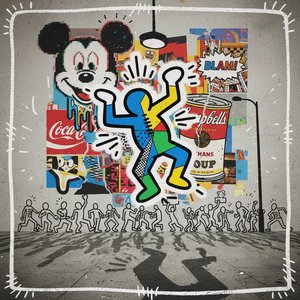
Icons (Keith Haring, 1990)
Keith Haring (1958–1990) stworzył Icons. Dzieło pochodzi z 1990. Należy do nurtu Pop Art. Wykonano w technice Acrylic On Canvas. Przechowywane jest w Nakamura Keith Haring Collection w Hōkuto, Japonia.
- 1990
- Acrylic On Canvas
- Nakamura Keith Haring Collection, Hōkuto

 Podgląd w skali 1:1

 Ręcznie malowany obraz olejny
 Wyślij jako kartkę
 Udostępnij
 Karta informacyjna


 Pobierz obraz
 Podobne obiekty
 RTG
 Pokaz slajdów
 Pytania i odpowiedzi

 Statystyki
Icons w skrócie
- Tytuł
- Icons
- Artysta
- Keith Haring (1958–1990)
- Miejsce urodzenia artysty
- Reading, Stany Zjednoczone
- Data powstania
- 1990
- Technika wykonania
- Acrylic On Canvas
- Gdzie można je zobaczyć
- Nakamura Keith Haring Collection, Hōkuto, Japonia
- Ruch
- Pop Art
- Epoka
- Modern
- Temat
- keith haring, radiant baby, iconic figure, symbolism, new york art, youthful innocence
Co przedstawia Icons?
A Radiant Echo: Exploring Keith Haring’s ‘Icons’
Published in 1990, the year of Keith Haring's untimely passing, this striking lithograph series – collectively known as ‘Icons’ – offers a poignant glimpse into the heart of one of New York City’s most influential and enduring artistic voices. More than just a collection of instantly recognizable figures, these images represent a potent distillation of Haring’s vision: a vibrant exploration of innocence, social commentary, and the complexities of human experience. The artwork itself, dominated by the iconic ‘Radiant Baby,’ immediately draws the viewer into its world of bold color and simplified forms – a testament to Haring's deliberate rejection of academic art traditions in favor of direct communication with the public.
The Language of Symbols: Decoding Haring’s Figures
- The Radiant Baby: Perhaps the most frequently referenced image within the series, the ‘Radiant Baby’ transcends mere representation. Initially conceived as a symbol of youthful innocence, purity, and potential, it quickly evolved into a powerful emblem of hope amidst societal anxieties. Haring himself described it as a reflection of his own self, embodying vulnerability and the desire for a better future.
- The Dog: This seemingly simple depiction of a barking dog carries a surprising weight. While lacking explicit symbolism, its presence often signifies action, suspicion, and the inherent challenges within human interaction. Haring’s ability to imbue everyday objects with profound meaning is central to his artistic legacy.
- The Angel: Representing both spiritual guardianship and the chaotic forces of life, ‘The Angel’ embodies a complex duality. It speaks to humanity's yearning for guidance while acknowledging the inherent instability and power dynamics that shape our world.
- The Winged Man: The ‘Winged Man,’ with its prominent ‘x’ marking, is laden with symbolic weight. Interpreted as both a mark of death and a representation of mystery, it serves as a potent reminder of mortality and the unknown.
- The Smiley Face: This ubiquitous figure, often described by Haring himself as having “no particular meaning,” has become an icon in its own right. Initially conceived as a mysterious figure associated with greed and excess, it has also been interpreted as representing the boundless possibilities of the cosmos – a testament to Haring’s playful ambiguity.
Technique and Context: A Revolutionary Approach
Created as lithographs, this series showcases Haring's mastery of printmaking techniques while retaining the raw energy of his original drawings. The bold black and orange palette – a deliberate choice reflecting the vibrancy of 1980s New York – amplifies the impact of each figure. Produced in 1990, shortly before Haring’s death, the ‘Icons’ series serves as a powerful memorial to his artistic legacy and a poignant reminder of his commitment to social justice and public engagement. Haring's work was deeply rooted in the street art movement, utilizing public spaces as his canvas and challenging traditional notions of artistic ownership.
Emotional Resonance: A Timeless Message
Beyond its technical brilliance and symbolic richness, ‘Icons’ possesses a profound emotional resonance. The artwork speaks to universal themes of innocence, hope, fear, and the search for meaning – emotions that continue to resonate with audiences today. The vibrant colors and instantly recognizable figures create an immediate connection, inviting viewers to contemplate their own place in the world. This reproduction offers a unique opportunity to own a piece of Keith Haring’s revolutionary art, a testament to his enduring influence on contemporary culture.
W którym muzeum znajduje się Icons?
Nakamura Keith Haring Collection
Hōkuto, Japonia
Sanktuarium Promiennych Linii: Kolekcja Nakamura Keith Haring W samym sercu zapierających dech w piersiach gór Yatsugatake, w japońskim Hōkuto, kryje się cel absolutnie wyjątkowy dla pasjonatów sztuki i wielbicieli pełnej witalności ekspresji: Kolekcja Nakamura Keith Haring. To coś znacznie więcej niż zwykłe muzeum; to imersyjne doświadczenie – pielgrzymka do samego serca niezwykłej wizji jednego człowieka. Założona przez Kazuo Nakamurę, namiętnego kolekcjonera, który po raz pierwszy zetknął się z twórczością Haringa w Nowym Jorku w 1987 roku, ta prywatna instytucja pieczołowicie zgromadziła kolekcję liczącą ponad 300 dzieł.
Zdjęcia w wysokiej rozdzielczości dzieła Icons

Chronione prawem autorskim: pliki te służą wyłącznie do osobistego wglądu i nie stanowią licencji na ich powielanie.
Keith Haring, Icons (1990), Nakamura Keith Haring Collection.
Odpowiedzi na pytania dotyczące Icons
Gdzie można obecnie zobaczyć dzieło „Icons” – Keith Haring?
„Icons” – Keith Haring znajduje się w zbiorach Nakamura Keith Haring Collection, Hōkuto, Japonia. Informacja o muzeum dotyczy oryginału, a nie reprodukcji.
W którym roku powstało „Icons” – Keith Haring?
„Icons” – Keith Haring powstało w 1990.
Z jakiej techniki wykorzystano "Icons"?
Keith Haring wykorzystał/a technikę Acrylic On Canvas w pracy „Icons”. Technika ta definiuje materię oryginalnego dzieła.
Co przedstawia "Icons"?
„Icons” – Keith Haring przedstawia: keith haring, radiant baby, iconic figure, symbolism, new york art, youthful innocence, mystery character.
Czy dzieło "Icons" znajduje się w domenie publicznej?
Status praw autorskich dla „Icons” – Keith Haring: dzieło znajduje się w nadal objęte ochroną prawa autorskiego. Określa to, czy reprodukcje obrazu mogą być sporządzane swobodnie.
Kto jest autorem dzieła "Icons"?
Autorem dzieła „Icons” jest Keith Haring. Praca ta figuruje w katalogu pod nazwiskiem Keith Haring.
Do jakiego nurtu artystycznego należy „Icons” – Keith Haring?
„Icons” to dzieło należące do nurtu Pop Art. Nurt ten określa tradycję artystyczną, w której osadzone jest dzieło.
Do którego etapu twórczości Keith Haring należy dzieło „Icons”?
"Icons" reprezentuje Late Period twórczości Keith Haring.
W jakim wieku Keith Haring stworzył(a) "Icons"?
Keith Haring miał 32 lat w momencie powstania „Icons” w 1990. Wiek ten obliczono na podstawie roku urodzenia artysty, 1958.
O artyście: Keith Haring

1958–1990, Stany Zjednoczone
Keith Haring
Radiantne Dziedzictwo: Życie i Sztuka Keitha Haringa Keith Allen Haring, imię nierozerwalnie związane z pulsującym życiem Nowego Jorku lat 80., był czymś więcej niż tylko artystą – stanowił fenomen kulturowy. Urodzony 4 maja 1958 roku w Reading w Pensylwanii, jego artystyczna podróż nie rozpoczęła się w formalnych ramach akademickiego szkolenia, lecz pośród beztroskich krajobrazów dziecięcej wyobraźni. Na jego wczesną twórczość wpłynęły fantazyjne kreskówki Walta Disneya i Dr. Seussa obok klasycznych komiksów Charlesa Schulza; młody Keith rozwinął wyczucie wizualnego opowiadania historii.
Inne prace Keith Haring
 Montreux
 Untitled (235) – Nieznana wartość
 Ołtarz: Życie Chrystusa1990
 Andy Mouse1986
Eseje o Icons
 The Language of Devotion: Understanding Religious Iconography in Global Art HistoryExplore the profound meaning behind sacred symbols and religious art history. Unlock the secrets of global iconography today.
 Mastering Realism: The Top 25 Iconic Artworks by Hans Holbein the YoungerStep into the Northern Renaissance with our curated guide to the top 25 Hans Holbein the Younger masterpieces. Explore breathtaking realism…
 Keith Haring: Subverting Pop Culture – An Examination of Social Commentary & Artistic InnovationExplore the revolutionary art of Keith Haring – a powerful blend of pop aesthetics & social activism. Discover his iconic works, influences…