Pop Art · 1990
Icons (Keith Haring, 1990)
Keith Haring (1958–1990) stworzył Icons. Dzieło pochodzi z 1990. Należy do nurtu Pop Art. Wykonano w technice Lithograph. Przechowywane jest w Nakamura Keith Haring Collection w Hōkuto, Japonia.
- 1990
- Lithograph
- Nakamura Keith Haring Collection, Hōkuto

 Podgląd w skali 1:1

 Ręcznie malowany obraz olejny
 Wyślij jako kartkę
 Udostępnij
 Karta informacyjna


 Pobierz obraz
 Podobne obiekty
 RTG
 Pokaz slajdów
 Pytania i odpowiedzi

 Statystyki
Icons w skrócie
- Tytuł
- Icons
- Artysta
- Keith Haring (1958–1990)
- Miejsce urodzenia artysty
- Reading, Stany Zjednoczone
- Data powstania
- 1990
- Technika wykonania
- Lithograph
- Gdzie można je zobaczyć
- Nakamura Keith Haring Collection, Hōkuto, Japonia
- Ruch
- Pop Art
- Epoka
- Modern
- Temat
- keith haring, icons series, radiant baby, smiling face, urban imagery, symbolic figures
Co przedstawia Icons?
A Chronicle of Innocence and Mystery: Unpacking Keith Haring’s “Icons”
Keith Haring's "Icons," created in 1990 during the final year of his tragically short life, stands as a potent distillation of his revolutionary artistic vision. Published alongside the artist’s passing, this lithograph series – featuring his signature TAG characters – immediately resonates with an urgency born from its historical context: the vibrant, chaotic energy of 1980s New York City and Haring's own fervent engagement with social issues. The image itself, a close-up rendering of the “Radiant Baby,” is deceptively simple yet profoundly layered with meaning, inviting endless interpretation and reflecting the artist’s deeply personal reflections on life, death, and the human condition.
- The Radiant Baby: Haring's most iconic figure, the crawling baby, embodies youthful innocence, purity, and potential. Initially conceived as a symbol of hope amidst the AIDS crisis, its open-mouthed expression – rendered in unsettling shades of purple and teeth – subtly shifts this interpretation. The wide eyes suggest not just naiveté but also a disconcerting awareness, perhaps even a premonition of the complexities and dangers that lie ahead.
- Symbolic Gestures: Beyond the immediate visual impact, "Icons" is replete with symbolic gestures. The ‘x’ on the “Winged Man”’s chest, a recurring motif, represents both death and mystery, acting as a marker of transition or a signpost to the unknown.
- The Smiley Face: Haring's enigmatic "Smiley Face," often depicted with an unsettlingly wide grin, presents a fascinating paradox. Initially intended as a symbol of joy and connection, it quickly became associated with greed, excess, and the darker aspects of consumer culture – a reflection of the anxieties prevalent in late 20th-century society.
Technique and Style: A Bold Fusion
Created as a lithograph, “Icons” showcases Haring’s masterful manipulation of printmaking techniques. His signature black outlines are rendered with remarkable precision, creating a graphic intensity that is both immediate and enduring. The use of flat color fields – particularly the vibrant yellow of the smiling face – contributes to the work's iconic status, echoing the bold, almost cartoonish aesthetic he developed throughout his career. Haring’s technique was deliberately accessible, rejecting traditional academic approaches in favor of direct communication with a broad audience, reflecting his desire to engage with social and political issues through art.
Historical Context and Legacy
"Icons" was produced during a pivotal moment in Haring's artistic trajectory. His work, initially created as spontaneous chalk drawings on the sidewalks of New York City, quickly gained recognition for its raw energy and direct engagement with urban life. The series reflects his growing interest in spirituality and his exploration of themes related to identity, power, and social justice. The fact that it was completed in the same year as Haring’s death adds a poignant layer to the work, transforming it into a memorial to a brilliant and tragically short-lived talent.
Emotional Impact and Collectible Value
More than just a visually striking image, “Icons” evokes a powerful emotional response. The unsettling juxtaposition of innocence and menace within the "Radiant Baby" forces viewers to confront uncomfortable truths about human nature and societal values. As a key work from Keith Haring’s oeuvre, this lithograph holds significant historical and artistic value, making it a compelling addition to any collection. Its vibrant colors, bold lines, and layered symbolism ensure its continued relevance and appeal for art lovers, collectors, and interior designers alike.
W którym muzeum znajduje się Icons?
Nakamura Keith Haring Collection
Hōkuto, Japonia
Sanktuarium Promiennych Linii: Kolekcja Nakamura Keith Haring W samym sercu zapierających dech w piersiach gór Yatsugatake, w japońskim Hōkuto, kryje się cel absolutnie wyjątkowy dla pasjonatów sztuki i wielbicieli pełnej witalności ekspresji: Kolekcja Nakamura Keith Haring. To coś znacznie więcej niż zwykłe muzeum; to imersyjne doświadczenie – pielgrzymka do samego serca niezwykłej wizji jednego człowieka. Założona przez Kazuo Nakamurę, namiętnego kolekcjonera, który po raz pierwszy zetknął się z twórczością Haringa w Nowym Jorku w 1987 roku, ta prywatna instytucja pieczołowicie zgromadziła kolekcję liczącą ponad 300 dzieł.
Zdjęcia w wysokiej rozdzielczości dzieła Icons

Chronione prawem autorskim: pliki te służą wyłącznie do osobistego wglądu i nie stanowią licencji na ich powielanie.
Keith Haring, Icons (1990), Nakamura Keith Haring Collection.
Odpowiedzi na pytania dotyczące Icons
Gdzie można obecnie zobaczyć dzieło „Icons” – Keith Haring?
Oryginał dzieła „Icons” – Keith Haring znajduje się w Nakamura Keith Haring Collection, Hōkuto, Japonia. Reprodukcja pozwala na eksponowanie pracy w domu.
W którym roku powstało „Icons” – Keith Haring?
"Icons" powstało w 1990 roku. Data ta pozwala umiejscowić dzieło w kontekście twórczości Keith Haring oraz epoki, w której powstało.
W jakiej technice wykonano „Icons” – Keith Haring?
„Icons” wykonano w technice Lithograph.
Co przedstawia "Icons"?
Tematyka obecna w „Icons” – Keith Haring obejmuje keith haring, icons series, radiant baby, smiling face, urban imagery, symbolic figures, new york art. Razem stanowią one podsumowanie tematyki dzieła.
Czy „Icons” – Keith Haring znajduje się w domenie publicznej?
Status praw autorskich dla „Icons” – Keith Haring: dzieło znajduje się w nadal objęte ochroną prawa autorskiego. Określa to, czy reprodukcje obrazu mogą być sporządzane swobodnie.
Kto jest autorem dzieła "Icons"?
„Icons” zostało stworzone przez Keith Haring. Informacje na tej stronie dotyczą oryginalnego dzieła autorstwa Keith Haring.
Do jakiego nurtu należy "Icons"?
Nurt związany z „Icons” – Keith Haring to Pop Art. Ta klasyfikacja sytuuje dzieło wśród pokrewnych artystów i dzieł sztuki.
Do którego okresu twórczości Keith Haring należy dzieło "Icons"?
„Icons” pochodzi z okresu Late Period w twórczości Keith Haring. Klasyfikacja ta wiąże dzieło z rozwojem artysty.
W jakim wieku Keith Haring stworzył(a) "Icons"?
Gdy w 1990 roku powstało dzieło „Icons”, Keith Haring – urodzony/a w 1958 – miał/a 32 lat.
O artyście: Keith Haring

1958–1990, Stany Zjednoczone
Keith Haring
Radiantne Dziedzictwo: Życie i Sztuka Keitha Haringa Keith Allen Haring, imię nierozerwalnie związane z pulsującym życiem Nowego Jorku lat 80., był czymś więcej niż tylko artystą – stanowił fenomen kulturowy. Urodzony 4 maja 1958 roku w Reading w Pensylwanii, jego artystyczna podróż nie rozpoczęła się w formalnych ramach akademickiego szkolenia, lecz pośród beztroskich krajobrazów dziecięcej wyobraźni. Na jego wczesną twórczość wpłynęły fantazyjne kreskówki Walta Disneya i Dr. Seussa obok klasycznych komiksów Charlesa Schulza; młody Keith rozwinął wyczucie wizualnego opowiadania historii.
Inne prace Keith Haring
 Montreux
 Untitled (235) – Nieznana wartość
 Ołtarz: Życie Chrystusa1990
 Andy Mouse1986
Eseje o Icons
 Mastering Realism: The Top 25 Iconic Artworks by Hans Holbein the YoungerStep into the Northern Renaissance with our curated guide to the top 25 Hans Holbein the Younger masterpieces. Explore breathtaking realism…
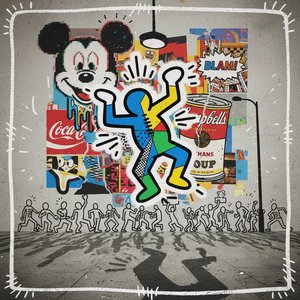 Keith Haring: Subverting Pop Culture – An Examination of Social Commentary & Artistic InnovationExplore the revolutionary art of Keith Haring – a powerful blend of pop aesthetics & social activism. Discover his iconic works, influences…
 Bold & Iconic: Reimagining the Feminine Figure Through Modern Pop and Street ArtExplore the electric fusion of Pop Art and Street Art through the reimagined feminine figure. Discover how bold icons like Lichtenstein and…