
 Podgląd w skali
 Wyślij jako kartkę
 Udostępnij
 Szczegóły dzieła

 Pobierz
 Podobne obiekty
 RTG
RTG Pokaz slajdów
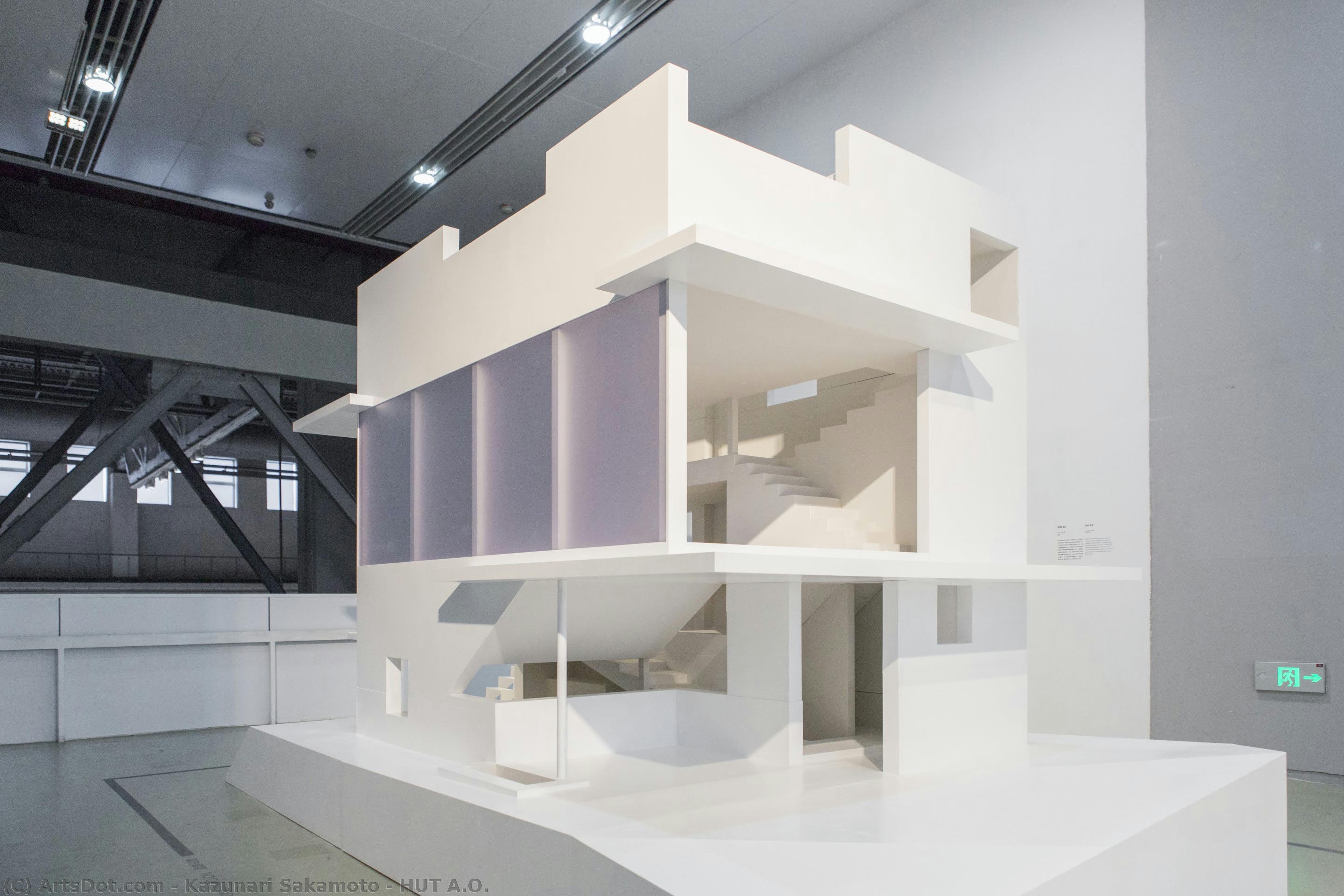
HUT A.O.


 Rozwiń treść
Ręcznie malowana reprodukcja olejowa
Ręcznie malowany obraz olejny na płótnie, wykonany na zamówienie przez naszych artystów w wybranym przez Ciebie wymiarze i oprawie. ( Zamów wydruk Kup obraz wysokiej rozdzielczości)




































Wybierz spośród naszych standardowych rozmiarów, które zachowują oryginalne proporcje dzieła sztuki.

Możesz wprowadzić własne wymiary, aby dopasować obraz do konkretnej ramy lub przestrzeni. Jeśli wybrany rozmiar nie będzie odpowiadał proporcjom oryginału, przytniecie dzieło sztuki lub rozszerzymy je o dodatkowe elementy, ręcznie domalowane przez artystę. Przed rozpoczęciem produkcji wyślemy projekt cyfrowy do Twojej akceptacji.
Należy pamiętać, że podgląd na ekranie nie odzwierciedla rzeczywistego przycinania ani rozszerzania obrazu. Tylko projekt dokładnie pokaże ostateczną kompozycję.
Choć oferujemy możliwość zamówienia niestandardowych rozmiarów, zalecamy wybór wymiaru z gotowej listy, aby zachować oryginalne proporcje dzieła.
Po złożeniu zamówienia zespół OriginalUniqueArt.com skontaktuje się z klientem drogą mailową w celu uzyskania instrukcji i prześle wizualizację projektu
Dostawa na całym świecie () w ciągu 3–4 tygodni zamiast standardowych 5 tygodni. (20 Sierpień). Bez kompromisów w kwestii jakości.

Bezpłatna ekspresowa wysyłka na cały świat

Wysokiej jakości płótno lniane

Pełne ubezpieczenie przesyłki

Gwarancja zwrotu należności celnych i podatków importowych

Gwarancja wiernego odwzorowania kolorów

Polityka 60-dniowego zwrotu (tylko w przypadku wad)

Gwarancja 100% zwrotu kosztów

Zniżka przy zamówieniu wielu produktów
 Opcja ze szkłem jest dostępna wyłącznie w rozmiarach poniżej 110 cm

HUT A.O.
Technika reprodukcji
Wymiary reprodukcji
-


Cena całkowita
$ 300
O artyście
Kazunari Sakamoto: Exploring the Poetics of Everyday Space
Kazunari Sakamoto (坂本 一成), born in Tokyo in 1943, stands as a pivotal figure in contemporary Japanese architecture, recognized for his profound engagement with Buddhist aesthetics and his distinctive approach to residential design. His artistic philosophy centers on uncovering beauty within the seemingly mundane—a concept deeply rooted in Zen Buddhism—where simplicity, materiality, and spatial harmony converge to create environments that resonate with tranquility and contemplation. Sakamoto’s formative years were marked by exposure to influential architectural thinkers like Kazuo Shinohara, whose minimalist aesthetic profoundly shaped his artistic vision. This connection instilled a dedication to exploring the essence of form through restrained materials and subtle gestures—a stylistic hallmark that distinguishes his oeuvre from more overtly expressive movements within Japanese art history. He pursued Doctor course at Graduate School of Architecture, Tokyo Institute of Technology and lectured at Department of Architecture, College of Art and Design, Musashino Art University.- Early Career & Influences: Sakamoto’s initial explorations encompassed collaborative projects with fellow architects, notably Kunio Nakai, fostering a dialogue about architectural concepts and their relationship to philosophical ideas.
- Notable Projects: His portfolio boasts an impressive array of residential buildings—including MINASE ANNEX in Hachioji City, QUICO Jingu-mae in Osaka City, and Housing Complex in Egota—each characterized by meticulous attention to detail and a masterful manipulation of natural light and texture.
- Recognition & Awards: Sakamoto’s work has garnered considerable acclaim, culminating in awards from the Architectural Institute of Japan and the Togo Murano Award for Common City Hoshida, cementing his reputation as a visionary architect dedicated to elevating the everyday experience.
The Philosophy of “So Far Unnoticed” Spaces
Sakamoto’s architectural practice isn't merely about constructing buildings; it’s about fostering a contemplative connection between inhabitants and their surroundings—a core principle derived from Buddhist contemplation. He champions the notion that true beauty resides in spaces untouched by ostentation or grand narratives, prioritizing instead an honest engagement with materials and natural light. This approach contrasts sharply with prevailing trends toward monumental scale and technological innovation, reflecting Sakamoto’s unwavering commitment to preserving the quiet dignity of domestic life. His designs deliberately eschew overtly decorative elements, favoring instead a subtle interplay of textures and forms that invite introspection. Like Tadao Ando—a fellow architect who shares his philosophical convictions—Sakamoto seeks to create environments where occupants can experience a profound sense of presence and serenity. This pursuit aligns with Zen’s emphasis on mindfulness and acceptance, suggesting that architecture can serve as a catalyst for spiritual growth.Exploring Spatial Harmony & Material Dialogue
A key element of Sakamoto's architectural style is his masterful use of natural materials—particularly concrete and wood—to achieve spatial openness and textural richness. He meticulously considers how these elements interact with light, creating luminous interiors that evoke a sense of calm and tranquility. This technique draws inspiration from Shan Shui painting—a genre emphasizing landscape vistas imbued with symbolic meaning—where the artist strives to capture the essence of nature's beauty through understated visual cues. Furthermore, Sakamoto’s work demonstrates an acute awareness of cultural context, reflecting Japan’s tradition of valuing simplicity and harmony. His buildings don’t compete for attention; rather, they subtly guide occupants toward a state of mindful contemplation—a testament to his belief that architecture can enrich human experience by fostering connection with the natural world.Legacy & Influence
Kazunari Sakamoto's influence extends beyond his own architectural creations, shaping the perspectives of younger generations of Japanese architects who embrace similar principles of minimalist design and contemplative space. His unwavering dedication to exploring the beauty of everyday life—a cornerstone of Buddhist aesthetics—continues to inspire artists and designers globally. He is remembered as a pioneer in fusing architectural innovation with philosophical contemplation, leaving an indelible mark on the landscape of contemporary art and architecture.
kazunari sakamoto
Japan
Krótka nota
- Artistic Movement Or Style: Contemporary Japanese Art
- Artists Or Movements Influenced By This Artist: ['Buddhist aesthetics']
- Artists Who Influenced This Artist: ['Kazuo Shinohara']
- Full Name: Kazunari Sakamoto
- Nationality: Japanese
- Notable Artworks:
- MINASE ANNEX
- QUICO Jingu-mae
- Place Of Birth: Tokyo, Japan

