
 Podgląd w skali 1:1
 Wyślij jako kartkę
 Udostępnij
 Szczegóły dzieła
 Przewodnik

 Pobierz obraz
 Podobne obiekty
 RTG
RTG Pokaz slajdów
 Pytania i odpowiedzi
 Statystyki
On the Boulevard 1


 Rozwiń treść
Giclée / Wydruk artystyczny
Wydruki giclée lub płótna o jakości muzealnej, szybka realizacja i szeroki wybór opcji wykończenia. ( Zamów ręcznie malowaną reprodukcję Przejdź do wersji cyfrowej)




P118B zł10

P118H zł10

P118W zł10

P438Z zł10

P508JH zł12

P508YH zł12

P805H zł10

P805Z zł10

P919BZ zł10

P919G zł10

P919XJ zł10

P959ZH zł10

P968JZ zł12

W106C zł8

W218G zł10

W218JH zł8

W218Y zł10

W307PJ zł10

W316G zł10

W316PJ zł8

W316Y zł10

W398PJ zł8

W4111J zł10

W500HY zł15

W500JH zł15

W692G zł12

W849H zł8

W940BG zł15

W953PJ zł8




Wybierz spośród naszych standardowych rozmiarów, które zachowują oryginalne proporcje dzieła sztuki.

Wpisz wymaganą szerokość i wysokość, aby dopasować grafikę do ramy lub ściany. Wydruk można jedynie przyciąć, nigdy nie powiększając go poza oryginalny obraz, dlatego format o innych proporcjach spowoduje utratę części kompozycji. Przed rozpoczęciem druku prześlemy Ci cyfrowy podgląd do zatwierdzenia. Obraz wyświetlany na tej stronie nie pokazuje rzeczywistego przycięcia — jedynie podgląd oddaje ten efekt.
Dostawa na cały świat () w ciągu 2 tygodni zamiast standardowych 4/5 tygodni. (5 Listopad)

Bezpłatna ekspresowa wysyłka na cały świat

Wysokiej jakości płótno lniane

Pełne ubezpieczenie przesyłki

Gwarancja zwrotu należności celnych i podatków importowych

Gwarancja wiernego odwzorowania kolorów

100-dniowa polityka zwrotów (tylko w przypadku wad)

Gwarancja 100% zwrotu pieniędzy

Zniżka przy zakupie wielu sztuk
 Opcja ze szkłem jest dostępna wyłącznie w rozmiarach poniżej 110 cm

On the Boulevard 1
Giclée / Wydruk artystyczny
Wymiary reprodukcji
-


Cena całkowita
zł 317
A Fragmented Gaze: The Vibrant Soul of On the Boulevard
In the bustling transition between the nineteenth and twentieth centuries, few artists captured the electric tension of modernity quite like Kazimir Malevich. His masterpiece, On the Boulevard, serves as a breathtaking window into an era defined by radical change and the breaking of traditional boundaries. At first glance, the viewer is met with a striking portrait of a gentleman, seated with a quiet, contemplative gravity upon a park bench. Dressed in a vivid yellow jacket that commands immediate attention, his presence is anchored by the bold contrast of red gloves, creating a focal point that feels both intimate and monumental. Yet, as one lingers on the canvas, the scene begins to dissolve and reform; the man is not merely a subject in a landscape, but a central figure within a complex, geometric dance of color and form.
The technique employed here is a masterful dialogue between Fauvism and the burgeoning language of Cubism. Malevich does not seek to replicate the photographic reality of a Parisian or Russian street scene; instead, he utilizes fragmented planes and a daringly saturated palette to evoke the sensory experience of urban life. The brushwork, though controlled, possesses an energetic texture that breathes life into the composition. By deconstructing the environment into essential shapes—squares, rectangles, and sweeping curves—Malevich invites the collector to look beyond the surface. This approach transforms a simple moment of repose into a profound exploration of how light, color, and structure intersect to create our perception of reality.
The Intersection of Tradition and Avant-Garde
To understand On the Boulevard is to understand the heartbeat of the Russian avant-garde. Created during a period when Malevich was experimenting with various European influences, the painting acts as a bridge between the representational traditions of the past and the pure abstraction of his later Suprematist period. The presence of secondary figures in the background—subtly integrated into the rhythmic patterns of the composition—adds a layer of narrative depth, suggesting the collective pulse of a society in motion. There is a deliberate tension here: the subject’s stillness contrasts sharply with the dynamic, almost aggressive, application of color, mirroring the psychological state of an era caught between old-world stability and new-world chaos.
For the discerning interior designer or art enthusiast, this piece offers more than mere decoration; it provides a sophisticated focal point that stimulates intellectual curiosity. The bold interplay of primary hues—the sun-drenched yellow and the passionate red—makes it an ideal centerpiece for modern, minimalist, or eclectic spaces. A high-quality reproduction of this work allows the heavy textures and emotive power of Malevich’s vision to inhabit a contemporary home, bringing with it a sense of historical weight and artistic rebellion. It is an invitation to dwell within a moment of fragmented beauty, where every stroke tells a story of a world being reimagined.
Pytania i odpowiedzi
Jakie emocje przekazuje „On the Boulevard 1” – Kazimierz Malewicz?
Emocjonalny ton przypisany do „On the Boulevard 1” – Kazimierz Malewicz to Reflective. Oddaje on emocje, jakie wyraża to dzieło.
Jakie miejsce w historii sztuki zajmuje „On the Boulevard 1” – Kazimierz Malewicz?
Pod względem historycznym „On the Boulevard 1” to dzieło z nurtu Cubism, powstałe w szerszej epoce Modern.
Ilu użytkowników ogląda "On the Boulevard 1"?
Strona Statystyki wyświetleń dzieła „On the Boulevard 1” – Kazimierz Malewicz przedstawia statystyki odwiedzin: miesięczną liczbę wyświetleń tego dzieła, porównanie z najczęściej oglądanymi pracami artysty oraz informacje o pochodzeniu odwiedzających.
Biografia artysty
Kazimir Malevich: Pionier Sztuki Abstrakcyjnej
Kazimir Severinovich Malevich (1878-1935) był ukraińskim twórcą, który stał się jednym z najważniejszych pionierów sztuki abstrakcyjnej i wyznaczył nowy kierunek dla europejskiego ruchu artystycznego XX wieku. Jego twórczość wpłynęła na wielu późniejszych artystów i nadal fascynuje widzów całym świata. Jego dzieła są rozpoznawalne dzięki prostocie form oraz głębokości filozoficznej refleksji nad naturą sztuki i rzeczywistości.Życie i Początki Artystyczne
- Narodził się w Kiowie Oblast w 1878 roku jako syn Polaka, Kazimir Severinovich Malevich wychował się w rodzinie o bogatej historii kulturowej Ukrainy. Jego dzieciństwo wpłynęło na jego późniejsze zainteresowania sztuką i kulturą folklorystyczną
- Jego edukacja rozpoczęła się w Kiowie Uniwersytecie, gdzie studiował matematykę i filozofię – umiejętności te miały istotne znaczenie dla rozwoju jego teorii sztuki.
- Podczas podróży do Paryża w 1912 roku Malevich zetknął się z najnowszymi osiągnięciami europejskiej sztuki, co zainspirowało go do eksperymentów twórczych i poszukiwania nowych sposobów wyrażania emocji oraz idei.
Rozwój Artystyczny i Ruch Suprematyzm
- Przebaczając się jego wcześniejszym zainteresowaniom sztuką impresjonistyczną, symbolistyczną i fawistyczną, Malevich stopniowo przekształcił swój styl w kierunku abstrakcji. Jego twórczość inspirowana była filozofią Nietzschego oraz ideami ruchu Bauhaus
- Największą osobistą zmianę przyniósł mu kontakt z kubizmem francuskiego malarza Pablo Picasso, który nauczył się od niego wykorzystywać elementy obrazu do przedstawiania rzeczywistości w sposób wielowymiarowy.
- W 1915 roku Malevich założył ruch Suprematyzm – filozofię sztuki abstrakcyjnej, która głosiła, że kolor i linia powinny królować nad przedmiotami oraz narracją obrazu. Jego najważniejszym dziełem stało się „Czarna Kwadrat”, który zapowiedział nowy etap rozwoju sztuki nowoczesnej
Najważniejsze Dzieła
- „Czarna Kwadrat” (1915): Jest to jedno z najbardziej rozpoznawalnych obrazów Malewicha i stanowi punkt kulminacyjny jego twórczości. Jego minimalistyczna forma oraz głębokie znaczenie filozoficzne wpłynęły na wielu innych artystów
- „White on White” (1918): Kolejne dzieło Malewicha, które wyraża ideę czystej abstrakcji i koncentruje się wyłącznie na kolorze oraz geometrii. Jest to obraz, który wyzwalał kontrowersje wśród krytyków sztuki i filozofów
- „Stroyuschiysya dom” (1916): „Dom Pod Budową” jest jednym z najwcześniejszych przykładów suprematyzmu i przedstawia abstrakcyjną reprezentację architektury ukraińskiej. Obraz ten odzwierciedla zainteresowanie Malewicha kulturą folklorystyczną oraz wpływem sztuki na społeczeństwo
Znaczenie Historyczne i Dziedzictwo
- Kazimir Malevich zrewolucjonizował świat sztuki XX wieku, wprowadzając nowe idee filozoficzne oraz estetyczne. Jego twórczość inspirowana była filozofią Nietzschego oraz ideami ruchu Bauhaus
- Jego dzieła stały się ikoną abstrakcji i miały ogromny wpływ na rozwój innych kierunków sztuki nowoczesnej, takich jak Minimalizm i Konstrukcjonizm
- Malevich pozostawił po sobie bogate dziedzictwo intelektualne oraz twórcze, które nadal fascynuje naukowców i artystów. Jego twórczość jest analizowana i studiowana na całym świecie
Życie Późniejsze i Śmierć
- Po II Wojnie Światowej Malevich kontynuował działalność twórczą oraz pedagogiczną, ucząc się sztuki abstrakcyjnej młodych ludzi w Leningradzie (obecnie Sankt Petersburg). Jego twórczość inspirowana była filozofią Nietzschego oraz ideami ruchu Bauhaus
- Kazimir Malevich zmarł w Leningradzie w 1935 roku i został uznany za jednego z najważniejszych przedstawicieli sztuki nowoczesnej XX wieku. Jego dzieła znajdują się w muzeach na całym świecie

Kazimierz Malewicz
1878 - 1935 , Ukraina
Krótka nota
- Artistic Movement Or Style: Suprematyzm, Sztuka abstrakcyjna
- Artists Or Movements Influenced By This Artist:
- Minimalizm
- Konstrukcjonizm
- El Lissitzky
- Artists Who Influenced This Artist:
- Impressionizm
- Fauvizm
- Kubizm
- Date Of Birth: 1878
- Date Of Death: 1935
- Full Name: Kazimir Severinovich Malevich
- Nationality: Ukraiński/Rosyjski
- Notable Artworks:
- Czarna Kwadrat
- Białe na Białym
- Dom w Budowie
- Place Of Birth: Kyiv, Ukraina
Powiązane artykuły

Crimson Threads of Narrative: Exploring Symbolism & Representation in Artworks Featuring the Red Dress
Explore the rich symbolism of the red dress in art history! From ancient power displays to iconic portraits like Cézanne’s 'Madame Cezanne', discover the cultural and artistic significance behind this captivating color. Expert analysis & insights.
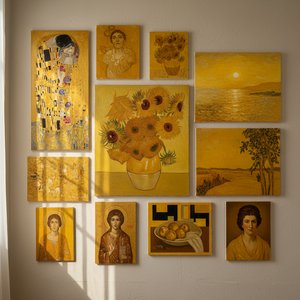
Top 10 Sławnych Obrazów w Odcieniach Ochry Żółtej – Sztuka i Dekoracja Domu
Odkryj 10 najsłynniejszych obrazów w odcieniach ochry żółtej! Van Gogh, Monet i inni mistrzowie. Poznaj historię sztuki, inspiracje kolorystyczne i techniki malarskie. Reprodukcje najwyższej jakości na OriginalUniqueArt.com – udekoruj swój dom arcydziełami!
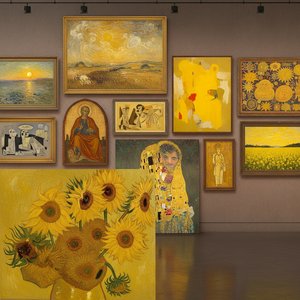
Top 10 Arcydzieł w Odcieniach Chromowej Żółci – Inspiracje do Wnętrz od OriginalUniqueArt
Odkryj 10 arcydzieł sztuki, w których króluje chromowa żółć! Van Gogh, Monet, Renoir i inni mistrzowie. Inspiracje wnętrzarskie i reprodukcje obrazów najwyższej jakości na OriginalUniqueArt.com. Eksploruj pełną kolekcję online!

Mark Rothko: 25 Arcydzieł Koloru i Emocji | Reprodukcje Obrazów | OriginalUniqueArt.com
Odkryj 25 arcydzieł Marka Rothko – mistrza abstrakcji i koloru. Poznaj historie, techniki i emocje kryjące się za jego płótnami. Reprodukcje obrazów najwyższej jakości na OriginalUniqueArt.com. Eksploruj kolekcję online!

Geometria Sztuki: 10 Arcydzieł Abstrakcji Geometrycznej | OriginalUniqueArt.com
Odkryj 10 arcydzieł abstrakcji geometrycznej! Poznaj historię Mondriana, Kandinskiego i Maleвича. Inspiracje wnętrzarskie z malarstwem abstrakcyjnym – reprodukcje najwyższej jakości na OriginalUniqueArt.com. Eksploruj kolekcję online!


