
 Podgląd w skali 1:1
 Wyślij jako kartkę
 Udostępnij
 Szczegóły dzieła
 Przewodnik

 Pobierz obraz
 Podobne obiekty
 RTG
RTG Pokaz slajdów
 Pytania i odpowiedzi
 Statystyki
Demon


 Rozwiń treść
Giclée / Wydruk artystyczny
Wydruki giclée lub płótna o jakości muzealnej, szybka realizacja i szeroki wybór opcji wykończenia. ( Zamów ręcznie malowaną reprodukcję Przejdź do wersji cyfrowej)




P118B zł10

P118H zł10

P118W zł10

P438Z zł10

P508JH zł12

P508YH zł12

P805H zł10

P805Z zł10

P919BZ zł10

P919G zł10

P919XJ zł10

P959ZH zł10

P968JZ zł12

W106C zł8

W218G zł10

W218JH zł8

W218Y zł10

W307PJ zł10

W316G zł10

W316PJ zł8

W316Y zł10

W398PJ zł8

W4111J zł10

W500HY zł15

W500JH zł15

W692G zł12

W849H zł8

W940BG zł15

W953PJ zł8




Wybierz spośród naszych standardowych rozmiarów, które zachowują oryginalne proporcje dzieła sztuki.

Wpisz wymaganą szerokość i wysokość, aby dopasować grafikę do ramy lub ściany. Wydruk można jedynie przyciąć, nigdy nie powiększając go poza oryginalny obraz, dlatego format o innych proporcjach spowoduje utratę części kompozycji. Przed rozpoczęciem druku prześlemy Ci cyfrowy podgląd do zatwierdzenia. Obraz wyświetlany na tej stronie nie pokazuje rzeczywistego przycięcia — jedynie podgląd oddaje ten efekt.
Dostawa na cały świat () w ciągu 2 tygodni zamiast standardowych 4/5 tygodni. (5 Listopad)

Bezpłatna ekspresowa wysyłka na cały świat

Wysokiej jakości płótno lniane

Pełne ubezpieczenie przesyłki

Gwarancja zwrotu należności celnych i podatków importowych

Gwarancja wiernego odwzorowania kolorów

100-dniowa polityka zwrotów (tylko w przypadku wad)

Gwarancja 100% zwrotu pieniędzy

Zniżka przy zakupie wielu sztuk
 Opcja ze szkłem jest dostępna wyłącznie w rozmiarach poniżej 110 cm

Demon
Giclée / Wydruk artystyczny
Wymiary reprodukcji
-


Cena całkowita
zł 317
A Stark Vision of the Unseen: Kazimir Malevich's 'Demon'
Kazimir Malevich’s 1914 painting, “Demon,” is not merely a depiction of a monstrous figure; it’s a visceral exploration of primal fear and the unsettling power of suggestion. Rendered in a deceptively simple style—bold black outlines against a bleached-white backdrop—the artwork immediately commands attention with its raw intensity. This isn't the polished, idealized representation of art history; instead, we encounter a world stripped bare to its essential elements, echoing the nascent principles of Suprematism and hinting at the anxieties simmering beneath the surface of early 20th-century Europe.
The composition is dominated by the central demon itself. Its elongated form, with disproportionately large head, pointed ears, and a gaping mouth, evokes a sense of grotesque power. Malevich’s deliberate use of thick black lines doesn't simply define the figure; they pulsate with energy, creating an immediate and unsettling visual impact. The simplification of features—the vacant eyes, the sharp angles—heightens the feeling of otherworldliness, as if we are glimpsing a being from beyond our comprehension. Crucially, the painting’s stark palette – primarily black and off-white – amplifies this effect, creating an atmosphere of profound isolation and dread.
The Language of Symbols: Cyrillic Text and Spiritual Weight
What initially appears as a minimalist composition is profoundly enriched by the dense field of Cyrillic text that dominates the right side of the canvas. This isn’t mere decoration; it's integral to understanding the artwork’s meaning. While the exact translation remains debated, scholars believe this incantation or narrative likely served as a key to unlocking the demon’s nature and purpose within Malevich’s artistic vision. The inclusion of text adds layers of mystery, suggesting a connection between the visual image and a deeper spiritual or occult context – reflecting the prevalent interest in mysticism and the supernatural during that period.
The choice of Cyrillic script is particularly significant given Malevich's Ukrainian heritage and the painting’s creation during a time of shifting national identities. It subtly connects the artwork to Eastern European folklore and traditions, hinting at ancient beliefs surrounding demons and spirits. The text acts as a conduit, inviting the viewer to actively participate in deciphering the demon’s story – transforming the image from a static representation into an interactive experience.
Roots in Expressionism and the Dawn of Suprematism
“Demon” sits at a fascinating crossroads within art history. While undeniably influenced by the raw emotionality of Expressionism—evident in its distorted forms and unsettling subject matter—it also anticipates the revolutionary principles of Suprematism, which Malevich would later fully develop. The painting’s emphasis on pure form, reduced to its essential elements, foreshadows his later explorations of geometric abstraction. Malevich's early exposure to folk art, combined with a desire for modern expression, formed the foundation of his unique style. This piece demonstrates that journey—a deliberate move away from representational forms towards a purely abstract and spiritual realm.
Considering Malevich’s biography – born in Kyiv Oblast, Ukraine – adds another layer of complexity to the work. The painting can be viewed as a reflection on the anxieties and uncertainties of a nation undergoing rapid change and grappling with its identity. The demon, therefore, becomes not just a supernatural entity but also a symbol of internal conflict and the darker aspects of human nature.
A Legacy of Shadow and Form
“Demon” is more than simply a depiction of a frightening figure; it’s a profound meditation on fear, spirituality, and the power of visual language. Reproductions of this artwork offer a unique opportunity to experience Malevich's groundbreaking vision – a stark reminder that art can be both unsettling and deeply evocative. Its enduring appeal lies in its ability to tap into our primal anxieties while simultaneously pushing the boundaries of artistic expression.
Pytania i odpowiedzi
Jaki nastrój emocjonalny budzi „Demon” – Kazimierz Malewicz?
„Demon” budzi Mysterious emocje. Ton emocjonalny opisuje wrażenie, jakie wywołuje to dzieło.
Jak duży jest kontrast w „Demon” – Kazimierz Malewicz?
Kontrast jasności w dziele "Demon" wynosi Statement. Kontrast określa stopień zróżnicowania między obszarami jasnymi a ciemnymi.
Czy kolory w „Demon” – Kazimierz Malewicz są nasycone, czy stonowane?
Kolory dzieła „Demon” – Kazimierz Malewicz charakteryzują się Muted nasyceniem. Nasycenie określa, jak żywe lub stonowane są barwy.
Biografia artysty
Kazimir Malevich: Pionier Sztuki Abstrakcyjnej
Kazimir Severinovich Malevich (1878-1935) był ukraińskim twórcą, który stał się jednym z najważniejszych pionierów sztuki abstrakcyjnej i wyznaczył nowy kierunek dla europejskiego ruchu artystycznego XX wieku. Jego twórczość wpłynęła na wielu późniejszych artystów i nadal fascynuje widzów całym świata. Jego dzieła są rozpoznawalne dzięki prostocie form oraz głębokości filozoficznej refleksji nad naturą sztuki i rzeczywistości.Życie i Początki Artystyczne
- Narodził się w Kiowie Oblast w 1878 roku jako syn Polaka, Kazimir Severinovich Malevich wychował się w rodzinie o bogatej historii kulturowej Ukrainy. Jego dzieciństwo wpłynęło na jego późniejsze zainteresowania sztuką i kulturą folklorystyczną
- Jego edukacja rozpoczęła się w Kiowie Uniwersytecie, gdzie studiował matematykę i filozofię – umiejętności te miały istotne znaczenie dla rozwoju jego teorii sztuki.
- Podczas podróży do Paryża w 1912 roku Malevich zetknął się z najnowszymi osiągnięciami europejskiej sztuki, co zainspirowało go do eksperymentów twórczych i poszukiwania nowych sposobów wyrażania emocji oraz idei.
Rozwój Artystyczny i Ruch Suprematyzm
- Przebaczając się jego wcześniejszym zainteresowaniom sztuką impresjonistyczną, symbolistyczną i fawistyczną, Malevich stopniowo przekształcił swój styl w kierunku abstrakcji. Jego twórczość inspirowana była filozofią Nietzschego oraz ideami ruchu Bauhaus
- Największą osobistą zmianę przyniósł mu kontakt z kubizmem francuskiego malarza Pablo Picasso, który nauczył się od niego wykorzystywać elementy obrazu do przedstawiania rzeczywistości w sposób wielowymiarowy.
- W 1915 roku Malevich założył ruch Suprematyzm – filozofię sztuki abstrakcyjnej, która głosiła, że kolor i linia powinny królować nad przedmiotami oraz narracją obrazu. Jego najważniejszym dziełem stało się „Czarna Kwadrat”, który zapowiedział nowy etap rozwoju sztuki nowoczesnej
Najważniejsze Dzieła
- „Czarna Kwadrat” (1915): Jest to jedno z najbardziej rozpoznawalnych obrazów Malewicha i stanowi punkt kulminacyjny jego twórczości. Jego minimalistyczna forma oraz głębokie znaczenie filozoficzne wpłynęły na wielu innych artystów
- „White on White” (1918): Kolejne dzieło Malewicha, które wyraża ideę czystej abstrakcji i koncentruje się wyłącznie na kolorze oraz geometrii. Jest to obraz, który wyzwalał kontrowersje wśród krytyków sztuki i filozofów
- „Stroyuschiysya dom” (1916): „Dom Pod Budową” jest jednym z najwcześniejszych przykładów suprematyzmu i przedstawia abstrakcyjną reprezentację architektury ukraińskiej. Obraz ten odzwierciedla zainteresowanie Malewicha kulturą folklorystyczną oraz wpływem sztuki na społeczeństwo
Znaczenie Historyczne i Dziedzictwo
- Kazimir Malevich zrewolucjonizował świat sztuki XX wieku, wprowadzając nowe idee filozoficzne oraz estetyczne. Jego twórczość inspirowana była filozofią Nietzschego oraz ideami ruchu Bauhaus
- Jego dzieła stały się ikoną abstrakcji i miały ogromny wpływ na rozwój innych kierunków sztuki nowoczesnej, takich jak Minimalizm i Konstrukcjonizm
- Malevich pozostawił po sobie bogate dziedzictwo intelektualne oraz twórcze, które nadal fascynuje naukowców i artystów. Jego twórczość jest analizowana i studiowana na całym świecie
Życie Późniejsze i Śmierć
- Po II Wojnie Światowej Malevich kontynuował działalność twórczą oraz pedagogiczną, ucząc się sztuki abstrakcyjnej młodych ludzi w Leningradzie (obecnie Sankt Petersburg). Jego twórczość inspirowana była filozofią Nietzschego oraz ideami ruchu Bauhaus
- Kazimir Malevich zmarł w Leningradzie w 1935 roku i został uznany za jednego z najważniejszych przedstawicieli sztuki nowoczesnej XX wieku. Jego dzieła znajdują się w muzeach na całym świecie

Kazimierz Malewicz
1878 - 1935 , Ukraina
Krótka nota
- Artistic Movement Or Style: Suprematyzm, Sztuka abstrakcyjna
- Artists Or Movements Influenced By This Artist:
- Minimalizm
- Konstrukcjonizm
- El Lissitzky
- Artists Who Influenced This Artist:
- Impressionizm
- Fauvizm
- Kubizm
- Date Of Birth: 1878
- Date Of Death: 1935
- Full Name: Kazimir Severinovich Malevich
- Nationality: Ukraiński/Rosyjski
- Notable Artworks:
- Czarna Kwadrat
- Białe na Białym
- Dom w Budowie
- Place Of Birth: Kyiv, Ukraina
Powiązane artykuły

Kazimir Malevich: 25 Arcydzieł Suprematyzmu dla Miłośników Sztuki i Wystroju Domu
Odkryj 25 arcydzieł Kazimira Malevicha – pioniera suprematyzmu i abstrakcji. Poznaj historie, techniki i inspiracje za 'Czarnym Kwadratem' i innymi kultowymi dziełami. Reprodukcje najwyższej jakości na OriginalUniqueArt.com.

Geometria Sztuki: 10 Arcydzieł Abstrakcji Geometrycznej | OriginalUniqueArt.com
Odkryj 10 arcydzieł abstrakcji geometrycznej! Poznaj historię Mondriana, Kandinskiego i Maleвича. Inspiracje wnętrzarskie z malarstwem abstrakcyjnym – reprodukcje najwyższej jakości na OriginalUniqueArt.com. Eksploruj kolekcję online!

25 Arcydzieł Kandinskiego: Kolor, Duchowość i Abstrakcja w Twoim Domu | OriginalUniqueArt.com
Odkryj 25 arcydzieł Wassily Kandinskiego – pioniera abstrakcji i ekspresjonizmu! Poznaj historie, techniki i emocje kryjące się za jego kolorowymi kompozycjami. Reprodukcje obrazów najwyższej jakości na OriginalUniqueArt.com. Eksploruj pełną kolekcję online!

Top 10 arcydzieł ekspresjonizmu abstrakcyjnego – inspiracje dla Twojego wnętrza | OriginalUniqueArt.com
Odkryj 10 arcydzieł ekspresjonizmu abstrakcyjnego – Pollock, Rothko, de Kooning i inni. Poznaj historie artystów, techniki i inspiracje dla Twojego wnętrza. Reprodukcje najwyższej jakości na OriginalUniqueArt.com!
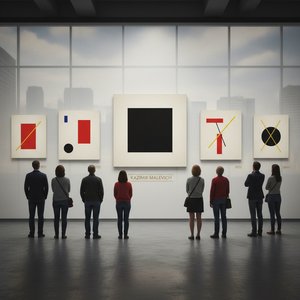
Kazimir Malevich: Pioneering Suprematism & the Quest for Non-Objective Art
Explore the revolutionary art of Kazimir Malevich & his groundbreaking Suprematism movement. Discover the origins, core principles, and lasting impact of this pivotal force in modern abstract painting.


