
 Podgląd w skali 1:1
 Wyślij jako kartkę
 Udostępnij
 Szczegóły dzieła
 Przewodnik

 Pobierz obraz
 Podobne obiekty
 RTG
RTG Pokaz slajdów
 Pytania i odpowiedzi
 Statystyki
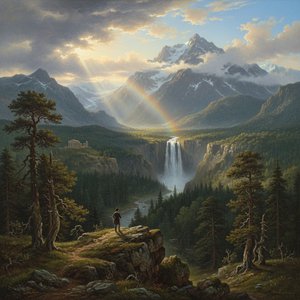
Self portrait

 Rozwiń treść
Giclée / Wydruk artystyczny
Wydruki giclée lub płótna o jakości muzealnej, szybka realizacja i szeroki wybór opcji wykończenia. ( Zamów ręcznie malowaną reprodukcję Przejdź do wersji cyfrowej)




P118B zł10

P118H zł10

P118W zł10

P438Z zł10

P508JH zł12

P508YH zł12

P805H zł10

P805Z zł10

P919BZ zł10

P919G zł10

P919XJ zł10

P959ZH zł10

P968JZ zł12

W106C zł8

W218G zł10

W218JH zł8

W218Y zł10

W307PJ zł10

W316G zł10

W316PJ zł8

W316Y zł10

W398PJ zł8

W4111J zł10

W500HY zł15

W500JH zł15

W692G zł12

W849H zł8

W940BG zł15

W953PJ zł8




Wybierz spośród naszych standardowych rozmiarów, które zachowują oryginalne proporcje dzieła sztuki.

Wpisz wymaganą szerokość i wysokość, aby dopasować grafikę do ramy lub ściany. Wydruk można jedynie przyciąć, nigdy nie powiększając go poza oryginalny obraz, dlatego format o innych proporcjach spowoduje utratę części kompozycji. Przed rozpoczęciem druku prześlemy Ci cyfrowy podgląd do zatwierdzenia. Obraz wyświetlany na tej stronie nie pokazuje rzeczywistego przycięcia — jedynie podgląd oddaje ten efekt.
Dostawa na cały świat () w ciągu 2 tygodni zamiast standardowych 4/5 tygodni. (4 Listopad)

Bezpłatna ekspresowa wysyłka na cały świat

Wysokiej jakości płótno lniane

Pełne ubezpieczenie przesyłki

Gwarancja zwrotu należności celnych i podatków importowych

Gwarancja wiernego odwzorowania kolorów

100-dniowa polityka zwrotów (tylko w przypadku wad)

Gwarancja 100% zwrotu pieniędzy

Zniżka przy zakupie wielu sztuk
 Opcja ze szkłem jest dostępna wyłącznie w rozmiarach poniżej 110 cm

Self portrait
Giclée / Wydruk artystyczny
Wymiary reprodukcji
-


Cena całkowita
zł 315
Biografia artysty
The Visionary Landscapes of Károly Markó the Younger
In the grand tapestry of nineteenth-century European art, few figures bridge the gap between technical precision and romantic soul as gracefully as Károly Markó the Younger. Born in Pest in 1822, Markó was a man of dual identities: an engineer by training and a master of light by vocation. This unique duality allowed him to approach the canvas with a structural understanding of the world, yet fill it with the ephemeral beauty of the Hungarian Puszta and the sun-drenched vistas of Italy. His journey from the disciplined corridors of engineering in Kolozsvár to the prestigious academies of Vienna and Florence represents a profound metamorphosis, one that saw him emerge as a pioneer of Hungarian landscape painting.
The early years of Markó’s life were defined by a rigorous pursuit of technical mastery. Before he ever wielded a brush to capture the soft glow of a sunset, he honed his skills in the precise language of mathematics and mechanics. This foundation proved invaluable; his landscapes possess an inherent architectural stability, where every horizon line and topographical feature feels grounded in reality. However, it was during his time in Rozsnyó that the call of the aesthetic began to eclipse the call of the mechanical. Inspired by the sweeping vistas of the Hungarian countryside and the evocative works of Eugène Delacroix, Markó began to translate the rugged beauty of his homeland into a visual language that resonated with the Romantic movement.
A Journey Through Light and Shadow
Markó’s artistic evolution was deeply influenced by his migrations across Europe. His move to Vienna in 1818 brought him into contact with the prestigious Academy of Fine Arts, where he refined his draftsmanship under the watchful eyes of the era's great masters. Yet, it was his Italian expeditions between 1832 and 1838 that truly ignited his creative spirit. In the warmth of Rome and the scenic landscapes near Pisa, Markó encountered a palette of light that would forever haunt his work. Despite enduring the physical hardships of malaria during his Roman sojourn, he emerged with a renewed devotion to capturing the atmospheric nuances of the Mediterranean landscape.
His style became a sophisticated dialogue between different artistic traditions. While his brushwork often recalled the classical elegance of Claude Lorrain, there was an unmistakable connection to the Macchiaoli painters and the School of Posillipo, particularly in his ability to capture spontaneous light and shadow. His works frequently feature:
- Atmospheric Depth: A masterful use of haze and light to create a sense of infinite distance.
- Narrative Landscapes: Scenes where human figures, such as fishermen or travelers, are integrated into the environment, often appearing small against the majesty of nature.
- Tonal Harmony: An earthy yet vibrant color palette that reflects both the ruggedness of the Hungarian plains and the luminous clarity of the Italian coast.
Legacy and Historical Significance
As his career progressed, Markó’s influence extended far beyond the canvas. He became a respected educator, serving as a Professor at the Academy of Fine Arts in Florence, Genoa, Perugia, and Urbino. Through his teaching, he shaped the next generation of landscape artists, imparting both his technical rigor and his romantic sensibility. His life eventually took him to Russia, where he sought new horizons before passing away in Moscow in 1891, marking the end of a truly cosmopolitan era of Hungarian art.
Today, the works of Károly Markó the Younger stand as vital historical documents of a changing Europe. He did not merely paint scenery; he captured the very essence of a landscape's spirit—the quietude of a river at dusk, the strength of a mountain range, and the nostalgic beauty of a vanishing era. His ability to blend the precision of an engineer with the passion of a Romantic poet ensures his place as a cornerstone of nineteenth-century art history, leaving behind a legacy that continues to inspire awe in all who gaze upon his luminous horizons.

Károly Markó The Younger
1822 - 1891
Krótka nota
- Full Name: Károly Markó the Younger
- Nationality: Hungarian
- Date Of Birth: 1822
- Date Of Death: 1891
- Place Of Birth: Pest, Hungary
- Notable Artworks:
- Visegrád
- The Puszta
- Italian Landscape with Viaduct and Rainbow
- Artistic Movement Or Style: Landscape Painting
- Artists Who Influenced This Artist: ['Contemporary Artists']
- Artists Or Movements Influenced By This Artist: ['European Watercolor']
Powiązane artykuły
Evoking Nature's Sublime: A Comprehensive Exploration of 19th-Century Landscape Painting
Explore the captivating world of 19th-century landscape painting! Discover renowned artists like Friedrich & Monet, key movements, and find the perfect artwork to bring nature's serenity into your home. Expert insights at OriginalUniqueArt.

Olej na płótnie: Historia, techniki i ponadczasowy urok malarskiego medium
Poznaj historię i techniki malarstwa olejowego! Od renesansowych mistrzów po współczesne zastosowania – wszystko o oleju na płótnie. Poradniki, konserwacja i inspiracje dla pasjonatów sztuki.

Trwała Spuścizna Malarstwa Olejnego: Technika, Historia i Estetyczny Wpływ
Poznaj historię i technikę malarstwa olejnego! Eksperckie artykuły o konserwacji, renowacji oraz współczesnych zastosowaniach. Dowiedz się więcej o mistrzach i trwałości obrazów olejnych.

Trwała Spuścizna Malarstwa Olejnego: Technika, Historia i Współczesna Praktyka
Poznaj historię i techniki malarstwa olejnego. Poradniki dla artystów, informacje o konserwacji oraz możliwość zamówienia wysokiej jakości reprodukcji obrazów. Ekspercka wiedza i gwarancja trwałości dzieł sztuki.

Romantyczny Krajobraz w Malarstwie: 10 Arcydzieł, Które Zdefiniowały Epokę | OriginalUniqueArt.com
Odkryj 10 arcydzieł romantyzmu w malarstwie! Poznaj historie Caspara Davida Friedricha, Turnera i innych mistrzów. Inspiracje wnętrzarskie & reprodukcje obrazów najwyższej jakości na OriginalUniqueArt.com. Eksploruj kolekcję online!