
 Zobacz w skali 1:1
 Wyślij
 Udostępnij
 Szczegóły
 Przewodnik

 Pobierz plik obrazu
 Podobne obiekty
 RTG
RTG Pokaz slajdów
 Statystyki
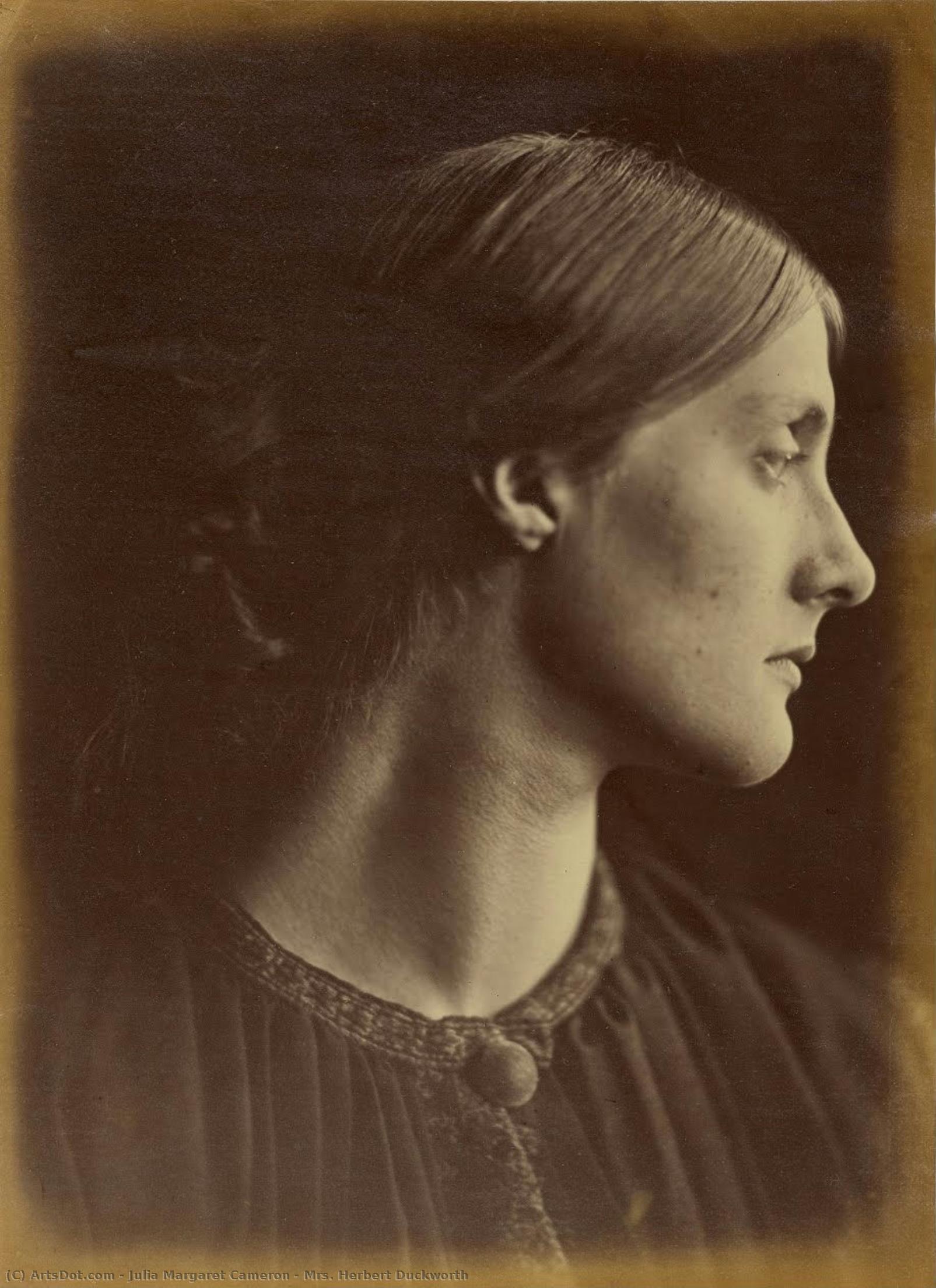
Mrs. Herbert Duckworth


 Czytaj więcej
Kup wysokiej rozdzielczości, ulepszony obraz cyfrowy o jakości znacznie przewyższającej podgląd online.
Każdy plik jest starannie przygotowywany przez naszych specjalistów przy użyciu zaawansowanych narzędzi oraz profesjonalnej, ręcznej retuszy. Dbamy o to, aby każdy obraz cechował się wyjątkową ostrością, precyzyjnym odwzorowaniem kolorów i subtelnymi detalami.
Ostateczny plik dostarczany jest drogą mailową w ciągu 72 godzin, zoptymalizowany do natychmiastowego wykorzystania w profesjonalnych zastosowaniach redakcyjnych i poligraficznych. To ta sama jakość, której ufają czołowe studia projektowe, wydawnictwa oraz galerie sztuki.
Obraz cyfrowy
Pobierz plik o wysokiej rozdzielczości do osobistego użytku, druku oraz projektów kreatywnych. ( Przełącz na wersję drukowaną Kup ręcznie malowany obraz)
W każdym zamówieniu na obraz cyfrowy znajduje się
Profesjonalna dostawa cyfrowa z gwarancją
Wybierając OriginalUniqueArt.com, nie otrzymujesz jedynie obrazu – otrzymujesz profesjonalnie udoskonalone cyfrowe dzieło sztuki, stworzone z najwyższą precyzją i objęte gwarancją satysfakcji. Oto wszystko, co automatycznie dołączane jest do Twojego zamówienia:

Błyskawiczna dostawa e-mailowa
Plik z obrazem cyfrowym w wysokiej rozdzielczości zostanie przesłany na Twój adres e-mail w ciągu 72 godzin od złożenia zamówienia – gotowy do natychmiastowego użycia.

Plik cyfrowy ulepszony przez AI
Twoja grafika została profesjonalnie zoptymalizowana przy użyciu zaawansowanych narzędzi AI oraz ręcznej edycji, co zapewnia maksymalną szczegółowość, klarowność i wierność kolorów.

Bezpłatna dożywotnia ponowna dostawa
Przypadkowo usunąłeś lub zgubiłeś swój plik? Bez obaw – prześlemy go Tobie ponownie w dowolnym momencie, bez żadnych opłat.

Bez opłat importowych – zawsze
Ciesz się swoją sztuką natychmiast, bez żadnych opłat celnych, należności ani kosztów dostawy – pliki cyfrowe są zawsze wolne od podatku.

Gwarancja odwzorowania kolorów
Dzięki zastosowaniu profesjonalnych narzędzi i procesów zarządzania barwą zapewniamy, że Twoje cyfrowe zdjęcie odzwierciedla oryginalne kolory tak wiernie, jak to tylko możliwe.

100 dni na satysfakcję
Jeśli nie będziesz zadowolony ze swojego cyfrowego obrazu, poprawimy go lub zwrócimy 100% kosztów w ciągu 100 dni – bez zbędnych pytań.

100% Gwarancja zwrotu pieniędzy
Nie jesteś zadowolony? Otrzymaj pełny zwrot kosztów w ciągu 100 dni od otrzymania pliku cyfrowego – bez zbędnych pytań.

Rabaty przy zamówieniach hurtowych
Kup 3 obrazy, oszczędź 10% - Kup 5, oszczędź 15% - Kup 10+, oszczędź 20%. Idealne do projektów kreatywnych, galerii i agencji.
The Enigmatic Beauty of Julia Jackson
Julia Margaret Cameron’s 1867 portrait of Mrs. Herbert Duckworth, a young woman poised with an almost unnerving composure, is far more than a simple likeness; it's a carefully constructed embodiment of Victorian ideals – strength, beauty, and a subtle hint of melancholy. The subject, Julia Jackson, was the daughter of Mia, Julia Margaret Cameron’s youngest sister, and John Jackson, a physician who had practiced in Calcutta. Her striking appearance immediately drew attention, prompting numerous marriage proposals, most notably from the renowned Pre-Raphaelite painter William Holman Hunt and sculptor Thomas Woolner. This particular portrait, one of several commissioned during her brief engagement with Hunt, captures a pivotal moment – a poised young woman on the cusp of a new life, radiating an aura of quiet dignity.

Image: Mrs. Herbert Duckworth by Julia Margaret Cameron
The Alchemy of Soft Focus and Light
Cameron’s mastery lies not in photographic realism, but in her manipulation of light and shadow to evoke mood and character. Employing the wet collodion process – a notoriously demanding technique requiring immediate development – she created images characterized by their soft focus, almost dreamlike quality. This deliberate blurring wasn't a flaw; it was a conscious choice designed to capture the essence of her subjects rather than their precise details. Notice how the light falls across Mrs. Duckworth’s face, highlighting the delicate curve of her cheekbone and the subtle shadows that deepen the expression in her eyes. The background is deliberately dark, drawing all attention to the sitter's head and shoulders – a technique reminiscent of ancient portraiture, particularly Roman busts, lending an air of timelessness and gravitas.
The composition itself is strikingly symmetrical, mirroring the Victorian emphasis on order and balance. The careful framing, with the bust presented in perfect proportion, speaks to Cameron’s meticulous approach and her desire to elevate her subjects to a level of heroic beauty. This deliberate arrangement elevates Mrs. Duckworth beyond a mere portrait; she becomes an emblem of refined womanhood.
A Victorian Ideal: Grace, Strength, and Quiet Resolve
Mrs. Herbert Duckworth embodies the complex ideals of Victorian femininity – strength tempered with grace, intellect alongside beauty, and a quiet resolve beneath a composed exterior. The portrait isn’t overtly romantic; there's no overt display of emotion. Instead, it conveys a sense of inner resilience, a subtle suggestion of sadness perhaps, or simply the weight of expectation placed upon women of her era. Cameron skillfully captures this duality, presenting a woman who is both vulnerable and formidable.
Her gaze, directed slightly off-camera, creates an intimate connection with the viewer, inviting us to contemplate her thoughts and feelings. The carefully chosen attire – a dark dress that emphasizes her figure while remaining understated – further reinforces this sense of quiet dignity. The portrait is not merely a representation of appearance; it’s a psychological study, revealing the inner life of a woman poised on the threshold of marriage and motherhood.
Legacy and Influence
Julia Margaret Cameron's work profoundly influenced subsequent generations of photographers and artists. Her pioneering use of soft focus and her ability to capture the emotional depth of her subjects paved the way for modern portraiture. Her influence extends beyond photography, inspiring painters like Edward Burne-Jones, who famously used her likeness as a model for the Virgin in his Annunciation painting. The image’s enduring appeal lies not only in its aesthetic beauty but also in its ability to evoke a sense of nostalgia for a bygone era – a time when portraiture was considered an art form capable of capturing not just appearances but also the very soul of its subject.
Biografia artysty
Julia Margaret Cameron (1815–1879): A Pioneering Vision
Julia Margaret Cameron, a name synonymous with the evocative power of 19th-century photography, emerged as a significant artistic voice remarkably late in life. Born Julia Pattle on June 11, 1815, in Kolkata, India, her early years were steeped in the vibrant cultural tapestry of Anglo-Indian society and shaped by a lineage that connected her to both British colonial administration and French aristocracy. This unique heritage instilled within her a cosmopolitan sensibility and an appreciation for beauty that would later permeate her artistic endeavors. Her upbringing was further enriched by extended periods spent in France, fostering a deep engagement with art, literature, and the intellectual currents of the time. The Pattle sisters were known for their unconventional spirit and embrace of Indian aesthetics, setting Julia apart from conventional Victorian expectations even before she picked up a camera.It wasn’t until 1863, at the age of 48, that Cameron discovered her passion for photography. A gift from her daughter and son-in-law—a wet collodion camera—ignited a creative fire within her. This was not merely a hobby; it became an all-consuming pursuit that would define the next eleven years of her life. She quickly established herself within a circle of prominent Victorian intellectuals and artists, drawn to the artistic possibilities of this relatively new medium. Her home on the Isle of Wight transformed into a haven for creativity, attracting luminaries such as Alfred Lord Tennyson, Charles Darwin, and George Frederic Watts—all of whom would become subjects of her iconic portraits.
Artistic Innovation and Technical Mastery
Cameron’s photographic style was immediately distinctive, and often controversial. Rejecting the prevailing emphasis on sharp focus and meticulous detail favored by many of her contemporaries, she deliberately embraced a soft-focus aesthetic. This wasn't due to technical limitations but rather a conscious artistic choice. She believed that softening the image allowed her to capture not merely the likeness of her subjects, but their inner essence—their character, emotions, and spiritual depth. Her closely cropped compositions further intensified this intimacy, drawing viewers into a direct and profoundly personal encounter with those portrayed.
Cameron’s mastery extended beyond aesthetic choices; she was also a skilled manipulator of the wet collodion process itself. This complex technique, requiring immediate development after exposure, allowed her to experiment with various effects, including blurring, double exposures, and dramatic lighting. She treated photography not as a purely mechanical reproduction of reality, but as an art form akin to painting—a means of expressing her own artistic vision. Her willingness to push the boundaries of photographic technique challenged conventional norms and paved the way for future generations of artists who sought to explore the expressive potential of the medium.
Themes and Influences: Mythology, Literature, and the Human Spirit
While Cameron is celebrated for her penetrating portraits, her artistic vision extended far beyond capturing likenesses. She was deeply fascinated by mythology, literature, and religious allegory, themes that frequently appeared in her work. Inspired by the Pre-Raphaelite movement’s interest in medieval romance and Arthurian legends, she staged elaborate tableaux vivants—living pictures—depicting scenes from Tennyson's *Idylls of the King* and other literary sources. These allegorical images were not simply illustrations; they were imbued with a profound sense of emotion and spiritual yearning.
Her artistic influences were diverse, ranging from Renaissance painting to contemporary literature and theatre. She admired the dramatic lighting and emotional intensity of Italian masters like Correggio and sought to emulate their effects in her own work. The influence of her close friend, poet Alfred Lord Tennyson, is particularly evident in her numerous portraits of him and her interpretations of his poetry. However, at the heart of Cameron’s art lay a deep fascination with the human spirit—a desire to capture the beauty, complexity, and vulnerability of individuals from all walks of life.
Life and Career
Julia Margaret Cameron urodziła się w Indiach, gdzie pracował jej ojciec, Anglik James Pattle. Matka, Thérèse l’Etang, była Francuzką. Z dziewięciorga rodzeństwa Julii Margaret dzieciństwo przeżyło tylko sześć jej sióstr, wraz z którymi kształciła się w Europie. Podczas rekonwalescencji w południowej Afryce Julia Margaret poznała swojego przyszłego męża, Charlesa Haya Camerona, którego poślubiła w 1838 r. w Kalkucie. Cameronowie zamieszkali w Indiach, utrzymując się z przychodów z plantacji kawy na Cejlonie. W Anglii weszli w kręgi artystów (takich jak George Frederick Watts, Alfred Tennyson), naukowców i polityków. Gdy Tennysonowie zostali właścicielami posiadłości we Freshwater, Cameronowie kupili w pobliżu domek nazwany „Dimbola”. W 1863 r. Cameron otrzymała swój pierwszy aparat fotograficzny i odtąd z sukcesem zajmowała się fotografowaniem. W październiku roku 1875 Cameronowie nagle wyjechali na Cejlon, co w zasadzie przerwało jej karierę (na Cejlonie fotografowała niewiele). Cztery lata później Cameron zmarła.
Legacy and Recognition
Despite facing criticism during her lifetime for her unconventional style, Julia Margaret Cameron's work has endured as a testament to her artistic vision and technical skill. Her pioneering use of soft focus, close-up compositions, and allegorical themes profoundly influenced the development of pictorial photography—a movement that emphasized artistic expression over strict realism. Her portraits continue to captivate viewers with their psychological depth and emotional resonance.
Today, Cameron’s photographs are held in prestigious collections around the world, including The Museum of Modern Art in New York, the J. Paul Getty Museum, and the Ingram Collection of Modern British and Contemporary Art in London. Her legacy extends beyond the realm of photography; she is recognized as a trailblazing female artist who challenged societal norms and paved the way for future generations of women photographers.

Julia Margaret Cameron
1815 - 1879 , Indie
Najważniejsze informacje
- Artistic Movement Or Style: Pictorializm, Portret
- Artists Or Movements Influenced By This Artist: ['Pre-Raphaelici']
- Artists Who Influenced This Artist: ['George Frederick Watts']
- Date Of Birth: 11 czerwca 1815
- Date Of Death: 26 stycznia 1879
- Full Name: Julia Margaret Cameron
- Nationality: Brytyjka
- Notable Artworks:
- Alfred, Lord Tennyson
- Dimbola
- Place Of Birth: Kolkata, Indie