
 Podgląd w skali 1:1
 Wyślij jako kartkę
 Udostępnij
 Szczegóły dzieła
 Przewodnik

 Pobierz obraz
 Podobne obiekty
 RTG
RTG Pokaz slajdów
 Q&A
Q&A Statystyki
St Jerome

- 252.0 x 133.0 cm


 Rozwiń treść
Giclée / Wydruk artystyczny
Wydruki giclée lub płótna o jakości muzealnej, szybka realizacja i szeroki wybór opcji wykończenia. ( Zamów ręcznie malowaną reprodukcję Przejdź do wersji cyfrowej)




P118B zł10

P118H zł10

P118W zł10

P438Z zł10

P508JH zł12

P508YH zł12

P805H zł10

P805Z zł10

P919BZ zł10

P919G zł10

P919XJ zł10

P959ZH zł10

P968JZ zł12

W106C zł8

W218G zł10

W218JH zł8

W218Y zł10

W307PJ zł10

W316G zł10

W316PJ zł8

W316Y zł10

W398PJ zł8

W4111J zł10

W500HY zł15

W500JH zł15

W692G zł12

W849H zł8

W940BG zł15

W953PJ zł8




Wybierz spośród naszych standardowych rozmiarów, które zachowują oryginalne proporcje dzieła sztuki.

Wpisz wymaganą szerokość i wysokość, aby dopasować grafikę do ramy lub ściany. Wydruk można jedynie przyciąć, nigdy nie powiększając go poza oryginalny obraz, dlatego format o innych proporcjach spowoduje utratę części kompozycji. Przed rozpoczęciem druku prześlemy Ci cyfrowy podgląd do zatwierdzenia. Obraz wyświetlany na tej stronie nie pokazuje rzeczywistego przycięcia — jedynie podgląd oddaje ten efekt.
Dostawa na cały świat () w ciągu 2 tygodni zamiast standardowych 4/5 tygodni. (1 Listopad)

Bezpłatna ekspresowa wysyłka na cały świat

Wysokiej jakości płótno lniane

Pełne ubezpieczenie przesyłki

Gwarancja zwrotu należności celnych i podatków importowych

Gwarancja wiernego odwzorowania kolorów

100-dniowa polityka zwrotów (tylko w przypadku wad)

Gwarancja 100% zwrotu pieniędzy

Zniżka przy zakupie wielu sztuk
 Opcja ze szkłem jest dostępna wyłącznie w rozmiarach poniżej 110 cm

St Jerome
Giclée / Wydruk artystyczny
Wymiary reprodukcji
-


Cena całkowita
zł 311
A Vision of Divine Contemplation
In the profound stillness of his study, St. Jerome emerges from the shadows of history, captured in a moment of eternal reflection by the Spanish Baroque master Juan de Valdés Leal. Painted in 1656, this monumental oil on canvas is far more than a mere religious portrait; it is a visceral encounter with the soul's pursuit of truth. As one gazes upon the saint, there is an immediate sense of being drawn into a private, sacred space where the boundaries between the earthly and the divine begin to blur. The composition is anchored by the figure of Jerome, rendered in striking hues of crimson and white, his presence commanding yet deeply humble. He sits amidst the tools of his scholarly devotion, his eyes fixed upon an open book that glows with the soft, flickering light of a nearby candle—a symbol of the illuminating power of scripture and the tireless intellectual labor required to grasp divine mysteries.
The atmosphere of the painting is thick with the weight of spiritual gravity, yet it is punctuated by moments of ethereal grace. Floating just above the saint’s head, an angelic figure descends, a celestial messenger bearing a sacred scroll. This presence provides a breathtaking counterpoint to the heavy, earthly textures of the study, suggesting that even in the deepest solitude of study, one is never truly alone when seeking the light of God. For the collector or designer, this interplay between the terrestrial and the celestial offers a profound emotional resonance, making the piece an ideal centerpiece for spaces dedicated to quiet thought, literature, or spiritual repose.
The Mastery of Light and the Vanitas Motif
Valdés Leal’s technical prowess is most evident in his masterful use of chiaroscuro, the dramatic interplay of light and shadow that defines the Baroque era. The artist manipulates light not merely to illuminate, but to sculpt form and evoke mood. Shadows pool deeply in the corners of the room, creating a sense of infinite depth, while sharp highlights catch the folds of Jerome’s heavy robes and the weathered texture of his skin, lending the figure an almost tactile realism. This technique directs the viewer's eye with surgical precision, moving from the luminous face of the saint to the symbolic objects scattered across his desk.
Embedded within this scholarly setting is a poignant reminder of the vanitas tradition—a theme central to the seventeenth-century consciousness. At Jerome’s feet rests a skull, a stark and sobering memento mori that serves as a silent witness to the inevability of death and the fleeting nature of mortal life. This symbol, paired with the candlelight that threatens to expire, creates a powerful tension between the permanence of faith and the transience of flesh. To possess a reproduction of such a work is to invite a conversation about legacy, time, and the enduring importance of what remains after the shadows fall. It is a masterpiece of texture and meaning, offering an unparalleled sense of drama and sophistication to any curated collection.
Pytania i odpowiedzi
Jak duży jest kontrast w „St Jerome” – Juan de Valdés Leal?
Kontrast jasności w dziele "St Jerome" wynosi Bold. Kontrast określa stopień zróżnicowania między obszarami jasnymi a ciemnymi.
Czy dzieło "St Jerome" znajduje się w kraju swojego twórcy?
Nie – dzieło znajduje się poza granicami kraju artysty. Juan de Valdés Leal urodził(a) się w Hiszpania, natomiast muzeum przechowujące oryginał dzieła „St Jerome” znajduje się w Spain.
Czy dzieło "St Jerome" jest w ogólnym rozrachunku jaśniejsze czy ciemniejsze?
Jasność dzieła „St Jerome” – Juan de Valdés Leal wynosi balanced, przy luminancji na poziomie Soft Shadow.
Biografia artysty
wczesne życie i szkolenie
juan de valdés leal, znamienny hiszpański malarz i grafik, przyszedł na świat 4 maja 1622 roku w Sewilli, w Hiszpanii. Jego niezwykła wszechstronność pozwoliła mu rozwinąć się nie tylko jako malarz, ale także rzeźbiarz i architekt, co uczyniło go jedną z najbardziej wielowymiarowych postaci świata sztuki. Już u progu swojej dojrzałości, w wieku dwudziestu lat, kształtował swój talent pod okiem antonio del castillo w Córdobie, doskonaląc warsztat w samym sercu epoki baroku.znamienne dzieła i współpraca
twórczość valdés leala obejmuje dzieła o niezwykłej sile wyrazu, wśród których znajdują się:- historia proroka Eliasza stworzona dla kościoła karmelitów
- męczeństwo św. Andrzeja przeznaczone dla kościoła san francesco w Córdobie
- triumf krzyża dla la caridad w Sewilli
życie osobiste i dziedzictwo
w 1647 roku valdés leal poślubił isabellę carasquilla, również malarkę. Małżeństwo to obdarowało świat pięciorgiem dzieci, z których kilka, w tym lucas, maria i laura, podążyło śladami ojca, stając się artystami. Valdés leal odszedł 15 października 1690 roku w Sewilli, pozostawiając po sobie niezatarty ślad w historii sztuki.podziwianie jego dzieł w OriginalUniqueArt.com
aby zgłębić bogactwo twórczości valdés leala, odwiedź https://OriginalUniqueArt.com/@/juan de valdés leal, gdzie możesz odnaleźć:- 165 dzieł sztuki autorstwa juana de valdés leala
- reprodukcje muzejskiej jakości jego malarstwa
- styl barokowy, charakterystyczny dla tej epoki wikipedia: juan de valdés leal
odkryj więcej w OriginalUniqueArt.com
- museo de bellas artes de asturias (hiszpania): poznaj kolekcję muzeum, prezentującą sztukę europejską od XII do początku XX wieku.
- the museum of fine arts of seville, spain: dowiedz się więcej o historii, zbiorach i informacjach o zwiedzaniu tego muzeum. doświadcz świata sztuki z OriginalUniqueArt.com

Juan de Valdés Leal
1622 - 1690 , Hiszpania
Krótka nota
- Artistic Movement Or Style: Baroque painting
- Artists Or Movements Influenced By This Artist: ['Bartolomé Esteban Murillo']
- Artists Who Influenced This Artist:
- Antonio del Castillo
- Francisco de Herrera
- Date Of Birth: May 4, 1622
- Date Of Death: October 15, 1690
- Full Name: Juan de Nisa Valdés Leal
- Nationality: Spanish
- Notable Artworks:
- History of the Prophet Elias
- Martyrdom of St. Andrew
- Triumph of the Cross
- Place Of Birth: Seville, Spain
Powiązane artykuły

Francisco Goya: 25 Arcydzieł Genialnego Malarza Hiszpańskiego | OriginalUniqueArt.pl
Odkryj 25 arcydzieł Francisco Goyi – od portretów królewskich po dramatyczne 'Czarne Malowidła'. Poznaj historię, technikę i emocje hiszpańskiego mistrza. Reprodukcje obrazów najwyższej jakości na OriginalUniqueArt.com! Eksploruj kolekcję online.

O nas
Odkryj naszą historię! Wprowadzamy światowej klasy sztukę do Twojego życia dzięki starannie dobranym dziełom, personalizowanym kreacjom i bezpłatnym podglądom. Cenione przez osoby prywatne i firmy od 2000 roku.
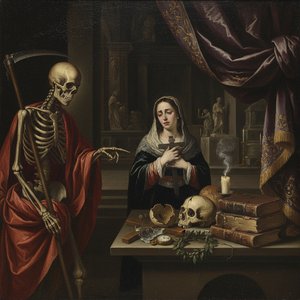
Juan de Valdés Leal: Baroque Realism, Memento Mori & Theatricality of Spanish Grief
Explore the powerful Baroque realism of Juan de Valdés Leal (1622-1690). Discover his somber masterpieces, iconic 'In Ictu Oculi', and profound explorations of mortality. Museum-quality reproductions available at OriginalUniqueArt.
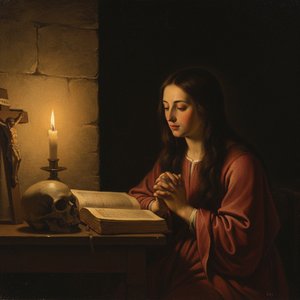
Georges de La Tour: Luminosity, Spirituality & Realism in Baroque Painting
Discover the captivating world of Georges de La Tour, a Baroque master renowned for his dramatic chiaroscuro & spiritual realism. Explore key works, influences, and his remarkable rediscovery. Learn more at OriginalUniqueArt.

Mastering Devotion: The Most Iconic Depictions of Saint Jerome in Art History
Explore the profound iconography of Saint Jerome through art history's most iconic masterpieces. From Renaissance serenity to Baroque drama, discover how legendary painters captured divine devotion in breathtaking oil paintings and fine art reproductions.
