

 Zobacz w skali 1:1
 Wyślij
 Udostępnij
 Szczegóły
 Przewodnik

 Pobierz plik obrazu
 Podobne obiekty
 RTG
RTG Pokaz slajdów
 Statystyki
Subiaco
 Realism
 1786
1786 17.0 x 25.0 cm
 Metropolitan Museum of Art
 Czytaj więcej
Giclée / Wydruk artystyczny
Wydruki giclée lub płótna o jakości muzealnej, szybka realizacja i szeroki wybór opcji wykończenia. ( Kup ręcznie malowany obraz Przełącz na wersję cyfrową)




































Wybierz spośród naszych standardowych rozmiarów, które zachowują oryginalne proporcje dzieła sztuki.

Wpisz wymaganą szerokość i wysokość, aby dopasować grafikę do ramy lub ściany. Wydruk można jedynie przyciąć, nigdy nie powiększając go poza oryginalny obraz, dlatego format o innym proporcji spowoduje utratę części kompozycji. Przed rozpoczęciem druku prześlemy Ci cyfrowy podgląd do zatwierdzenia. Obraz wyświetlany na tej stronie nie pokazuje rzeczywistego przycięcia — jedynie podgląd oddaje ten efekt.
Dostawa na cały świat () w ciągu 2 tygodni zamiast standardowych 4/5 tygodni. (22 Październik)

Bezpłatna ekspresowa wysyłka na cały świat

Wysokiej jakości płótno lniane

Pełne ubezpieczenie transportowe

Gwarancja zwrotu należności celnych i podatków importowych

Gwarancja idealnego odwzorowania barw

100-dniowy okres na zwrot dzieła w przypadku wykrycia wad produkcyjnych

Gwarancja 100% zwrotu pieniędzy

Oferta przy zakupie wielu sztuk
 Opcja ze szkłem jest dostępna wyłącznie w rozmiarach poniżej 110 cm

Subiaco
Giclée / Wydruk artystyczny
Rozmiar reprodukcji
-


Suma do zapłaty
zł 307
Pytania i odpowiedzi
Czy mogę zobaczyć „Subiaco” autorstwa Joseph Pierre Xavier Bidauld na własnej ścianie przed zakupem?
Dzieło „Subiaco” posiada podgląd w rozszerzonej rzeczywistości: strona Podgląd AR dzieła pozwala zobaczyć je w Twojej własnej przestrzeni na kompatybilnym urządzeniu.
Jak mogę pobrać obraz dzieła „Subiaco” autorstwa Joseph Pierre Xavier Bidauld?
Możliwość pobrania dzieła „Subiaco”: strona Pobierz oferuje wysokiej rozdzielczości cyfrowe zdjęcie do pobrania.
Który kolor najbardziej wyróżnia się w "Subiaco"?
Dominującym kolorem dzieła „Subiaco” autorstwa Joseph Pierre Xavier Bidauld jest Rosy Brown (#ada798).
Biografia artysty
Jean-Joseph-Xavier Bidauld: The Quiet Landscape Painter
Jean-Joseph-Xavier Bidauld (10 April 1758 – 20 October 1846) was a French painter whose career unfolded largely outside the spotlight of Parisian artistic circles, yet yielded remarkable landscapes imbued with an understated beauty and profound sensitivity to Italianate traditions. Born in Carpentras, Provence, Bidauld’s formative years were spent honing his craft alongside his brother, Jean-Pierre Xavier, in Lyon—a city renowned for its textile industry and burgeoning artistic patronage. This early exposure instilled a disciplined approach to painting that would characterize his entire oeuvre.- Early Training & Travels: Bidauld’s formal training began with Jean-Pierre Xavier, who recognized his talent and encouraged him to pursue studies in Lyon. Recognizing the importance of broadening artistic horizons, he embarked on a significant journey to Paris in 1783, where he secured commissions from Dulac, a prominent perfume merchant and art dealer who became instrumental in supporting his subsequent explorations into Italian landscape painting.
- The Florentine Influence: Dulac’s generosity enabled Bidauld to spend five years immersed in the artistic fervor of Florence—a pivotal period that cemented his stylistic preferences. The Tuscan countryside, with its rolling hills and cypress trees, captivated him, profoundly shaping his vision of ideal beauty. He meticulously studied the techniques pioneered by artists like Canaletto and Claude Lorrain, mastering atmospheric perspective and capturing fleeting moments of light and shadow.
- Salon Recognition & Artistic Development: Returning to Paris in 1790, Bidauld swiftly gained acceptance into the Salon—the official art exhibition of the Académie des Beaux-Arts—establishing himself as a respected figure within the Parisian artistic landscape. His participation continued consistently throughout his life, allowing him to refine his style and garner critical acclaim.
- Notable Works & Patronage: Among Bidauld’s most celebrated paintings is “View of the Bridge and Part of the Town of Cava,” a breathtaking depiction of Lake Cellano and Mount Vesuvius commissioned by the Royal Family of Naples—a testament to his ability to convey grandeur and serenity simultaneously. His landscapes were admired by fellow artists like Camille Corot, who recognized Bidauld’s understated mastery of tonal harmony and compositional balance.
- Legacy & Decline: Despite considerable success during his lifetime, Bidauld experienced a notable decline in popularity after the mid-1820s—primarily due to disputes surrounding the Salon jury and its perceived bias against younger artists like Théodore Rousseau. This controversy overshadowed his artistic achievements and contributed to his impoverished circumstances upon his death in 1846. Nevertheless, Bidauld’s landscapes endure as emblems of Romantic sensibility, embodying a quiet contemplation of nature that continues to resonate with viewers today.

Joseph Pierre Xavier Bidauld
1758 - 1846
Najważniejsze informacje
- Full Name: Jean-Joseph-Xavier Bidauld
- Nationality: French
- Date Of Birth: 1758
- Date Of Death: 1846
- Place Of Birth: Carpentras, France
- Notable Artworks: ['View of the Bridge and Part of the Town of Cava']
- Artistic Movement Or Style: Romantic Landscape
- Artists Who Influenced This Artist: ['Camille Corot']
- Artists Or Movements Influenced By This Artist: ['Barbizon School']
Zobacz także powiązane artykuły

Romantyczny Krajobraz w Malarstwie: 10 Arcydzieł, Które Zdefiniowały Epokę | OriginalUniqueArt.com
Odkryj 10 arcydzieł romantyzmu w malarstwie! Poznaj historie Caspara Davida Friedricha, Turnera i innych mistrzów. Inspiracje wnętrzarskie & reprodukcje obrazów najwyższej jakości na OriginalUniqueArt.com. Eksploruj kolekcję online!

Echa Miejsca: Historyczna Podróż przez Sztukę Krajobrazu
Odkryj historię sztuki krajobrazu – od romantycznych wizji Friedricha po surrealistyczne pejzaże Dalego. Analizy, inspiracje i reprodukcje obrazów najwyższej jakości na OriginalUniqueArt.com.

Evocations of Place: A Historical Journey Through Landscape Art
Explore the rich history of landscape art with OriginalUniqueArt. Discover renowned artists, movements like Impressionism & Romanticism, and expert guidance for collecting timeless pieces. Find your perfect serene escape today!
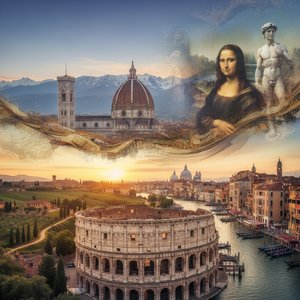
Timeless Italy: A Visual Journey Through Iconic Masterpieces and Eternal Landscapes
Embark on a visual journey through Italy's most iconic landscapes and Renaissance masterpieces. Discover the profound beauty of classical art, from Venetian altarpieces to serene countryside vistas, curated for the discerning art enthusiast and collector.

Evoking Atmosphere & Identity: A Journey Through Landscape Painting's History
Explore the rich history of landscape painting! Discover renowned artists, movements like Romanticism, & techniques such as atmospheric perspective. Find inspiration and quality reproductions at OriginalUniqueArt.
