
 Podgląd w skali 1:1
 Wyślij jako kartkę
 Udostępnij
 Szczegóły dzieła
 Przewodnik

 Pobierz obraz
 Podobne obiekty
 RTG
RTG Pokaz slajdów
 Pytania i odpowiedzi
 Statystyki
Ivy bridge devonshire


 Rozwiń treść
Giclée / Wydruk artystyczny
Wydruki giclée lub płótna o jakości muzealnej, szybka realizacja i szeroki wybór opcji wykończenia. ( Zamów ręcznie malowaną reprodukcję Przejdź do wersji cyfrowej)




P118B zł10

P118H zł10

P118W zł10

P438Z zł10

P508JH zł12

P508YH zł12

P805H zł10

P805Z zł10

P919BZ zł10

P919G zł10

P919XJ zł10

P959ZH zł10

P968JZ zł12

W106C zł8

W218G zł10

W218JH zł8

W218Y zł10

W307PJ zł10

W316G zł10

W316PJ zł8

W316Y zł10

W398PJ zł8

W4111J zł10

W500HY zł15

W500JH zł15

W692G zł12

W849H zł8

W940BG zł15

W953PJ zł8




Wybierz spośród naszych standardowych rozmiarów, które zachowują oryginalne proporcje dzieła sztuki.

Wpisz wymaganą szerokość i wysokość, aby dopasować grafikę do ramy lub ściany. Wydruk można jedynie przyciąć, nigdy nie powiększając go poza oryginalny obraz, dlatego format o innych proporcjach spowoduje utratę części kompozycji. Przed rozpoczęciem druku prześlemy Ci cyfrowy podgląd do zatwierdzenia. Obraz wyświetlany na tej stronie nie pokazuje rzeczywistego przycięcia — jedynie podgląd oddaje ten efekt.
Dostawa na cały świat () w ciągu 2 tygodni zamiast standardowych 4/5 tygodni. (7 Listopad)

Bezpłatna ekspresowa wysyłka na cały świat

Wysokiej jakości płótno lniane

Pełne ubezpieczenie przesyłki

Gwarancja zwrotu należności celnych i podatków importowych

Gwarancja wiernego odwzorowania kolorów

100-dniowa polityka zwrotów (tylko w przypadku wad)

Gwarancja 100% zwrotu pieniędzy

Zniżka przy zakupie wielu sztuk
 Opcja ze szkłem jest dostępna wyłącznie w rozmiarach poniżej 110 cm

Ivy bridge devonshire
Giclée / Wydruk artystyczny
Wymiary reprodukcji
-


Cena całkowita
zł 317
Ivy Bridge Devonian: A Symphony of Light and Landscape
J.M.W. Turner’s “Ivy Bridge Devonshire” is more than just a depiction of a picturesque English scene; it's an immersive experience, a testament to the Romantic artist’s profound connection with nature and his mastery of light as a subject in itself. Created during the early 19th century, this oil painting captures a serene moment along the River Dart near Ivy Bridge, Devon, inviting the viewer into a world where the tangible and the ethereal intertwine. The scene unfolds with a gentle grace – a river flowing through a valley embraced by ancient trees, culminating in the elegant curve of a stone bridge that acts as a visual anchor within this expansive composition.
The Romantic Vision: Turner’s Technique
- Expressive Coloration: Turner's signature technique—the deliberate manipulation of color to evoke emotion rather than strict realism—is immediately apparent. The cool blues and greens dominating the river and foliage create a sense of tranquility, while warm yellows and browns in the trees and rocks introduce pockets of warmth and vitality.
- Light as a Force: Turner was obsessed with capturing the effects of light, particularly its ability to transform landscapes. Notice how he uses diffused sunlight to illuminate the water’s surface, creating shimmering reflections that dance across the scene. This isn't simply a representation of light; it’s an exploration of its power and beauty.
- Watercolor-Inspired Brushwork: Despite being executed in oil paint, Turner employs techniques reminiscent of watercolor washes – loose, fluid strokes that build up layers to create depth and atmosphere. The dry brushwork adds texture to the rocks and foliage, enhancing the sense of realism while maintaining a painterly quality.
Historical Context: Echoes of the Romantic Era
“Ivy Bridge Devonshire” firmly establishes itself within the context of the Neo-Romantic movement, a period in British art characterized by an intense focus on emotion, imagination, and the sublime. Turner, as a leading figure of this era, was deeply influenced by the writings of poets like William Wordsworth and Samuel Taylor Coleridge, who championed the power of nature to inspire awe and spiritual reflection. His travels across England – meticulously documented in his extensive sketchbooks – provided him with an unparalleled understanding of the country’s diverse landscapes, fueling his artistic vision.
Symbolism and Emotional Resonance
Beyond its aesthetic beauty, “Ivy Bridge Devonshire” carries a profound symbolic weight. The river represents the flow of time, while the bridge symbolizes connection – both physical and spiritual. The scene evokes themes of escape, contemplation, and the restorative power of nature, inviting viewers to pause and appreciate the simple elegance of the natural world. Turner’s ability to capture this emotional response is a key element of his enduring legacy.
A Timeless Masterpiece – Perfect for Your Space
This exceptional reproduction captures the essence of Turner's genius, offering a stunning addition to any art collection or interior design scheme. Its serene composition and masterful use of light create a calming atmosphere, perfect for creating a tranquil retreat. Bring the beauty of the English countryside into your home with this hand-painted reproduction – a true testament to the enduring power of Romantic art.
Pytania i odpowiedzi
Czy można pobrać obraz "Ivy bridge devonshire"?
„Ivy bridge devonshire” – Józef Mallord William Turner można pobrać ze strony Pobierz plik cyfrowy dzieła jako wysokiej rozdzielczości cyfrowe zdjęcie do pobrania.
Czy mogę zobaczyć podgląd „Ivy bridge devonshire” – Józef Mallord William Turner przed złożeniem zamówienia?
Strona Podgląd w pomieszczeniu dzieła „Ivy bridge devonshire” pozwala na podgląd obrazu przed złożeniem zamówienia.
Do jakiego nurtu należy "Ivy bridge devonshire"?
„Ivy bridge devonshire” to dzieło należące do nurtu Neo-Romanticism. Nurt ten określa tradycję artystyczną, w której osadzone jest dzieło.
Biografia artysty
The Luminary of Light: A Journey Through the Life and Art of J.M.W. Turner
Joseph Mallord William Turner, a name synonymous with the sublime power of landscape and the evocative dance of light, remains one of Britain’s most celebrated and influential artists. Born in Covent Garden, London, in 1775, Turner's journey from a barber’s son to a master painter was fueled by an innate talent, relentless dedication, and a visionary spirit that would forever alter the course of art history. From his earliest days sketching architectural details to his later, almost abstract explorations of atmosphere and color, Turner consistently pushed the boundaries of artistic expression.
His formal training began at the Royal Academy Schools in 1789, where he quickly distinguished himself as a promising student. However, Turner was not content with merely replicating established styles; he sought to capture the very essence of nature – its raw power, its fleeting beauty, and its inherent drama. Early works reveal a meticulous attention to topographical detail, reflecting the prevailing artistic tastes of the time. Yet, even in these early pieces, hints of his future direction are visible—a sensitivity to light and shadow, a willingness to experiment with color, and an emerging fascination with the sublime.
The Evolution of a Visionary: From Topography to Transcendence
Turner’s artistic development was marked by constant experimentation and a growing desire to move beyond mere representation. Influenced by masters like Claude Lorrain and J.M.W. Cozens, he began to infuse his landscapes with a romantic sensibility, emphasizing emotional response over precise depiction. His travels throughout Europe, beginning in 1802, proved pivotal, exposing him to diverse landscapes and inspiring new approaches to composition and color. He wasn’t simply recording what he saw; he was interpreting it through the lens of his own unique vision.
The early 19th century witnessed a shift in Turner's style towards greater expressiveness. His seascapes, in particular, became increasingly dramatic, capturing the fury and majesty of the ocean with unprecedented intensity. Paintings like “The Fighting Temeraire Tugged to Her Last Berth to Be Broken Up” (1839) are not merely depictions of a ship being towed to its final resting place; they are poignant meditations on mortality, loss, and the relentless march of progress. The use of light in this work is particularly striking—a golden sunset casting a melancholic glow over the scene, symbolizing the passing of an era.
A Master of Atmosphere: Light, Color, and the Sublime
Turner’s later works are characterized by an almost radical departure from traditional artistic conventions. He increasingly prioritized atmosphere and color over form and detail, creating paintings that seem to dissolve into pure light and energy. Works like “Rain, Steam and Speed – The Great Western Railway” (1844) exemplify this approach—a swirling vortex of color and motion that captures the dynamism of the industrial age. Critics were often baffled by these later works, but their influence on subsequent generations of artists would prove profound.
He was a pioneer in exploring the effects of light and atmosphere, anticipating the Impressionists’ focus on capturing fleeting moments and subjective perceptions. His use of color was equally innovative—bold, vibrant hues applied with loose brushstrokes to create a sense of movement and energy. Turner wasn't simply painting landscapes; he was attempting to convey the very *feeling* of being in nature – the awe, the wonder, the terror.
Notable Works & Collections
- The Morning After the Deluge (1843): A powerful depiction of nature’s forces, housed in the Tate Collection, London.
- Chichester Canal (1828): Commissioned by George Wyndham, currently at the Tate Collection.
- Ruins of Tintern Abbey: A stunning watercolor showcasing his mastery of light and atmosphere, found in the Calouste Gulbenkian Museum (Lisboa, Portugal).
- The Fighting Temeraire Tugged to Her Last Berth to Be Broken Up (1839): A poignant masterpiece exploring themes of loss and change.
- Rain, Steam and Speed – The Great Western Railway (1844): Capturing the dynamism of the industrial age with swirling color and motion.
Legacy and Influence: The Painter Who Changed Painting
J.M.W. Turner’s legacy extends far beyond his prolific output—over 550 oil paintings, 2,000 watercolors, and 30,000 works on paper. He left an indelible mark on the history of art, influencing countless artists who followed in his footsteps. The Impressionists, particularly Claude Monet, were deeply inspired by Turner’s exploration of light and color, while abstract expressionists like Mark Rothko acknowledged their debt to his atmospheric compositions.
Turner's willingness to challenge conventions, his relentless experimentation, and his unwavering commitment to artistic vision continue to resonate with artists and art lovers today. He remains a pivotal figure in the development of modern art, a true visionary who transformed the way we see and experience the world around us. His works are housed in major museums worldwide, including the Tate Britain in London, where visitors can immerse themselves in the luminous beauty and profound emotional depth of his extraordinary paintings.
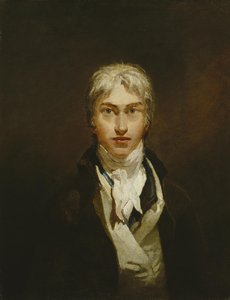
Józef Mallord William Turner
1775 - 1851 , Wielka Brytania
Krótka nota
- Artistic Movement Or Style: Romantyzm
- Artists Or Movements Influenced By This Artist: ['Impressionizm']
- Date Of Birth: 23 kwietnia 1775
- Date Of Death: 19 grudnia 1851
- Full Name: Joseph Mallord William Turner
- Nationality: Wielkobritsky
- Notable Artworks:
- Zachód słońca
- Deszcz, para
- Place Of Birth: Londyn, Wielka Brytania
Powiązane artykuły

Romantyczny Krajobraz w Malarstwie: 10 Arcydzieł, Które Zdefiniowały Epokę | OriginalUniqueArt.com
Odkryj 10 arcydzieł romantyzmu w malarstwie! Poznaj historie Caspara Davida Friedricha, Turnera i innych mistrzów. Inspiracje wnętrzarskie & reprodukcje obrazów najwyższej jakości na OriginalUniqueArt.com. Eksploruj kolekcję online!
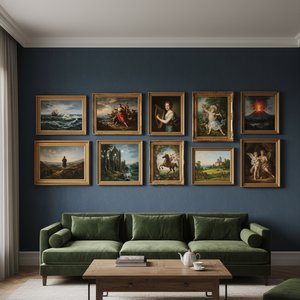
10 Arcydzieł Romantyzmu, które Zdefiniowały Epokę | OriginalUniqueArt.pl
Odkryj 10 arcydzieł romantyzmu! Poznaj historie Delacroixa, Friedricha i Goyi. Malarstwo pełne emocji, pejzaże i portrety definiujące epokę. Reprodukcje obrazów najwyższej jakości na OriginalUniqueArt.com – inspiracje do wnętrz i sztuka dla Ciebie.
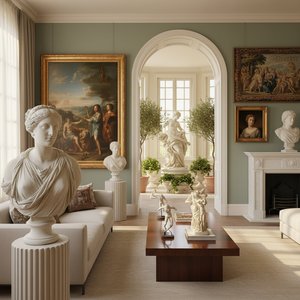
10 Arcydzieł Neoklasycyzmu: Sztuka, Historia i Inspiracje dla Twojego Domu
Poznaj 10 arcydzieł neoklasycyzmu! Odkryj historie Davida, Ingresa i Canovy. Inspiracje wnętrzarskie z malarstwem klasycznym i rzeźbą. Reprodukcje najwyższej jakości na OriginalUniqueArt.com – sztuka dla Twojego domu.
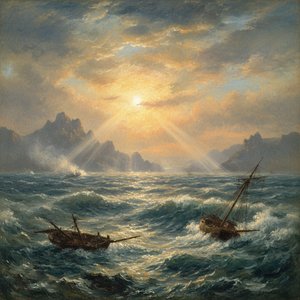
J.M.W. Turner: Light, Atmosphere & the Romantic Sublime
Explore the life & art of J.M.W. Turner, a master of Romantic landscape painting. Discover his innovative techniques, key works, and lasting influence on Impressionism. Find high-quality reproductions at OriginalUniqueArt.

Romantic Realism's Finest: 10 Masterpieces for Your Home | OriginalUniqueArt
Explore 10 defining masterpieces of Romantic Realism! Discover Courbet, Millet & Daumier's powerful paintings—capturing emotion and social realities. Find museum-quality reproductions for your home at OriginalUniqueArt.com.


