
 Podgląd w skali
 Wyślij jako kartkę
 Udostępnij
 Szczegóły dzieła

 Pobierz
 Podobne obiekty
 RTG
RTG Pokaz slajdów
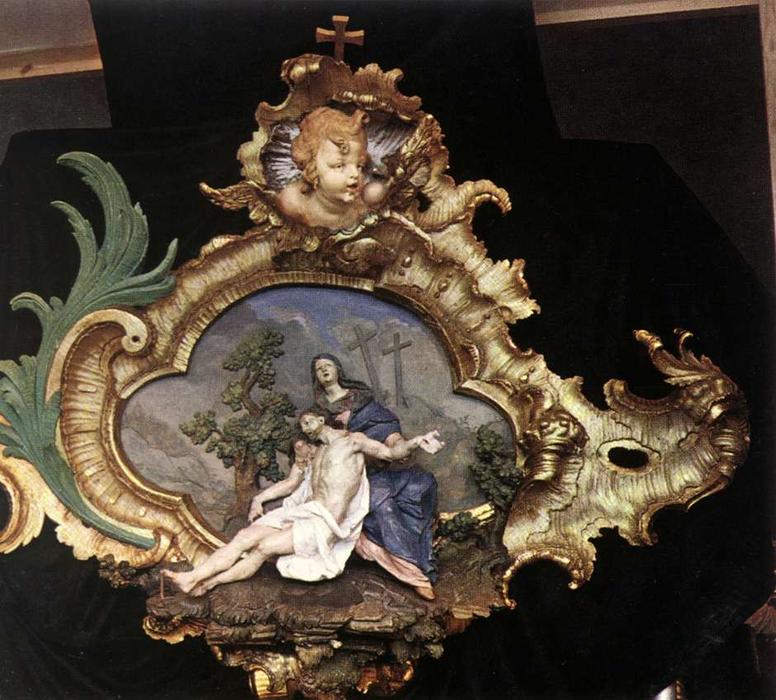
Pietà


 Rozwiń treść
Giclée / Wydruk artystyczny
Druk giclée lub płótno o jakości muzealnej, szybka realizacja i szeroki wybór opcji wykończenia. ( Zamów ręcznie malowaną reprodukcję Kup obraz wysokiej rozdzielczości)




P118B $10

P118H $10

P118W $10

P438Z $10

P508JH $12

P508YH $12

P805H $10

P805Z $10

P919BZ $10

P919G $10

P919XJ $10

P959ZH $10

P968JZ $12

W106C $8

W218G $10

W218JH $8

W218Y $10

W307PJ $10

W316G $10

W316PJ $8

W316Y $10

W398PJ $8

W4111J $10

W500HY $15

W500JH $15

W692G $12

W849H $8

W940BG $15

W953PJ $8




Wybierz spośród naszych standardowych rozmiarów, które zachowują oryginalne proporcje dzieła sztuki.

Możesz wprowadzić własne wymiary, aby dopasować dzieło do konkretnej ramy lub przestrzeni. Jeśli wybrany rozmiar nie będzie odpowiadał proporcjom oryginalnego obrazu, przytniecie dzieło lub rozszerzymy obraz za pomocą odbicia lustrzanego lub jednolitego wypełnienia krawędzi. Przed rozpoczęciem produkcji prześlemy cyfrową wizualizację do Twojej akceptacji.
Prosimy pamiętać, że podgląd na ekranie nie odzwierciedla faktycznego przycinania ani rozszerzania. Tylko wizualizacja dokładnie pokaże końcową kompozycję.
Mimo dostępności niestandardowych rozmiarów, zalecamy wybór wymiaru z listy zdefiniowanej, aby zachować oryginalne proporcje.
Dostawa na cały świat () w ciągu 2 tygodni zamiast standardowych 4/5 tygodni. (19 Sierpień)

Bezpłatna ekspresowa wysyłka na cały świat

Wysokiej jakości płótno lniane

Pełne ubezpieczenie przesyłki

Gwarancja zwrotu należności celnych i podatków importowych

Gwarancja wiernego odwzorowania kolorów

Polityka 60-dniowego zwrotu (tylko w przypadku wad)

Gwarancja 100% zwrotu kosztów

Zniżka przy zamówieniu wielu produktów
 Opcja ze szkłem jest dostępna wyłącznie w rozmiarach poniżej 110 cm

Pietà
Giclée / Wydruk artystyczny
Wymiary reprodukcji
-


Cena całkowita
$ 80
O artyście
The Sculptor of Rococo Grace
In the luminous era of the High Baroque and the burgeoning elegance of the Rococo, few names resonate with as much tactile splendor as Joseph Anton Feuchtmayr. Born in 1696 in Linz, Austria, Feuchtmayr was not merely an artist but a scion of a profound creative dynasty. As a descendant of the illustrious Johann Michael Feuchtmayer the Elder, he was steeped from birth in the traditions of the Wessobrunner School, a prestigious lineage of craftsmen renowned for their ability to breathe life into stone and stucco. His journey was one of transforming heavy, earthly materials into ethereal, light-catching forms that seemed to defy gravity itself.
Feuchtmayr’s artistic evolution was deeply rooted in the rigorous training he received under his father, Franz Joseph Feuchtmayer. This early education provided him with a formidable foundation in anatomical precision and the dramatic dynamism characteristic of Baroque sculpture. However, it was his encounter with the Italian stuccoist Diego Francesco Carlone that would fundamentally alter his trajectory. From Carlone, Feuchtmayr mastered the sophisticated technique of creating highly polished, reflective surfaces—a skill that allowed his stucco figures to capture and dance with the flickering candlelight of cathedral interiors, imbuing them with a celestial glow.
Mastery of Stucco and the Upper Swabian Baroque
The true brilliance of Feuchtmayr’s career unfolded along the Upper Swabian Baroque Route, where he became a sought-after master for the most ambitious ecclesiastical projects of his time. His work was never solitary; rather, it was part of a grand, integrated vision of sacred space. Working alongside contemporaries such as Johann Joseph Christian, Feucht and his workshop specialized in the seamless integration of sculpture and architecture. He possessed a rare ability to treat stucco not as a mere decorative additive, but as a primary medium capable of profound emotional expression.
One cannot discuss his legacy without mentioning his most iconic creation: the Honigschlecker, or the "Honey Eater." Located on the Bernhardsaltar at the Birnau Monastery, this captivating putto—a depiction of St. Bernard—remains a pinnacle of Rococo charm. The sculpture, celebrated for its expressive gesture and masterful polishing, perfectly encapsulates Feuchtmayr’s ability to blend sacred devotion with playful, humanistic grace. Through such works, he moved the viewer not through fear or awe alone, but through a sense of divine sweetness and light.
A Lasting Legacy in Mimmenhausen
As his career progressed, Feuchtmayr took over his father’s workshop in Mimmenhausen, establishing himself as the "house sculptor" for the prestigious monastery in Salem. His contributions to the Salemer Münster, including the magnificent organ case, demonstrated his capacity for monumental scale and intricate detail. His life's work was a testament to the power of the Wessobrunner tradition—a blend of technical virtuosity, anatomical mastery, and an almost supernatural ability to manipulate light.
Though he passed away in 1770, Feuchtmayr’s influence remains etched into the very walls of Southern Germany and Switzerland. His workshop's dedication to the luminous and the delicate helped define the aesthetic soul of the Rococo period. Today, his memory is preserved not only in the breathtaking churches he adorned but also in the museum dedicated to his life in Mimmenhausen, where the echoes of his sculptural grace continue to inspire awe in all who encounter his enduring masterpieces.

Joseph Anton Feuchtmayr
1696 - 1770 , Austria
Krótka nota
- Artistic Movement Or Style: Rococo
- Artists Or Movements Influenced By This Artist: ['Upper Swabian Baroque Route']
- Artists Who Influenced This Artist: ['Diego Francesco Carlone']
- Date Of Birth: Linz, Austria (1696)
- Date Of Death: 1770
- Full Name: Joseph Anton Feuchtmayr
- Nationality: Austrian
- Notable Artworks:
- St. Joachim
- Pietà
- Place Of Birth: Linz
Powiązane artykuły

10 Legendarnych Brązów Rzeźbiarskich, Które Zmieniły Sztukę | OriginalUniqueArt
Odkryj 10 legendarnych rzeźb brązowych od Rodina, Degasa i innych mistrzów! Poznaj historię powstania arcydzieł sztuki i inspiruj się do dekoracji wnętrz. Reprodukcje najwyższej jakości na OriginalUniqueArt.com – zobacz kolekcję!

Trwałe Formy: Ewolucja Technik i Tematów w Rzeźbie Przez Wieki – Od Antyku do Renesansu
Poznaj fascynującą historię rzeźby od antyku do renesansu! Odkryj techniki, wybitnych artystów i wpływ na współczesną sztukę. Ekspercka analiza dla kolekcjonerów i miłośników.

Teatralność i triumf: Dramat baroku w malarstwie i rzeźbie – od kontrreformacji do ekspresji emocji
Odkryj dramat i przepych sztuki baroku! Analiza malarstwa i rzeźby, wpływ kontrreformacji, kluczowi artyści oraz filozofia vanitas. Ekspercka wiedza dla miłośników historii sztuki.
Trwała Forma: Rzeźba w Historii – Technika i Rezonans Emocjonalny
Poznaj historię rzeźby od antyku do współczesności! Ekspercka analiza technik, stylów i emocjonalnego wpływu arcydzieł. Inspiracje dla kolekcjonerów i miłośników sztuki.

Dramatyczny Rozkwit Baroku: Dziedzictwo Sztuki Kontrreformacji i Mistrzowie Chiaroscuro
Odkryj dramatyczny świat baroku! Poznaj historię sztuki kontrreformacji, mistrzów chiaroscuro i weneckich arcydzieł. Reprodukcje najwyższej jakości na OriginalUniqueArt.com.

