

 Zobacz w skali 1:1
 Wyślij
 Udostępnij
 Szczegóły
 Przewodnik

 Pobierz plik obrazu
 Podobne obiekty
 RTG
RTG Pokaz slajdów
 Statystyki
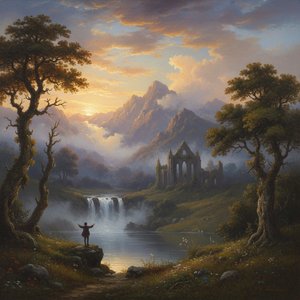
The Mountain Hut

 Czytaj więcej
Ręcznie malowana reprodukcja olejowa
Ręcznie malowany obraz olejny na płótnie, wykonany na zamówienie przez naszych artystów w wybranym przez Ciebie wymiarze i oprawie. ( Przełącz na wersję drukowaną Przełącz na wersję cyfrową)




P118B zł10

P118H zł10

P118W zł10

P438Z zł10

P508JH zł12

P508YH zł12

P805H zł10

P805Z zł10

P919BZ zł10

P919G zł10

P919XJ zł10

P959ZH zł10

P968JZ zł12

W106C zł8

W218G zł10

W218JH zł8

W218Y zł10

W307PJ zł10

W316G zł10

W316PJ zł8

W316Y zł10

W398PJ zł8

W4111J zł10

W500HY zł15

W500JH zł15

W692G zł12

W849H zł8

W940BG zł15

W953PJ zł8




Wybierz spośród naszych standardowych rozmiarów, które zachowują oryginalne proporcje dzieła sztuki.

Wpisz wymaganą szerokość i wysokość, aby obraz pasował do Twojej ramy lub ściany. Ponieważ jest to dzieło malowane ręcznie, w przypadku rozmiaru o innym proporcji artysta może domalować nieco więcej wokół obrazu lub przyciąć fragmenty — wybór należy do Ciebie. Przed rozpoczęciem pracy prześlemy Ci cyfrową wizualizację do zatwierdzenia. Obraz widoczny na tej stronie nie przedstawia rzeczywistego efektu — jedynie wizualizacja oddaje realny rezultat.
Po złożeniu zamówienia zespół OriginalUniqueArt.com skontaktuje się z klientem drogą mailową w celu uzyskania instrukcji i prześle wizualizację projektu
Dostawa na całym świecie () w ciągu 3–4 tygodni zamiast standardowych 5 tygodni. (22 Październik). Bez kompromisów w kwestii jakości.

Bezpłatna ekspresowa wysyłka na cały świat

Wysokiej jakości płótno lniane

Pełne ubezpieczenie transportowe

Gwarancja zwrotu należności celnych i podatków importowych

Gwarancja idealnego odwzorowania barw

100-dniowy okres na zwrot dzieła w przypadku wykrycia wad produkcyjnych

Gwarancja 100% zwrotu pieniędzy

Oferta przy zakupie wielu sztuk
 Opcja ze szkłem jest dostępna wyłącznie w rozmiarach poniżej 110 cm

The Mountain Hut
Technika wykonania
Rozmiar reprodukcji
-


Suma do zapłaty
zł 1139
Biografia artysty
Josef Thoma: A Painter of Alpine Idols
Born in the heart of Austria’s Tyrolean Alps, Josef Thoma (1828-1899) emerged as a pivotal figure in 19th-century landscape painting. More than simply depicting scenic vistas, Thoma crafted immersive worlds—idyllic scenes brimming with rustic charm and imbued with a subtle, almost mystical quality. His work, deeply rooted in the Romantic tradition yet subtly anticipating Impressionism, offers a poignant glimpse into the evolving relationship between art, nature, and the human spirit. Thoma’s legacy rests not just on his technical skill but also on his ability to evoke a profound sense of peace and nostalgia for a vanishing rural world.
Early Life and Artistic Foundations
Josef Thoma was born in 1828 into a family with strong artistic connections. His father, a skilled woodcarver, instilled in him an appreciation for craftsmanship and the beauty of natural materials. While details about his early formal training are somewhat sparse, it’s believed he initially studied under local artists before pursuing further education at the Academy of Fine Arts in Munich. This period exposed him to the prevailing artistic trends of the time, including the influence of Romanticism—particularly the emphasis on dramatic landscapes and emotional expression—and the burgeoning interest in depicting everyday life. Crucially, Thoma’s early work demonstrates a fascination with the Alps, a region that would become the defining subject of his career.
The Influence of Millet and the Rise of Rustic Realism
Thoma's artistic trajectory was significantly shaped by Jean-François Millet, whose depictions of rural laborers resonated deeply with the artist. Millet’s focus on the dignity and hardship of peasant life—often rendered in a strikingly realistic manner—provided Thoma with a model for portraying the simple virtues of rural communities. However, unlike Millet's often stark social commentary, Thoma’s landscapes are characterized by an almost idealized serenity. He skillfully captured the golden light of the Alps, transforming ordinary scenes into moments of profound beauty and tranquility. His paintings frequently feature humble dwellings nestled amongst towering peaks, shepherds tending their flocks, and villagers engaged in everyday activities—all presented with a remarkable sensitivity to detail and color.
Technique and Style: Light, Color, and the Alpine Vision
Thoma’s technical mastery lies primarily in his ability to capture the ephemeral qualities of light and atmosphere. He meticulously observed how sunlight filtered through the mountain peaks, casting long shadows and creating a sense of depth and perspective. His palette is predominantly muted—a blend of browns, greens, and blues—that perfectly reflects the colors of the Alpine landscape. He employed a technique that can be described as “atmospheric,” prioritizing the suggestion of form over precise detail. This approach allowed him to create paintings that felt both realistic and dreamlike, evoking a sense of timelessness and serenity. The use of subtle gradations of color and carefully rendered textures—particularly in depicting the rough bark of trees or the weathered surfaces of buildings—contributed significantly to the tactile quality of his work.
Legacy and Historical Significance
Josef Thoma’s paintings represent a significant contribution to the development of landscape art in Austria. His focus on the Alpine region, combined with his masterful use of light and color, established him as one of the most celebrated artists of his time. While often compared to Millet, Thoma developed a distinctly individual style—one that captured the unique beauty and spirit of the Austrian Alps. His work continues to resonate today, offering viewers a poignant reminder of the enduring power of nature and the simple pleasures of rural life. His paintings are now housed in major museums across Europe, testament to his lasting artistic impact. Thoma’s legacy lies not only in his beautiful landscapes but also in his ability to evoke a profound sense of peace and nostalgia for a world that is rapidly disappearing.

Josef Thoma
1828 - 1899
Najważniejsze informacje
- Artistic Movement Or Style: Romantic Landscape
- Artists Or Movements Influenced By This Artist: ['Romanticism']
- Artists Who Influenced This Artist:
- Delacroix
- Friedrich
- Date Of Birth: 1828
- Date Of Death: 1899
- Full Name: Josef Thoma
- Nationality: Austrian
- Notable Artworks:
- Berglandschaft
- Gebirgslandschaft
- Jäger schießt Raubvogel
- Place Of Birth: Austria
Zobacz także powiązane artykuły

Evoking Nature's Sublime: A Comprehensive Exploration of 19th-Century Landscape Painting
Explore the captivating world of 19th-century landscape painting! Discover renowned artists like Friedrich & Monet, key movements, and find the perfect artwork to bring nature's serenity into your home. Expert insights at OriginalUniqueArt.

Sublime i malowniczość w krajobrazie romantycznym: Emocje, natura i duchowość w sztuce XIX wieku
Odkryj fascynujący świat romantycznego krajobrazu! Poznaj filozofię Sublime, arcydzieła Friedricha i Turnera oraz wpływ tego nurtu na sztukę. Inspiracje i reprodukcje najwyższej jakości – OriginalUniqueArt.

Romantyczny Krajobraz w Malarstwie: 10 Arcydzieł, Które Zdefiniowały Epokę | OriginalUniqueArt.com
Odkryj 10 arcydzieł romantyzmu w malarstwie! Poznaj historie Caspara Davida Friedricha, Turnera i innych mistrzów. Inspiracje wnętrzarskie & reprodukcje obrazów najwyższej jakości na OriginalUniqueArt.com. Eksploruj kolekcję online!

Evocations of Place: A Historical Journey Through Landscape Art
Explore the rich history of landscape art with OriginalUniqueArt. Discover renowned artists, movements like Impressionism & Romanticism, and expert guidance for collecting timeless pieces. Find your perfect serene escape today!
Obrazowanie Emocji i Transcendencji: Romantyczny Krajobraz Malarski XVIII i XIX Wieku
Odkryj fascynujący świat romantycznego krajobrazu malarskiego XVIII i XIX wieku! Poznaj arcydzieła Friedricha, Turnera i polskich mistrzów. Analiza emocji, historii i inspiracji w sztuce.