
 Wyślij
 Udostępnij
 Szczegóły
 Przewodnik

 Pobierz plik obrazu
 Podobne obiekty
 Pokaz slajdów
 Statystyki
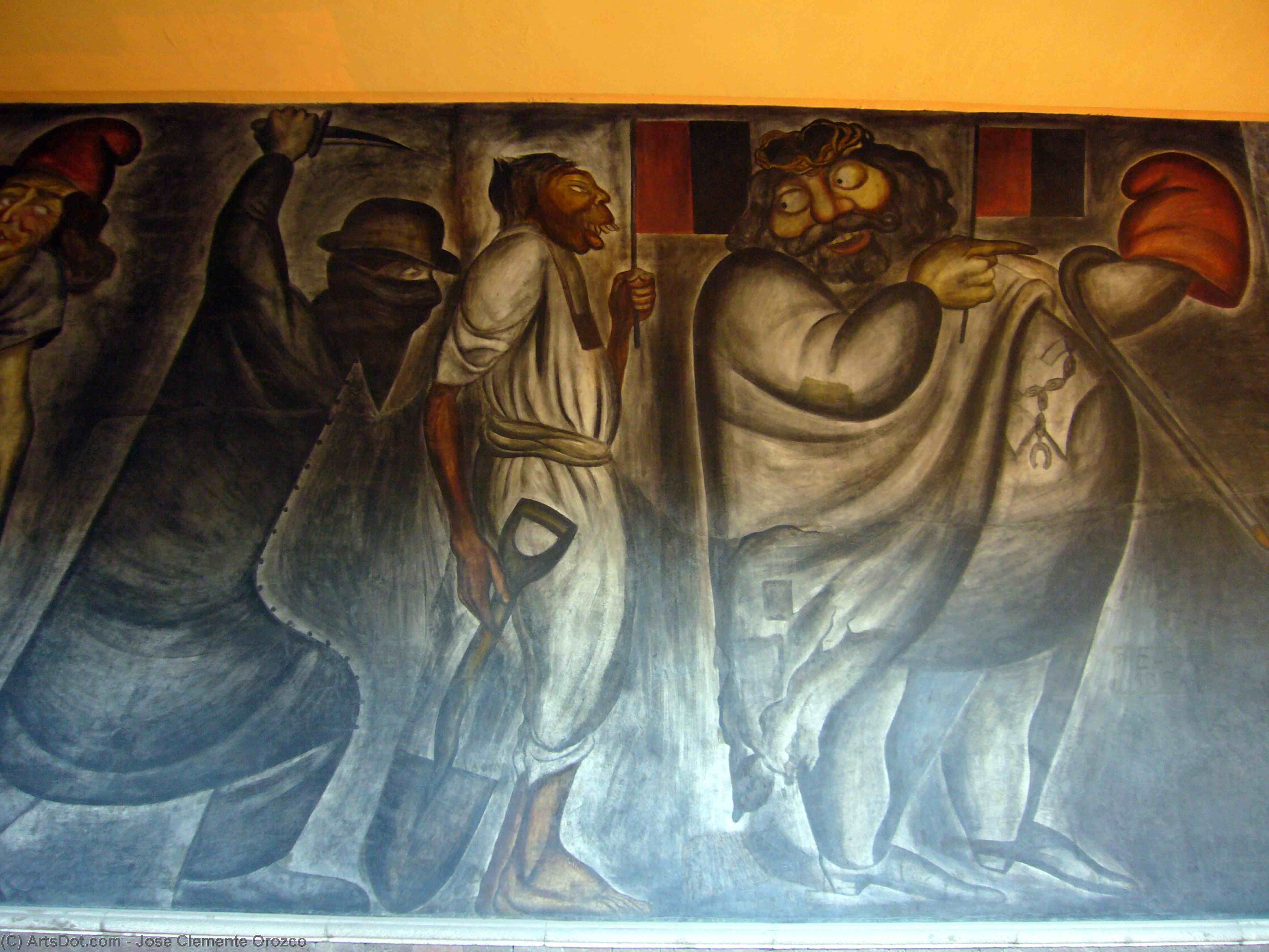
The Poor


 Czytaj więcej
Ręcznie malowana reprodukcja olejowa
Ręcznie malowany obraz olejny na płótnie, wykonany na zamówienie przez naszych artystów w wybranym przez Ciebie wymiarze i oprawie. ( Przełącz na wersję drukowaną Przełącz na wersję cyfrową)




































Wybierz spośród naszych standardowych rozmiarów, które zachowują oryginalne proporcje dzieła sztuki.

Możesz wprowadzić własne wymiary, aby dopasować obraz do konkretnej ramy lub przestrzeni. Jeśli wybrany rozmiar nie będzie odpowiadał proporcjom oryginału, przytniecie dzieło sztuki lub rozszerzymy je o dodatkowe elementy, ręcznie domalowane przez artystę. Przed rozpoczęciem produkcji wyślemy projekt cyfrowy do Twojej akceptacji.
Należy pamiętać, że podgląd na ekranie nie odzwierciedla rzeczywistego przycinania ani rozszerzania obrazu. Tylko projekt dokładnie pokaże ostateczną kompozycję.
Choć oferujemy możliwość zamówienia niestandardowych rozmiarów, zalecamy wybór wymiaru z gotowej listy, aby zachować oryginalne proporcje dzieła.
Po złożeniu zamówienia zespół OriginalUniqueArt.com skontaktuje się z klientem drogą mailową w celu uzyskania instrukcji i prześle wizualizację projektu
Dostawa na całym świecie () w ciągu 3–4 tygodni zamiast standardowych 5 tygodni. (26 Wrzesień). Bez kompromisów w kwestii jakości.

Bezpłatna ekspresowa wysyłka na cały świat

Wysokiej jakości płótno lniane

Pełne ubezpieczenie transportowe

Gwarancja zwrotu należności celnych i podatków importowych

Gwarancja idealnego odwzorowania barw

100-dniowy okres na zwrot dzieła w przypadku wykrycia wad produkcyjnych

Gwarancja 100% zwrotu pieniędzy

Oferta przy zakupie wielu sztuk
 Opcja ze szkłem jest dostępna wyłącznie w rozmiarach poniżej 110 cm

The Poor
Technika wykonania
Rozmiar reprodukcji
-


Suma do zapłaty
$ 300
Artistic Style and Technique
Jose Clemente Orozco's unique style and technique are evident in The Poor. The fresco features a range of emotions and expressions, from contemplation to desperation. The use of bold lines and vibrant colors adds depth and dimension to the painting. As an expert in art, it is clear that Orozco was a master of capturing human interaction and emotion through his work.Similar Works by Jose Clemente Orozco
Some of Orozco's other notable works include Omnisciencia, a fresco that showcases the artist's ability to convey complex themes and ideas. As seen on OriginalUniqueArt.com, this painting features a group of people in various poses, with some standing and others kneeling or sitting. Another notable work is Catharsis, a powerful mural that depicts a chaotic scene of conflict and emotion.- Mexican Muralism: A movement that sought to promote social justice and equality through art.
- Frescoes: A technique used by Orozco to create vibrant and detailed paintings.
- Social Commentary: A key theme in Orozco's work, including The Poor.
Jose Clemente Orozco's The Poor is a powerful and thought-provoking fresco that showcases the artist's unique style and technique. As an expert in art, it is clear that this painting is a masterpiece of Mexican muralism, and its themes of social commentary and human emotion continue to resonate with audiences today.
Biografia artysty
José Clemente Orozco – A Life Forged in Revolution: The World of José Clemente Orozco
José Clemente Orozco, born November 23, 1883, in Zapotlán el Grande (now Ciudad Guzmán), Jalisco, Mexico, stands as a monumental figure in the pantheon of Mexican muralists. His life was inextricably linked to the tumultuous currents of his nation’s history—a period defined by revolution, social upheaval, and a fervent search for national identity. Orozco wasn't merely a painter; he was a visual chronicler of Mexico’s soul, translating its struggles, hopes, and contradictions onto vast canvases that continue to resonate with power today. From an early age, the vibrant yet often harsh realities of Mexican life captivated him. His initial artistic awakening occurred during his school years in Mexico City, where he became enthralled by the work of José Guadalupe Posada, a master engraver whose satirical depictions of death and daily life challenged societal norms. This exposure instilled in Orozco a commitment to art as a vehicle for social commentary—a principle that would define his entire career. A youthful accident, losing his left hand at seventeen while experimenting with explosives, did not deter him; instead, it seemed to fuel an even greater determination to overcome adversity and express himself through artistic creation.Early Life & Artistic Formation
Orozco’s formative years were marked by a profound encounter with José Guadalupe Posada, whose engravings—particularly *El Hombre Piensa* (“Man Thinks”)—challenged conventional wisdom and championed the dignity of labor. This early influence instilled in him a conviction that art possessed the capacity to provoke critical reflection on social injustices and cultural traditions. Following the Mexican Revolution (1910-1920), Mexico experienced an artistic renaissance fueled by aspirations for a uniquely Mexican aesthetic—one celebrating indigenous heritage while confronting pressing societal challenges. Recognizing this transformative moment, Orozco enrolled at the Academy of San Carlos in 1906 alongside David Alfaro Siqueiros and Gerardo Murillo, adopting Doctor Atl’s radical stance on cultural identity. He pursued his artistic education diligently, mastering drawing techniques and honing his observational skills—skills that would prove invaluable to his subsequent mural projects. The loss of his left hand during a laboratory mishap at seventeen served as an impetus for resilience and reaffirmed his dedication to artistic expression despite physical limitations.The Birth of Mexican Muralism & Orozco’s Distinct Voice
Orozco's participation in the Mexican Revolution solidified his belief that art could serve as a catalyst for social transformation. He joined forces with Diego Rivera and Siqueiros, forming the “big three” muralists who spearheaded this movement—a collective committed to elevating artistic standards while addressing pressing social concerns. Unlike Rivera’s optimistic portrayal of Mexico's past and future, or Siqueiros’ dynamic depiction of revolutionary fervor, Orozco adopted a darker aesthetic—one reflecting the brutality of conflict and the suffering endured by marginalized communities. His canvases conveyed profound psychological depth and tackled complex philosophical questions. He rejected simplistic narratives in favor of allegorical representations that demanded careful contemplation. Influenced by Symbolism and Nietzsche's philosophy, Orozco’s artistic vision prioritized conveying emotion and confronting uncomfortable truths—a characteristic that distinguishes him from his contemporaries.Technique & Style: Mastering Fresco
Orozco’s mastery lay not only in his ability to convey powerful emotions but also in his innovative use of fresco technique—the application of pigment onto wet plaster—a method favored by Diego Rivera and Siqueiros. He painstakingly prepared the walls, meticulously grinding pigments into a slurry that adhered seamlessly to the surface. His palette was often subdued—dominated by earthy tones, grays, and blacks—reflecting the solemnity of his subjects and mirroring the bleak realities of Mexican society during the Revolution. Orozco’s compositions were characterized by fragmented figures and distorted perspectives—visual devices designed to convey psychological turmoil and challenge conventional notions of beauty. He employed bold lines and dramatic contrasts to heighten visual impact and underscore the urgency of his artistic message. His meticulous attention to detail ensured that every element contributed to the overall narrative and conveyed a profound sense of emotional resonance.Legacy & Enduring Influence
José Clemente Orozco’s murals stand as enduring monuments to Mexican history and culture—testaments to his unwavering commitment to social realism and his pioneering exploration of Symbolism. His monumental works, including *Omnisciencia*, *The Poor*, *Cortés & La Malinche*, and *Mexican Soldiers*, continue to inspire artists worldwide with their emotional intensity and intellectual depth. Orozco’s influence extends beyond the realm of art—he championed the role of art in fostering civic engagement and promoting social justice. His legacy resides not merely in his artistic achievements but also in his unwavering conviction that art could serve as a tool for confronting uncomfortable truths and advocating for transformative change. The Museo Casa-Museo Orozco in Guadalajara houses a workshop dedicated to preserving his life’s work—a testament to his enduring contribution to Mexican culture and artistic heritage. Artists like Gustavo Arias Murueta and Óscar Salas Moya acknowledge Orozco's profound impact on their own creative endeavors, recognizing him as a visionary who reshaped the landscape of 20th-century art.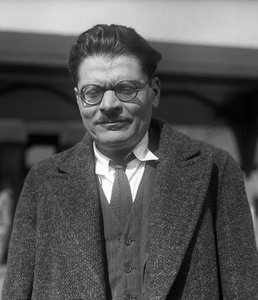
José Clemente Orozco
1883 - 1949 , Meksyk
Najważniejsze informacje
- Artistic Movement Or Style: Muralizm Meksykański
- Artists Or Movements Influenced By This Artist: ['Diego Rivera']
- Artists Who Influenced This Artist: ['José Guadalupe Posada']
- Date Of Birth: November 23, 1883
- Date Of Death: September 7, 1949
- Full Name: José Clemente Orozco
- Nationality: Mexykański
- Notable Artworks:
- Omnisciencia
- Cortés & La Malinche
- Place Of Birth: Ciudad Guzmán, Mexico
Zobacz także powiązane artykuły
Fresk jako Rodzinna Spuścizna: Utrwalenie Dziedzictwa na Ścianach
Odkryj sztukę fresku! Poznaj historię, technikę i inspiracje. Zamów spersonalizowany fresk rodzinny – trwałe dzieło sztuki dla przyszłych pokoleń. Profesjonalna konserwacja i ochrona.

Od scenerii dżungli po geometryczne złoto: przewodnik po najpopularniejszych stylach murali we współczesnym designie
Odkryj najnowsze trendy w projektowaniu murali hotelowych! Ekspercki przewodnik po stylach, kolorach i technikach. Stwórz unikalny design wnętrz z naszym wsparciem.

Powrót fresku: Dlaczego malowidła ścienne są nowym symbolem luksusu
Odkryj świat luksusowych malowideł ściennych i fresków! Ekspercka analiza technik, inspiracje dla hoteli i wnętrz. Poznaj historię i przyszłość sztuki na ścianach z .

Rewolucja we Wnętrzach: Murale w Kuchni i Łazience – Nowy Trend dla Hotelarzy
Odkryj rewolucję we wnętrzach hoteli! Eksperckie porady o muralach w kuchni i łazience – inspiracje, trwałe materiały i unikalny design. Stwórz niezapomniany klimat dla gości.

Trwała Spuścizna Fresku: Technika, Historia i Wyraz Artystyczny w Różnych Kulturach
Odkryj fascynujący świat fresków! Poznaj historię, technikę tworzenia i wybitnych artystów. Ekspercka analiza konserwacji i współczesne zastosowania malowideł ściennych. Inspiracje dla wnętrz i pasjonatów sztuki.
