

 Podgląd w skali 1:1
 Wyślij jako kartkę
 Udostępnij
 Szczegóły dzieła
 Przewodnik

 Pobierz obraz
 Podobne obiekty
 RTG
RTG Pokaz slajdów
 Statystyki
Catharsis

 Rozwiń treść
Get a print-ready file that goes far beyond the web preview. Every digital image we sell comes from a high-resolution master in our stock database — usually 5,000 to 15,000 pixels wide — so you can print large, crop tightly, or reproduce fine detail with confidence.
No file leaves our studio untouched. A digital expert checks the colors against the original painting and corrects them if needed, then improves clarity and detail with professional retouching tools — always staying faithful to the artist's brushwork and style. The result is an image that looks like the painting, not like a filtered scan.
You approve before you're done: our expert sends the image by e-mail within 72 hours for your review. Not satisfied? Ask for improvements or corrections, or request a refund if the quality falls short.
This is the quality relied on by publishers, design studios, galleries and print shops.
Obraz cyfrowy
Pobierz plik o wysokiej rozdzielczości do osobistego użytku, druku oraz projektów kreatywnych. ( Przełącz na wydania drukowane Zamów ręcznie malowaną reprodukcję)
W każdym zamówieniu na obraz cyfrowy znajduje się
Profesjonalna dostawa cyfrowa z gwarancją
Wybierając OriginalUniqueArt.com, nie otrzymujesz jedynie obrazu – otrzymujesz profesjonalnie udoskonalone cyfrowe dzieło sztuki, stworzone z najwyższą precyzją i objęte gwarancją satysfakcji. Oto wszystko, co automatycznie dołączane jest do Twojego zamówienia:

Błyskawiczna wysyłka e-mailowa
Plik z obrazem cyfrowym w wysokiej rozdzielczości zostanie przesłany na Twój adres e-mail w ciągu 72 godzin od złożenia zamówienia – gotowy do natychmiastowego użycia.

Plik cyfrowy wzbogacony przez AI
Twoja grafika została profesjonalnie zoptymalizowana przy użyciu zaawansowanych narzędzi AI oraz ręcznej edycji, co zapewnia maksymalną szczegółowość, klarowność i wierność kolorów.

Darmowe ponowne przesyłki dożywotnio
Przypadkowo usunąłeś lub zgubiłeś swój plik? Bez obaw – prześlemy go Tobie ponownie w dowolnym momencie, bez żadnych opłat.

Bez opłat importowych – zawsze
Ciesz się swoją sztuką natychmiast, bez żadnych opłat celnych, należności ani kosztów dostawy – pliki cyfrowe są zawsze wolne od podatku.

Gwarancja wierności kolorów
Dzięki zastosowaniu profesjonalnych narzędzi i procesów zarządzania barwą zapewniamy, że Twoje cyfrowe zdjęcie odzwierciedla oryginalne kolory tak wiernie, jak to tylko możliwe.

Gwarancja satysfakcji przez 100 dni
Jeśli nie będziesz zadowolony ze swojego cyfrowego obrazu, dokonamy jego poprawki lub zwrócimy 100% kosztów w ciągu 100 dni – bez zbędnych pytań.

100% Gwarancja zwrotu pieniędzy
Nie jesteś zadowolony? Otrzymaj pełny zwrot kosztów w ciągu 100 dni od otrzymania pliku cyfrowego – bez zbędnych pytań.

Rabaty przy zamówieniach hurtowych
Kup 3 obrazy, oszczędź 10% - Kup 5, oszczędź 15% - Kup 10+, oszczędź 20%. Idealne do projektów kreatywnych, galerii i agencji.
The Artist's Vision
Jose Clemente Orozco was a prominent figure in the Mexican Mural Renaissance, along with Diego Rivera and David Alfaro Siqueiros. His work is characterized by its emphasis on social justice and its critique of modern society. In Catharsis, Orozco presents a dystopian vision of humanity, plagued by conflict, decay, and the dehumanizing effects of industrialization.Symbolism and Themes
The painting is rich in symbolism, with various motifs and themes that reflect the artist's concerns about the state of modern society. Some of the key elements include:- Conflict and violence: The scene depicts a violent struggle between two men, surrounded by chaos and destruction.
- Decay and social unrest: The painting shows a sense of decay and social unrest, with figures of prostitutes and other marginalized groups.
- Industrialization and technology: The presence of machines and industrial equipment serves as a commentary on the dehumanizing effects of modern technology.
The Museo del Palacio de Bellas Artes is a renowned cultural institution in Mexico City, featuring an extensive collection of Mexican art from the 19th and 20th centuries. To discover more about this museum and its collections, visit https://OriginalUniqueArt.com.
Pytania i odpowiedzi
W jakim wieku José Clemente Orozco stworzył(a) "Catharsis"?
José Clemente Orozco stworzył/a "Catharsis" w wieku 51 lat. Artysta urodził/a się w 1883, a datowanie dzieła to 1934.
Jak mogę podejrzeć reprodukcję dzieła „Catharsis” – José Clemente Orozco?
Aby podglądnąć reprodukcję dzieła „Catharsis” – José Clemente Orozco, otwórz stronę Podgląd w pomieszczeniu danego utworu.
Co wyjaśnia sytuację prawną dotyczącą praw autorskich do „Catharsis” – José Clemente Orozco?
Status praw autorskich do dzieła „Catharsis” – należy do domeny publicznej – autorskie prawa majątkowe wygasły – wynika z faktu, że artysta zmarł w 1949.
Biografia artysty
José Clemente Orozco – A Life Forged in Revolution: The World of José Clemente Orozco
José Clemente Orozco, born November 23, 1883, in Zapotlán el Grande (now Ciudad Guzmán), Jalisco, Mexico, stands as a monumental figure in the pantheon of Mexican muralists. His life was inextricably linked to the tumultuous currents of his nation’s history—a period defined by revolution, social upheaval, and a fervent search for national identity. Orozco wasn't merely a painter; he was a visual chronicler of Mexico’s soul, translating its struggles, hopes, and contradictions onto vast canvases that continue to resonate with power today. From an early age, the vibrant yet often harsh realities of Mexican life captivated him. His initial artistic awakening occurred during his school years in Mexico City, where he became enthralled by the work of José Guadalupe Posada, a master engraver whose satirical depictions of death and daily life challenged societal norms. This exposure instilled in Orozco a commitment to art as a vehicle for social commentary—a principle that would define his entire career. A youthful accident, losing his left hand at seventeen while experimenting with explosives, did not deter him; instead, it seemed to fuel an even greater determination to overcome adversity and express himself through artistic creation.Early Life & Artistic Formation
Orozco’s formative years were marked by a profound encounter with José Guadalupe Posada, whose engravings—particularly *El Hombre Piensa* (“Man Thinks”)—challenged conventional wisdom and championed the dignity of labor. This early influence instilled in him a conviction that art possessed the capacity to provoke critical reflection on social injustices and cultural traditions. Following the Mexican Revolution (1910-1920), Mexico experienced an artistic renaissance fueled by aspirations for a uniquely Mexican aesthetic—one celebrating indigenous heritage while confronting pressing societal challenges. Recognizing this transformative moment, Orozco enrolled at the Academy of San Carlos in 1906 alongside David Alfaro Siqueiros and Gerardo Murillo, adopting Doctor Atl’s radical stance on cultural identity. He pursued his artistic education diligently, mastering drawing techniques and honing his observational skills—skills that would prove invaluable to his subsequent mural projects. The loss of his left hand during a laboratory mishap at seventeen served as an impetus for resilience and reaffirmed his dedication to artistic expression despite physical limitations.The Birth of Mexican Muralism & Orozco’s Distinct Voice
Orozco's participation in the Mexican Revolution solidified his belief that art could serve as a catalyst for social transformation. He joined forces with Diego Rivera and Siqueiros, forming the “big three” muralists who spearheaded this movement—a collective committed to elevating artistic standards while addressing pressing social concerns. Unlike Rivera’s optimistic portrayal of Mexico's past and future, or Siqueiros’ dynamic depiction of revolutionary fervor, Orozco adopted a darker aesthetic—one reflecting the brutality of conflict and the suffering endured by marginalized communities. His canvases conveyed profound psychological depth and tackled complex philosophical questions. He rejected simplistic narratives in favor of allegorical representations that demanded careful contemplation. Influenced by Symbolism and Nietzsche's philosophy, Orozco’s artistic vision prioritized conveying emotion and confronting uncomfortable truths—a characteristic that distinguishes him from his contemporaries.Technique & Style: Mastering Fresco
Orozco’s mastery lay not only in his ability to convey powerful emotions but also in his innovative use of fresco technique—the application of pigment onto wet plaster—a method favored by Diego Rivera and Siqueiros. He painstakingly prepared the walls, meticulously grinding pigments into a slurry that adhered seamlessly to the surface. His palette was often subdued—dominated by earthy tones, grays, and blacks—reflecting the solemnity of his subjects and mirroring the bleak realities of Mexican society during the Revolution. Orozco’s compositions were characterized by fragmented figures and distorted perspectives—visual devices designed to convey psychological turmoil and challenge conventional notions of beauty. He employed bold lines and dramatic contrasts to heighten visual impact and underscore the urgency of his artistic message. His meticulous attention to detail ensured that every element contributed to the overall narrative and conveyed a profound sense of emotional resonance.Legacy & Enduring Influence
José Clemente Orozco’s murals stand as enduring monuments to Mexican history and culture—testaments to his unwavering commitment to social realism and his pioneering exploration of Symbolism. His monumental works, including *Omnisciencia*, *The Poor*, *Cortés & La Malinche*, and *Mexican Soldiers*, continue to inspire artists worldwide with their emotional intensity and intellectual depth. Orozco’s influence extends beyond the realm of art—he championed the role of art in fostering civic engagement and promoting social justice. His legacy resides not merely in his artistic achievements but also in his unwavering conviction that art could serve as a tool for confronting uncomfortable truths and advocating for transformative change. The Museo Casa-Museo Orozco in Guadalajara houses a workshop dedicated to preserving his life’s work—a testament to his enduring contribution to Mexican culture and artistic heritage. Artists like Gustavo Arias Murueta and Óscar Salas Moya acknowledge Orozco's profound impact on their own creative endeavors, recognizing him as a visionary who reshaped the landscape of 20th-century art.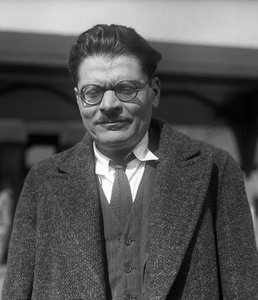
José Clemente Orozco
1883 - 1949 , Meksyk
Krótka nota
- Artistic Movement Or Style: Muralizm Meksykański
- Artists Or Movements Influenced By This Artist: ['Diego Rivera']
- Artists Who Influenced This Artist: ['José Guadalupe Posada']
- Date Of Birth: November 23, 1883
- Date Of Death: September 7, 1949
- Full Name: José Clemente Orozco
- Nationality: Mexykański
- Notable Artworks:
- Omnisciencia
- Cortés & La Malinche
- Place Of Birth: Ciudad Guzmán, Mexico