
 Podgląd w skali 1:1
 Wyślij jako kartkę
 Udostępnij
 Szczegóły dzieła
 Przewodnik

 Pobierz obraz
 Podobne obiekty
 RTG
RTG Pokaz slajdów
 Q&A
Q&A Statystyki
Praise

- 35.0 x 42.0 cm


 Rozwiń treść
Dzieło sztuki prezentowane na tej stronie podlega ochronie prawem autorskim, co oznacza, że nie mamy prawa do tworzenia ani sprzedaży jego identycznej reprodukcji. Ochrona ta jest egzekwowana na mocy umów międzynarodowych, takich jak Konwencja berneńska oraz przez przepisy prawa krajowego, w tym te określone w Prawo autorskie USA – Tytuł 17.
Metoda ta jest w pełni zgodna z przepisami prawa autorskiego, ponieważ nie polega na kopiowaniu ani powielaniu chronionego dzieła. Stanowi ona kreatywną reinterpretację – nowy obraz, który czerpie inspirację z oryginału, ale nie jest z nim tożsamy.
Giclée / Wydruk artystyczny
Wydruki giclée lub płótna o jakości muzealnej, szybka realizacja i szeroki wybór opcji wykończenia. ( Zamów ręcznie malowaną reprodukcję Przejdź do wersji cyfrowej)




P118B zł10

P118H zł10

P118W zł10

P438Z zł10

P508JH zł12

P508YH zł12

P805H zł10

P805Z zł10

P919BZ zł10

P919G zł10

P919XJ zł10

P959ZH zł10

P968JZ zł12

W106C zł8

W218G zł10

W218JH zł8

W218Y zł10

W307PJ zł10

W316G zł10

W316PJ zł8

W316Y zł10

W398PJ zł8

W4111J zł10

W500HY zł15

W500JH zł15

W692G zł12

W849H zł8

W940BG zł15

W953PJ zł8




Wybierz spośród naszych standardowych rozmiarów, które zachowują oryginalne proporcje dzieła sztuki.

Wpisz wymaganą szerokość i wysokość, aby dopasować grafikę do ramy lub ściany. Wydruk można jedynie przyciąć, nigdy nie powiększając go poza oryginalny obraz, dlatego format o innych proporcjach spowoduje utratę części kompozycji. Przed rozpoczęciem druku prześlemy Ci cyfrowy podgląd do zatwierdzenia. Obraz wyświetlany na tej stronie nie pokazuje rzeczywistego przycięcia — jedynie podgląd oddaje ten efekt.
Dostawa na cały świat () w ciągu 2 tygodni zamiast standardowych 4/5 tygodni. (2 Listopad)

Bezpłatna ekspresowa wysyłka na cały świat

Wysokiej jakości płótno lniane

Pełne ubezpieczenie przesyłki

Gwarancja zwrotu należności celnych i podatków importowych

Gwarancja wiernego odwzorowania kolorów

100-dniowa polityka zwrotów (tylko w przypadku wad)

Gwarancja 100% zwrotu pieniędzy

Zniżka przy zakupie wielu sztuk
 Opcja ze szkłem jest dostępna wyłącznie w rozmiarach poniżej 110 cm

Praise
Giclée / Wydruk artystyczny
Wymiary reprodukcji
-


Cena całkowita
zł 311
Biografia artysty
A Life Interrupted: The Multifaceted World of Jorge de la Vega
Jorge de la Vega, a name resonating with the restless energy of mid-20th century Argentina, was more than just a painter; he was a cultural seismograph, registering the tremors of societal change through canvases brimming with unsettling imagery and, later, through poignant protest songs. Born in Buenos Aires in 1930, de la Vega’s initial trajectory seemed set towards architecture, enrolling at the Universidad de Buenos Aires in 1948. However, the rigid structures of design soon proved insufficient to contain his burgeoning artistic spirit. He abandoned formal architectural studies after six years, choosing instead a path of self-directed exploration—a decision that would define his remarkably diverse and ultimately truncated career. The early 1950s saw him experimenting with both representational forms and the prevailing abstract geometric styles, laying the groundwork for a unique visual vocabulary that would soon challenge the established order.The Rise of Nueva Figuración and a Critical Eye
A pivotal moment arrived in 1961 with the formation of *Otra Figuración* (Other Figuration), alongside fellow Argentine artists Luis Felipe Noé, Rómulo Macció, and Ernesto Diera. This movement, also known as *Nueva Figuración* (New Figuration), was a direct response to the dominance of geometric abstraction in the Argentine art scene—a deliberate attempt to reintroduce the human figure, not merely as an aesthetic element, but as a vessel for existential anxieties and social commentary. The group’s collective aim wasn't simply to depict humanity, but to dissect it, exposing its vulnerabilities and contradictions. A formative trip to Europe with *Otra Figuración* proved deeply influential, broadening their artistic horizons and solidifying their commitment to challenging conventional norms. Later, a period spent in the United States exposed de la Vega to the burgeoning Pop Art movement in New York City—an encounter that would profoundly impact his style, injecting it with bold imagery and a critical edge. He even secured a Fulbright Scholarship in 1965, allowing him to serve as a visiting professor at Cornell University, furthering enriching his artistic perspective.Decoding a Visual Language of Discomfort
De la Vega’s art is characterized by its unflinching engagement with the complexities of modern life. His canvases are populated with distorted figures, fragmented forms, and symbolic objects—a visual language designed to provoke discomfort and incite critical thought. He wasn't interested in beauty for beauty’s sake; rather, he sought to expose the absurdities of consumer culture, the alienation of contemporary existence, and the underlying anxieties that plagued post-war society. The influence of Pop Art is readily apparent in his bold use of color and appropriation of everyday imagery, but de la Vega imbued these elements with a distinctly darker tone—a sardonic humor that underscored his social critique. Works like “Praise,” “Try Again,” “Flirt,” “Games of Love and Chance,” “Incubation,” and the series titled "Puzzle" exemplify this approach, presenting fragmented narratives that challenge viewers to confront uncomfortable truths. His style often anticipated digital aesthetics, with a sense of rendering and manipulation that was remarkably prescient for its time.From Canvas to Song: A Shift in Medium
In a surprising turn, de la Vega dramatically shifted his focus in the final years of his life, turning away from visual art altogether and dedicating himself to music. He became a popular singer-songwriter, crafting protest songs that echoed the satirical worldview evident in his paintings. This transition wasn’t merely a change in medium; it was an extension of his artistic philosophy—a desire to reach a wider audience with his message of social critique. His lyrics were sharp and insightful, reflecting his deep concern for political injustice and the human condition. Tragically, de la Vega's life was cut short in 1971 at the age of 41, leaving behind a body of work that remains both compelling and hauntingly incomplete.A Lasting Legacy: Redefining Argentine Expression
Despite his premature death, Jorge de la Vega’s impact on Latin American art history is undeniable. His involvement with *Nueva Figuración* helped redefine Argentine artistic expression during a period of significant political and social upheaval. He challenged the status quo, questioned societal norms, and dared to expose the darker undercurrents of modern life. Today, his artworks are displayed in museums across Argentina and internationally—including the Phoenix Art Museum, the Museum of Modern Art in Rio de Janeiro, Brazil, and the Art Museum of the Americas at the OAS in Washington, DC—testifying to the enduring power and relevance of his vision. De la Vega’s legacy lies not only in his distinctive artistic style but also in his unwavering commitment to using art as a tool for social commentary and self-expression – a testament to an artist who dared to look beyond the surface and confront the complexities of the human experience.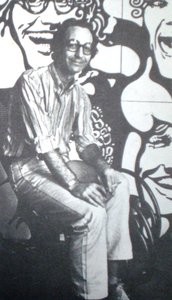
Jorge De La Vega
1930 - 1971 , Argentyna
Krótka nota
- Artistic Movement Or Style: Nueva Figuración, Pop Art
- Artists Or Movements Influenced By This Artist: ['Nueva Figuración']
- Artists Who Influenced This Artist: ['Pop Art artists']
- Date Of Birth: March 27, 1930
- Date Of Death: August 26, 1971
- Full Name: Jorge Patricio Vega Velasco
- Nationality: Argentine
- Notable Artworks:
- Praise
- Try Again
- Flirt
- Games of Love and Chance
- Incubation
- Puzzle
- Place Of Birth: Buenos Aires, Argentina
Powiązane artykuły

Białe arcydzieła: Top 10 słynnych obrazów pełnych światła i emocji | OriginalUniqueArt.pl
Odkryj 10 najsłynniejszych obrazów, w których biel dominuje i tworzy wyjątkową atmosferę. Poznaj historie Moneta, Van Gogha i innych mistrzów! Reprodukcje najwyższej jakości na OriginalUniqueArt.com – inspiracje wnętrzarskie i kolekcjonerstwo sztuki online.

25 Arcydzieł Kandinskiego: Kolor, Duchowość i Abstrakcja w Twoim Domu | OriginalUniqueArt.com
Odkryj 25 arcydzieł Wassily Kandinskiego – pioniera abstrakcji i ekspresjonizmu! Poznaj historie, techniki i emocje kryjące się za jego kolorowymi kompozycjami. Reprodukcje obrazów najwyższej jakości na OriginalUniqueArt.com. Eksploruj pełną kolekcję online!

Shadow & Soul: Why Black & White Photography Remains the Ultimate Power Move in Modern Art
Discover why black & white photography remains a powerful force in contemporary art. Explore the impact of light, shadow, and texture through a visual journey of monochrome mastery and learn how to elevate your space with timeless grayscale aesthetics.

Monochromatyczne Wizje: Estetyka i Historyczne Znaczenie Fotografii Czarno-Białej
Odkryj fascynujący świat fotografii czarno-białej! Poznaj historię, techniki i arcydzieła monochromatycznej sztuki. Inspiracje, porady i analiza wpływu na współczesną estetykę. OriginalUniqueArt.com.

Czarne arcydzieła: Top 10 słynnych obrazów pełnych mroku i ekspresji | OriginalUniqueArt.com
Odkryj 10 słynnych obrazów, w których czerń króluje! Poznaj historie artystów, ekspresjonizm i mroczną paletę barw. Reprodukcje dzieł sztuki najwyższej jakości na OriginalUniqueArt.com – inspiracje do wnętrz i kolekcjonerstwo.