() ·

A painting made for you, by hand

Incubation

Ręcznie malowana reprodukcja olejowa

Ręcznie malowany obraz olejny na płótnie, wykonany na zamówienie przez naszych artystów w wybranym przez Ciebie wymiarze i oprawie. ( Przełącz na wydania drukowane Przejdź do wersji cyfrowej)

Opis obiektu

Biografia artysty

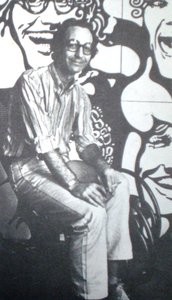
Jorge de la Vega (1930-1971) był argentyńskim malarzem i twórcą muzyki ruchu Nueva Figuración. Jego sztuka inspirowana Pop Art krytykuje konsumpcjonizm i społeczeństwo z cynicznym humorem, prezentując obraz świata pełnego sprzeczności i niepokoju.

from ·

Chapter 1

How large should it be?

Slide to change the size; the picture on the left shows the frame at its real width. The proportions of the original are kept.

Standardowy format
personalizowane
CM
INCH

Wybierz spośród naszych standardowych rozmiarów, które zachowują oryginalne proporcje dzieła sztuki.

szerokość
wysokość

Wpisz wymaganą szerokość i wysokość, aby obraz pasował do Twojej ramy lub ściany. Ponieważ jest to dzieło malowane ręcznie, w przypadku rozmiaru o innych proporcjach artysta może domalować nieco więcej wokół obrazu lub przyciąć jego fragmenty — wybór należy do Ciebie. Przed rozpoczęciem pracy prześlemy Ci cyfrową wizualizację do zatwierdzenia. Obraz widoczny na tej stronie nie przedstawia rzeczywistego efektu — jedynie wizualizacja oddaje realny rezultat.

Chapter 2

How should it arrive?

Choose the edges of the stretched canvas

Choose your frame

Corner sample of the WhiteWrap canvas edge finish, stretched on lite drewno bars
White zł1
Corner sample of the BlurSideWrap canvas edge finish, stretched on lite drewno bars
Blurside zł1
Corner sample of the ExtendedWrap canvas edge finish, stretched on lite drewno bars
Extended zł1
Corner sample of the P118B picture frame: polistyren formowany, 5 cm wide and 3 cm thick
P118B zł10
Corner sample of the P118H picture frame: polistyren formowany, 5 cm wide and 3 cm thick
P118H zł10
Corner sample of the P118W picture frame: polistyren formowany, 5 cm wide and 3 cm thick
P118W zł10
Corner sample of the P438Z picture frame: polistyren formowany, 5.5 cm wide and 3.5 cm thick
P438Z zł10
Corner sample of the P508JH picture frame: polistyren formowany, 7 cm wide and 3.5 cm thick
P508JH zł12
Corner sample of the P508YH picture frame: polistyren formowany, 7 cm wide and 3.5 cm thick
P508YH zł12
Corner sample of the P805H picture frame: polistyren formowany, 5 cm wide and 3.5 cm thick
P805H zł10
Corner sample of the P805Z picture frame: polistyren formowany, 5 cm wide and 3.5 cm thick
P805Z zł10
Corner sample of the P919BZ picture frame: polistyren formowany, 7 cm wide and 3.5 cm thick
P919BZ zł10
Corner sample of the P919G picture frame: polistyren formowany, 7 cm wide and 3.5 cm thick
P919G zł10
Corner sample of the P919XJ picture frame: polistyren formowany, 7 cm wide and 3.5 cm thick
P919XJ zł10
Corner sample of the P959ZH picture frame: polistyren formowany, 5 cm wide and 3 cm thick
P959ZH zł10
Corner sample of the P968JZ picture frame: polistyren formowany, 6 cm wide and 4 cm thick
P968JZ zł12
Corner sample of the W106C picture frame: lite drewno, 5 cm wide and 3 cm thick
W106C zł8
Corner sample of the W218G picture frame: lite drewno, 5 cm wide and 3 cm thick
W218G zł10
Corner sample of the W218JH picture frame: lite drewno, 5 cm wide and 3 cm thick
W218JH zł8
Corner sample of the W218Y picture frame: lite drewno, 5 cm wide and 3 cm thick
W218Y zł10
Corner sample of the W307PJ picture frame: lite drewno, 6 cm wide and 3 cm thick
W307PJ zł10
Corner sample of the W316G picture frame: lite drewno, 6 cm wide and 3 cm thick
W316G zł10
Corner sample of the W316PJ picture frame: lite drewno, 6 cm wide and 3 cm thick
W316PJ zł8
Corner sample of the W316Y picture frame: lite drewno, 6 cm wide and 3 cm thick
W316Y zł10
Corner sample of the W398PJ picture frame: lite drewno, 5 cm wide and 3 cm thick
W398PJ zł8
Corner sample of the W4111J picture frame: lite drewno, 6.5 cm wide and 3.5 cm thick
W4111J zł10
Corner sample of the W500HY picture frame: lite drewno, 7 cm wide and 5 cm thick
W500HY zł15
Corner sample of the W500JH picture frame: lite drewno, 7 cm wide and 5 cm thick
W500JH zł15
Corner sample of the W692G picture frame: lite drewno, 8 cm wide and 4 cm thick
W692G zł12
Corner sample of the W849H picture frame: lite drewno, 5 cm wide and 3 cm thick
W849H zł8
Corner sample of the W940BG picture frame: lite drewno, 7.5 cm wide and 4.5 cm thick
W940BG zł15
Corner sample of the W953PJ picture frame: lite drewno, 6 cm wide and 3.5 cm thick
W953PJ zł8
Corner sample of the H24-GOLD picture frame: rzeźbione drewno pokryte gipsem, 10 cm wide and 6 cm thick
H24-GOLD zł30
Corner sample of the H24-SILVER picture frame: rzeźbione drewno pokryte gipsem, 10 cm wide and 6 cm thick
H24-SILVER zł30
Corner sample of the H36-GOLD picture frame: rzeźbione drewno pokryte gipsem, 15 cm wide and 6.5 cm thick
H36-GOLD zł45
Corner sample of the H36-SILVER picture frame: rzeźbione drewno pokryte gipsem, 15 cm wide and 6.5 cm thick
H36-SILVER zł45

Moulding: . Overall size with the frame: .

Chapter 3

Who paints it, and should anything change?

Examples of what can be changed: Replace face with customer photo; Add pet (e.g., replace cat with dog); Include hidden message in background; Change background landscape or elements.
After order, OriginalUniqueArt.com team will email client for instructions and provide a mockup preview

Dostawa na całym świecie () w ciągu 3–4 tygodni zamiast standardowych 5 tygodni. (2 Listopad). Bez kompromisów w kwestii jakości.

Chapter 4

The finishing touches

A nameplate, as in a museum?

Szczegóły grawerowanej brązowej tabliczki

This elegant plaque features the artist's name and the title of the artwork, finely engraved for a timeless presentation.

It is made from bronze with a refined, elegant finish. The text is precisely laser-engraved for a sharp and permanent result. Measuring 9x2 cm, the plaque is compact yet easy to read. It's built to be durable and scratch-resistant, offering a professional, museum-quality look. Mounting is simple thanks to the included adhesive backing.

Szczegóły przezroczystej tabliczki akrylowej

The plaque includes essential engraved details such as the artist's name, the title of the artwork, the date it was created, the type of media used-like oil on canvas or watercolor-a brief description of the piece, and a QR code that links to the complete artwork information.

It is crafted from clear acrylic, offering a sleek, modern appearance. The text is UV-engraved in black to ensure strong visual contrast. With a size of 10x15 cm, it ensures optimal readability. It comes equipped with two metal hooks for secure wall mounting. The plaque is designed to be weather-resistant, making it suitable for various environments, and it includes interactive features that work seamlessly with smartphone scanning.

Szczegóły czarnej tabliczki akrylowej

This elegant plaque includes engraved information such as the artist's name, the title of the artwork, the date it was created, the type of media used (like oil on canvas or watercolor), a short description of the artwork, and a QR code for quick access to more information.

The plaque itself is made from refined black acrylic with a premium finish. The text is laser-engraved in white for high contrast and readability. Its size is 10x15 cm, designed to be easy to read. It comes with two metal hooks for professional mounting. The design is sleek and fits any interior style. It is also weather-resistant and durable, with built-in digital integration for mobile compatibility.

A protective varnish?

When do you need it?

Chapter 5

Your painting, as you ordered it

Incubation

Technika reprodukcji

Wymiary reprodukcji

-

Wybitny mistrz artystyczny

Większa szczegółowość, finezja i dodatkowy czas na realizację

-

Opcje oprawy reprodukcji

-

-

W przypadku dzieł sztuki lub reprodukcji, których którykolwiek z boków przekracza 105 cm (około 41 cali), rama zostanie wysłana w formie zestawu do samodzielnego montażu. Metoda ta zapewnia bezpieczną dostawę i zapobiega uszkodzeniom podczas transportu.

Wymagany profesjonalny montaż – nie jest to produkt typu DIY.
Zestaw musi zostać złożony, a płótno naciągnięte przez doświadczonego profesjonalnego ramiarza, przy użyciu kleju do drewna (brak w zestawie), kleszczy do naciągania płótna oraz ścisków, które utrzymają krosna w równej pozycji podczas schnięcia kleju. Nieprawidłowy montaż lub nierównomierne napięcie płótna może trwale uszkodzić dzieło sztuki i nie podlega naszej gwarancji.

  • W zestawie znajdują się wszystkie listwy z litego drewna, precyzyjnie docięte do wymiarów.

  • Montaż odbywa się przy użyciu dołączonych wkrętów oraz kleju do drewna do łączenia narożników, którego zestaw nie zawiera i który musi zostać dostarczony przez ramiarza.

  • Wymagane są profesjonalne narzędzia, których nie ma w zestawie: kleszcze do naciągania płótna (napinacz) oraz zaciski, które pozwolą utrzymać listwy w równej pozycji podczas schnięcia kleju.

Ważne:
Do połączenia narożników niezbędny jest klej do drewna, listwy należy unieruchomić za pomocą ścisków do momentu całkowitego wyschnięcia kleju, a naciągnięcie płótna na złożoną ramę wymaga użycia kleszczy do naciągania płótna. Żaden z tych elementów nie jest dołączony do zestawu. Przed zamówieniem tego rozmiaru zalecamy konsultację z doświadczonym ramiarzem.

Etykieta obiektu

-

-

Lakier ochronny

Lakier z połyskiem (pogłębia kolory, chroni przed światłem i wilgocią)

-

Personalizacja dzieła

Przykłady możliwości personalizacji: zastąp twarz zdjęciem klienta; dodaj zwierzę domowe (np. zamień kota na psa); umieść ukrytą wiadomość w tle; zmień krajobraz lub elementy tła.

-

Ekspresowa

Dostawa na cały świat () w ciągu 3–4 tygodni zamiast standardowych 5 tygodni. (2 Listopad). Bez kompromisów w kwestii jakości.

-

Przesyłka ekspresowa

Dostawa na cały świat () w ciągu 5 tygodni. (9 Listopad).

W cenie

Cena całkowita

zł 1753

Suma całkowita zł 1753

Opcja ze szkłem jest dostępna wyłącznie w rozmiarach poniżej 110 cm

Included with every order

  • Bezpłatna ekspresowa wysyłka na cały świat
  • Wysokiej jakości płótno lniane
  • Pełne ubezpieczenie przesyłki
  • Gwarancja zwrotu należności celnych i podatków importowych
  • Gwarancja wiernego odwzorowania kolorów
  • 100-dniowa polityka zwrotów (tylko w przypadku wad)
  • Gwarancja 100% zwrotu pieniędzy
  • Zniżka przy zakupie wielu sztuk

Jorge de la Vega: Incubation – A Symphony of Anxiety and Spiritual Observation

Jorge de la Vega (1930-1971) stands as a singular figure within the Argentine Nueva Figuración movement, an artistic rebellion against academic conventions that sought to capture the turbulent spirit of the postwar era. Initially drawn to architecture—a pursuit he abandoned after six formative years at Universidad de Buenos Aires—Vega swiftly recognized the limitations of geometric abstraction and embraced a path toward intensely personal expression.

His early canvases explored both representational forms and stylistic experimentation, establishing a distinctive visual vocabulary characterized by unsettling imagery and a preoccupation with psychological states. The pivotal decision to forgo formal training proved decisive, propelling him into a multifaceted career encompassing painting, songwriting, and sculptural endeavors—a testament to his unwavering commitment to artistic exploration.

“Incubation,” created in 1966, exemplifies Vega’s signature style: a jarring blend of expressionism and Cubist influences. The artwork depicts a chaotic tableau populated by multiple figures engaged in exaggerated facial expressions – screams, stares, and gestures of profound unease dominate the composition. Thick, bold lines delineate these forms, creating a palpable sense of movement and tension.

  • Composition: Vega abandons traditional perspective, favoring instead a flattened space that amplifies the claustrophobic atmosphere. Overlapping figures contribute to this feeling of confinement, mirroring anxieties about societal pressures and interpersonal relationships.
  • Color Palette: Primarily monochrome—black and white—the palette underscores the artwork’s emotional intensity. Absence of shading reinforces the flatness of the image and directs attention to textural variations achieved through hatching and cross-hatching techniques.
  • Technique: Vega employs direct drawing with forceful lines, prioritizing expressive gesture over meticulous realism. The technique is rooted in Cubist principles but infused with an emotive urgency reminiscent of Expressionism’s focus on subjective experience.

Beyond its formal characteristics, “Incubation” resonates with deeper symbolic concerns. The central figure—a man wearing glasses—represents intellectual scrutiny and perhaps a futile attempt to comprehend the overwhelming forces shaping human existence. Simultaneously, the angel positioned on the right serves as a visual counterpoint, embodying spiritual observation and hinting at judgment – a duality that encapsulates Vega’s exploration of existential dilemmas.

Vega's work continues to captivate audiences with its unflinching portrayal of psychological turmoil and its masterful manipulation of artistic language. “Incubation” stands as a poignant reminder of the artist’s ability to transform personal anxieties into powerful visual narratives, cementing his legacy as one of Argentina’s most influential figures in contemporary art.

Additional Context: Santo Domingo de la Calzada – A Cathedral of Legend

Vega's artistic sensibilities extended beyond painting; he possessed a fascination with architectural spaces and religious iconography. The Catedral de Santo Domingo de la Calzada, nestled in Zaragoza, Spain—a UNESCO World Heritage Site—provided inspiration for his visual explorations. Its Romanesque-Gothic grandeur embodies centuries of history and spiritual devotion.

The cathedral’s Rooster Miracle – a miraculous apparition of a rooster perched atop the spire – exemplifies Vega's interest in symbols that transcend mere representation, reflecting deeper beliefs about faith and divine intervention. Visiting this architectural marvel offers a tangible connection to artistic heritage and contemplative reflection.

Exploring Contemporary Artistic Voices: Águeda Ruiz de la Prada

Vega’s influence can be discerned in the work of Águeda Ruiz de la Prada, a prominent Argentine artist known for her distinctive blend of surrealism and abstraction. Like Vega, Ruiz de la Prada challenges conventional artistic boundaries, prioritizing emotional resonance over stylistic adherence.

Her canvases—often characterized by vibrant colors and dreamlike imagery—engage viewers in dialogues about identity, memory, and the complexities of human experience. Ruiz de la Prada’s commitment to artistic experimentation mirrors Vega's pioneering spirit, demonstrating the enduring legacy of Nueva Figuración’s transformative impact on Argentine art.

Beyond Argentina: Maurice Quentin de La Tour – Pastel Innovation

Vega’s stylistic innovations found parallels in the work of Maurice Quentin de La Tour, a French pastel artist who revolutionized portraiture during the Rococo period. De La Tour's pioneering use of pastel—a medium previously considered marginal—allowed for unprecedented tonal subtlety and expressive nuance.

His portraits captured the aristocratic elegance of his era while simultaneously conveying psychological depth – qualities that resonate with Vega’s artistic vision. Studying de La Tour’s techniques offers insights into the broader context of artistic experimentation and stylistic evolution within European art history.

Pytania i odpowiedzi

Do jakiego pomieszczenia, biorąc pod uwagę kolorystykę, polecane jest dzieło „Incubation” – Jorge De La Vega?

Biorąc pod uwagę jego Neutrals kolorystykę, dzieło "Incubation" idealnie pasuje do Living Room.

Czy „Incubation” – Jorge De La Vega to dzieło o jasnej czy ciemnej kolorystyce?

Zarejestrowane wartości dla „Incubation” – Jorge De La Vega to: jasność brilliant, luminancja Luminous.

Czy kolory w „Incubation” – Jorge De La Vega są nasycone, czy stonowane?

Dzieło „Incubation” – Jorge De La Vega charakteryzuje się nasyceniem na poziomie Muted oraz intensywnością Monochromatic.

More about this painting

Podgląd w skali 1:1 Podgląd AR Przełącz na wydania drukowane Przejdź do wersji cyfrowej Wyślij jako kartkę
Szczegóły dzieła Przewodnik Dodaj do ulubionych Pobierz obraz Podobne obiekty RTG Pokaz slajdów Q&A Statystyki

In numbers

  • 1966the year it was painted
  • 29frames to choose from
  • standard sizes, in its own proportions
  • 5weeks to paint and deliver it

About the original

Wymiary
28.0 x 34.0 cm
Jorge De La Vega

Jorge De La Vega

1930 - 1971, Argentyna

Quick facts about Jorge De La Vega

  • Artistic Movement Or Style: Nueva Figuración, Pop Art
  • Artists Or Movements Influenced By This Artist: ['Nueva Figuración']
  • Artists Who Influenced This Artist: ['Pop Art artists']
  • Date Of Birth: March 27, 1930
  • Date Of Death: August 26, 1971
  • Full Name: Jorge Patricio Vega Velasco
  • Nationality: Argentine
  • Notable Artworks:
    • Praise
    • Try Again
    • Flirt
    • Games of Love and Chance
    • Incubation
    • Puzzle
  • Place Of Birth: Buenos Aires, Argentina

Biografia artysty

A Life Interrupted: The Multifaceted World of Jorge de la Vega

Jorge de la Vega, a name resonating with the restless energy of mid-20th century Argentina, was more than just a painter; he was a cultural seismograph, registering the tremors of societal change through canvases brimming with unsettling imagery and, later, through poignant protest songs. Born in Buenos Aires in 1930, de la Vega’s initial trajectory seemed set towards architecture, enrolling at the Universidad de Buenos Aires in 1948. However, the rigid structures of design soon proved insufficient to contain his burgeoning artistic spirit. He abandoned formal architectural studies after six years, choosing instead a path of self-directed exploration—a decision that would define his remarkably diverse and ultimately truncated career. The early 1950s saw him experimenting with both representational forms and the prevailing abstract geometric styles, laying the groundwork for a unique visual vocabulary that would soon challenge the established order.

The Rise of Nueva Figuración and a Critical Eye

A pivotal moment arrived in 1961 with the formation of *Otra Figuración* (Other Figuration), alongside fellow Argentine artists Luis Felipe Noé, Rómulo Macció, and Ernesto Diera. This movement, also known as *Nueva Figuración* (New Figuration), was a direct response to the dominance of geometric abstraction in the Argentine art scene—a deliberate attempt to reintroduce the human figure, not merely as an aesthetic element, but as a vessel for existential anxieties and social commentary. The group’s collective aim wasn't simply to depict humanity, but to dissect it, exposing its vulnerabilities and contradictions. A formative trip to Europe with *Otra Figuración* proved deeply influential, broadening their artistic horizons and solidifying their commitment to challenging conventional norms. Later, a period spent in the United States exposed de la Vega to the burgeoning Pop Art movement in New York City—an encounter that would profoundly impact his style, injecting it with bold imagery and a critical edge. He even secured a Fulbright Scholarship in 1965, allowing him to serve as a visiting professor at Cornell University, furthering enriching his artistic perspective.

Decoding a Visual Language of Discomfort

De la Vega’s art is characterized by its unflinching engagement with the complexities of modern life. His canvases are populated with distorted figures, fragmented forms, and symbolic objects—a visual language designed to provoke discomfort and incite critical thought. He wasn't interested in beauty for beauty’s sake; rather, he sought to expose the absurdities of consumer culture, the alienation of contemporary existence, and the underlying anxieties that plagued post-war society. The influence of Pop Art is readily apparent in his bold use of color and appropriation of everyday imagery, but de la Vega imbued these elements with a distinctly darker tone—a sardonic humor that underscored his social critique. Works like “Praise,” “Try Again,” “Flirt,” “Games of Love and Chance,” “Incubation,” and the series titled "Puzzle" exemplify this approach, presenting fragmented narratives that challenge viewers to confront uncomfortable truths. His style often anticipated digital aesthetics, with a sense of rendering and manipulation that was remarkably prescient for its time.

From Canvas to Song: A Shift in Medium

In a surprising turn, de la Vega dramatically shifted his focus in the final years of his life, turning away from visual art altogether and dedicating himself to music. He became a popular singer-songwriter, crafting protest songs that echoed the satirical worldview evident in his paintings. This transition wasn’t merely a change in medium; it was an extension of his artistic philosophy—a desire to reach a wider audience with his message of social critique. His lyrics were sharp and insightful, reflecting his deep concern for political injustice and the human condition. Tragically, de la Vega's life was cut short in 1971 at the age of 41, leaving behind a body of work that remains both compelling and hauntingly incomplete.

A Lasting Legacy: Redefining Argentine Expression

Despite his premature death, Jorge de la Vega’s impact on Latin American art history is undeniable. His involvement with *Nueva Figuración* helped redefine Argentine artistic expression during a period of significant political and social upheaval. He challenged the status quo, questioned societal norms, and dared to expose the darker undercurrents of modern life. Today, his artworks are displayed in museums across Argentina and internationally—including the Phoenix Art Museum, the Museum of Modern Art in Rio de Janeiro, Brazil, and the Art Museum of the Americas at the OAS in Washington, DC—testifying to the enduring power and relevance of his vision. De la Vega’s legacy lies not only in his distinctive artistic style but also in his unwavering commitment to using art as a tool for social commentary and self-expression – a testament to an artist who dared to look beyond the surface and confront the complexities of the human experience.

Najważniejsze informacje

  • Influences: Cubism
  • Artistic style: Expressionism
  • Year: 1966
  • Subject or theme: Human emotion, anxiety
  • Notable elements or techniques: Dynamic lines, hatching, expressive style

Quiz o sztuce

Do każdego pytania dotyczy tylko jedna poprawna odpowiedź.

Pytanie 1:
What artistic movement is Jorge de la Vega’s artwork "Incubation" associated with?
Pytanie 2:
The image description highlights a prominent stylistic feature: What technique is primarily used to create depth and visual interest in the artwork?
Pytanie 3:
What emotion does the composition of "Incubation" convey?
Pytanie 4:
The artwork’s medium is described as ink on paper. What type of drawing technique is characteristic of this medium?
Pytanie 5:
What symbolic element is represented by the angel figure in "Incubation"?