
 Podgląd w skali
 Wyślij jako kartkę
 Udostępnij
 Szczegóły dzieła

 Pobierz
 Podobne obiekty
 RTG
RTG Pokaz slajdów
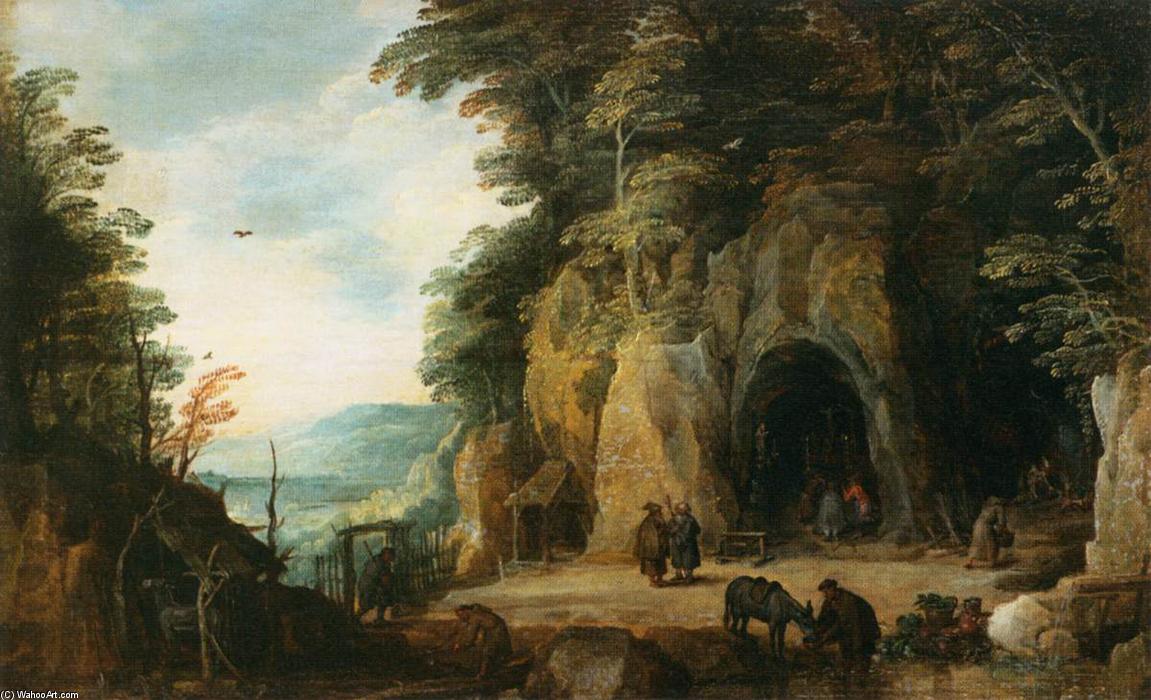
Monk's Hermitage in a Cave
 Acrylic On Canvas
- WallArt
- Baroque Landscape
 1600
1600 46.0 x 75.0 cm
 Luwr
Luwr
 Rozwiń treść
Ręcznie malowana reprodukcja olejowa
Ręcznie malowany obraz olejny na płótnie, wykonany na zamówienie przez naszych artystów w wybranym przez Ciebie wymiarze i oprawie. ( Zamów wydruk Kup obraz wysokiej rozdzielczości)




P118B $10

P118H $10

P118W $10

P438Z $10

P508JH $12

P508YH $12

P805H $10

P805Z $10

P919BZ $10

P919G $10

P919XJ $10

P959ZH $10

P968JZ $12

W106C $8

W218G $10

W218JH $8

W218Y $10

W307PJ $10

W316G $10

W316PJ $8

W316Y $10

W398PJ $8

W4111J $10

W500HY $15

W500JH $15

W692G $12

W849H $8

W940BG $15

W953PJ $8




Wybierz spośród naszych standardowych rozmiarów, które zachowują oryginalne proporcje dzieła sztuki.

Możesz wprowadzić własne wymiary, aby dopasować obraz do konkretnej ramy lub przestrzeni. Jeśli wybrany rozmiar nie będzie odpowiadał proporcjom oryginału, przytniecie dzieło sztuki lub rozszerzymy je o dodatkowe elementy, ręcznie domalowane przez artystę. Przed rozpoczęciem produkcji wyślemy projekt cyfrowy do Twojej akceptacji.
Należy pamiętać, że podgląd na ekranie nie odzwierciedla rzeczywistego przycinania ani rozszerzania obrazu. Tylko projekt dokładnie pokaże ostateczną kompozycję.
Choć oferujemy możliwość zamówienia niestandardowych rozmiarów, zalecamy wybór wymiaru z gotowej listy, aby zachować oryginalne proporcje dzieła.
Po złożeniu zamówienia zespół OriginalUniqueArt.com skontaktuje się z klientem drogą mailową w celu uzyskania instrukcji i prześle wizualizację projektu
Dostawa na całym świecie () w ciągu 3–4 tygodni zamiast standardowych 5 tygodni. (18 Sierpień). Bez kompromisów w kwestii jakości.

Bezpłatna ekspresowa wysyłka na cały świat

Wysokiej jakości płótno lniane

Pełne ubezpieczenie przesyłki

Gwarancja zwrotu należności celnych i podatków importowych

Gwarancja wiernego odwzorowania kolorów

Polityka 60-dniowego zwrotu (tylko w przypadku wad)

Gwarancja 100% zwrotu kosztów

Zniżka przy zamówieniu wielu produktów
 Opcja ze szkłem jest dostępna wyłącznie w rozmiarach poniżej 110 cm

Monk's Hermitage in a Cave
Technika reprodukcji
Wymiary reprodukcji
-


Cena całkowita
$ 300
Opis dzieła
A Tranquil Vision of Faith and Nature: Exploring Joos de Momper’s Monk’s Hermitage in a Cave
Joos de Momper’s “Monk’s Hermitage in a Cave,” housed within the Louvre Museum, stands as a remarkable achievement of Flemish Baroque landscape painting—a testament to both artistic skill and profound contemplation. Painted around 1600, this canvas measures 46 x 75 cm and embodies the stylistic hallmarks of its era: dramatic chiaroscuro lighting, meticulous detail in depicting natural elements, and an overarching sense of serenity that transcends mere visual representation.
- Artist & Style: Joos de Momper (1564 – 5 February 1635) was a pivotal figure in Antwerp’s artistic landscape. Influenced heavily by Pieter Bruegel the Elder, he skillfully blended Mannerist sensibilities with emerging realist tendencies—a transitional style that foreshadowed the grandeur of Dutch Golden Age painting. His distinctive approach prioritized earthy tones and masterful manipulation of light and shadow to create immersive atmospheric landscapes.
- Composition & Perspective: The painting’s composition is deliberately balanced, utilizing a cave as a natural framing device for the monastic figures. Linear perspective draws the viewer's gaze towards the central scene—a contemplative monk engaged in prayer amidst towering trees and verdant foliage. This careful structuring reinforces the artwork’s core message of peace and spiritual reflection.
- Technique & Materials: Executed in oil on canvas, “Monk’s Hermitage” demonstrates Momper's mastery of technique. Thick impasto brushstrokes capture the texture of bark and stone, while subtle gradations of color convey the diffused light filtering through the forest canopy—a hallmark of Baroque painting.
- Historical Context: Created during a period marked by religious reform and artistic experimentation, “Monk’s Hermitage” reflects the broader cultural preoccupation with spirituality and the sublime. It aligns with a burgeoning interest in portraying landscapes as expressions of God's majesty and human insignificance—a trend that would solidify itself throughout the Baroque period.
Symbolism & Emotional Resonance
Beyond its technical brilliance, “Monk’s Hermitage” resonates deeply with symbolic meaning. The cave represents solitude and introspection – a space for prayerful contemplation away from worldly distractions. The monks themselves embody faith and devotion, symbolizing the pursuit of spiritual enlightenment. De Momper's deliberate use of muted colors contributes to an overall feeling of tranquility and harmony with nature—inviting viewers to contemplate the beauty and grandeur of God’s creation.
A Legacy of Atmospheric Landscape Painting
"Monk’s Hermitage in a Cave" exemplifies the Baroque fascination with capturing fleeting moments of natural splendor. Its luminous depiction of light and shadow, combined with its meticulous attention to detail, establishes it as an enduring masterpiece—a source of inspiration for artists and collectors alike. Explore high-quality reproductions at OriginalUniqueArt.com and delve deeper into Joos de Momper’s artistic journey on Wikipedia.

O artyście
A Pioneer of the Flemish Landscape: The World of Joos de Momper
Joos de Momper the Younger, a name perhaps less instantly recognizable than those of his contemporaries like Bruegel or Rubens, nevertheless occupies a crucial position in the evolution of Flemish landscape painting. Born in Antwerp in 1564 into an artistic family—his grandfather Josse de Momper I (1516–59) was a painter and handlarzem dzieł sztuki, ojciec Bartolomeus de Momper (ok. 1535, zm. po 1597) oprócz malarstwa zajmowa – he inherited not just a lineage but a deep immersion in the visual world. He became a master within the Antwerp Guild of St. Luke remarkably early, at only seventeen years old in 1581, signaling an immediate recognition of his talent. While documented details of his formal training remain somewhat scarce, it’s clear he benefited from the vibrant artistic atmosphere of Antwerp, a city then grappling with religious and political upheaval but still a powerhouse of creative energy. The assumption that de Momper traveled to Italy in the 1580s, though not definitively proven, speaks volumes about his ambition and the prevailing artistic currents of the time. The influence of Italianate landscapes—particularly those depicting dramatic Alpine scenery—is undeniably present in his work. However, it was Pieter Bruegel the Elder who cast the longest shadow over de Momper’s artistic development. Bruegel's panoramic vistas, populated with bustling figures and imbued with a sense of narrative detail, served as a foundational inspiration. De Momper didn’t merely copy Bruegel; he absorbed his spirit, adapting it to his own vision and forging a style that bridged the gap between the Mannerist conventions of the late 16th century and the burgeoning realism of the 17th.A Master Collaborator and Prolific Creator
De Momper’s career flourished during a period when landscape painting was gaining increasing prominence, moving beyond its traditional role as a backdrop for religious or historical scenes. He quickly established himself as a sought-after artist, even attracting the attention of Archduchess Isabella Clara Eugenia, the governor of Flanders, who in 1616 petitioned on his behalf for tax exemptions—a testament to his standing and importance. His productivity was astonishing; it’s estimated that around 500 paintings are attributed to him, though relatively few bear his signature or a date. This high output suggests a substantial workshop operation, with assistants contributing to various stages of the painting process. A defining characteristic of de Momper's practice was collaboration. He frequently partnered with other prominent artists, most notably Frans Francken II, Peter Snayers, and both Jan Brueghel the Elder and his son. These collaborations typically involved de Momper creating the expansive landscape—often mountainous and dramatic—while his colleagues populated it with figures engaged in various activities, adding narrative depth and human interest. These joint efforts were not simply a division of labor; they represented a synergistic exchange of skills, resulting in richly detailed and visually compelling compositions that graced the collections of discerning patrons.Stylistic Evolution and Artistic Legacy
De Momper’s landscapes can be broadly categorized into two distinct types. The first features fantastical vistas viewed from elevated vantage points, employing a Mannerist color scheme—dark browns in the foreground gradually transitioning to greens and blues in the distance. These compositions often evoke a sense of grandeur and otherworldliness. The second type demonstrates a more naturalistic approach, with lower viewpoints, more realistic coloration, and a greater emphasis on atmospheric perspective. Regardless of style, his panoramas are consistently populated with small figures, adding scale and inviting the viewer to explore the depicted world. While highly regarded during his lifetime, de Momper’s reputation suffered a decline in subsequent centuries. Critics often dismissed his work as formulaic and repetitive, lacking the innovative spirit of artists like those emerging from the Dutch Republic. Some viewed his large-scale landscapes as mere imitations of Joachim Patinir's earlier world landscapes. However, modern scholarship has begun to reassess de Momper’s contribution, recognizing him as a pivotal figure in the development of Flemish landscape painting—a crucial link between Bruegel’s visionary panoramas and the more refined naturalism of later artists. He represents not necessarily an innovator but a masterful interpreter and synthesizer of existing traditions, creating works that continue to captivate with their dramatic beauty and intricate detail.Beyond the Canvas: Recognition and Influence
De Momper’s influence extended beyond his paintings. He was acknowledged by Karel van Mander in his influential Schilder-boeck (Book of Painters), a key source for understanding 17th-century Flemish art, and his portrait was even engraved by Anthony van Dyck—a rare honor that underscores his status within the artistic community. He also trained several pupils, including Louis de Caullery and his son Philippe de Momper, ensuring the continuation of his artistic legacy. His followers included Frans de Momper and Hercules Seghers, further disseminating his style and techniques.
Joos de Momper
1564 - 1635 , Belgia
Krótka nota
- Artistic Movement Or Style: Pałacowy pejzaż
- Artists Or Movements Influenced By This Artist: ['Joachim Patinir']
- Artists Who Influenced This Artist:
- Pieter Bruegel the Elder
- Ludwik Toeput
- Date Of Birth: 1564
- Date Of Death: 1635
- Full Name: Joos de Momper the Younger
- Nationality: Flamandzki
- Notable Artworks:
- Wieś przy pełni księżyca
- Kobiety na skraju
- Podróż Tobiasa
- Place Of Birth: Antwerp, Belgium
Powiązane artykuły

Demandes Commerciales
APS ofrece reproducciones de bellas artes y encargos personalizados desde 2004. Confían en nosotros corporaciones, hoteles y coleccionistas selectos para obras de arte de calidad museística, servicio discreto y soluciones artísticas completas. ¡Póngase en contacto con nosotros para obtener un presupuesto personalizado!

Francisco Goya: 25 Arcydzieł Genialnego Malarza Hiszpańskiego | OriginalUniqueArt.pl
Odkryj 25 arcydzieł Francisco Goyi – od portretów królewskich po dramatyczne 'Czarne Malowidła'. Poznaj historię, technikę i emocje hiszpańskiego mistrza. Reprodukcje obrazów najwyższej jakości na OriginalUniqueArt.com! Eksploruj kolekcję online.
Krajobraz w sztuce: 10 arcydzieł, które inspirują (malarstwo, dekoracje wnętrz)
Odkryj 10 arcydzieł krajobrazu w sztuce! Poznaj historie Moneta, van Gogha i Turnera. Inspiracje pejzażami, techniki malarskie i reprodukcje najwyższej jakości na OriginalUniqueArt.com. Znajdź idealny obraz do Twojego wnętrza!
Epic Drama & Dark Vibes: The Ultimate Collector's Guide to Baroque Landscapes
Master the art of drama with our ultimate guide to Baroque landscapes. Discover the power of chiaroscuro, explore legendary masters, and learn how to curate epic, dark-vibe masterpieces for your collection with expert insights from OriginalUniqueArt.

Romantyczny Krajobraz w Malarstwie: 10 Arcydzieł, Które Zdefiniowały Epokę | OriginalUniqueArt.com
Odkryj 10 arcydzieł romantyzmu w malarstwie! Poznaj historie Caspara Davida Friedricha, Turnera i innych mistrzów. Inspiracje wnętrzarskie & reprodukcje obrazów najwyższej jakości na OriginalUniqueArt.com. Eksploruj kolekcję online!


