
 Podgląd w skali 1:1
 Wyślij jako kartkę
 Udostępnij
 Szczegóły dzieła
 Przewodnik

 Pobierz obraz
 Podobne obiekty
 RTG
RTG Pokaz slajdów
 Q&A
Q&A Statystyki
Mordecai Manuel Noah

- 8.0 x 7.0 cm


 Rozwiń treść
Giclée / Wydruk artystyczny
Wydruki giclée lub płótna o jakości muzealnej, szybka realizacja i szeroki wybór opcji wykończenia. ( Zamów ręcznie malowaną reprodukcję Przejdź do wersji cyfrowej)




































Wybierz spośród naszych standardowych rozmiarów, które zachowują oryginalne proporcje dzieła sztuki.

Wpisz wymaganą szerokość i wysokość, aby dopasować grafikę do ramy lub ściany. Wydruk można jedynie przyciąć, nigdy nie powiększając go poza oryginalny obraz, dlatego format o innych proporcjach spowoduje utratę części kompozycji. Przed rozpoczęciem druku prześlemy Ci cyfrowy podgląd do zatwierdzenia. Obraz wyświetlany na tej stronie nie pokazuje rzeczywistego przycięcia — jedynie podgląd oddaje ten efekt.
Dostawa na cały świat () w ciągu 2 tygodni zamiast standardowych 4/5 tygodni. (1 Listopad)

Bezpłatna ekspresowa wysyłka na cały świat

Wysokiej jakości płótno lniane

Pełne ubezpieczenie przesyłki

Gwarancja zwrotu należności celnych i podatków importowych

Gwarancja wiernego odwzorowania kolorów

100-dniowa polityka zwrotów (tylko w przypadku wad)

Gwarancja 100% zwrotu pieniędzy

Zniżka przy zakupie wielu sztuk
 Opcja ze szkłem jest dostępna wyłącznie w rozmiarach poniżej 110 cm

Mordecai Manuel Noah
Giclée / Wydruk artystyczny
Wymiary reprodukcji
-


Cena całkowita
zł 311
The Artist and His Work
John Wood Dodge was a talented artist known for his portraits, and Mordecai Manuel Noah is one of his notable works. The painting features a man with a stern expression, dressed in a suit and tie, showcasing the artist's ability to capture the essence of his subject. To learn more about John Wood Dodge and his other works, visit https://OriginalUniqueArt.com/@/John-Wood-Dodge.The Painting's Significance
The Mordecai Manuel Noah painting is not only a beautiful piece of art but also holds historical significance. It provides a glimpse into the life and times of Mordecai Manuel Noah, a prominent figure in American history. To discover more about the painting and its context, explore the Smithsonian American Art Museum's collection on https://OriginalUniqueArt.com.Key Features of the Painting
Some key features of the Mordecai Manuel Noah painting include:- Watercolour technique: The artist's use of watercolour creates a sense of delicacy and subtlety in the painting.
- Attention to detail: The painting showcases the artist's attention to detail, from the subject's facial expression to his attire.
- Historical significance: The painting provides a glimpse into American history and the life of Mordecai Manuel Noah.
The Mordecai Manuel Noah painting is a testament to the artist's skill and craftsmanship. Its historical significance and beauty make it a captivating piece that continues to inspire art lovers today. For more information on the painting and the artist, visit https://OriginalUniqueArt.com and discover the world of handmade oil painting reproductions.
Pytania i odpowiedzi
Kto stworzył "Mordecai Manuel Noah" i kiedy?
Autorem dzieła "Mordecai Manuel Noah" jest John Wood Dodge, a datowanie pracy pochodzi z 1834 roku.
Czy kolory w "Mordecai Manuel Noah" są intensywne czy stonowane?
Kolory w „Mordecai Manuel Noah” – John Wood Dodge charakteryzują się Monochromatic intensywnością.
Jaką harmonię kolorów prezentuje „Mordecai Manuel Noah” – John Wood Dodge?
„Mordecai Manuel Noah” – John Wood Dodge prezentuje Balanced Harmony harmonię kolorystyczną.
Biografia artysty
A Glimpse into Antebellum Society: The World of John Wood Dodge
John Wood Dodge, born in 1807 and passing in 1893, occupies a fascinating, if often overlooked, niche within the pantheon of American portrait miniaturists. While not possessing the widespread renown of his contemporaries like Gilbert Stuart or Charles Balthazar Julien Févret de Saint-Mémin, Dodge’s work provides an invaluable window into the lives and sensibilities of the Southern elite during a period of immense social and political transformation. His career unfolded primarily in Nashville, Tennessee, a city burgeoning with wealth derived from cotton cultivation and steeped in a complex tapestry of ambition, tradition, and impending conflict. Dodge wasn't merely recording likenesses; he was capturing an era – its aspirations, its anxieties, and the carefully constructed image it projected to posterity. He became, in essence, a visual chronicler of a vanishing world.Early Life and Artistic Training
Details surrounding Dodge’s early life remain somewhat scarce, a common challenge when researching artists who operated outside the major artistic hubs of New York or Boston. It is known that he received his initial training in Philadelphia, a center for miniature painting at the time. This foundational education instilled in him a meticulous attention to detail and a mastery of watercolor techniques – skills crucial for achieving the delicate realism characteristic of the genre. The influence of early American miniaturists like Henry Inman is subtly present in Dodge’s work, particularly in his use of soft lighting and refined brushwork. However, Dodge quickly developed a distinctive style, marked by a heightened sense of psychological insight and an ability to convey personality beyond mere physical resemblance. He established himself in Nashville around the 1830s, capitalizing on the city's growing prosperity and the demand for portraits among its affluent citizenry.The Portraiture of Power and Privilege
Dodge’s clientele read like a who’s who of Tennessee society. Planters, politicians, military leaders, and their families flocked to his studio seeking immortalization in miniature form. His most celebrated commissions included portraits of Andrew Jackson, the iconic “Old Hickory,” and members of Jackson's extended family. These depictions are not simply flattering representations; they reveal a keen understanding of character. Dodge’s Jackson portraits, for example, convey both the president’s formidable strength and his underlying vulnerability – a nuanced portrayal that transcends simple hero-worship. Beyond Jackson, Dodge painted numerous prominent Nashville figures, documenting their status and social standing with painstaking accuracy. His miniatures often feature elaborate detailing of clothing, jewelry, and accessories, reflecting the wealth and refinement of his sitters.- Technical Mastery: Dodge’s skill lay in his ability to render incredibly lifelike portraits on a diminutive scale, utilizing layers of watercolor to achieve subtle gradations of tone and texture.
- Psychological Depth: He wasn't content with superficial likenesses; he sought to capture the inner character of his subjects, imbuing his miniatures with personality and emotion.
- Social Commentary (Implicit): While not overtly political, Dodge’s portraits offer a glimpse into the values and lifestyles of the Southern aristocracy on the eve of the Civil War.
The Legacy of a Nashville Artist
John Wood Dodge's work stands as a testament to the enduring power of portraiture. His miniatures are more than just beautiful objects; they are historical documents, offering invaluable insights into the lives and beliefs of a bygone era. As the South hurtled towards secession and civil war, Dodge continued to paint, documenting the faces of those who would soon be caught in the maelstrom of conflict. While his name may not be as widely recognized as some of his contemporaries, his contribution to American art is significant. He preserved a visual record of a society on the cusp of change, capturing its elegance, its contradictions, and its ultimate fragility. His miniatures serve as poignant reminders of a world lost – a world defined by both grandeur and injustice. His work continues to be sought after by collectors and scholars alike, ensuring that his legacy will endure for generations to come.
John Wood Dodge
1807 - 1893
Powiązane artykuły

American Regionalism: The Soul of the Heartland and the Mastery of Grant Wood
Explore the profound history of American Regionalism. Discover how Grant Wood captured the heart of the Midwest through masterpieces like American Gothic. An expert guide to the movement, its cultural impact, and the enduring beauty of American Realism.
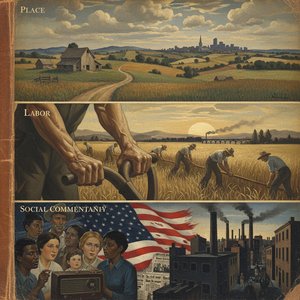
Amerykański Regionalizm: Studium Tożsamości w Obrazach Pracy, Miejsca i Krytyki Społecznej
Poznaj fascynujący świat amerykańskiego regionalizmu! Analiza kluczowych artystów, wpływ Wielkiego Kryzysu na sztukę i symbolika krajobrazu. Ekspercka analiza dla miłośników historii sztuki.

John Singer Sargent: 25 Arcydzieł Pełnych Elegancji i Światła | OriginalUniqueArt.com
Odkryj 25 arcydzieł Johna Singera Sargenta – mistrza portretu i impresjonizmu. Poznaj historie, techniki i inspiracje za jego najsłynniejszymi obrazami. Reprodukcje najwyższej jakości na OriginalUniqueArt.com. Eksploruj pełną kolekcję online!

Grant Wood & American Regionalism: Identity, Myth & the Rural Landscape
Explore the world of Grant Wood & American Regionalism with OriginalUniqueArt. Discover the symbolism behind 'American Gothic', recurring themes, and the movement's lasting impact on art history. High-quality reproductions available.

John Constable: 25 Najlepszych Obrazów Mistrza Angielskiego Krajobrazu | OriginalUniqueArt
Odkryj 25 arcydzieł Johna Constable'a – mistrza angielskiego krajobrazu! Poznaj romantyczne pejzaże, technikę malarską i inspiracje z Dedham Vale. Reprodukcje obrazów najwyższej jakości na OriginalUniqueArt.com. Eksploruj pełną kolekcję online!