Podgląd w skali 1:1
 Wyślij jako kartkę
 Udostępnij
 Szczegóły dzieła
 Przewodnik

 Pobierz obraz
 Podobne obiekty
 RTG
RTG Pokaz slajdów
 Q&A
Q&A Statystyki
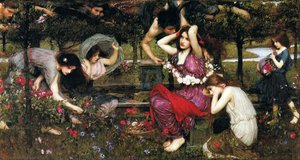
The Enchanted Garden

- 115.0 x 160.0 cm


 Rozwiń treść
Giclée / Wydruk artystyczny
Wydruki giclée lub płótna o jakości muzealnej, szybka realizacja i szeroki wybór opcji wykończenia. ( Zamów ręcznie malowaną reprodukcję Przejdź do wersji cyfrowej)




P118B zł10

P118H zł10

P118W zł10

P438Z zł10

P508JH zł12

P508YH zł12

P805H zł10

P805Z zł10

P919BZ zł10

P919G zł10

P919XJ zł10

P959ZH zł10

P968JZ zł12

W106C zł8

W218G zł10

W218JH zł8

W218Y zł10

W307PJ zł10

W316G zł10

W316PJ zł8

W316Y zł10

W398PJ zł8

W4111J zł10

W500HY zł15

W500JH zł15

W692G zł12

W849H zł8

W940BG zł15

W953PJ zł8




Wybierz spośród naszych standardowych rozmiarów, które zachowują oryginalne proporcje dzieła sztuki.

Wpisz wymaganą szerokość i wysokość, aby dopasować grafikę do ramy lub ściany. Wydruk można jedynie przyciąć, nigdy nie powiększając go poza oryginalny obraz, dlatego format o innych proporcjach spowoduje utratę części kompozycji. Przed rozpoczęciem druku prześlemy Ci cyfrowy podgląd do zatwierdzenia. Obraz wyświetlany na tej stronie nie pokazuje rzeczywistego przycięcia — jedynie podgląd oddaje ten efekt.
Dostawa na cały świat () w ciągu 2 tygodni zamiast standardowych 4/5 tygodni. (2 Listopad)

Bezpłatna ekspresowa wysyłka na cały świat

Wysokiej jakości płótno lniane

Pełne ubezpieczenie przesyłki

Gwarancja zwrotu należności celnych i podatków importowych

Gwarancja wiernego odwzorowania kolorów

100-dniowa polityka zwrotów (tylko w przypadku wad)

Gwarancja 100% zwrotu pieniędzy

Zniżka przy zakupie wielu sztuk
 Opcja ze szkłem jest dostępna wyłącznie w rozmiarach poniżej 110 cm

The Enchanted Garden
Giclée / Wydruk artystyczny
Wymiary reprodukcji
-


Cena całkowita
zł 312
The Enchanted Garden: A Romantic Vision by John William Waterhouse
The painting “The Enchanted Garden,” completed in 1917 by the celebrated English artist John William Waterhouse, stands as a quintessential embodiment of Pre-Raphaelite romanticism. More than just a depiction of flora and fauna, it’s an invitation into a dreamlike realm where beauty reigns supreme and symbolism whispers secrets to attentive eyes—a fascination with classical art that would define Waterhouse's artistic legacy.Style and Influences: Echoes of Byzantium
Waterhouse’s stylistic approach was firmly rooted in the Pre-Raphaelite Brotherhood, a group of artists who rejected the academic conventions prevalent at the time and sought inspiration from medieval art and literature. Unlike the polished surfaces favored by their contemporaries, Waterhouse prioritized capturing ethereal beauty—a characteristic that permeated his entire oeuvre. The influence of Byzantine iconography is palpable; the muted palette—dominated by soft blues, greens, and creams—creates an atmosphere of solemn contemplation reminiscent of illuminated manuscripts. This deliberate stylistic choice underscores Waterhouse’s desire to transcend mere representation and convey a deeper spiritual resonance.Technique: Delicate Brushstrokes and Atmospheric Light
Waterhouse's mastery lay in his meticulous technique. He employed delicate brushstrokes, layering translucent glazes to achieve remarkable luminosity—a hallmark of Pre-Raphaelite painting. The artist painstakingly rendered the textures of petals and foliage, capturing every nuance of light and shadow. Waterhouse’s attention to detail extended beyond mere visual accuracy; he sought to evoke a palpable sense of atmosphere—the coolness of twilight, the subtle fragrance of blossoms—transforming his canvas into an immersive experience for the viewer. The artist skillfully utilized chiaroscuro—contrasting areas of light and dark—to sculpt forms and heighten dramatic effect.Historical Context: A Moment Frozen in Time
“The Enchanted Garden” was created during a period of significant artistic ferment, coinciding with the waning influence of Impressionism and the resurgence of interest in Romantic ideals. Waterhouse’s work reflects the broader cultural anxieties surrounding modernity—a yearning for stability amidst rapid social change. The painting resides at the Lady Lever Art Gallery in Merseyside, United Kingdom, offering visitors a chance to contemplate this masterpiece within its original context—a testament to Liverpool's commitment to preserving and celebrating artistic heritage. Its placement alongside other Pre-Raphaelite treasures reinforces Waterhouse’s position as one of the movement’s foremost practitioners.Symbolism: Snowflakes and Eternal Beauty
The painting is replete with symbolic imagery designed to elevate its aesthetic qualities beyond mere visual pleasure. The falling snowflakes—a recurring motif in Waterhouse's art—represent the passage of time and the ephemeral nature of beauty, reminding us that even the most exquisite creations are destined for decay. Yet, amidst this melancholic contemplation lies an affirmation of eternal ideals—the enduring power of love, faith, and artistic vision. The carefully positioned figures—women adorned in flowing gowns—symbolize feminine grace and spiritual purity. Their gaze is directed inward, suggesting a preoccupation with inner reflection—a profound engagement with the mysteries of existence.Emotional Impact: A Sanctuary for the Soul
Ultimately, “The Enchanted Garden” transcends its formal elements to elicit an emotional response from the viewer. Its serene beauty inspires feelings of tranquility and wonder—transporting us back to a time when imagination reigned supreme and art served as a conduit for spiritual contemplation. Waterhouse’s masterful orchestration of color, light, and composition creates a sanctuary for the soul—a space where anxieties dissipate and we reconnect with our deepest aspirations. It remains an enduring testament to the transformative power of art—a timeless masterpiece that continues to captivate audiences across generations.Pytania i odpowiedzi
Czy "The Enchanted Garden" wpisuje się w typową tematykę twórczości Jan Wilhelm Wodsworth Waterhouse?
Powracające motywy w twórczości Jan Wilhelm Wodsworth Waterhouse obejmują pre-raphaelite style, mythological narrative, victorian idealism, arcadia symbolism, artistic legacy; „The Enchanted Garden” koncentruje się na garden, women, flowers, arcadia, renaissance, elegance, tranquility.
Do którego etapu twórczości Jan Wilhelm Wodsworth Waterhouse należy dzieło „The Enchanted Garden”?
W dorobku artystycznym Jan Wilhelm Wodsworth Waterhouse dzieło „The Enchanted Garden” przypada na Mature Period. Ten etap pozwala zestawić je z innymi pracami twórcy.
Jaki kolor dominuje w dziele "The Enchanted Garden"?
Dominującym odcieniem w „The Enchanted Garden” – Jan Wilhelm Wodsworth Waterhouse jest Warm Sunset Tones.
Biografia artysty
A Roman Beginning: The Early Life and Influences of John William Waterhouse
John William Waterhouse, a name synonymous with the romantic allure of Pre-Raphaelite painting, began his artistic journey far from the fog-laden landscapes often associated with the movement. Born in Rome in 1849 to English parents, his earliest years were steeped in the classical beauty of Italy – an environment that would profoundly shape his aesthetic sensibilities. This formative period instilled within him a deep appreciation for ancient Roman art and mythology, themes that would recur throughout his prolific career. The Waterhouse family returned to England in 1854, settling in South Kensington, London, a location strategically chosen for its proximity to the burgeoning Victoria and Albert Museum. Here, young John was exposed to an unparalleled collection of classical sculpture and decorative arts, further nurturing his fascination with antiquity. His initial training was conventional, encompassing studies at the Royal Academy Schools, where he honed his technical skills in drawing and painting, but it was the atmosphere of intellectual curiosity and artistic innovation that truly ignited his passion. Even early works reveal a meticulous attention to detail and a commitment to historical accuracy, qualities that would become hallmarks of his style.Embracing the Pre-Raphaelite Brotherhood
While Waterhouse’s initial work displayed classical leanings reminiscent of artists like Alma-Tadema and Frederic Leighton, he gradually gravitated towards the ideals of the Pre-Raphaelite Brotherhood. This artistic collective, founded in 1848, championed a return to the detailed observation of nature and the vibrant colors found in early Italian Renaissance art – before what they perceived as the stylistic decline initiated by Raphael. Waterhouse didn’t join the brotherhood itself, but he wholeheartedly embraced its principles, infusing his paintings with a lyrical beauty and emotional depth that resonated deeply with audiences. His 1874 painting, *Sleep and his Half-Brother Death*, exhibited at the Royal Academy, marked a turning point, demonstrating his growing mastery of symbolic narrative and atmospheric effects. This success paved the way for consistent inclusion in the annual exhibitions, establishing him as a rising star within the London art scene. He wasn’t merely replicating Pre-Raphaelite techniques; he was interpreting them through his own unique lens, blending classical precision with romantic sensibility.Mythological Visions and Arthurian Echoes
Waterhouse's most celebrated works are those that draw inspiration from mythology and Arthurian legend. He possessed a remarkable ability to breathe life into ancient stories, portraying goddesses, nymphs, and tragic heroines with an exquisite blend of beauty and pathos. *The Lady of Shalott*, perhaps his most iconic painting, exists in three versions (1888, 1894, and 1916), each a testament to his enduring fascination with Tennyson’s poem. The image of the doomed lady, adrift on her river barge, became emblematic of Victorian romanticism and the plight of artistic isolation. Similarly, his depictions of Ophelia, capturing the moment before her tragic demise, are imbued with a haunting melancholy. He didn't simply illustrate these tales; he explored their psychological depths, focusing on the emotional states of his subjects. *Hylas and the Nymphs*, *Ariadne*, and *Penelope and the Suitors* are further examples of his ability to transform classical narratives into visually stunning and emotionally resonant works of art. His paintings weren’t just beautiful; they were imbued with a sense of narrative power, inviting viewers to contemplate the complexities of human experience.Technique and Style – A Delicate Balance
Waterhouse's artistic style was characterized by a remarkable balance between meticulous detail and atmospheric softness. He meticulously rendered fabrics, jewels, and architectural elements with astonishing precision, often employing techniques borrowed from classical art and decorative arts. However, he avoided the overly polished or artificial look that could sometimes plague academic painting. Instead, he favored a luminous palette—rich in blues, greens, and golds—and used subtle gradations of color to create an ethereal quality. His brushwork was generally smooth and blended, but he wasn’t afraid to introduce small areas of visible texture to suggest the surface qualities of his subjects. This combination of technical skill and artistic sensitivity is evident throughout his oeuvre, contributing to the captivating beauty and emotional resonance of his paintings. He often worked on a large scale, creating monumental compositions that commanded attention and invited prolonged contemplation.Legacy and Lasting Influence
John William Waterhouse continued to paint prolifically until his death in 1917, achieving widespread recognition and acclaim during his lifetime. He was elected a full Academician in 1895 and dedicated time to teaching at the St. John's Wood Art School, nurturing the next generation of artists. While his popularity waned somewhat after World War I, there has been a significant resurgence of interest in his work in recent decades. Today, Waterhouse is celebrated as one of the most important figures of the Pre-Raphaelite movement and a master of Victorian painting. His paintings continue to captivate audiences with their exquisite beauty, emotional depth, and timeless appeal. He left behind a legacy of romantic visions, mythological interpretations, and tragic heroines that continue to inspire artists and art lovers alike. The enduring power of his work lies in its ability to transport viewers to another world – a realm of myth, legend, and profound human emotion.
Jan Wilhelm Wodsworth Waterhouse
1849 - 1917 , Włochy
Krótka nota
- Artistic Movement Or Style: Prerafaelista, Klasyczny
- Artists Or Movements Influenced By This Artist: ['Impressionizm']
- Artists Who Influenced This Artist:
- Alma-Tadema
- Frederic Leighton
- Date Of Birth: 1849
- Date Of Death: 1917
- Full Name: John William Waterhouse
- Nationality: Angielski
- Notable Artworks:
- Lady Shalott
- Ophelia
- Hylas i Ninie
- Place Of Birth: Rzym, Włochy
Powiązane artykuły

Pre-Raphaelite Romanticism: A Guide to Vivid Detail and Medieval Beauty in Victorian Art
Explore the vivid detail and medieval beauty of Pre-Raphaelite Romanticism. Discover the history of masters like Rossetti and Millais through our expert guide to Victorian art, perfect for collectors and professionals seeking authentic, museum-quality reproductions.

Sir John Everett Millais: Pre-Raphaelite Rebellion & Victorian Narrative Detail
Explore the revolutionary art of Sir John Everett Millais & the Pre-Raphaelite Brotherhood. Discover their radical realism, symbolic narratives, and lasting impact on Victorian aesthetics. A deep dive into 19th-century masterpieces.
John William Waterhouse: Pre-Raphaelite Mythmaker & Poetic Depictions of Female Identity
Explore the captivating world of John William Waterhouse, a master of Pre-Raphaelite painting. Discover his iconic depictions of mythology and female identity in this expert guide.

Dante Gabriel Rossetti: 25 Arcydzieł Pełnych Pasji i Symboliki | OriginalUniqueArt
Odkryj 25 najpiękniejszych obrazów Dante Gabriela Rossettiego! Poznaj historię, symbolikę i techniki prerafaelitów. Reprodukcje najwyższej jakości do Twojego wnętrza – OriginalUniqueArt.

John Constable: 25 Najlepszych Obrazów Mistrza Angielskiego Krajobrazu | OriginalUniqueArt
Odkryj 25 arcydzieł Johna Constable'a – mistrza angielskiego krajobrazu! Poznaj romantyczne pejzaże, technikę malarską i inspiracje z Dedham Vale. Reprodukcje obrazów najwyższej jakości na OriginalUniqueArt.com. Eksploruj pełną kolekcję online!