

 Wyślij
 Udostępnij
 Szczegóły
 Przewodnik

 Pobierz plik obrazu
 Podobne obiekty
 Pokaz slajdów
 Statystyki
Robert Fulton (1765–1815)
 Black and White Photography
- Photo
- Neoclassicism
 1798
1798- 19th Century
 26.0 x 20.0 cm
 Czytaj więcej
Ręcznie malowana reprodukcja olejowa
Ręcznie malowany obraz olejny na płótnie, wykonany na zamówienie przez naszych artystów w wybranym przez Ciebie wymiarze i oprawie. ( Przełącz na wersję drukowaną Przełącz na wersję cyfrową)




































Wybierz spośród naszych standardowych rozmiarów, które zachowują oryginalne proporcje dzieła sztuki.

Możesz wprowadzić własne wymiary, aby dopasować obraz do konkretnej ramy lub przestrzeni. Jeśli wybrany rozmiar nie będzie odpowiadał proporcjom oryginału, przytniecie dzieło sztuki lub rozszerzymy je o dodatkowe elementy, ręcznie domalowane przez artystę. Przed rozpoczęciem produkcji wyślemy projekt cyfrowy do Twojej akceptacji.
Należy pamiętać, że podgląd na ekranie nie odzwierciedla rzeczywistego przycinania ani rozszerzania obrazu. Tylko projekt dokładnie pokaże ostateczną kompozycję.
Choć oferujemy możliwość zamówienia niestandardowych rozmiarów, zalecamy wybór wymiaru z gotowej listy, aby zachować oryginalne proporcje dzieła.
Po złożeniu zamówienia zespół OriginalUniqueArt.com skontaktuje się z klientem drogą mailową w celu uzyskania instrukcji i prześle wizualizację projektu
Dostawa na całym świecie () w ciągu 3–4 tygodni zamiast standardowych 5 tygodni. (26 Wrzesień). Bez kompromisów w kwestii jakości.

Bezpłatna ekspresowa wysyłka na cały świat

Wysokiej jakości płótno lniane

Pełne ubezpieczenie transportowe

Gwarancja zwrotu należności celnych i podatków importowych

Gwarancja idealnego odwzorowania barw

100-dniowy okres na zwrot dzieła w przypadku wykrycia wad produkcyjnych

Gwarancja 100% zwrotu pieniędzy

Oferta przy zakupie wielu sztuk
 Opcja ze szkłem jest dostępna wyłącznie w rozmiarach poniżej 110 cm

Robert Fulton (1765–1815)
Technika wykonania
Rozmiar reprodukcji
-


Suma do zapłaty
$ 300
A Glimpse into the Era of Innovation
In this evocative portrait of Robert Fulton, we are transported back to the turn of the nineteenth century, an era defined by the rapid pulse of industrial transformation. Captured through the lens of history in 1798, the work presents a man whose very presence commands respect and contemplation. The subject, dressed in the formal attire of a gentleman—a structured suit and tie—exudes a gravity that speaks to his prominence. There is a profound stillness in his gaze, a serious expression that suggests a mind deeply engaged with the complexities of a changing world. As an image, it serves not merely as a likeness but as a window into the soul of an age where intellect and ambition were beginning to reshape the global landscape.
The monochromatic palette of this piece lends it an air of timelessness, stripping away the distractions of color to focus the viewer's attention on form, texture, and light. The subtle interplay of shadows across the subject's features creates a sense of depth that is both haunting and dignified. For the discerning collector or interior designer, this portrait offers a sophisticated touch of historical weight. It possesses the rare ability to anchor a room, providing a focal point that invites conversation about legacy, progress, and the enduring strength of the human spirit.
The Artistry of Legacy and Lineage
The creation of such a portrait is deeply intertwined with the artistic lineage of John Vanderlyn. As an artist who bridged the gap between American identity and European Neoclassical refinement, Vanderlyn brought a disciplined approach to his subjects. His training allowed him to capture more than just physical features; he sought to render the character and social standing of his sitters with meticulous precision. In this depiction of Fulton, one can sense the influence of that classical tradition—the emphasis on clarity, the dignified posture, and the deliberate composition that elevates a simple portrait into a monumental study of a historical figure.
For those looking to integrate fine art into a contemporary living space, this reproduction offers an exquisite opportunity. The piece functions beautifully in settings that value heritage and intellectual depth, such as a private library, a formal study, or a curated gallery wall. Its understated elegance ensures it complements both traditional and modern decor, acting as a bridge between the storied past and the refined present. To possess such a work is to hold a fragment of history, a piece of the very fabric that woven the foundations of the modern industrial age.
Biografia artysty
A Pioneer Bridging Worlds: The Life and Art of John Vanderlyn
John Vanderlyn, born in Kingston, New York, on October 15, 1775, occupies a unique position in the narrative of American art. He wasn’t merely a painter; he was a cultural bridge, forging a path for American artists to embrace European training—specifically, the burgeoning Neoclassical style emanating from Paris—rather than defaulting to the established artistic centers of London. His story is one of ambition, talent, and ultimately, a poignant struggle against financial hardship, yet his contributions remain significant in shaping the early landscape of American painting. Vanderlyn’s lineage itself hinted at an artistic destiny; he was the grandson of Pieter Vanderlyn, a respected colonial portraitist, inheriting not just a name but also a foundational understanding of form and representation. Early employment with a New York print seller provided practical exposure to the art world, while initial instruction under Archibald Robinson honed his fundamental skills. However, it was through copying portraits by Gilbert Stuart—and crucially, spending time within Stuart’s studio—that Vanderlyn truly began to cultivate his own portraiture abilities, absorbing the techniques of a master already renowned for capturing likeness and character.Early Life and Artistic Foundations
Born into a family with roots in Dutch colonial artistry, John Vanderlyn's early life instilled a deep appreciation for visual representation. His grandfather, Pieter Vanderlyn, was a well-regarded portraitist in New York, providing the young John with an initial connection to the world of art. Following in his family’s footsteps, John initially worked as a printer’s assistant, gaining valuable experience in reproduction and design – skills that would later prove useful in his own artistic endeavors. Crucially, he received formal instruction from Archibald Robinson, a Scottish-born painter who served as one of the directors of the American Academy of Fine Arts. Robinson's guidance provided Vanderlyn with a solid foundation in classical techniques and principles, laying the groundwork for his future development. However, it was his apprenticeship under Gilbert Stuart that truly ignited his artistic passion. Spending time within Stuart’s bustling studio offered Vanderlyn an unparalleled opportunity to observe and learn from one of America’s most celebrated portraitists. He meticulously studied Stuart's methods, absorbing not only his technical skills but also his understanding of capturing the essence of a subject – their personality, character, and social standing.Parisian Refinement and the Embrace of Neoclassicism
A pivotal moment arrived in 1796 when Aaron Burr, recognizing Vanderlyn’s potential, dispatched him to Paris to study art. This decision was revolutionary; it marked a deliberate shift away from the traditional British artistic influence that had long dominated American training. For five years, Vanderlyn immersed himself in the Parisian art scene, absorbing the principles of Neoclassicism—an aesthetic movement emphasizing classical forms, order, and thematic content drawn from ancient Greece and Rome. This exposure profoundly shaped his style, instilling a sense of clarity, balance, and idealized beauty into his work. He studied diligently at the *École des Beaux-Arts*, mastering techniques in composition, perspective, and color theory. He was particularly influenced by the works of Jacques-Louis David, whose monumental historical paintings exemplified the Neoclassical ideal. Vanderlyn’s time in Paris wasn't just about technical training; it was a transformative experience that fundamentally altered his artistic vision. He began to see America through the lens of European history and culture, seeking to create art that reflected both his American identity and his newfound appreciation for classical ideals.Major Works and Artistic Versatility
Vanderlyn’s career was remarkably diverse, encompassing portraiture, landscape painting, and even large-scale panoramic works. He secured commissions from prominent figures—James Monroe, John C. Calhoun, and Andrew Jackson all sat for his portraits—demonstrating his ability to capture the likenesses of important individuals with remarkable accuracy and sensitivity. However, it was his ventures beyond traditional portraiture that truly distinguished him. In 1802, he created two striking views of Niagara Falls, which were subsequently engraved and published in London, bringing the majesty of the American landscape to a European audience. These works showcased Vanderlyn’s burgeoning skills as a topographical painter, capturing the dramatic scale and beauty of the natural world with impressive detail. His ambition reached new heights with *Caius Marius Amid the Ruins of Carthage*, exhibited at the Paris Salon of 1808, where it earned him a coveted gold medal—a testament to his mastery of Neoclassical technique and composition. This success propelled Vanderlyn to international recognition, solidifying his position as one of America’s leading artists. Later, he experimented with panoramic paintings, including “Panoramic View of the Palace and Gardens of Versailles” (1818-19), demonstrating an innovative approach to immersive art experiences – a relatively new concept at the time.Legacy and Enduring Significance
John Vanderlyn’s legacy extends beyond his individual artworks. He was a true pioneer, challenging the established norms of American artistic training by championing the study of art in Paris. This opened doors for future generations of artists to explore new influences and develop their own unique styles. His commitment to Neoclassical principles contributed significantly to the development of this aesthetic movement within American art, influencing subsequent painters with its emphasis on form, clarity, and historical subject matter. Furthermore, his paintings served as a visual record of early American history, capturing the likenesses of important figures and depicting pivotal events. As one of the founding members of the National Academy of Design, Vanderlyn played an active role in establishing a professional organization dedicated to promoting American art. Despite facing financial difficulties later in life—he died in relative obscurity on September 23, 1852, in Kingston, New York, and is buried at Wiltwyck Rural Cemetery—his contributions to the development of American painting remain undeniable. He was an artist who dared to look beyond established conventions, embracing innovation and leaving an indelible mark on the cultural landscape of his time.
Jan Vanderlyn
1775 - 1852 , Stany Zjednoczone
Najważniejsze informacje
- Artistic Movement Or Style: Neoklasycizm
- Artists Or Movements Influenced By This Artist: ['Amerykański Neoklasycyzm']
- Artists Who Influenced This Artist: ['Gilbert Stuart']
- Date Of Birth: 18 października 1775
- Date Of Death: 23 września 1852
- Full Name: John Vanderlyn
- Nationality: Amerykański
- Notable Artworks:
- Lądowanie Kolumba
- Widoki Niagara
- Marius w ruinach Kartagi
- Panorama Versailles
- Place Of Birth: Kingston, Nowy Jork
Zobacz także powiązane artykuły

Czarne arcydzieła: Top 10 słynnych obrazów pełnych mroku i ekspresji | OriginalUniqueArt.com
Odkryj 10 słynnych obrazów, w których czerń króluje! Poznaj historie artystów, ekspresjonizm i mroczną paletę barw. Reprodukcje dzieł sztuki najwyższej jakości na OriginalUniqueArt.com – inspiracje do wnętrz i kolekcjonerstwo.

Białe arcydzieła: Top 10 słynnych obrazów pełnych światła i emocji | OriginalUniqueArt.pl
Odkryj 10 najsłynniejszych obrazów, w których biel dominuje i tworzy wyjątkową atmosferę. Poznaj historie Moneta, Van Gogha i innych mistrzów! Reprodukcje najwyższej jakości na OriginalUniqueArt.com – inspiracje wnętrzarskie i kolekcjonerstwo sztuki online.

Monochromatyczne Wizje: Estetyka i Historyczne Znaczenie Fotografii Czarno-Białej
Odkryj fascynujący świat fotografii czarno-białej! Poznaj historię, techniki i arcydzieła monochromatycznej sztuki. Inspiracje, porady i analiza wpływu na współczesną estetykę. OriginalUniqueArt.com.
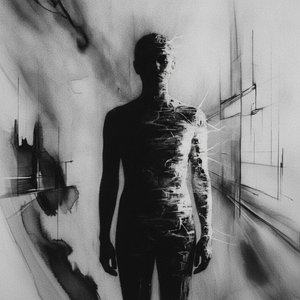
Shadow & Soul: Why Black & White Photography Remains the Ultimate Power Move in Modern Art
Discover why black & white photography remains a powerful force in contemporary art. Explore the impact of light, shadow, and texture through a visual journey of monochrome mastery and learn how to elevate your space with timeless grayscale aesthetics.

The Art of Monochrome: Transforming Personal Memories into Timeless Black & White Fine Art Masterpieces
Elevate your most cherished memories with OriginalUniqueArt’s bespoke service. We transform your personal photos into breathtaking, hand-painted black & white oil masterpieces. Experience museum-quality craftsmanship and timeless elegance for your private collection. Discover the art of legacy.