

 Zobacz w skali 1:1
 Wyślij
 Udostępnij
 Szczegóły
 Guide
Guide

 Pobierz plik obrazu
 Podobne obiekty
 RTG
RTG Pokaz slajdów
 Statystyki
The Enchanted Doorway
 Renaissance
 1930
1930 32.0 x 17.0 cm
 Czytaj więcej
Ręcznie malowana reprodukcja olejowa
Ręcznie malowany obraz olejny na płótnie, wykonany na zamówienie przez naszych artystów w wybranym przez Ciebie wymiarze i oprawie. ( Przełącz na wersję drukowaną Przełącz na wersję cyfrową)




































Wybierz spośród naszych standardowych rozmiarów, które zachowują oryginalne proporcje dzieła sztuki.

Możesz wprowadzić własne wymiary, aby dopasować obraz do konkretnej ramy lub przestrzeni. Jeśli wybrany rozmiar nie będzie odpowiadał proporcjom oryginału, przytniecie dzieło sztuki lub rozszerzymy je o dodatkowe elementy, ręcznie domalowane przez artystę. Przed rozpoczęciem produkcji wyślemy projekt cyfrowy do Twojej akceptacji.
Należy pamiętać, że podgląd na ekranie nie odzwierciedla rzeczywistego przycinania ani rozszerzania obrazu. Tylko projekt dokładnie pokaże ostateczną kompozycję.
Choć oferujemy możliwość zamówienia niestandardowych rozmiarów, zalecamy wybór wymiaru z gotowej listy, aby zachować oryginalne proporcje dzieła.
Po złożeniu zamówienia zespół OriginalUniqueArt.com skontaktuje się z klientem drogą mailową w celu uzyskania instrukcji i prześle wizualizację projektu
Dostawa na całym świecie () w ciągu 3–4 tygodni zamiast standardowych 5 tygodni. (21 Wrzesień). Bez kompromisów w kwestii jakości.

Bezpłatna ekspresowa wysyłka na cały świat

Wysokiej jakości płótno lniane

Pełne ubezpieczenie transportowe

Gwarancja zwrotu należności celnych i podatków importowych

Gwarancja idealnego odwzorowania barw

100-dniowy okres na zwrot dzieła w przypadku wykrycia wad produkcyjnych

Gwarancja 100% zwrotu pieniędzy

Oferta przy zakupie wielu sztuk
 Opcja ze szkłem jest dostępna wyłącznie w rozmiarach poniżej 110 cm

The Enchanted Doorway
Technika wykonania
Rozmiar reprodukcji
-


Suma do zapłaty
$ 300
Biografia artysty
The Architect of the Etched Line
John Taylor Arms was far more than a mere printmaker; he was an architect of light and shadow, a man who used the needle to resurrect the grandeur of a bygone era. Born in Washington, D.C., on April 19, 1887, his early life was marked by a rigorous intellectual pursuit that would later define the precision of his art. Before he ever touched an etching plate, Arms navigated the demanding corridors of Princeton University, studying law, before pivoting toward the structural complexities of architecture at the Massachusetts Institute of Technology. This foundational training in architectural drafting provided him with a unique ocular discipline, allowing him to perceive the world not just as a collection of shapes, but as a sophisticated interplay of weight, balance, and historical narrative.
The turbulence of the early twentieth century left an indelible mark on his spirit. Serving as an officer in the United States Navy during World War I, Arms experienced a world in flux, yet it was this very period of service that seemed to crystallize his dedication to craftsmanship. Upon returning to civilian life, he turned his focus toward the graphic arts, publishing his first original etchings in 1919. His initial subject matter—the soaring, industrial majesty of the Brooklyn Bridge—demonstrated an early mastery of perspective and tonal gradation, proving that his architectural eye could find beauty in both the ancient and the modern.
A Devotion to Gothic Grandeur
As his career matured throughout the 1920s and 30s, Arms’ artistic gaze drifted from the steel spans of New York toward the hallowed, stone-carved sanctuaries of Europe. He became a preeminent interpreter of Gothic architecture, particularly the magnificent cathedrals of France and Italy. While many of his contemporaries were swept up in the fluid, emotive strokes of Impressionism, Arms remained steadfast in his commitment to an almost scientific accuracy. To him, every flying buttress, every intricate finial, and every delicate rose window held a spiritual and historical weight that demanded absolute fidelity.
His technical process was nothing short of legendary among printmaking circles. To achieve the microscopic detail required to render medieval stone carvings, Arms employed unconventional tools, such as sewing needles, to etch hairline precision into his plates. Working under the scrutiny of magnifying glasses, he painstakingly built layers of texture and depth, creating works that felt less like prints and more like windows into the past. This meticulousness allowed him to capture the soul of the architecture; through his lines, one could almost feel the cool dampness of a cathedral nave or the weight of centuries-old masonry.
Legacy in Ink and Iron
The significance of John Taylor Arms lies in his ability to bridge the gap between technical documentation and fine art. His oeuvre serves as a vital graphic record of architectural splendor, preserving the intricate details of medieval structures with a clarity that photography of the era could not replicate. His work was celebrated by numerous printmaking societies, and he became a prominent figure in the American graphic arts scene, blending humanist sensibilities with his structural expertise.
Throughout his life, Arms’ contributions to the medium can be summarized by several defining characteristics:
- Architectural Precision: A unique ability to translate complex structural engineering into delicate, expressive line work.
- Historical Preservation: The use of etching as a tool to document and venerate the Gothic and medieval heritage of Europe.
- Technical Innovation: The mastery of specialized tools and extreme detail that pushed the boundaries of traditional printmaking.
- Tonal Mastery: An exceptional command over light and shadow, creating atmospheric depth within monochromatic compositions.
When he passed away in 1953, Arms left behind a legacy etched into the very fabric of American printmaking history. His works, now held in prestigious institutions such as the Smithsonian American Art Museum, continue to inspire awe, reminding us that true beauty is often found in the most minute and meticulously crafted details.
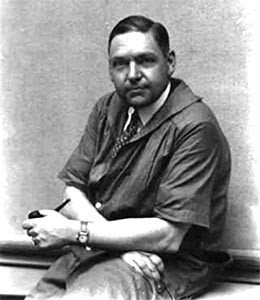
John Taylor Arms
1887 - 1953
Najważniejsze informacje
- Artistic Movement Or Style: Gothic Architecture Series
- Date Of Birth: 1887
- Date Of Death: 1953
- Full Name: John Taylor Arms
- Nationality: American
- Notable Artworks:
- Medieval Pageantry
- Somewhere in France
- French Lace
- Place Of Birth: Washington, DC
Zobacz także powiązane artykuły
Giotto di Bondone: 25 Arcydzieł Sztuki Niezmieniających Historii | OriginalUniqueArt.com
Odkryj 25 arcydzieł Giotta di Bondone – renesansowego mistrza fresków. Poznaj historię, techniki i emocje w jego najsłynniejszych dziełach. Reprodukcje obrazów najwyższej jakości na OriginalUniqueArt.com. Eksploruj pełną kolekcję online!

John Singer Sargent: 25 Arcydzieł Pełnych Elegancji i Światła | OriginalUniqueArt.com
Odkryj 25 arcydzieł Johna Singera Sargenta – mistrza portretu i impresjonizmu. Poznaj historie, techniki i inspiracje za jego najsłynniejszymi obrazami. Reprodukcje najwyższej jakości na OriginalUniqueArt.com. Eksploruj pełną kolekcję online!

Engraving: A Historical Survey of Technique, Artistic Expression & Enduring Legacy
Explore the rich history of engraving with OriginalUniqueArt. Discover techniques, iconic artists like Dürer & Callot, collecting tips, and expert guidance for preserving your art investment. Learn about intaglio printing & more!

John Constable: 25 Najlepszych Obrazów Mistrza Angielskiego Krajobrazu | OriginalUniqueArt
Odkryj 25 arcydzieł Johna Constable'a – mistrza angielskiego krajobrazu! Poznaj romantyczne pejzaże, technikę malarską i inspiracje z Dedham Vale. Reprodukcje obrazów najwyższej jakości na OriginalUniqueArt.com. Eksploruj pełną kolekcję online!
10 Arcydzieł Grafiki, Które Zrewolucjonizowały Sztukę | OriginalUniqueArt
Odkryj 10 legendarnych arcydzieł grafiki – rytownictwo Rembrandta, Dürera i Goya! Poznaj historię artystów, techniki i wpływ na sztukę. Znajdź idealne reprodukcje obrazów do Twojego wnętrza na OriginalUniqueArt.com