
 Podgląd w skali
 Wyślij jako kartkę
 Udostępnij
 Szczegóły dzieła

 Pobierz
 Podobne obiekty
 RTG
RTG Pokaz slajdów
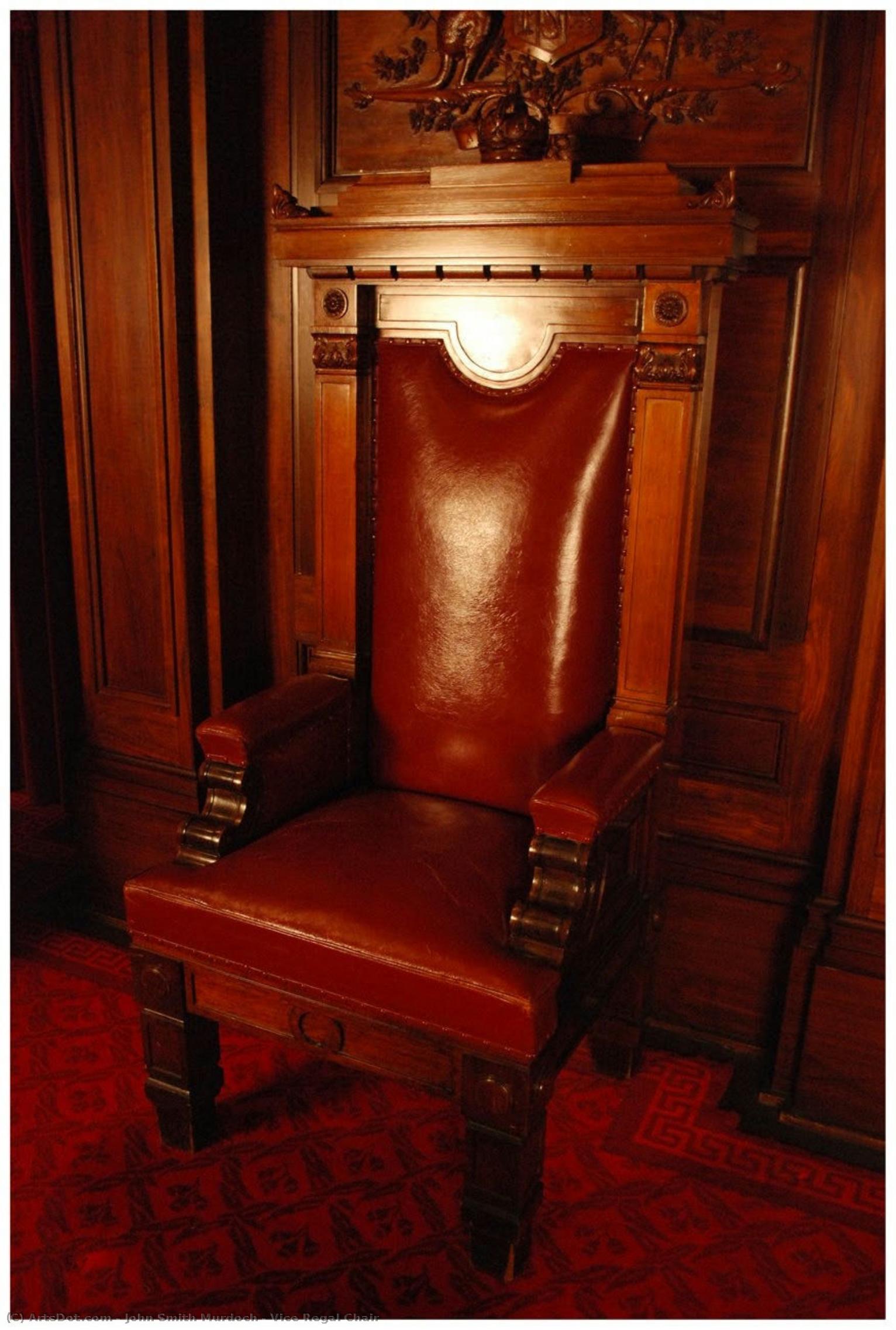
Vice Regal Chair

 Rozwiń treść
Ręcznie malowana reprodukcja olejowa
Ręcznie malowany obraz olejny na płótnie, wykonany na zamówienie przez naszych artystów w wybranym przez Ciebie wymiarze i oprawie. ( Zamów wydruk Kup obraz wysokiej rozdzielczości)




































Wybierz spośród naszych standardowych rozmiarów, które zachowują oryginalne proporcje dzieła sztuki.

Możesz wprowadzić własne wymiary, aby dopasować obraz do konkretnej ramy lub przestrzeni. Jeśli wybrany rozmiar nie będzie odpowiadał proporcjom oryginału, przytniecie dzieło sztuki lub rozszerzymy je o dodatkowe elementy, ręcznie domalowane przez artystę. Przed rozpoczęciem produkcji wyślemy projekt cyfrowy do Twojej akceptacji.
Należy pamiętać, że podgląd na ekranie nie odzwierciedla rzeczywistego przycinania ani rozszerzania obrazu. Tylko projekt dokładnie pokaże ostateczną kompozycję.
Choć oferujemy możliwość zamówienia niestandardowych rozmiarów, zalecamy wybór wymiaru z gotowej listy, aby zachować oryginalne proporcje dzieła.
Po złożeniu zamówienia zespół OriginalUniqueArt.com skontaktuje się z klientem drogą mailową w celu uzyskania instrukcji i prześle wizualizację projektu
Dostawa na całym świecie () w ciągu 3–4 tygodni zamiast standardowych 5 tygodni. (18 Sierpień). Bez kompromisów w kwestii jakości.

Bezpłatna ekspresowa wysyłka na cały świat

Wysokiej jakości płótno lniane

Pełne ubezpieczenie przesyłki

Gwarancja zwrotu należności celnych i podatków importowych

Gwarancja wiernego odwzorowania kolorów

Polityka 60-dniowego zwrotu (tylko w przypadku wad)

Gwarancja 100% zwrotu kosztów

Zniżka przy zamówieniu wielu produktów
 Opcja ze szkłem jest dostępna wyłącznie w rozmiarach poniżej 110 cm

Vice Regal Chair
Technika reprodukcji
Wymiary reprodukcji
-


Cena całkowita
$ 300
Opis dzieła
O artyście
John Smith Murdoch: Architect of Canberra and Pioneer of Australian Design
John Smith Murdoch (1862 – 1945) stands as a pivotal figure in the architectural history of Australia, recognized primarily for his leadership role at the Commonwealth Public Works Department and, crucially, for designing Canberra’s Parliament House—a building that embodies the nation's ideals of democracy and civic grandeur. Born in Scotland, Murdoch’s formative years instilled within him a profound appreciation for classical design principles and meticulous craftsmanship, influences that would permeate his entire career.Early Life and Education
Murdoch’s upbringing fostered an intellectual curiosity and a dedication to formal education. He pursued studies at Glasgow University, specializing in architecture, equipping him with the foundational knowledge necessary to excel in his chosen profession. His early involvement with the Glasgow School of Art as a janitor provided invaluable experience within the burgeoning field of design—a connection that would prove enduring throughout his life. This position wasn’t merely custodial; it allowed Murdoch to observe firsthand the evolving landscape of architectural innovation and the importance of public service.Career at the Commonwealth Public Works Department
Murdoch's ascent began in 1904 when he was appointed Chief Architect for the newly established Commonwealth Public Works Department, marking a significant moment in Australian governance and artistic expression. Under his stewardship, the department undertook ambitious projects aimed at shaping the nation’s capital city—Canberra—a deliberate effort to distance Australia from its colonial past and establish a modern center of government. He championed innovative approaches to building design, prioritizing functionality alongside aesthetic beauty, reflecting the broader ethos of the Edwardian era.The Canberra Parliament House Project
Murdoch's legacy rests most prominently upon his role in conceiving and overseeing the construction of Canberra’s Parliament House—a project that commenced in 1913 and culminated in its inauguration in 1927. Collaborating closely with Walter Burley Griffin, Murdoch skillfully blended Griffin’s visionary organic design sensibilities with classical architectural forms, resulting in a building that remains an emblem of Australian identity. The Parliament House embodies the spirit of compromise—a testament to Murdoch's diplomatic skills and his commitment to forging unity amidst diverse perspectives—and continues to serve as a symbol of Australia’s democratic values.Influences and Artistic Style
Murdoch’s architectural style was deeply rooted in Beaux Arts principles, drawing inspiration from European precedents such as the École des Beaux-Arts in Paris. He favored symmetrical layouts, monumental scale, and elaborate ornamentation—techniques that conveyed authority and grandeur while adhering to established aesthetic standards. Furthermore, Murdoch's meticulous attention to detail—evident in the building’s stonework, glazing, and sculptural elements—demonstrated a dedication to craftsmanship and a belief in the transformative power of art.Legacy and Significance
John Smith Murdoch’s contribution to Australian architecture transcends mere construction; it represents a conscious effort to define national identity through artistic expression. His leadership at the Commonwealth Public Works Department fostered a generation of architects committed to shaping Australia's future—a legacy that persists today in Canberra’s enduring architectural splendor. Murdoch’s unwavering belief in classical ideals and his collaborative spirit cemented his place as one of Australia’s most influential figures, ensuring that his vision continues to inspire designers and shape the nation’s cultural heritage.
john smith murdoch
1862 - 1945 , Scotland
Krótka nota
- Artistic Movement Or Style: Architecture
- Artists Or Movements Influenced By This Artist: ['']
- Artists Who Influenced This Artist: ['']
- Date Of Birth: 1862
- Date Of Death: 1945
- Full Name: John Smith Murdoch
- Nationality: Scottish
- Notable Artworks: ['Canberra Parliament House']
- Place Of Birth: Scotland

