

 Zobacz w skali 1:1
 Wyślij
 Udostępnij
 Szczegóły
 Przewodnik

 Pobierz plik obrazu
 Podobne obiekty
 RTG
RTG Pokaz slajdów
 Statystyki
Watson i Czarny Żbik
 Olej na płótnie
- Sztuka ścienna
- Romantic Realism
 1778
1778- Wczesna nowożytność
 182.0 x 230.0 cm
 Narodowa Galeria Sztuki
 Czytaj więcej
Giclée / Wydruk artystyczny
Wydruki giclée lub płótna o jakości muzealnej, szybka realizacja i szeroki wybór opcji wykończenia. ( Kup ręcznie malowany obraz Przełącz na wersję cyfrową)




P118B zł10

P118H zł10

P118W zł10

P438Z zł10

P508JH zł12

P508YH zł12

P805H zł10

P805Z zł10

P919BZ zł10

P919G zł10

P919XJ zł10

P959ZH zł10

P968JZ zł12

W106C zł8

W218G zł10

W218JH zł8

W218Y zł10

W307PJ zł10

W316G zł10

W316PJ zł8

W316Y zł10

W398PJ zł8

W4111J zł10

W500HY zł15

W500JH zł15

W692G zł12

W849H zł8

W940BG zł15

W953PJ zł8




Wybierz spośród naszych standardowych rozmiarów, które zachowują oryginalne proporcje dzieła sztuki.

Wpisz wymaganą szerokość i wysokość, aby dopasować grafikę do ramy lub ściany. Wydruk można jedynie przyciąć, nigdy nie powiększając go poza oryginalny obraz, dlatego format o innym proporcji spowoduje utratę części kompozycji. Przed rozpoczęciem druku prześlemy Ci cyfrowy podgląd do zatwierdzenia. Obraz wyświetlany na tej stronie nie pokazuje rzeczywistego przycięcia — jedynie podgląd oddaje ten efekt.
Dostawa na cały świat () w ciągu 2 tygodni zamiast standardowych 4/5 tygodni. (22 Październik)

Bezpłatna ekspresowa wysyłka na cały świat

Wysokiej jakości płótno lniane

Pełne ubezpieczenie transportowe

Gwarancja zwrotu należności celnych i podatków importowych

Gwarancja idealnego odwzorowania barw

100-dniowy okres na zwrot dzieła w przypadku wykrycia wad produkcyjnych

Gwarancja 100% zwrotu pieniędzy

Oferta przy zakupie wielu sztuk
 Opcja ze szkłem jest dostępna wyłącznie w rozmiarach poniżej 110 cm

Watson i Czarny Żbik
Giclée / Wydruk artystyczny
Rozmiar reprodukcji
-


Suma do zapłaty
zł 304
Arcydzieło dramatycznej narracji
„Watson i rekin” autorstwa Johna Singletona Copleya to przejmujące przedstawienie ludzkiej walki o przetrwanie i heroicznej akcji ratunkowej, uchwycone w momencie intensywnego dramatu na wzburzonych wodach portu w Hawanie. Ten monumentalny olej na płótnie, powstały w zdarzeniu w 1778 roku, ukazuje wstrząsający moment ratunku Brooka Watsona – młodego kabinowego, który stracił nogę w wyniku ataku rekina. Dynamiczna kompozycja oraz głębia emocjonalna tego dzieła sprawiają, że jest ono wybitnym osiągnięciem w całym dorobku Copleya i zachwycającym uzupełnieniem każdej kolekcji sztuki.Kompozycja i styl
Mistrzowskie wykorzystanie kompozycji przez Copleya przyciąga wzrok widza ku centralnej postaci Watsona, przedstawionemu w wodzie, desperacko wyciągającego ręce w stronę łodzi. Struktura obrazu tworzy poczucie równowagi i kierunku, z łodzią oraz jej załogą rozmieszczoną wokół tego kluczowego punktu skupienia. W tle majaczą odległe statki oraz panorama miasta, co nadaje scenie kontekst i niezbędną głębię. Dzieło charakteryzuje się silnymi, diagonalnymi liniami, które oddają ruch i napięcie, prowadząc oko widza przez całą płaszczyznę obrazu. Organiczne i płynne kształty ludzkich postaci oraz fal kontrastują z bardziej rozległymi formami nieba i odległych jednostek pływających, co potęguje ogólną dynamikę tego dzieła.Paleta barw i technika
W palecie kolorystycznej dominują barwy ziemi, takie jak brązy, zielenie i błękity, tworząc ponurą i dramatyczną atmosferę. Ciepłe odcienie pomarańczu i żółci na niebie sugerują zarówno świt, jak i zmierzch, co potęguje emocjonalną intensywność sceny. Ciemniejsze tony wody i odzieży kontrastują z jaśniejszymi, bardziej żywymi kolorami widocznymi w tle. Technika Copleya opiera się na warstwowym nakładaniu pociągnięć pędzla, co tworzy teksturę i głębię, ze szczególnym uwzględnieniem gry światła i cienia. Bogate, przenikające się kolory oraz teksturowane powierzchnie są charakterystyczne dla farb olejnych, które prawdopodobnie posłużyły do osiągnięcia tego efektu. Dramatyczne oświetlenie rzuca cienie i blaski, które podkreślają trójwymiarowość postaci oraz łodzi, wzmacniając emocjonalny przekaz malowidła.Kontekst historyczny
„Watson i rekin” opiera się na autentycznym wydarzeniu, które miało miejsce w porcie w Hawanie w 1749 roku. Brook Watson, wówczas czternastoletni kabinowy, stracił prawą nogę poniżej kolana w wyniku ataku rekina i został uratowany dopiero przy trzeciej próbie. Dwadzieścia pięć lat po tym zdarzeniu, Watson zlecił Copleyowi namalowanie tego obrazu, który stał się jednym z pierwsystych wielkoformatowych dzieł historycznych stworzonych przez amerykańskiego artystę. Obraz był wystawiany w Royal Academy w 1778 roku, a później został przekazany przez Watsona instytucji Christ's Hospital w Londynie. Obecnie znajduje się w National Gallery of Art w Waszyngtonie, gdzie nieustannie zachwyca widzów swoją dramatyczną opowieścią i głębią emocjonalną.Symbolizm i wpływ emocjonalny
Obraz emanuje silnym ładunkiem emocjonalnym, poruszając tematy walki, ratunku i ludzkiej więzi. Desperackie wyciągnięcie ręki centralnej postaci w stronę łodzi symbolizuje nadzieję oraz wolę przetrwania. Wyraz twarzy i mowa ciała osób znajdujących się w łodzi sugerują determinację i empatię, podkreślając ludzką zdolność do współczucia. Zastosowanie światłocienia przez Copleya buduje poczucie głębi i atmosfery, wzmacniając emocjonalny odbiór dzieła. Kontrast między chaotycznym pierwszym planem a bardziej spokojnym tłem uwypukla dramatyzm sceny ratunkowej i skupia całą uwagę na postaci centralnej.Dlaczego warto wybrać tę reprodukcję?
Dla miłośników sztuki, kolekcjonerów oraz projektantów wnętrz poszukujących dzieła, które przyciąga wzrok i prowokuje do dyskusji, „Watson i rekin” jest wyborem wyjątkowym. Jego dramatyczna narracja i głębia emocjonalna czynią go urzekającym elementem każdej przestrzeni, podczas gdy znaczenie historyczne dodaje mu warstwy kulturowego bogactwa. Wysokiej jakości reprodukcja tego arcydzieła pozwala wprowadzić dramat i piękno twórczości Copleya do Twojego domu lub biura. Niezależnie od tego, czy chcesz zainspirować gości, stworzyć punkt centralny w swoim wystroju, czy po prostu docenić ponadczasowy urok sztuki klasycznej, ten obraz z pewnością zrobi wrażenie. Zainwestuj w dzieło, które opowiada historię i budzi emocje. „Watson i rewan” Johna Singletona Copleya to coś więcej niż tylko obraz; to świadectwo ludzkiego ducha i arcydzieło sztuki narracyjnej.Pytania i odpowiedzi
Jaki rozmiar i orientacja są zalecane dla wydruku dzieła „Watson i Czarny Żbik” autorstwa John Singleton Copley?
Rozmiar Duży format, orientacja Poziomy: to sugerowane ustawienia druku dla „Watson i Czarny Żbik” autorstwa John Singleton Copley.
Czy obraz „Watson i Czarny Żbik” autorstwa John Singleton Copley można swobodnie reprodukować?
Jeśli chodzi o prawa autorskie, "Watson i Czarny Żbik" znajduje się w stanowi domenę publiczną – autorskie prawa majątkowe wygasły.
Gdzie mogę znaleźć przewodnik do "Watson i Czarny Żbik"?
Przewodnik po "Watson i Czarny Żbik" to strona Przewodnik dzieła sztuki – nadrukowalna karta informacyjna prezentująca utwór wraz z podpisem, informacją o autorstwie oraz tabelą danych (artysta, daty, technika, wymiary oryginału, kolekcja).
Biografia artysty
A Pioneer Bridging Worlds: The Life and Art of John Singleton Copley
John Singleton Copley, born in Boston in 1738, occupies a unique and pivotal position in the history of American art. He wasn’t merely a painter; he was a cultural bridge, forging a distinctly Anglo-American aesthetic during a period of immense political and social upheaval. His story is one of self-taught brilliance, relentless ambition, and an uncanny ability to capture not just likenesses, but the very essence of his subjects within the context of their time. Copley’s early life was steeped in the bustling maritime world of colonial Boston, a city brimming with merchants, shipbuilders, and burgeoning wealth. His father, Richard Copley, though absent shortly after John's birth, was a tobacco merchant, while his mother, Mary Singleton Copley, ran a shop on Long Wharf. This environment instilled in young John an acute awareness of the material world – the textures of fabrics, the gleam of silver, the subtle nuances of social standing – all elements that would later define his artistic style. His stepfather, Peter Pelham, an engraver and limner (an artist who created portraits on vellum or parchment), provided some initial guidance, but Copley’s talent was largely self-cultivated through diligent study and practice. He devoured any available engravings, meticulously copying them to master technique, and quickly surpassed his stepfather's abilities.The Rise of a Colonial Portraitist
By the 1760s, Copley had established himself as Boston’s premier portraitist, catering to the city’s elite. His success wasn’t simply due to technical skill; it was his ability to imbue his portraits with a psychological depth rarely seen in colonial American art. He moved beyond mere representation, striving to capture the character and social standing of his sitters. This involved meticulous attention to detail – the precise rendering of fabrics, jewelry, and furnishings – but also a keen understanding of posture, expression, and gesture. Copley’s portraits weren't just images; they were statements about wealth, power, and social aspiration. He skillfully incorporated symbolic objects into his compositions, subtly hinting at his subjects’ professions or interests. A merchant might be depicted with imported goods in the background, a lawyer with legal texts, or a naval officer with nautical instruments. This attention to detail and symbolism elevated his work beyond simple portraiture, transforming it into a form of social commentary. His portraits of prominent figures like *Mrs. Ezekiel Gondthwait (Elizabeth Lewis)* exemplify this approach – the elegant pose, luxurious fabrics, and subtle details all convey a sense of refinement and status.Ambition and the Call of Europe
Despite his success in Boston, Copley harbored ambitions that extended beyond the colonial art world. He yearned for recognition from the established artistic circles of London and Rome, and sought to test his skills against the masters of European painting. In 1766, he sent his *Boy with a Flying Squirrel* to the Society of Artists in London, where it received considerable praise from Joshua Reynolds and Benjamin West – two leading figures in the British art scene. This encouragement fueled Copley’s desire for further training and exposure. However, family obligations and a thriving practice kept him rooted in Boston for another decade. Finally, in 1774, with his wife Susanna Farnsworth Clarke and their children, he embarked on a journey to Europe, intending to study the Old Masters and establish himself as a historical painter. The outbreak of the American Revolution shortly after his arrival complicated matters, forcing Copley to navigate a politically charged environment while pursuing his artistic goals.Historical Narratives and Lasting Legacy
In London, Copley found both opportunities and challenges. He continued to paint portraits, securing commissions from prominent British figures, but he also turned his attention to historical painting – a genre considered more prestigious than portraiture at the time. His most ambitious work in this vein was *The Death of Major Peirson*, depicting a scene from the Battle of Jersey during the American Revolutionary War. While technically impressive, it received mixed reviews, with some critics questioning its composition and dramatic impact. Copley’s later historical paintings, such as *The Colapse of the Earl of Chatham in the House of Lords*, were more successful, demonstrating his ability to capture complex emotions and dramatic moments. Though he never fully achieved the level of acclaim he sought in Europe, John Singleton Copley left an indelible mark on both American and British art history. He pioneered a uniquely Anglo-American style, blending European techniques with a distinctly colonial sensibility. His portraits remain invaluable historical documents, offering glimpses into the lives and values of a bygone era. He is remembered not only for his artistic skill but also for his role in shaping a national identity through his art. He died in London in 1815, leaving behind a legacy that continues to inspire artists and captivate audiences today.Influences and Artistic Development
- Early Influences: Copley’s early artistic development was heavily influenced by the engravings he meticulously copied, particularly those of European masters like Rembrandt van Rijn and Antoine Watteau.
- Peter Pelham's Guidance: His stepfather, Peter Pelham, provided initial training in portraiture and engraving techniques, laying the foundation for his future success.
- Joshua Reynolds & Benjamin West: The encouragement and feedback from these prominent British artists during Copley’s early submissions to London exhibitions were crucial in shaping his ambitions and artistic direction.
- Rococo Style: Copley initially embraced the Rococo style, evident in his use of delicate colors, graceful poses, and ornate details. However, he gradually moved towards a more realistic and restrained approach.
- Historical Painting Inspiration: His exposure to historical paintings by artists like Benjamin West inspired him to explore this genre, though he often struggled to fully reconcile it with his natural talent for portraiture.
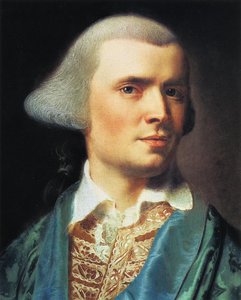
John Singleton Copley
1738 - 1815 , Wielka Brytania
Najważniejsze informacje
- Artistic Movement Or Style: Portret, Realizm
- Artists Or Movements Influenced By This Artist: ['Rococo']
- Artists Who Influenced This Artist: ['Peter Pelham']
- Date Of Birth: 1738
- Date Of Death: 1815
- Full Name: John Singleton Copley
- Nationality: Angloko-amerykański
- Notable Artworks:
- Pan z wiewiórką
- Śmierć lorda Chathama
- Place Of Birth: Boston, UK
Zobacz także powiązane artykuły

Trwała Spuścizna Malarstwa Olejnego: Technika, Historia i Estetyczny Wpływ
Poznaj historię i technikę malarstwa olejnego! Eksperckie artykuły o konserwacji, renowacji oraz współczesnych zastosowaniach. Dowiedz się więcej o mistrzach i trwałości obrazów olejnych.

Trwała Spuścizna Malarstwa Olejnego: Technika, Historia i Współczesna Praktyka
Poznaj historię i techniki malarstwa olejnego. Poradniki dla artystów, informacje o konserwacji oraz możliwość zamówienia wysokiej jakości reprodukcji obrazów. Ekspercka wiedza i gwarancja trwałości dzieł sztuki.

The Enduring Power of Painting: A Historical & Contemporary Exploration of Form and Emotion
Explore the rich history & enduring techniques of oil painting with OriginalUniqueArt. Discover masterpieces, learn about art collecting, and find authentic handmade reproductions crafted by skilled artists.
Arcydzieła XVIII Wieku: 10 Obrazów, Które Zdefiniowały Epokę | OriginalUniqueArt
Odkryj 10 arcydzieł XVIII wieku! Poznaj historie Watteau, Fragonarda i Canaletta. Reprodukcje obrazów w stylu rokoko i klasycyzmu idealne do Twojego wnętrza. Inspiracje artystyczne na OriginalUniqueArt.com

Olej na płótnie: Historia, techniki i ponadczasowy urok malarskiego medium
Poznaj historię i techniki malarstwa olejowego! Od renesansowych mistrzów po współczesne zastosowania – wszystko o oleju na płótnie. Poradniki, konserwacja i inspiracje dla pasjonatów sztuki.


