Neoclassicism · 1758
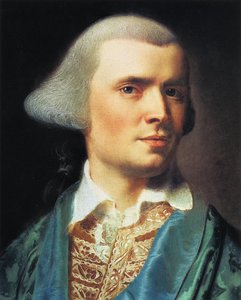
John St. Clair (John Singleton Copley, 1758)
John Singleton Copley (1738–1815) stworzył John St. Clair. Dzieło pochodzi z 1758. Należy do nurtu Neoclassicism. Wykonano w technice Oil On Board. Przechowywane jest w Metropolitan Museum of Art w Nowy Jork, Stany Zjednoczone Ameryki. Wymiary to 4 × 4 cm.
- 1758
- Oil On Board
- 4 × 4 cm
- Metropolitan Museum of Art, Nowy Jork

 Podgląd w skali 1:1

 Ręcznie malowany obraz olejny
 Wyślij jako kartkę
 Udostępnij
 Przewodnik


 Pobierz obraz
 Podobne obiekty
 RTG
 Pokaz slajdów
 Pytania i odpowiedzi

 Statystyki
John St. Clair: najważniejsze informacje
- Tytuł
- John St. Clair
- Artysta
- John Singleton Copley (1738–1815)
- Miejsce urodzenia artysty
- Boston, Stany Zjednoczone
- Data powstania
- 1758
- Technika wykonania
- Oil On Board
- Wymiary
- 4 × 4 cm
- Gdzie można je zobaczyć
- Metropolitan Museum of Art, Nowy Jork, Stany Zjednoczone Ameryki
- Ruch
- Neoclassicism
- Epoka
- Early Modern
- Temat
- portraiture, colonial era, wealthy man, formal attire, 18th century, miniature art
Co przedstawia John St. Clair?
Identification of the Portrait of John St. Clair
The artwork titled John St. Clair is a miniature portrait executed by the artist John Singleton Copley. This small-scale work dates to 1758. It depicts a man presented in formal attire, captured in a format that emphasizes the individual's likeness through a compact composition.
The subject is a man wearing a red coat over a white shirt and a blue waistcoat. His hair is styled in a powdered wig, a feature characteristic of the mid-18th century. The portrait is rendered in oil on an ivory board. It is presented within an oval frame that includes a gold loop for hanging.
Composition and Visual Elements
The composition follows a classic pyramidal structure, with the figure centrally positioned to occupy most of the available space. The subject is depicted from the torso up, framed within an oval format. He wears a red coat layered over a white shirt and a blue waistcoat. A powdered wig, styled in the fashion of the period, sits upon his head. The background remains dark and indistinct, which focuses the viewer's attention entirely on the central figure.
Directional lighting is applied to the subject, specifically highlighting the face and the upper torso. This light creates a clear distinction between the illuminated features and the shadowed areas of the clothing and background. The color palette is dominated by shades of red and brown, providing a somber tone to the miniature portrait. The arrangement of shapes is primarily organic, seen in the rounded contours of the face, the texture of the hair, and the folds of the draped garments.
Technique and Materials Used
This miniature portrait is executed in oil on an ivory board. The artist utilized a method of layering translucent glazes to build the image. This technical approach allows for a high degree of realism in the rendering of skin tones and the varied textures of the subject's clothing. The brushwork is applied with precision to define the fine details of the facial features and the folds of the garments.
The work is presented within an oval frame. A gold loop is attached to the frame to facilitate hanging. The application of paint on the ivory surface creates a sense of volume through the interplay of light and shadow, specifically in the depiction of the red coat and the white shirt.
W którym muzeum znajduje się John St. Clair?
Metropolitan Museum of Art
Nowy Jork, Stany Zjednoczone Ameryki
Początki i historia Metropolitan Museum of Art Historia Metropolitan Museum of Art bierze swój początek w wizji podzielanej przez grupę przedsiębiorców, finansistów oraz czołowych artystów i myślicieli. Po oficjalnym zarejestrowaniu instytucji w 1870 roku, zaczęła ona poszukiwać stałego miejsca, które mogłoby pomieścić jej stale powiększające się zbiory. Zanim muzeum osiadło w swojej obecnej lokalizacji, przez krótki czas mieściło się w posiadłości Douglas Mansion przy West 14th Street.


John St. Clair w wysokiej rozdzielczości

Domena publiczna: artysta zmarł w 1815.
Więcej rozmiarów, kadrowania i cytowań →John Singleton Copley, John St. Clair (1758), Metropolitan Museum of Art. Domena publiczna
Ekspert ds. cyfrowych weryfikuje kolory względem oryginału i retuszuje plik, zachowując wierność pociągnięciom pędzla artysty.
Kup obraz w wysokiej rozdzielczościPytania o John St. Clair
Gdzie można zobaczyć oryginał „John St. Clair” – John Singleton Copley?
„John St. Clair” – John Singleton Copley znajduje się w zbiorach Metropolitan Museum of Art, Nowy Jork, Stany Zjednoczone Ameryki. Informacja o muzeum dotyczy oryginału, a nie reprodukcji.
W którym roku powstało „John St. Clair” – John Singleton Copley?
Powstanie „John St. Clair” – John Singleton Copley datuje się na 1758.
Z jakiej techniki wykorzystano "John St. Clair"?
„John St. Clair” wykonano w technice Oil On Board.
Jakie są rzeczywiste wymiary dzieła „John St. Clair” – John Singleton Copley?
Oryginalny utwór „John St. Clair” – John Singleton Copley ma wymiary 4 x 4 cm.
Co przedstawia "John St. Clair"?
„John St. Clair” – John Singleton Copley przedstawia: portraiture, colonial era, wealthy man, formal attire, 18th century, miniature art, historical figure, red coat.
Czy „John St. Clair” – John Singleton Copley znajduje się w domenie publicznej?
Status praw autorskich dla „John St. Clair” – John Singleton Copley: dzieło znajduje się w należy do domeny publicznej – autorskie prawa majątkowe wygasły. Określa to, czy reprodukcje obrazu mogą być sporządzane swobodnie.
Kto jest autorem dzieła "John St. Clair"?
Autorem dzieła „John St. Clair” jest John Singleton Copley. Praca ta figuruje w katalogu pod nazwiskiem John Singleton Copley.
Do jakiego nurtu w sztuce należy „John St. Clair” – John Singleton Copley?
Nurt związany z „John St. Clair” – John Singleton Copley to Neoclassicism. Ta klasyfikacja sytuuje dzieło wśród pokrewnych artystów i dzieł sztuki.
Do którego okresu twórczości John Singleton Copley należy dzieło „John St. Clair”?
„John St. Clair” pochodzi z okresu Mature Period w twórczości John Singleton Copley. Klasyfikacja ta wiąże dzieło z rozwojem artysty.
O artyście: John Singleton Copley
1738–1815, Stany Zjednoczone
John Singleton Copley
Wczesne lata, rodzina i kształcenie John Singleton Copley wyłonił się z tętniącego życiem, komercyjnego świata kolonialnego Bostonu, gdzie przyszedł na świat w 1738 roku. Jego dzieciństwo było nierozerwalnie związane z morskim handlem panującym na Long Wharf, gdzie jego matka, Mary Singleton Copley, prowadziła sklep. Ojciec, Richard Copley, był kupcem tytoniowym. To środowisko stanowiło dla niego coś więcej niż tylko tło społeczne; oferowało ono bezpośredni wgląd w materialne tekstury i hierarchie społeczne, które w przyszłości miały zdefiniować jego język wizualny.
O John Singleton Copley Najważniejsze dzieła John Singleton Copley
Inne prace John Singleton Copley
 Watson i Czarny Żbik1778
 Brook Watson and the Shark1778
 Paul Revere1768
 The Colapse of the Earl of Chatham in the House of Lords (also known as The Death of the Earl of Chatham)1779

Eseje o John St. Clair
 Masterpieces of John Singleton Copley: The Top 25 Essential ArtworksExplore the top 25 masterpieces of John Singleton Copley. Discover the finest Colonial American art on OriginalUniqueArt.com.
 American artworks of the 1800sIconic American works by Gilbert Stuart and John Trumbull define an era. Explore the full collection online at OriginalUniqueArt.com.
 American neoclassical paintersAmerican Neoclassical painters like Gilbert Stuart, John Singleton Copley, and Benjamin West. Shop museum-quality art reproductions on Orig…