Neoclassicism · 1809
George IV (John Singleton Copley, 1809)
John Singleton Copley (1738–1815) stworzył George IV. Dzieło pochodzi z 1809. Należy do nurtu Neoclassicism. Wykonano w technice Oil On Canvas. Przechowywane jest w Museum of Fine Arts w Boston, Stany Zjednoczone Ameryki. Wymiary to 372 × 318 cm.
- 1809
- Oil On Canvas
- 372 × 318 cm
- Museum of Fine Arts, Boston

 Podgląd w skali 1:1

 Ręcznie malowany obraz olejny
 Wyślij jako kartkę
 Udostępnij
 Karta informacyjna


 Pobierz obraz
 Podobne obiekty
 RTG
 Pokaz slajdów
 Pytania i odpowiedzi

 Statystyki
George IV w pigułce
- Tytuł
- George IV
- Artysta
- John Singleton Copley (1738–1815)
- Miejsce urodzenia artysty
- Boston, Stany Zjednoczone
- Data powstania
- 1809
- Technika wykonania
- Oil On Canvas
- Wymiary
- 372 × 318 cm
- Gdzie można je zobaczyć
- Museum of Fine Arts, Boston, Stany Zjednoczone Ameryki
- Ruch
- Neoclassicism
- Epoka
- Early Modern
- Temat
- portrait, royalty, military, george iv, equestrian, grandeur
Co przedstawia George IV?
George IV by John Singleton Copley: A Royal Portrait in Neoclassicism
John Singleton Copley's "George IV," painted in 1809, stands as a monumental example of Neoclassical portraiture. This oil on canvas artwork, measuring an impressive 372 x 318 cm, captures the essence of King George IV during a period of significant political and social change in Britain. The painting is not merely a likeness; it's a carefully constructed representation of royal power, military authority, and aristocratic grandeur.
The Artist and His Style
John Singleton Copley (1738-1815) was a pivotal figure in Anglo-American art. Born in Boston, he developed his skills largely through self-study and observation. His style is characterized by meticulous attention to detail, realism, and a strong sense of composition. Copley's ability to capture the likeness and character of his subjects, combined with his mastery of light and shadow, resulted in portraits that were both technically impressive and psychologically insightful. In "George IV," these qualities are evident in the king’s commanding presence and the intricate rendering of his military uniform.
Composition and Technique
The painting's composition is vertically oriented, emphasizing the King's stature and authority. George IV is depicted on horseback, rearing slightly to convey a sense of dynamism and power. He is clad in a striking military uniform, rich with detail and color, signifying his role as commander-in-chief. Below him, a group of soldiers are portrayed, creating a visual hierarchy that reinforces the king's position at the apex of society. The background features a dramatic sky filled with billowing clouds and trees, adding depth and atmosphere to the scene. Copley’s use of oil paints allows for a remarkable level of detail and texture; visible brushstrokes contribute to a somewhat rough surface quality, enhancing the painting's realism.
Historical Context and Symbolism
Created in 1809, "George IV" reflects the political climate of the Regency era. George IV was Prince Regent at the time, ruling as his father, King George III, suffered from periods of mental illness. The painting served to project an image of strength and stability during a period of considerable social and political upheaval. Symbolically, the king's military attire represents Britain’s power and its role on the world stage. The rearing horse is a classical motif signifying energy and control. The inclusion of soldiers underscores George IV’s authority as commander of the armed forces.
Emotional Impact and Legacy
"George IV" evokes a sense of awe and respect for the monarchy. Copley's skillful rendering of the king's features conveys both confidence and a certain aloofness, reflecting his complex personality. The painting’s grandeur and scale command attention, making it a powerful statement of royal authority. Today, "George IV" remains an important historical document and a testament to Copley's artistic skill, offering viewers a glimpse into the world of 19th-century British royalty.
W którym muzeum znajduje się George IV?
Museum of Fine Arts
Boston, Stany Zjednoczone Ameryki
Dziedzictwo Museum of Fine Arts Museum of Fine Arts, położone w Bostonie w Stanach Zjednoczonych Ameryki, rozpoczęło swoją historię w 1870 roku w murach Boston Athenæum. To właśnie te skromne początki położyły fundament pod instytucję, która z czasem przeobraziła się w potężny ośrodek kultury, obecnie uznawany za 20. największe muzeum sztuki na świecie pod względem powierzchni wystawienniczej.


Zdjęcia w wysokiej rozdzielczości dzieła George IV
Domena publiczna: artysta zmarł w 1815.
John Singleton Copley, George IV (1809), Museum of Fine Arts. Domena publiczna
Kolory dopasowane do oryginału przez cyfrowego eksperta, plik poddany precyzyjnej retuszy, wierny pociągnięciom pędzla artysty.
Kup plik w wysokiej rozdzielczościOdpowiedzi na pytania dotyczące George IV
W którym muzeum znajduje się oryginał "George IV"?
Oryginał dzieła „George IV” można zobaczyć w Museum of Fine Arts, Boston, Stany Zjednoczone Ameryki.
W którym roku powstało „George IV” – John Singleton Copley?
„George IV” – John Singleton Copley powstało w 1809.
W jakiej technice wykonano „George IV” – John Singleton Copley?
„George IV” wykonano w technice Oil On Canvas.
Jakie są rzeczywiste wymiary dzieła „George IV” – John Singleton Copley?
Wymiary dzieła „George IV” – John Singleton Copley to 372 x 318 cm. Reprodukcje można zamówić w innych rozmiarach, zachowując te same proporcje.
Co przedstawia „George IV” – John Singleton Copley?
„George IV” – John Singleton Copley przedstawia: portrait, royalty, military, george iv, equestrian, grandeur, neoclassicism.
Czy dzieło "George IV" znajduje się w domenie publicznej?
„George IV” – John Singleton Copley znajduje się w domenie publicznej (należy do domeny publicznej – autorskie prawa majątkowe wygasły). Status ten określa zasady reprodukcji obrazu tego dzieła.
Kto stworzył "George IV"?
Autorstwo dzieła "George IV" przypisuje się John Singleton Copley.
Do jakiego nurtu w sztuce należy „George IV” – John Singleton Copley?
„George IV” – John Singleton Copley należy do nurtu Neoclassicism. Nurt ten stanowi stylistyczny kontekst dzieła.
Do którego etapu twórczości John Singleton Copley należy dzieło „George IV”?
"George IV" reprezentuje Mature Period twórczości John Singleton Copley.
O artyście: John Singleton Copley
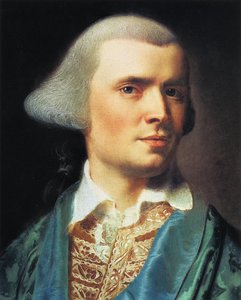
1738–1815, Stany Zjednoczone
John Singleton Copley
Wczesne lata, rodzina i kształcenie John Singleton Copley wyłonił się z tętniącego życiem, komercyjnego świata kolonialnego Bostonu, gdzie przyszedł na świat w 1738 roku. Jego dzieciństwo było nierozerwalnie związane z morskim handlem panującym na Long Wharf, gdzie jego matka, Mary Singleton Copley, prowadziła sklep. Ojciec, Richard Copley, był kupcem tytoniowym. To środowisko stanowiło dla niego coś więcej niż tylko tło społeczne; oferowało ono bezpośredni wgląd w materialne tekstury i hierarchie społeczne, które w przyszłości miały zdefiniować jego język wizualny.
O John Singleton Copley Najważniejsze dzieła John Singleton Copley
Inne prace John Singleton Copley
 Watson i Czarny Żbik1778
 Brook Watson and the Shark1778
 Paul Revere1768
 The Colapse of the Earl of Chatham in the House of Lords (also known as The Death of the Earl of Chatham)1779
Eseje o George IV
 American neoclassical paintersAmerican Neoclassical painters like Gilbert Stuart, John Singleton Copley, and Benjamin West. Shop museum-quality art reproductions on Orig…
 Neo-Expressionism vs. Conceptual Art: The Battle of Feeling and IdeaMaster the difference between Neo-Expressionism and Conceptual Art. Explore the clash of emotion and idea now.
 British Neoclassical paintersBritish Neoclassical painters like Joshua Reynolds, George Romney, and Thomas Lawrence define an era. Find museum-quality reproductions on …