

 Zobacz w skali 1:1
 Wyślij
 Udostępnij
 Szczegóły
 Przewodnik

 Pobierz plik obrazu
 Podobne obiekty
 RTG
RTG Pokaz slajdów
 Statystyki
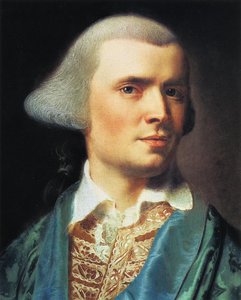
Colonel John Montresor
 Oil On Canvas
- WallArt
- Neoclassicism
 1771
1771 76.0 x 63.0 cm
 Czytaj więcej
Giclée / Wydruk artystyczny
Wydruki giclée lub płótna o jakości muzealnej, szybka realizacja i szeroki wybór opcji wykończenia. ( Kup ręcznie malowany obraz Przełącz na wersję cyfrową)




P118B zł10

P118H zł10

P118W zł10

P438Z zł10

P508JH zł12

P508YH zł12

P805H zł10

P805Z zł10

P919BZ zł10

P919G zł10

P919XJ zł10

P959ZH zł10

P968JZ zł12

W106C zł8

W218G zł10

W218JH zł8

W218Y zł10

W307PJ zł10

W316G zł10

W316PJ zł8

W316Y zł10

W398PJ zł8

W4111J zł10

W500HY zł15

W500JH zł15

W692G zł12

W849H zł8

W940BG zł15

W953PJ zł8




Wybierz spośród naszych standardowych rozmiarów, które zachowują oryginalne proporcje dzieła sztuki.

Wpisz wymaganą szerokość i wysokość, aby dopasować grafikę do ramy lub ściany. Wydruk można jedynie przyciąć, nigdy nie powiększając go poza oryginalny obraz, dlatego format o innym proporcji spowoduje utratę części kompozycji. Przed rozpoczęciem druku prześlemy Ci cyfrowy podgląd do zatwierdzenia. Obraz wyświetlany na tej stronie nie pokazuje rzeczywistego przycięcia — jedynie podgląd oddaje ten efekt.
Dostawa na cały świat () w ciągu 2 tygodni zamiast standardowych 4/5 tygodni. (22 Październik)

Bezpłatna ekspresowa wysyłka na cały świat

Wysokiej jakości płótno lniane

Pełne ubezpieczenie transportowe

Gwarancja zwrotu należności celnych i podatków importowych

Gwarancja idealnego odwzorowania barw

100-dniowy okres na zwrot dzieła w przypadku wykrycia wad produkcyjnych

Gwarancja 100% zwrotu pieniędzy

Oferta przy zakupie wielu sztuk
 Opcja ze szkłem jest dostępna wyłącznie w rozmiarach poniżej 110 cm

Colonel John Montresor
Giclée / Wydruk artystyczny
Rozmiar reprodukcji
-


Suma do zapłaty
zł 307
The Authority of Portraiture: Capturing an Era in Oil
To stand before this portrait of Colonel John Montresor is to step directly into the gilded drawing rooms and military halls of the late eighteenth century. It is more than just a likeness; it is a meticulously constructed statement of status, intellect, and unwavering authority. The subject commands attention through his very bearing—a dignified posture underscored by the rich textures of his period attire. John Singleton Copley, the master hand behind this work, possessed an unparalleled gift for capturing not merely what a man looked like, but who he believed himself to be in that moment. Observe the crisp lines defining the folds of his red coat and the precise rendering of his accoutrements; these details speak volumes about the social strata from which Montresor emerged.
Mastery of Light and Shadow: Technical Brilliance
Copley’s technical prowess is immediately apparent, particularly in his handling of light. The dramatic illumination, seemingly originating from an upper left source, sculpts the contours of the face with breathtaking realism. This use of chiaroscuro—the interplay between deep shadow and brilliant highlight—is what gives the portrait its profound sense of three-dimensionality. Notice how the light catches the sheen on his uniform or the subtle planes of his forehead; these highlights are not accidental but calculated strokes, demonstrating an almost scientific understanding of optics translated onto canvas. The artist builds depth through tonal variation, allowing the darker background to push the figure forward, creating an immediate and intimate connection with the viewer.
Symbolism and Intellectual Weight
The inclusion of the book held by Colonel Montresor elevates the portrait beyond a mere military commemoration. It introduces a layer of intellectual depth, suggesting that his authority is not solely derived from rank or martial prowess, but also from learning and contemplation. In the context of Copley’s work, which often celebrated the burgeoning mercantile and professional classes of colonial America, this symbolism was crucial. The gentleman presented here embodies the ideal Enlightenment figure: a man capable both of commanding armies and engaging with philosophy. It is a visual testament to the era's belief in the educated elite.
A Timeless Presence for Modern Spaces
For the collector or designer, this piece offers an unparalleled opportunity to infuse a space with historical gravitas and refined taste. The Neoclassical echoes present in the composition—the structured geometry of the pose against the dramatic realism—ensure that it transcends fleeting trends. Reproducing such a work allows one to bring home not just paint on canvas, but a palpable sense of history. It serves as a magnificent focal point, lending an air of established pedigree and cultured seriousness to any room, whether it be a formal study or a grand reception hall.
Pytania i odpowiedzi
Pod jakimi innymi nazwiskami znany jest John Singleton Copley?
Inne znane nazwiska John Singleton Copley, twórcy "Colonel John Montresor", to John Copley (Starszy), John Copley.
Czy istnieje przewodnik dla „Colonel John Montresor” autorstwa John Singleton Copley?
Przewodnik po "Colonel John Montresor" to strona Przewodnik dzieła sztuki – nadrukowalna karta informacyjna prezentująca utwór wraz z podpisem, informacją o autorstwie oraz tabelą danych (artysta, daty, technika, wymiary oryginału, kolekcja).
Jaki jest dominujący odcień dzieła „Colonel John Montresor” autorstwa John Singleton Copley?
Dominującym odcieniem dzieła „Colonel John Montresor” autorstwa John Singleton Copley jest Warm Sunset Tones. Odcień ten stanowi bazową tonację palety barw.
Biografia artysty
A Pioneer Bridging Worlds: The Life and Art of John Singleton Copley
John Singleton Copley, born in Boston in 1738, occupies a unique and pivotal position in the history of American art. He wasn’t merely a painter; he was a cultural bridge, forging a distinctly Anglo-American aesthetic during a period of immense political and social upheaval. His story is one of self-taught brilliance, relentless ambition, and an uncanny ability to capture not just likenesses, but the very essence of his subjects within the context of their time. Copley’s early life was steeped in the bustling maritime world of colonial Boston, a city brimming with merchants, shipbuilders, and burgeoning wealth. His father, Richard Copley, though absent shortly after John's birth, was a tobacco merchant, while his mother, Mary Singleton Copley, ran a shop on Long Wharf. This environment instilled in young John an acute awareness of the material world – the textures of fabrics, the gleam of silver, the subtle nuances of social standing – all elements that would later define his artistic style. His stepfather, Peter Pelham, an engraver and limner (an artist who created portraits on vellum or parchment), provided some initial guidance, but Copley’s talent was largely self-cultivated through diligent study and practice. He devoured any available engravings, meticulously copying them to master technique, and quickly surpassed his stepfather's abilities.The Rise of a Colonial Portraitist
By the 1760s, Copley had established himself as Boston’s premier portraitist, catering to the city’s elite. His success wasn’t simply due to technical skill; it was his ability to imbue his portraits with a psychological depth rarely seen in colonial American art. He moved beyond mere representation, striving to capture the character and social standing of his sitters. This involved meticulous attention to detail – the precise rendering of fabrics, jewelry, and furnishings – but also a keen understanding of posture, expression, and gesture. Copley’s portraits weren't just images; they were statements about wealth, power, and social aspiration. He skillfully incorporated symbolic objects into his compositions, subtly hinting at his subjects’ professions or interests. A merchant might be depicted with imported goods in the background, a lawyer with legal texts, or a naval officer with nautical instruments. This attention to detail and symbolism elevated his work beyond simple portraiture, transforming it into a form of social commentary. His portraits of prominent figures like *Mrs. Ezekiel Gondthwait (Elizabeth Lewis)* exemplify this approach – the elegant pose, luxurious fabrics, and subtle details all convey a sense of refinement and status.Ambition and the Call of Europe
Despite his success in Boston, Copley harbored ambitions that extended beyond the colonial art world. He yearned for recognition from the established artistic circles of London and Rome, and sought to test his skills against the masters of European painting. In 1766, he sent his *Boy with a Flying Squirrel* to the Society of Artists in London, where it received considerable praise from Joshua Reynolds and Benjamin West – two leading figures in the British art scene. This encouragement fueled Copley’s desire for further training and exposure. However, family obligations and a thriving practice kept him rooted in Boston for another decade. Finally, in 1774, with his wife Susanna Farnsworth Clarke and their children, he embarked on a journey to Europe, intending to study the Old Masters and establish himself as a historical painter. The outbreak of the American Revolution shortly after his arrival complicated matters, forcing Copley to navigate a politically charged environment while pursuing his artistic goals.Historical Narratives and Lasting Legacy
In London, Copley found both opportunities and challenges. He continued to paint portraits, securing commissions from prominent British figures, but he also turned his attention to historical painting – a genre considered more prestigious than portraiture at the time. His most ambitious work in this vein was *The Death of Major Peirson*, depicting a scene from the Battle of Jersey during the American Revolutionary War. While technically impressive, it received mixed reviews, with some critics questioning its composition and dramatic impact. Copley’s later historical paintings, such as *The Colapse of the Earl of Chatham in the House of Lords*, were more successful, demonstrating his ability to capture complex emotions and dramatic moments. Though he never fully achieved the level of acclaim he sought in Europe, John Singleton Copley left an indelible mark on both American and British art history. He pioneered a uniquely Anglo-American style, blending European techniques with a distinctly colonial sensibility. His portraits remain invaluable historical documents, offering glimpses into the lives and values of a bygone era. He is remembered not only for his artistic skill but also for his role in shaping a national identity through his art. He died in London in 1815, leaving behind a legacy that continues to inspire artists and captivate audiences today.Influences and Artistic Development
- Early Influences: Copley’s early artistic development was heavily influenced by the engravings he meticulously copied, particularly those of European masters like Rembrandt van Rijn and Antoine Watteau.
- Peter Pelham's Guidance: His stepfather, Peter Pelham, provided initial training in portraiture and engraving techniques, laying the foundation for his future success.
- Joshua Reynolds & Benjamin West: The encouragement and feedback from these prominent British artists during Copley’s early submissions to London exhibitions were crucial in shaping his ambitions and artistic direction.
- Rococo Style: Copley initially embraced the Rococo style, evident in his use of delicate colors, graceful poses, and ornate details. However, he gradually moved towards a more realistic and restrained approach.
- Historical Painting Inspiration: His exposure to historical paintings by artists like Benjamin West inspired him to explore this genre, though he often struggled to fully reconcile it with his natural talent for portraiture.
John Singleton Copley
1738 - 1815 , Wielka Brytania
Najważniejsze informacje
- Artistic Movement Or Style: Portret, Realizm
- Artists Or Movements Influenced By This Artist: ['Rococo']
- Artists Who Influenced This Artist: ['Peter Pelham']
- Date Of Birth: 1738
- Date Of Death: 1815
- Full Name: John Singleton Copley
- Nationality: Angloko-amerykański
- Notable Artworks:
- Pan z wiewiórką
- Śmierć lorda Chathama
- Place Of Birth: Boston, UK
Zobacz także powiązane artykuły

John Singer Sargent: 25 Arcydzieł Pełnych Elegancji i Światła | OriginalUniqueArt.com
Odkryj 25 arcydzieł Johna Singera Sargenta – mistrza portretu i impresjonizmu. Poznaj historie, techniki i inspiracje za jego najsłynniejszymi obrazami. Reprodukcje najwyższej jakości na OriginalUniqueArt.com. Eksploruj pełną kolekcję online!

Grant Wood & American Regionalism: Identity, Myth & the Rural Landscape
Explore the world of Grant Wood & American Regionalism with OriginalUniqueArt. Discover the symbolism behind 'American Gothic', recurring themes, and the movement's lasting impact on art history. High-quality reproductions available.

Amerykański Realizm: 10 Arcydzieł, Które Zdefiniowały Epokę | OriginalUniqueArt
Poznaj 10 arcydzieł amerykańskiego realizmu! Odkryj historie Winslowa Homera, Edwarda Hoppera i innych mistrzów. Reprodukcje obrazów najwyższej jakości – inspiracje do Twojego wnętrza na OriginalUniqueArt.com

Benjamin West: Transatlantic Ambition & Shaping American Art
Explore the life & legacy of Benjamin West, pioneering American artist and Royal Academy president. Discover his Neoclassical masterpieces, transatlantic influence, and lasting impact on art history. Learn more at OriginalUniqueArt.

John Constable: 25 Najlepszych Obrazów Mistrza Angielskiego Krajobrazu | OriginalUniqueArt
Odkryj 25 arcydzieł Johna Constable'a – mistrza angielskiego krajobrazu! Poznaj romantyczne pejzaże, technikę malarską i inspiracje z Dedham Vale. Reprodukcje obrazów najwyższej jakości na OriginalUniqueArt.com. Eksploruj pełną kolekcję online!


