

 Podgląd w skali 1:1
 Wyślij jako kartkę
 Udostępnij
 Szczegóły dzieła
 Przewodnik

 Pobierz obraz
 Podobne obiekty
 RTG
RTG Pokaz slajdów
 Statystyki
Wnętrze łaźni


 Rozwiń treść
Giclée / Wydruk artystyczny
Wydruki giclée lub płótna o jakości muzealnej, szybka realizacja i szeroki wybór opcji wykończenia. ( Zamów ręcznie malowaną reprodukcję Przejdź do wersji cyfrowej)




P118B zł10

P118H zł10

P118W zł10

P438Z zł10

P508JH zł12

P508YH zł12

P805H zł10

P805Z zł10

P919BZ zł10

P919G zł10

P919XJ zł10

P959ZH zł10

P968JZ zł12

W106C zł8

W218G zł10

W218JH zł8

W218Y zł10

W307PJ zł10

W316G zł10

W316PJ zł8

W316Y zł10

W398PJ zł8

W4111J zł10

W500HY zł15

W500JH zł15

W692G zł12

W849H zł8

W940BG zł15

W953PJ zł8




Wybierz spośród naszych standardowych rozmiarów, które zachowują oryginalne proporcje dzieła sztuki.

Wpisz wymaganą szerokość i wysokość, aby dopasować grafikę do ramy lub ściany. Wydruk można jedynie przyciąć, nigdy nie powiększając go poza oryginalny obraz, dlatego format o innych proporcjach spowoduje utratę części kompozycji. Przed rozpoczęciem druku prześlemy Ci cyfrowy podgląd do zatwierdzenia. Obraz wyświetlany na tej stronie nie pokazuje rzeczywistego przycięcia — jedynie podgląd oddaje ten efekt.
Dostawa na cały świat () w ciągu 2 tygodni zamiast standardowych 4/5 tygodni. (27 Październik)

Bezpłatna ekspresowa wysyłka na cały świat

Wysokiej jakości płótno lniane

Pełne ubezpieczenie przesyłki

Gwarancja zwrotu należności celnych i podatków importowych

Gwarancja wiernego odwzorowania kolorów

100-dniowa polityka zwrotów (tylko w przypadku wad)

Gwarancja 100% zwrotu pieniędzy

Zniżka przy zakupie wielu sztuk
 Opcja ze szkłem jest dostępna wyłącznie w rozmiarach poniżej 110 cm

Wnętrze łaźni
Giclée / Wydruk artystyczny
Wymiary reprodukcji
-


Cena całkowita
zł 307
Chwila Spokojnej Kontemplacji: „Wnętrze Łaźni” Johna Singera Sargenta
„Wnętrze Łaźni” Johna Singera Sargenta, namalowane w 1891 roku, to coś więcej niż tylko przedstawienie pustego pokoju; to mistrzowska lekcja uchwycenia atmosfery i wywołania głębokego poczucia spokoju. Znajdujący się w prestiżowym Muzeum Sztuki Fogg w Cambridge, ten obraz olejny na płótnie zaprasza nas do przestrzeni pozbawionej ludzkiej obecności, a jednak przepełnione subtelnymi detalami, które mówią wiele o świetle, kompozycji i samej naturze kontemplacji. Zdolność Sargenta do przekształcenia pozornie prostej sceny – opuszczonej łaźni – w tak potężnie sugestywne dzieło jest świadectwem jego wyjątkowego kunsztu artystycznego.
Sednem obrazu jest celowa pustka. Duża biała konstrukcja dominuje nad przestrzenią, emanując niemal eterycznym blaskiem. Ta nieobecność postaci nie jest wadą; to przemyślany zabieg, który zmusza widza do zaangażowania się w samą architekturę i grę światła. Tworzy scenę, na której artysta może eksplorować fakturę, kolor i ruch bez rozpraszaczy, pielęgnując uczucie cichej samotności – rzadkiego i cennego towaru w dorobku Sargenta.
Język Światła i Śpiewu Ptaków
Manipulacja światłem przez Sargenta jest niepodważalnie centralna dla wrażenia, jakie wywiera obraz. Stosuje miękkie, rozproszone oświetlenie, które spływa po ścianach i podłodze, tworząc atmosferę ciepła i komfortu. Ta technika, charakterystyczna dla impresjonizmu, ale wykonana z precyzją Sargenta, unika ostrych cieni, zamiast tego sprzyjając wrażeniu łagodnego realizmu. Stonowana paleta barw – głównie biele, kremy i subtelne odcienie ziemi – dodatkowo potęguje ten spokojny efekt, przyczyniając się do ogólnego poczucia wyciszenia.
Dodatkową warstwą złożoności są starannie rozmieszczone ptaki i koty. Kilka ptaków, niektóre usiane na ścianach, inne w locie, wprowadza dynamiczny element w ciszę. Ich obecność nie jest jedynie dekoracyjna; subtelnie ożywiają scenę, sugerując życie poza bezpośrednią przestrzenią. Dwa koty – jedno bliżej lewej strony, drugie bliżej centrum – dodają niespodziewany akcent domowego ciepła, zakotwiczając kompozycję, a jednocześnie wzmacniając poczucie cichej obserwacji.
Technika i Kontekst: Arcydzieło Epoki Złotego Wieku
Mistrzostwo techniczne Sargenta jest widoczne w każdym pociągnięciu pędzla. Jego skrupulatna uwaga do detali – faktury ścian, delikatne pióra ptaków, miękkie futro kotów – dodaje scenie niezwykłej głębi i realizmu. Obraz prezentuje jego biegłość w malarstwie olejnym, pozwalając mu budować warstwy koloru i tekstury z niewiarygodną precyzją. Ten poziom kontroli jest szczególnie widoczny w sposobie oddania światła odbijającego się od powierzchni, tworząc iluzję trójwymiarowości.
Stworzony w szczytowym okresie Epoki Złotego Wieku, „Wnętrze Łaźni” odzwierciedla pozycję Sargenta jako jednego z wiodących malarzy portretowych epoki. Choć znany ze swoich portretów zamożnych mecenasów, to dzieło demonstruje jego szersze zainteresowania artystyczne i zdolność do uchwycenia codziennych scen z wdziękiem i wyrafinowaniem. Jak sam zauważył John Singer Sargent, „jego dorobek dokumentuje podróże na całym świecie”, a ten obraz jest tego doskonałym przykładem – świadectwem jego bystrego oka dla detalu i zdolności do przenoszenia złożonych doświadczeń wizualnych na płótno. Jest to przejmujące przypomnienie, że nawet w najbardziej pozornie prostych sceneriach można odnaleźć głęboki wyraz artystyczny.
Przyniesienie „Wnętrza Łaźni” do Swojej Przestrzeni
Ręcznie malowany reprodukcja „Wnętrza Łaźni” oferuje wyjątkową okazję, by przenieść to spokojne arcydzieło do swojego domu lub biura. Skrupulatny detal i mistrzowskie użycie światła oraz koloru przemienią każdą przestrzeń, tworząc atmosferę cichej kontemplacji i stonowanej elegancji. Niezależnie od tego, czy jest Pan/Pani kolekcjonerem sztuki, projektantem wnętrz pragnącym wywołać spokój, czy po prostu osobą ceniącą piękno, ta reprodukcja stanowi ponadczasowe uzupełnienie każdej kolekcji.
Pytania i odpowiedzi
W którym roku powstało dzieło „Wnętrze łaźni” – John Singer Sargent?
"Wnętrze łaźni" powstało w 1891 roku. Data ta pozwala umiejscowić dzieło w kontekście twórczości John Singer Sargent oraz epoki, w której powstało.
Jak zbudowana jest kompozycja kolorystyczna „Wnętrze łaźni” – John Singer Sargent?
Kompozycja kolorystyczna „Wnętrze łaźni” – John Singer Sargent łączy w sobie Oświadczenie kontrast z Silna spójność kolorystyczna harmonią.
Jaki jest zalecany format i orientacja druku dla "Wnętrze łaźni"?
W przypadku "Wnętrze łaźni" zalecanym formatem wydruku jest rozmiar Duży format w orientacji Portret.
Biografia artysty
A Life Immersed in Light and Society
John Singer Sargent, a name synonymous with the Gilded Age and its shimmering portraits of elegance, was an American artist who spent most of his life cultivating his craft within the European art world. Born in Florence, Italy, in 1856 to American expatriate parents, Fitzwilliam and Mary Newbold Sargent, his upbringing was anything but conventional. The family’s nomadic existence – constantly traversing France, Germany, Italy, and Switzerland – instilled in young John a cosmopolitan sensibility and an early exposure to the artistic treasures of Europe. Rather than formal schooling, his education unfolded within museum halls and ancient churches, fostering a visual literacy that would profoundly shape his artistic vision. This itinerant childhood, while lacking traditional structure, provided a rich tapestry of cultural experiences that fueled his developing talent. His father, a surgeon, and his mother, an amateur artist, encouraged his inclinations, recognizing early on the remarkable acuity of his observational skills. It was clear from a young age that John’s path lay not in medicine or conventional pursuits, but within the realm of art.From Parisian Atelier to Portrait Master
In 1874, at the age of eighteen, Sargent embarked on a pivotal chapter of his artistic development by entering the Paris studio of Carolus-Duran. This mentorship proved transformative. Duran’s emphasis on *direct painting* – a technique eschewing preliminary sketches in favor of immediate application of paint to canvas – honed Sargent's already impressive technical facility and instilled within him an astonishing ability to capture likenesses with speed and precision. It was a revolutionary approach, encouraging boldness and spontaneity, and it became the hallmark of Sargent’s style. He absorbed Duran’s lessons wholeheartedly, mastering the art of capturing not just physical resemblance but also the very essence of his sitters. Simultaneously, he enrolled at the École des Beaux-Arts, further refining his skills in drawing from casts and life models. However, it was the influence of Spanish masters like Velázquez, encountered during a formative trip to Spain in 1879, that truly ignited Sargent’s artistic imagination. He became captivated by Velázquez’s masterful use of light, brushwork, and psychological insight – qualities he would strive to emulate throughout his career.Navigating Fame, Scandal, and Artistic Evolution
Sargent quickly established himself as a sought-after portraitist in Paris, attracting commissions from the city’s elite. However, his ascent was not without its challenges. The unveiling of *Madame X* (Portrait of Madame Pierre Gautreau) at the 1884 Salon ignited a scandal that threatened to derail his burgeoning career. The painting's daring depiction of socialite Virginie Amélie Avegno Gautreau – with her pale complexion, suggestive pose, and fallen strap – was deemed provocative and scandalous by Parisian society. Though Sargent later repainted the strap, the damage was done. Disheartened by the controversy, he relocated to London in 1886, where he found a more receptive audience for his talents. In London, he continued to paint portraits of the wealthy and prominent, capturing the opulence and social dynamics of Edwardian society with unparalleled skill. Yet, Sargent’s artistic ambitions extended beyond the confines of commissioned portraiture. He yearned for greater creative freedom and increasingly devoted himself to landscape painting and plein-air studies, embracing an Impressionistic style characterized by loose brushwork, vibrant colors, and a focus on capturing fleeting moments of light and atmosphere. These landscapes reveal a different side of Sargent – one less concerned with social status and more attuned to the beauty of the natural world.Influences and Artistic Kinships
- Carolus-Duran: His teacher, who instilled in him a direct painting technique and encouraged spontaneity.
- Diego Velázquez: Sargent deeply admired Velázquez’s mastery of light, brushwork, and psychological insight, particularly evident in his Spanish works.
- Impressionism: The Impressionists' emphasis on capturing fleeting moments and atmospheric effects profoundly impacted his landscape paintings, leading to a looser, more expressive style.
- James Abbott McNeill Whistler: Sargent shared with Whistler an interest in aestheticism and the pursuit of “art for art’s sake,” influencing his approach to composition and color.
A Lasting Legacy: Beyond Portraiture
While celebrated as “the leading portrait painter of his generation,” John Singer Sargent’s artistic legacy extends far beyond his masterful depictions of society figures. His major works, such as *El Jaleo*, a dynamic portrayal of Spanish flamenco dancers, and *Carnation, Lily, Lily, Rose*, a serene depiction of two young girls in an English garden, demonstrate his versatility and technical brilliance. Later in life, he embarked on ambitious mural projects, including the monumental cycle at the Boston Public Library, showcasing his ability to translate his artistic vision onto a grand scale. His influence can be seen in the work of subsequent generations of artists who admired his technical skill, his bold brushwork, and his ability to capture both physical likeness and psychological depth. The rediscovery of his previously hidden male nudes in the 1980s further broadened our understanding of Sargent’s artistic range and revealed a more complex and nuanced artist than previously recognized. His paintings continue to captivate audiences worldwide, offering a fascinating glimpse into a bygone era while simultaneously transcending time through their enduring beauty and technical mastery. He remains, undeniably, one of the most significant American artists of his generation, whose work continues to inspire and provoke admiration.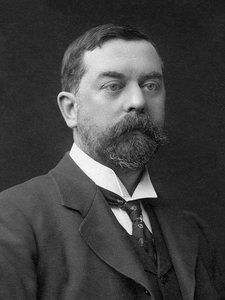
John Singer Sargent
1856 - 1925 , Włochy
Krótka nota
- Artistic Movement Or Style: Impressionizm
- Artists Or Movements Influenced By This Artist: ['Whistler']
- Artists Who Influenced This Artist:
- Carolus-Duran
- Velázquez
- Date Of Birth: 12 stycznia 1856
- Date Of Death: 15 kwietnia 1925
- Full Name: John Singer Sargent
- Nationality: Amerykanin
- Notable Artworks:
- Madame X
- El Jaleo
- Carnation, Lily, Lily, Rose
- Place Of Birth: Florencja, Włochy
Powiązane artykuły
Mastering Light and Elegance: The Timeless Brilliance of John Singer Sargent
Discover the luminous mastery of John Singer Sargent. Explore an expert analysis of his legendary light, Gilded Age elegance, and technical brilliance, perfect for fine art enthusiasts seeking to bring timeless classical beauty into their modern collections.
John Singer Sargent: Capturing the Gilded Age with Impressionistic Brilliance
Explore the life & art of John Singer Sargent, premier portraitist of the Gilded Age. Discover his Impressionistic masterpieces, technical brilliance, and enduring legacy. Expert insights for collectors.

John Constable: 25 Najlepszych Obrazów Mistrza Angielskiego Krajobrazu | OriginalUniqueArt
Odkryj 25 arcydzieł Johna Constable'a – mistrza angielskiego krajobrazu! Poznaj romantyczne pejzaże, technikę malarską i inspiracje z Dedham Vale. Reprodukcje obrazów najwyższej jakości na OriginalUniqueArt.com. Eksploruj pełną kolekcję online!
Capturing Elegance: The Timeless Allure of John Singer Sargent's Masterpieces
Discover the breathtaking elegance of John Singer Sargent's masterpieces. From iconic Gilded Age portraits to impressionistic landscapes, explore the technical brilliance and timeless allure of this American master through our premium, hand-painted fine art reproductions.

John Singer Sargent: 25 Arcydzieł Pełnych Elegancji i Światła | OriginalUniqueArt.com
Odkryj 25 arcydzieł Johna Singera Sargenta – mistrza portretu i impresjonizmu. Poznaj historie, techniki i inspiracje za jego najsłynniejszymi obrazami. Reprodukcje najwyższej jakości na OriginalUniqueArt.com. Eksploruj pełną kolekcję online!


