

 Podgląd w skali 1:1
 Wyślij jako kartkę
 Udostępnij
 Szczegóły dzieła
 Przewodnik

 Pobierz obraz
 Podobne obiekty
 RTG
RTG Pokaz slajdów
 Statystyki
Studium "Śmierć i Zwycięstwo"
 Akryl na płótnie
- Sztuka ścienna
 1921
1921- – XIX wiek
 53.0 x 23.0 cm
 Rozwiń treść
Giclée / Wydruk artystyczny
Wydruki giclée lub płótna o jakości muzealnej, szybka realizacja i szeroki wybór opcji wykończenia. ( Zamów ręcznie malowaną reprodukcję Przejdź do wersji cyfrowej)




P118B zł10

P118H zł10

P118W zł10

P438Z zł10

P508JH zł12

P508YH zł12

P805H zł10

P805Z zł10

P919BZ zł10

P919G zł10

P919XJ zł10

P959ZH zł10

P968JZ zł12

W106C zł8

W218G zł10

W218JH zł8

W218Y zł10

W307PJ zł10

W316G zł10

W316PJ zł8

W316Y zł10

W398PJ zł8

W4111J zł10

W500HY zł15

W500JH zł15

W692G zł12

W849H zł8

W940BG zł15

W953PJ zł8




Wybierz spośród naszych standardowych rozmiarów, które zachowują oryginalne proporcje dzieła sztuki.

Wpisz wymaganą szerokość i wysokość, aby dopasować grafikę do ramy lub ściany. Wydruk można jedynie przyciąć, nigdy nie powiększając go poza oryginalny obraz, dlatego format o innych proporcjach spowoduje utratę części kompozycji. Przed rozpoczęciem druku prześlemy Ci cyfrowy podgląd do zatwierdzenia. Obraz wyświetlany na tej stronie nie pokazuje rzeczywistego przycięcia — jedynie podgląd oddaje ten efekt.
Dostawa na cały świat () w ciągu 2 tygodni zamiast standardowych 4/5 tygodni. (27 Październik)

Bezpłatna ekspresowa wysyłka na cały świat

Wysokiej jakości płótno lniane

Pełne ubezpieczenie przesyłki

Gwarancja zwrotu należności celnych i podatków importowych

Gwarancja wiernego odwzorowania kolorów

100-dniowa polityka zwrotów (tylko w przypadku wad)

Gwarancja 100% zwrotu pieniędzy

Zniżka przy zakupie wielu sztuk
 Opcja ze szkłem jest dostępna wyłącznie w rozmiarach poniżej 110 cm

Studium "Śmierć i Zwycięstwo"
Giclée / Wydruk artystyczny
Wymiary reprodukcji
-


Cena całkowita
zł 307
Study for “Death and Victory”: A Meditation on War and Remembrance
John Singer Sargent’s "Study for ‘Death and Victory’," stworzony w 1921 roku, to znacznie więcej niż szkic przygotowawczy – to głęboko poruszająca alegoria konfliktu, straty i ostatecznie, trwałego ducha ludzkiego. Utworzone jako jeden panel monumentalnego muralu, przeznaczonego dla biblioteki Widener Memorial w Harvard University – przestrzeni poświęconej uczczeniu pamięci absolwentów, którzy polegli w I Wojnie Światowej – ta farba akwarelowa oferuje intymny wgląd w proces twórczy Sargenta i jego głębokie zaangażowanie w tematy wojny i pamięci. Skromna paleta barw, dominująca w odcieniach szarości, brązu i subtelnych błękitów, znacząco przyczynia się do jej ponurego, ale godnego tonu.
Sargent mistrzowsko wykorzystuje klasyczną strukturę kompozycji, inspirowaną malarstwem renesansowym, aby przekazać potężną narrację. W centrum sceny stoi samotny żołnierz, precyzyjnie oddany w szczegółach anatomii i wyrazie twarzy – jego postawa wyraża zarówno zmęczenie, jak i stanowcze postanowienie. Trzyma w dłoni rosnącą figurę Zwycięstwa, personifikowaną przez promienne, kobiece kształty, symbolizujące triumf nad przeciwnościami losu. Jednakże, ten triumf natychmiast jest temperowany obecnością Śmierci, przedstawionej jako zakryta postać, wznosząca się za żołnierzem, obciążając go niemal nie do zniesienia ciężarem. To właśnie ta dwuznaczność – obietnica zwycięstwa obok nieuchronności śmierci – stanowi sedno emocjonalnego oddziaływania dzieła.
Technika i Kompozycja: Podejście Sargenta
Sam medium akwarelowe jest kluczowe dla zrozumienia podejścia Sargenta w tym przypadku. Wykorzystuje on delikatną technikę warstwowania, stopniowo budując tony cienkimi warstwami koloru, tworząc niezwykłe poczucie głębi i atmosfery. Luźne pociągnięcia pędzla, szczególnie w przedstawieniu draperii i subtelnych gradacji światła i cienia, dodają malowaniu ekspresyjnej jakości. Zauważmy, jak Sargent nie tylko przedstawia postacie; uchwyca ich emocje poprzez wyrafinowane gesty i mimikę. Architektoniczne tło, lekko szkicowane, zapewnia niezbędne ugruntowanie sceny, sugerując zamierzone umieszczenie muralu w przestronnej bibliotece – przestrzeni zaprojektowanej do inspirowania kontemplacji i pamięci.
Kompozycja jest celowo zbalansowana, choć subtelnie niepokojąca. Centralna postać stanowi punkt skupienia widza, a flankujące figury – Śmierci i Zwycięstwa – tworzą dynamiczną napięcie. Umiejętność Sargenta polega na tym, że potrafi przekazać złożone idee poprzez proste formy i skromną paletę barw, tworząc obraz, który jest zarówno wizualnie oszałamiający, jak i głęboko poruszający.
Symbolizm i Kontekst Historyczny
"Death and Victory" odzwierciedla głęboki wpływ I Wojny Światowej na pokolenie, które ją przeżyło. Mural został zamówiony jako pamiątka dla absolwentów Harvardu, którzy poświęcili swoje życie w konflikcie, reprezentującację narodu zmagaającego się z horrorami współczesnej wojny. Podejście alegoryczne Sargenta – wykorzystanie symbolicznych postaci do przedstawienia abstrakcyjnych koncepcji – było powszechne w sztuce tego okresu, umożliwiające artystom zaangażowanie się w złożone tematy w sposób, który rezonował z szeroką publicznością. Zakryta postać Śmierci jest szczególnie poruszająca, przypominając nam o ludzkim koszcie wojny i kruchości życia.
Ponadto, powstanie tego dzieła miało miejsce w kontekście rosnącego zainteresowania sztuką klasyczną i mitologiczną w pierwszych latach XX wieku. Sargent był głęboko zainspirowany tą tradycją, co widocznie jest w jego starannym uwadze do kompozycji, proporcji i wykorzystaniu alegorycznych postaci. Ten szkic oferuje cenny wgląd w rozwój artystyczny Sargenta i jego zdolność do syntezy różnorodnych wpływów w potężnym dziele ekspresji.
Wartość Artystyczna i Inspiracja
"Study for ‘Death and Victory’" pozostaje przekonującym świadectwem geniuszu artystycznego Sargenta i jego głębokiego zaangażowania w ludzką kondycję. Nie jest to jedynie dokument historyczny; to trwała medytacja na temat poświęcenia, straty i wiecznego dążenia między życiem a śmiercią. Ten starannie wykonany reprodukcja akwareli pozwala Ci doświadczyć pełnego oddziaływania wizji Sargenta – poruszający przypomnienie o cenie zwycięstwa i znaczeniu pamięci.
Pytania i odpowiedzi
Jaka jest technika i wymiary oryginału „Studium "Śmierć i Zwycięstwo"” – John Singer Sargent?
Technika wykonania dzieła „Studium "Śmierć i Zwycięstwo"” – John Singer Sargent to Akryl na płótnie, a jego wymiary to 53 x 23 cm.
Czy dzieło „Studium "Śmierć i Zwycięstwo"” autorstwa John Singer Sargent znajduje się w domenie publicznej i dlaczego?
Status praw autorskich do dzieła „Studium "Śmierć i Zwycięstwo"” – należy do domeny publicznej – autorskie prawa majątkowe wygasły – wynika z faktu, że artysta zmarł w 1925.
Dla kogo „Studium "Śmierć i Zwycięstwo"” – John Singer Sargent będzie dobrym prezentem?
Rekomendacja prezentowa dla „Studium "Śmierć i Zwycięstwo"” – John Singer Sargent łączy w sobie Ślub z Manifestacja artystyczna.
Biografia artysty
A Life Immersed in Light and Society
John Singer Sargent, a name synonymous with the Gilded Age and its shimmering portraits of elegance, was an American artist who spent most of his life cultivating his craft within the European art world. Born in Florence, Italy, in 1856 to American expatriate parents, Fitzwilliam and Mary Newbold Sargent, his upbringing was anything but conventional. The family’s nomadic existence – constantly traversing France, Germany, Italy, and Switzerland – instilled in young John a cosmopolitan sensibility and an early exposure to the artistic treasures of Europe. Rather than formal schooling, his education unfolded within museum halls and ancient churches, fostering a visual literacy that would profoundly shape his artistic vision. This itinerant childhood, while lacking traditional structure, provided a rich tapestry of cultural experiences that fueled his developing talent. His father, a surgeon, and his mother, an amateur artist, encouraged his inclinations, recognizing early on the remarkable acuity of his observational skills. It was clear from a young age that John’s path lay not in medicine or conventional pursuits, but within the realm of art.From Parisian Atelier to Portrait Master
In 1874, at the age of eighteen, Sargent embarked on a pivotal chapter of his artistic development by entering the Paris studio of Carolus-Duran. This mentorship proved transformative. Duran’s emphasis on *direct painting* – a technique eschewing preliminary sketches in favor of immediate application of paint to canvas – honed Sargent's already impressive technical facility and instilled within him an astonishing ability to capture likenesses with speed and precision. It was a revolutionary approach, encouraging boldness and spontaneity, and it became the hallmark of Sargent’s style. He absorbed Duran’s lessons wholeheartedly, mastering the art of capturing not just physical resemblance but also the very essence of his sitters. Simultaneously, he enrolled at the École des Beaux-Arts, further refining his skills in drawing from casts and life models. However, it was the influence of Spanish masters like Velázquez, encountered during a formative trip to Spain in 1879, that truly ignited Sargent’s artistic imagination. He became captivated by Velázquez’s masterful use of light, brushwork, and psychological insight – qualities he would strive to emulate throughout his career.Navigating Fame, Scandal, and Artistic Evolution
Sargent quickly established himself as a sought-after portraitist in Paris, attracting commissions from the city’s elite. However, his ascent was not without its challenges. The unveiling of *Madame X* (Portrait of Madame Pierre Gautreau) at the 1884 Salon ignited a scandal that threatened to derail his burgeoning career. The painting's daring depiction of socialite Virginie Amélie Avegno Gautreau – with her pale complexion, suggestive pose, and fallen strap – was deemed provocative and scandalous by Parisian society. Though Sargent later repainted the strap, the damage was done. Disheartened by the controversy, he relocated to London in 1886, where he found a more receptive audience for his talents. In London, he continued to paint portraits of the wealthy and prominent, capturing the opulence and social dynamics of Edwardian society with unparalleled skill. Yet, Sargent’s artistic ambitions extended beyond the confines of commissioned portraiture. He yearned for greater creative freedom and increasingly devoted himself to landscape painting and plein-air studies, embracing an Impressionistic style characterized by loose brushwork, vibrant colors, and a focus on capturing fleeting moments of light and atmosphere. These landscapes reveal a different side of Sargent – one less concerned with social status and more attuned to the beauty of the natural world.Influences and Artistic Kinships
- Carolus-Duran: His teacher, who instilled in him a direct painting technique and encouraged spontaneity.
- Diego Velázquez: Sargent deeply admired Velázquez’s mastery of light, brushwork, and psychological insight, particularly evident in his Spanish works.
- Impressionism: The Impressionists' emphasis on capturing fleeting moments and atmospheric effects profoundly impacted his landscape paintings, leading to a looser, more expressive style.
- James Abbott McNeill Whistler: Sargent shared with Whistler an interest in aestheticism and the pursuit of “art for art’s sake,” influencing his approach to composition and color.
A Lasting Legacy: Beyond Portraiture
While celebrated as “the leading portrait painter of his generation,” John Singer Sargent’s artistic legacy extends far beyond his masterful depictions of society figures. His major works, such as *El Jaleo*, a dynamic portrayal of Spanish flamenco dancers, and *Carnation, Lily, Lily, Rose*, a serene depiction of two young girls in an English garden, demonstrate his versatility and technical brilliance. Later in life, he embarked on ambitious mural projects, including the monumental cycle at the Boston Public Library, showcasing his ability to translate his artistic vision onto a grand scale. His influence can be seen in the work of subsequent generations of artists who admired his technical skill, his bold brushwork, and his ability to capture both physical likeness and psychological depth. The rediscovery of his previously hidden male nudes in the 1980s further broadened our understanding of Sargent’s artistic range and revealed a more complex and nuanced artist than previously recognized. His paintings continue to captivate audiences worldwide, offering a fascinating glimpse into a bygone era while simultaneously transcending time through their enduring beauty and technical mastery. He remains, undeniably, one of the most significant American artists of his generation, whose work continues to inspire and provoke admiration.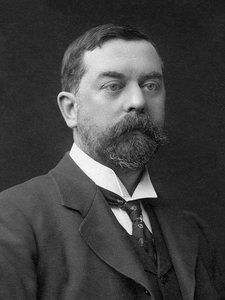
John Singer Sargent
1856 - 1925 , Włochy
Krótka nota
- Artistic Movement Or Style: Impressionizm
- Artists Or Movements Influenced By This Artist: ['Whistler']
- Artists Who Influenced This Artist:
- Carolus-Duran
- Velázquez
- Date Of Birth: 12 stycznia 1856
- Date Of Death: 15 kwietnia 1925
- Full Name: John Singer Sargent
- Nationality: Amerykanin
- Notable Artworks:
- Madame X
- El Jaleo
- Carnation, Lily, Lily, Rose
- Place Of Birth: Florencja, Włochy
Powiązane artykuły
25 Arcydzieł Kunsthistorisches Museum w Wiedniu: Obrazy, Historie i Inspiracje dla Domu
Odkryj 25 arcydzieł Kunsthistorisches Museum w Wiedniu! Poznaj historie Raphaela, Rembrandta i Vermeera. Inspiracje wnętrzarskie, reprodukcje obrazów najwyższej jakości na OriginalUniqueArt.com – sztuka dla Twojego domu.
Edvard Munch: 25 Arcydzieł Ekspresjonizmu dla Kolekcjonerów i Miłośników Sztuki
Poznaj 25 najbardziej znanych obrazów Edvarda Muncha – od kultowego "Krzyku" po poruszające portrety. Odkryj ekspresjonizm, symbolikę i emocje w sztuce norweskiej. Reprodukcje najwyższej jakości na OriginalUniqueArt.com! Eksploruj kolekcję online.

Paul Cézanne: 25 Arcydzieł, które Zrewolucjonizowały Świat Sztuki | OriginalUniqueArt
Odkryj 25 arcydzieł Paula Cézanne'a – od impresjonizmu po postimpresjonizm. Poznaj historie, techniki i inspiracje malarza, który zrewolucjonizował sztukę. Reprodukcje obrazów najwyższej jakości na OriginalUniqueArt.com!

John Singer Sargent: 25 Arcydzieł Pełnych Elegancji i Światła | OriginalUniqueArt.com
Odkryj 25 arcydzieł Johna Singera Sargenta – mistrza portretu i impresjonizmu. Poznaj historie, techniki i inspiracje za jego najsłynniejszymi obrazami. Reprodukcje najwyższej jakości na OriginalUniqueArt.com. Eksploruj pełną kolekcję online!

Katsushika Hokusai: 25 Arcydzieł Sztuki Japońskiej dla Kolekcjonerów i Miłośników Dekoracji
Odkryj 25 arcydzieł Katsushika Hokusai, mistrza ukiyo-e! Poznaj historię Wielkiej Fali i innych ikonicznych drzeworytów. Inspiracje wnętrzarskie i reprodukcje obrazów najwyższej jakości na OriginalUniqueArt.com – sztuka japońska dla Twojego domu.


