

 Zobacz w skali 1:1
 Wyślij
 Udostępnij
 Szczegóły
 Przewodnik

 Pobierz plik obrazu
 Podobne obiekty
 RTG
RTG Pokaz slajdów
 Statystyki
Henry James


 Czytaj więcej
Giclée / Wydruk artystyczny
Wydruki giclée lub płótna o jakości muzealnej, szybka realizacja i szeroki wybór opcji wykończenia. ( Kup ręcznie malowany obraz Przełącz na wersję cyfrową)




P118B zł10

P118H zł10

P118W zł10

P438Z zł10

P508JH zł12

P508YH zł12

P805H zł10

P805Z zł10

P919BZ zł10

P919G zł10

P919XJ zł10

P959ZH zł10

P968JZ zł12

W106C zł8

W218G zł10

W218JH zł8

W218Y zł10

W307PJ zł10

W316G zł10

W316PJ zł8

W316Y zł10

W398PJ zł8

W4111J zł10

W500HY zł15

W500JH zł15

W692G zł12

W849H zł8

W940BG zł15

W953PJ zł8




Wybierz spośród naszych standardowych rozmiarów, które zachowują oryginalne proporcje dzieła sztuki.

Wpisz wymaganą szerokość i wysokość, aby dopasować grafikę do ramy lub ściany. Wydruk można jedynie przyciąć, nigdy nie powiększając go poza oryginalny obraz, dlatego format o innym proporcji spowoduje utratę części kompozycji. Przed rozpoczęciem druku prześlemy Ci cyfrowy podgląd do zatwierdzenia. Obraz wyświetlany na tej stronie nie pokazuje rzeczywistego przycięcia — jedynie podgląd oddaje ten efekt.
Dostawa na cały świat () w ciągu 2 tygodni zamiast standardowych 4/5 tygodni. (21 Październik)

Bezpłatna ekspresowa wysyłka na cały świat

Wysokiej jakości płótno lniane

Pełne ubezpieczenie transportowe

Gwarancja zwrotu należności celnych i podatków importowych

Gwarancja idealnego odwzorowania barw

100-dniowy okres na zwrot dzieła w przypadku wykrycia wad produkcyjnych

Gwarancja 100% zwrotu pieniędzy

Oferta przy zakupie wielu sztuk
 Opcja ze szkłem jest dostępna wyłącznie w rozmiarach poniżej 110 cm

Henry James
Giclée / Wydruk artystyczny
Rozmiar reprodukcji
-


Suma do zapłaty
zł 304
Enigmatyczne spojrzenie: „Henry James” Johna Singera Sargenta
„Henry James” autorstwa Johna Singera Sargenta, namalowany w 1913 roku, to coś więcej niż zwykły portret; to starannie skonstruowane tableau intelektu, statusu społecznego i cichej kontemplacji, która jest wpisana w umysł wybitnego literatury. Obraz natychmiast wciąga widza w rozmowę – bezpośrednie spotkanie z samym Henrym Jamesem, którego spojrzenie emanuje zarówno aurą godnej rezerwy, jak i subtelną nutą głębokiej uważności. Sargent po mistrzowsku oddaje tę dwoistość, wykorzystując swoją charakterystyczną technikę „rysowania pędzlem”, aby stworzyć niezwykłe poczucie głębi i trójwymiarowości, jak gdyby James wychodził wprost z płótna.

Symfonia edwardiańskiej elegancji
Twórczość Sargenta z tego okresu odzwierciedla świadomy akt balansowania – odejście od sztywnej formalności wcześniejszego portretu przy jednoczesnym zachowaniu uznania dla wielkiego stylu. „Henry James” stanowi piękny przykład tego podejścia, łącząc elementy tradycyjnego portretu z subtelnymi wpływami impresjonizmu. Luksusowa sceneria, choć niewyraźnie zdefiniowana, mówi wiele o pozycji Jamesa w wyższych sferach; jest to przestrzeń zaprojektowana tak, by budzić poczucie komfortu i intelektualnej stymulacji. Warto zwrócić uwagę na staranne oddanie ciemnego garnituru i krawata – symboli jego przynależności do formalnych i wpływowych kręgów londyńskiej sceny literackiej. Skrzyżowane dłonie na piersi nie są jedynie pozą, lecz celowym gestem powagi i opanowania, wzmacniającym starannie wykreowany wizerunek Jamesa jako poważnego uczonego i obserwatora.
Dekodowanie symboliki: Gest i intencja
Poza warstwą wizualną, „Henry James” jest nasycony znaczeniem symbolicznym. Bezpośredniość spojrzenia Jamesa zaprasza do introspekcji; on nie tylko prezentuje się widzowi, ale nawiązuje z nim niemy dialog. Sama postawa – siedząca, opanowana, a jednak czujna – sugeruje człowieka przyzwyczajonego do rygorystycznego myślenia i wnikliwej analizy. Niektórzy historycy sztuki interpretują skrzyżowane dłonie jako symbol cel性的 powściągliwości, świadomego wysiłku, by kontrolować zewnętrzną ekspresję przy jednoczesnym pielęgnowaniu złożonych myśli wewnętrznych. Ogólny nastrój obrazu to cicha intensywność, sugerująca głębokie krajobrazy psychologiczne, które można odnaleźć w powieściach Jamesa.
Kontekst historyczny: Zmieniający się krajobraz artystyczny
Namalowany w 1913 roku „Henry James” wpisuje się idealnie w okres znaczących przemian artystycznych. Era edwardiańska była świadkiem odchodzenia od surowych konwencji sztuki akademickiej, podczas gdy artyści tacy jak Sargent eksperymentowali z nowymi technikami i podejściami. Obraz ten reprezentuje świadyste odejście od sztywnej formalności na rzecz bardziej płynnego i ekspresyjnego stylu, przy jednoczesnym zachowaniu poczucia wielkości. Jest to świadectwo zdolności Sargenta do uchwycenia nie tylko podobieństwa, ale także ducha swojej postaci – człowieka głęboko zaangażowanego w intelektualne prądy swoich czasów. Fakt, że dzieło powstało na zamówienie z okazji 70. urodzin Jamesa, podkreśla wagę, jaką przywiązywano wówczas do osiągnięć literackich oraz roli pisarzy w społeczeństwie.
Zaproś „Henry James” do swojego domu: Reprodukcje dla kolekcjonerów
OriginalUniqueArt oferuje pieczołowicie wykonane, ręcznie malowane reprodukcje obrazu „Henry James” Johna Singera Sargenta, oddające każdy niuans detalu i atmosferyczną jakość oryginału. Każda reprodukcja jest tworzona przez wykwalifikowanych artystów przy użyciu materiałów archiwalnej jakości, co gwarantuje zachowanie piękna i integralności dzieła dla przyszłych pokoleń. Bez względu na to, czy jesteś kolekcjonerem sztuki, entuzjastą designu, czy po prostu osobą poszukującą elementu ponadczasowej elegancji, reprodukcja „Henry James” od OriginalUniqueArt będzie zachwycającym dodatkiem do Twojego domu lub biura – nieustannym przypomnieniem o potędze obserwacji, intelektu i artystycznego wyrafinowania.
Pytania i odpowiedzi
W jaki sposób styl dzieła "Henry James" odnosi się do epoki jego twórcy?
„Henry James” autorstwa John Singer Sargent przynależy do nurtu Portret edwardiański, tworząc w epoce – Wiek XIX swojego twórcy.
Jak silny jest kontrast w „Henry James” autorstwa John Singer Sargent?
„Henry James” autorstwa John Singer Sargent prezentuje Delikatny kontrast między jasnymi a ciemnymi partiami dzieła.
O czym jest "Henry James"?
Tematyka dzieła "Henry James" to henry james, portret, epoka edwardiańska, literatura, wyrafinowanie, elegancja, amerykański autor, sargent.
Biografia artysty
A Life Immersed in Light and Society
John Singer Sargent, a name synonymous with the Gilded Age and its shimmering portraits of elegance, was an American artist who spent most of his life cultivating his craft within the European art world. Born in Florence, Italy, in 1856 to American expatriate parents, Fitzwilliam and Mary Newbold Sargent, his upbringing was anything but conventional. The family’s nomadic existence – constantly traversing France, Germany, Italy, and Switzerland – instilled in young John a cosmopolitan sensibility and an early exposure to the artistic treasures of Europe. Rather than formal schooling, his education unfolded within museum halls and ancient churches, fostering a visual literacy that would profoundly shape his artistic vision. This itinerant childhood, while lacking traditional structure, provided a rich tapestry of cultural experiences that fueled his developing talent. His father, a surgeon, and his mother, an amateur artist, encouraged his inclinations, recognizing early on the remarkable acuity of his observational skills. It was clear from a young age that John’s path lay not in medicine or conventional pursuits, but within the realm of art.From Parisian Atelier to Portrait Master
In 1874, at the age of eighteen, Sargent embarked on a pivotal chapter of his artistic development by entering the Paris studio of Carolus-Duran. This mentorship proved transformative. Duran’s emphasis on *direct painting* – a technique eschewing preliminary sketches in favor of immediate application of paint to canvas – honed Sargent's already impressive technical facility and instilled within him an astonishing ability to capture likenesses with speed and precision. It was a revolutionary approach, encouraging boldness and spontaneity, and it became the hallmark of Sargent’s style. He absorbed Duran’s lessons wholeheartedly, mastering the art of capturing not just physical resemblance but also the very essence of his sitters. Simultaneously, he enrolled at the École des Beaux-Arts, further refining his skills in drawing from casts and life models. However, it was the influence of Spanish masters like Velázquez, encountered during a formative trip to Spain in 1879, that truly ignited Sargent’s artistic imagination. He became captivated by Velázquez’s masterful use of light, brushwork, and psychological insight – qualities he would strive to emulate throughout his career.Navigating Fame, Scandal, and Artistic Evolution
Sargent quickly established himself as a sought-after portraitist in Paris, attracting commissions from the city’s elite. However, his ascent was not without its challenges. The unveiling of *Madame X* (Portrait of Madame Pierre Gautreau) at the 1884 Salon ignited a scandal that threatened to derail his burgeoning career. The painting's daring depiction of socialite Virginie Amélie Avegno Gautreau – with her pale complexion, suggestive pose, and fallen strap – was deemed provocative and scandalous by Parisian society. Though Sargent later repainted the strap, the damage was done. Disheartened by the controversy, he relocated to London in 1886, where he found a more receptive audience for his talents. In London, he continued to paint portraits of the wealthy and prominent, capturing the opulence and social dynamics of Edwardian society with unparalleled skill. Yet, Sargent’s artistic ambitions extended beyond the confines of commissioned portraiture. He yearned for greater creative freedom and increasingly devoted himself to landscape painting and plein-air studies, embracing an Impressionistic style characterized by loose brushwork, vibrant colors, and a focus on capturing fleeting moments of light and atmosphere. These landscapes reveal a different side of Sargent – one less concerned with social status and more attuned to the beauty of the natural world.Influences and Artistic Kinships
- Carolus-Duran: His teacher, who instilled in him a direct painting technique and encouraged spontaneity.
- Diego Velázquez: Sargent deeply admired Velázquez’s mastery of light, brushwork, and psychological insight, particularly evident in his Spanish works.
- Impressionism: The Impressionists' emphasis on capturing fleeting moments and atmospheric effects profoundly impacted his landscape paintings, leading to a looser, more expressive style.
- James Abbott McNeill Whistler: Sargent shared with Whistler an interest in aestheticism and the pursuit of “art for art’s sake,” influencing his approach to composition and color.
A Lasting Legacy: Beyond Portraiture
While celebrated as “the leading portrait painter of his generation,” John Singer Sargent’s artistic legacy extends far beyond his masterful depictions of society figures. His major works, such as *El Jaleo*, a dynamic portrayal of Spanish flamenco dancers, and *Carnation, Lily, Lily, Rose*, a serene depiction of two young girls in an English garden, demonstrate his versatility and technical brilliance. Later in life, he embarked on ambitious mural projects, including the monumental cycle at the Boston Public Library, showcasing his ability to translate his artistic vision onto a grand scale. His influence can be seen in the work of subsequent generations of artists who admired his technical skill, his bold brushwork, and his ability to capture both physical likeness and psychological depth. The rediscovery of his previously hidden male nudes in the 1980s further broadened our understanding of Sargent’s artistic range and revealed a more complex and nuanced artist than previously recognized. His paintings continue to captivate audiences worldwide, offering a fascinating glimpse into a bygone era while simultaneously transcending time through their enduring beauty and technical mastery. He remains, undeniably, one of the most significant American artists of his generation, whose work continues to inspire and provoke admiration.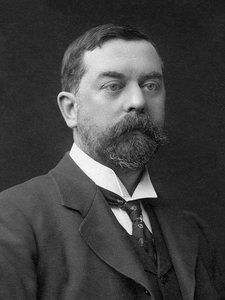
John Singer Sargent
1856 - 1925 , Włochy
Najważniejsze informacje
- Artistic Movement Or Style: Impressionizm
- Artists Or Movements Influenced By This Artist: ['Whistler']
- Artists Who Influenced This Artist:
- Carolus-Duran
- Velázquez
- Date Of Birth: 12 stycznia 1856
- Date Of Death: 15 kwietnia 1925
- Full Name: John Singer Sargent
- Nationality: Amerykanin
- Notable Artworks:
- Madame X
- El Jaleo
- Carnation, Lily, Lily, Rose
- Place Of Birth: Florencja, Włochy
Zobacz także powiązane artykuły

James Abbott McNeill Whistler: 25 Arcydzieł Sztuki Pejzażowej i Portretowej | OriginalUniqueArt
Odkryj 25 arcydzieł Jamesa Abbotta McNeilla Whistler'a! Poznaj historię impresjonistycznych pejzaży, portretów i słynnych 'Nokturnów'. Reprodukcje obrazów najwyższej jakości na OriginalUniqueArt.com – inspiracje dla Twojego wnętrza.
Capturing Elegance: The Timeless Allure of John Singer Sargent's Masterpieces
Discover the breathtaking elegance of John Singer Sargent's masterpieces. From iconic Gilded Age portraits to impressionistic landscapes, explore the technical brilliance and timeless allure of this American master through our premium, hand-painted fine art reproductions.

John Singer Sargent: 25 Arcydzieł Pełnych Elegancji i Światła | OriginalUniqueArt.com
Odkryj 25 arcydzieł Johna Singera Sargenta – mistrza portretu i impresjonizmu. Poznaj historie, techniki i inspiracje za jego najsłynniejszymi obrazami. Reprodukcje najwyższej jakości na OriginalUniqueArt.com. Eksploruj pełną kolekcję online!
John Singer Sargent: Capturing the Gilded Age with Impressionistic Brilliance
Explore the life & art of John Singer Sargent, premier portraitist of the Gilded Age. Discover his Impressionistic masterpieces, technical brilliance, and enduring legacy. Expert insights for collectors.
Henri Matisse: 25 Arcydzieł Koloru i Inspiracji | OriginalUniqueArt.com
Odkryj 25 arcydzieł Henri Matisse’a – od żywych kolorów fauwizmu po ikoniczne kompozycje. Poznaj historię, technikę i inspiracje malarstwa francuskiego. Reprodukcje obrazów najwyższej jakości na OriginalUniqueArt.com! Eksploruj kolekcję online.


