Llyn Ogwen
Ręcznie malowana reprodukcja olejowa
Ręcznie malowany olej na płótnie w Twoim wymiarze i ramie, tworzony na zamówienie przez naszych artystów.
P118B $10
P118H $10
P118W $10
P438Z $10
P508JH $12
P508YH $12
P805H $10
P805Z $10
P919BZ $10
P919G $10
P919XJ $10
P959ZH $10
P968JZ $12
W106C $8
W218G $10
W218JH $8
W218Y $10
W307PJ $10
W316G $10
W316PJ $8
W316Y $10
W398PJ $8
W4111J $10
W500HY $15
W500JH $15
W692G $12
W849H $8
W940BG $15
W953PJ $8
Wybierz spośród naszych predefiniowanych rozmiarów, które zachowują oryginalne proporcje dzieła sztuki.
Możesz wprowadzić własne wymiary, aby dopasować obraz do konkretnej ramy lub przestrzeni. Jeśli wybrany rozmiar nie będzie odpowiadał proporcjom oryginału, przytniecie dzieło sztuki lub rozszerzymy je o dodatkowe elementy, ręcznie domalowane przez artystę. Przed rozpoczęciem produkcji wyślemy projekt cyfrowy do Twojej akceptacji.
Należy pamiętać, że podgląd na ekranie nie odzwierciedla rzeczywistego przycinania ani rozszerzania obrazu. Tylko projekt dokładnie pokaże ostateczną kompozycję.
Choć oferujemy możliwość zamówienia niestandardowych rozmiarów, zalecamy wybór wymiaru z gotowej listy, aby zachować oryginalne proporcje dzieła.
Po złożeniu zamówienia zespół OriginalUniqueArt.com skontaktuje się z klientem drogą mailową w celu uzyskania instrukcji i prześle wizualizację projektu
Dostawa na całym świecie () w ciągu 3/4 tygodni zamiast standardowych 5 tygodni. (23 Lipiec). Bez kompromisów w kwestii jakości.
Bezpłatna ekspresowa wysyłka na cały świat
Wysokiej jakości płótno lniane
Pełne ubezpieczenie przesyłki
Gwarancja zwrotu należności celnych
Gwarancja pełnego zgodności kolorystycznej
Polityka 60-dniowego zwrotu (tylko w przypadku wad)
Gwarancja 100% zwrotu pieniędzy
Zniżka przy większych zamówieniach
Llyn Ogwen
Technika reprodukcji
Wymiary reprodukcji
-
Cena całkowita
-
Opis dzieła
A Symphony in Watercolor: John Sell Cotman’s Llyn Ogwen
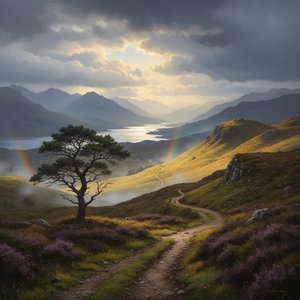
John Sell Cotman's "Llyn Ogwen," painted circa 1824, isn’t merely a depiction of a Welsh lake; it’s an immersion into the heart of Romantic sensibility. This watercolor, now meticulously reproduced for discerning collectors, captures not just a landscape but a profound mood – a quiet contemplation interwoven with the raw beauty and elemental power of Snowdonia National Park. Cotman, a pivotal figure in the Norwich School, eschewed grand historical narratives or idealized forms, instead focusing on translating the immediate impressions of nature onto paper with an unparalleled sensitivity to light and atmosphere.
The scene unfolds before us: Llyn Ogwen itself, a serene ribbon of water nestled amongst the towering peaks of Tryfan and Pen yr Ole Wen. The composition is deceptively simple – a foreground dominated by grazing cattle, reflecting in the still waters; a mid-distance showcasing the rugged slopes of the mountains; and a dramatic sky hinting at both brooding clouds and fleeting sunlight. Cotman’s genius lies not in precise detail but in his masterful use of *wash*—layers of diluted color applied with delicate brushstrokes to create an ethereal, almost dreamlike quality. Notice how he doesn't attempt to render every rock or blade of grass; instead, he suggests them through subtle tonal variations and carefully placed highlights, allowing the viewer’s imagination to complete the picture.
The Norwich School and a Romantic Vision
Cotman’s work is inextricably linked to the Norwich School, a movement that championed the unique character of the Norfolk countryside. Unlike many artists of his time preoccupied with classical ideals or grand historical scenes, Cotman sought to capture the immediate beauty and emotional resonance of the local landscape. This painting exemplifies this approach perfectly – it's not a romanticized idealization but a genuine observation imbued with a deep sense of connection to the natural world. The influence of J.M.W. Turner is palpable here; both artists shared a fascination with capturing fleeting moments of light and atmosphere, employing similar techniques of *plein air* painting and expressive brushwork.
The historical context surrounding "Llyn Ogwen" is equally compelling. Painted in the early 19th century, it reflects the burgeoning Romantic movement’s emphasis on emotion, imagination, and the sublime power of nature. The legend associated with Llyn Ogwen – the tale of Excalibur being cast into its depths by Sir Bedivere – adds a layer of mythic resonance to the scene, suggesting a connection between the landscape and ancient lore. The inclusion of cattle further grounds the image in everyday life, reminding us of the enduring relationship between humanity and nature.
Technique and Symbolism: A Masterful Balance
Cotman’s technique is characterized by an extraordinary control over watercolor—a medium he elevated to new heights. He expertly manipulated the flow and transparency of the pigment, creating a remarkable sense of depth and atmosphere. The use of *dry brush* techniques adds texture and definition to the mountains, while washes of color evoke the shimmering light on the water’s surface. The composition itself is carefully balanced—the vertical thrust of the mountains contrasts with the horizontal flow of the lake, creating a dynamic visual harmony.
Beyond its technical brilliance, "Llyn Ogwen" is rich in symbolism. The lake represents tranquility and reflection, while the towering mountains embody strength and resilience. The cattle symbolize the connection between humanity and nature, suggesting a harmonious coexistence. The painting’s overall mood—a blend of serenity and drama—reflects the Romantic ideal of the sublime – an experience that evokes both awe and terror in the face of nature's grandeur.
Bringing Cotman’s Vision Home
A hand-painted reproduction of "Llyn Ogwen" offers a remarkable opportunity to bring this timeless masterpiece into your home or office. The meticulous attention to detail, combined with Cotman’s masterful use of color and light, ensures that the painting retains its emotional impact and visual beauty. Whether you're an art enthusiast, a collector seeking a statement piece, or simply someone who appreciates the evocative power of landscape art, this reproduction is sure to captivate and inspire.
Biografia artysty
A Norfolk Son: The Life and Art of John Sell Cotman
John Sell Cotman, a name inextricably linked to the serene beauty and evocative atmosphere of early 19th-century England, emerged from the vibrant artistic community of Norwich to become a pivotal figure in British Romanticism. Born on May 16, 1782, into a family deeply rooted in the prosperous trades of silk merchantry and lace dealing, Cotman’s path wasn't immediately destined for the world of art. Yet, an innate sensitivity to the natural world—a profound connection to light, color, and texture—and a burgeoning talent quickly steered him away from commerce and toward a life dedicated to capturing its essence on canvas and paper. His early education at Norwich Grammar School provided a foundational understanding of classical studies, but it was his relocation to London in 1798 that truly ignited the flame within him, setting him upon a transformative artistic journey.
The Norwich School: A Celebration of Local Landscapes
Cotman’s artistic identity became inextricably linked to the Norwich School, a distinctive movement of painters who distinguished themselves by their unwavering focus on depicting the unique character and charm of the Norfolk countryside. Unlike many of his contemporaries, preoccupied with grand historical narratives or idealized classical forms, the Norwich School artists cultivated a deep appreciation for the subtle nuances of their local landscape—the rolling fields, the meandering rivers, the quaint villages, and the ever-changing light. Cotman quickly rose to prominence within this group, developing a style characterized by masterful watercolor technique, meticulous attention to detail, and a uniquely Romantic sensibility. He possessed an exceptional ability to translate fleeting impressions into enduring works of art, capturing the atmosphere and mood of a scene with remarkable sensitivity. His paintings weren’t merely representations of landscapes; they were imbued with emotion—a sense of tranquility, melancholy, or quiet contemplation.
Technique and Style: Watercolor Mastery
Cotman's artistic style was defined by his exceptional command of watercolor, a medium he elevated to new heights. He wasn’t simply applying color to paper; he was sculpting with washes—building up layers of translucent pigment to create atmospheric depth and luminous effects. His technique involved a delicate balance between controlled precision and spontaneous expression, allowing for both meticulous detail and a sense of fluidity and movement. He frequently employed dry brushstrokes to suggest texture and form, while utilizing broad washes of color to evoke the vastness of the sky or the shimmering surface of water. His etchings, often preparatory studies for his paintings, further demonstrated his versatility and technical skill, showcasing his ability to capture subtle tonal variations and intricate details with remarkable precision. He was a master of light and shadow, skillfully manipulating color to create a sense of depth and atmosphere that drew viewers into the heart of his landscapes.
Key Works and Influences
Among Cotman’s most celebrated works are “Jesus Chapel, Norwich Cathedral with the tomb of Sir Thomas Windham,” a quintessential example of the Norwich School's style—a meticulously rendered depiction of a local landmark imbued with a sense of quiet reverence. “View From Yarmouth Bridge, Norfolk, Looking Towards Breydon, Just After Sunset” is another iconic image, capturing the beauty of the coastal landscape at twilight. His work was influenced by the Romantic movement’s emphasis on emotion and imagination, as well as by his encounters with other artists in London, particularly J.M.W. Turner and Thomas Girtin. These experiences broadened his artistic horizons and helped him to develop a more expressive and dynamic style. He also drew inspiration from the works of earlier landscape painters, such as Constable and Gainsborough, adapting their techniques to suit his own unique vision.
Legacy and Enduring Significance
John Sell Cotman’s influence extended far beyond his prolific output. He played a crucial role in shaping the development of British art, particularly within the context of the Norwich School movement. His emphasis on direct observation, atmospheric effects, and emotional resonance resonated with subsequent generations of artists. Furthermore, his dedication to teaching ensured that his artistic principles were passed down to a new cohort of painters. Both of his sons, Miles Edmund Cotman and John Joseph Cotman, followed in their father’s footsteps, contributing to the family's enduring legacy within the art world. Today, Cotman’s works are held in prestigious collections worldwide—the Tate Gallery, the British Museum, the Victoria and Albert Museum, and the Yale Center for British Art—and continue to captivate viewers with their beauty, sensitivity, and profound connection to the natural world. He remains a celebrated figure, not only as a master of watercolor and etching but also as a key representative of the Romantic spirit in English art. His dedication to capturing the essence of place and emotion ensures his enduring relevance for generations to come.
Jan Siel Cotman
1782 - 1842 , Wielka Brytania
Kluczowe informacje
- Artistic Movement Or Style: Szkoła Norwich
- Artists Or Movements Influenced By This Artist: ['Norwich School']
- Artists Who Influenced This Artist:
- Turner
- Girtin
- Date Of Birth: 16 maja 1782
- Date Of Death: 24 lipca 1842
- Full Name: John Sell Cotman
- Nationality: Brytyjczyk
- Notable Artworks:
- Kościół Jezus, Katedra w Norwich
- Widok z mostu w Yarmouth
- Place Of Birth: Norwich, Anglia


Opcja szkła jest dostępna wyłącznie w rozmiarach poniżej 110 cm