
 Podgląd w skali 1:1
 Wyślij jako kartkę
 Udostępnij
 Szczegóły dzieła
 Przewodnik

 Pobierz obraz
 Podobne obiekty
 RTG
RTG Pokaz slajdów
 Pytania i odpowiedzi
 Statystyki
Leaving School

- 36.0 x 51.0 cm


 Rozwiń treść
Giclée / Wydruk artystyczny
Wydruki giclée lub płótna o jakości muzealnej, szybka realizacja i szeroki wybór opcji wykończenia. ( Zamów ręcznie malowaną reprodukcję Przejdź do wersji cyfrowej)




P118B zł10

P118H zł10

P118W zł10

P438Z zł10

P508JH zł12

P508YH zł12

P805H zł10

P805Z zł10

P919BZ zł10

P919G zł10

P919XJ zł10

P959ZH zł10

P968JZ zł12

W106C zł8

W218G zł10

W218JH zł8

W218Y zł10

W307PJ zł10

W316G zł10

W316PJ zł8

W316Y zł10

W398PJ zł8

W4111J zł10

W500HY zł15

W500JH zł15

W692G zł12

W849H zł8

W940BG zł15

W953PJ zł8




Wybierz spośród naszych standardowych rozmiarów, które zachowują oryginalne proporcje dzieła sztuki.

Wpisz wymaganą szerokość i wysokość, aby dopasować grafikę do ramy lub ściany. Wydruk można jedynie przyciąć, nigdy nie powiększając go poza oryginalny obraz, dlatego format o innych proporcjach spowoduje utratę części kompozycji. Przed rozpoczęciem druku prześlemy Ci cyfrowy podgląd do zatwierdzenia. Obraz wyświetlany na tej stronie nie pokazuje rzeczywistego przycięcia — jedynie podgląd oddaje ten efekt.
Dostawa na cały świat () w ciągu 2 tygodni zamiast standardowych 4/5 tygodni. (7 Listopad)

Bezpłatna ekspresowa wysyłka na cały świat

Wysokiej jakości płótno lniane

Pełne ubezpieczenie przesyłki

Gwarancja zwrotu należności celnych i podatków importowych

Gwarancja wiernego odwzorowania kolorów

100-dniowa polityka zwrotów (tylko w przypadku wad)

Gwarancja 100% zwrotu pieniędzy

Zniżka przy zakupie wielu sztuk
 Opcja ze szkłem jest dostępna wyłącznie w rozmiarach poniżej 110 cm

Leaving School
Giclée / Wydruk artystyczny
Wymiary reprodukcji
-


Cena całkowita
zł 317
Artistic Elements and Symbolism
The scene depicts a group of people standing in a field, surrounded by trees, with a woman wearing a hat as the focal point. The presence of birds flying around adds a sense of movement and life to the otherwise peaceful setting. A handbag placed on the ground near one of the individuals suggests a sense of casualness and everyday life. The overall mood of the painting is one of relaxation and contentment, inviting the viewer to reflect on the simple joys of life.As we explore the artwork, we notice the attention to detail and the use of light and shadow to create depth and dimension. The brushstrokes are bold and expressive, conveying a sense of energy and movement. For those interested in learning more about John Robertson Reid and his works, visit the OriginalUniqueArt website to discover a wide range of handmade oil painting reproductions.
Related Artists and Collections
Other notable artists whose works can be found on OriginalUniqueArt include Sir George Clausen, known for his powerful and evocative oil paintings like Youth Mourning, and Graeme Todd, whose works such as Island VI showcase a unique blend of styles. For more information on these artists and their collections, visit the OriginalUniqueArt website. Additionally, readers can learn more about the cultural and historical context of Louisiana, where the artist's style may have been influenced, on Wikipedia.- Discover the world of handmade oil painting reproductions on OriginalUniqueArt
- Learn more about John Robertson Reid and his artwork Leaving School
- Explore the collections of other notable artists like Sir George Clausen and Graeme Todd
Pytania i odpowiedzi
Czy mogę przyjrzeć się bliżej dziełu "Leaving School"?
Widok rentgenowski dzieła „Leaving School” – John Robertson Reid jest dostępny na stronie Analiza rentgenowska: to interaktywna analiza obrazu obejmująca jedenaście warstw optycznych.
Gdzie można obecnie zobaczyć dzieło „Leaving School” – John Robertson Reid?
Oryginał dzieła „Leaving School” można zobaczyć w The Fleming Collection, London, United Kingdom.
W jaki sposób nurt i epoka przenikają się w „Leaving School” – John Robertson Reid?
W „Leaving School” – John Robertson Reid nurt Realism łączy się z epoką 19th Century.
Biografia artysty
Early Life and Artistic Foundations
John Robertson Reid, born on August 6th, 1851, in Scotland, embarked on a journey that would see him capture the essence of British life with remarkable detail and sensitivity. His initial artistic training under George Chalmers and William MacTaggart laid a solid foundation for his future endeavors, instilling within him a respect for traditional techniques alongside an emerging interest in capturing the natural world directly from observation. This early period was characterized by a dedication to plein air painting – working outdoors, directly before the subject – a practice that would become central to his artistic identity and set him apart from many of his contemporaries. He honed his skills depicting the Surrey countryside, often employing local people as models, creating scenes imbued with authenticity and a quiet dignity.The Cornish Years: A Flourishing Career
In the early 1880s, Reid relocated to Cornwall, a region that would profoundly influence his artistic output for decades. The rugged coastline, picturesque villages, and vibrant community provided an endless source of inspiration. It was here that his career truly flourished. He became known for his ability to portray everyday life with both realism and emotional depth. Scenes of coastal activity, family gatherings, and rural pursuits filled his canvases, offering a glimpse into the lives of ordinary people during the Victorian era. This period saw him move toward what would become his signature style – a blend of Naturalism, influenced by artists like Sir George Clausen, and elements of Realism inspired by French painters such as Jules Bastien-Lepage, with subtle hints of Impressionistic techniques in his handling of light and color.Presidency and Recognition
Reid’s talent and dedication did not go unnoticed. In 1886, he was elected President of the Society of British Artists, a prestigious position that provided him with increased visibility and access to London's art circles. He further solidified his standing in the artistic community by becoming President of the Society of Sculptors, Painters and Gravers in 1898. These roles not only elevated his profile but also allowed him to champion the work of other artists and contribute to the broader cultural landscape. His paintings were increasingly sought after, and he gained a reputation for capturing the spirit of the age with honesty and grace.A Unique Approach: Cricket Matches and Social Commentary
While Reid excelled in portraying various aspects of British life, his depictions of country cricket matches are particularly noteworthy. “A Country Cricket Match,” painted at The Well House in West Sussex, is a prime example of his ability to blend sporting action with social observation. These paintings weren’t merely records of a game; they were detailed portraits of Victorian society, capturing the interactions and nuances of village life. He meticulously documented the scene on location, adding layers of authenticity that resonated with viewers. Beyond cricket, Reid's work often subtly commented on the changing social dynamics of the time, portraying the lives of working-class individuals with respect and dignity – a refreshing perspective in an era often dominated by depictions of the upper classes.Legacy and Influence
John Robertson Reid passed away on February 10th, 1926, leaving behind a rich artistic legacy. His work continues to be admired for its technical skill, emotional depth, and insightful portrayal of Victorian life. He was not only a talented painter but also a dedicated advocate for the arts, fostering a sense of community among his peers. His sisters, Lizzie Reid and Flora MacDonald Reid, were also exhibiting artists, demonstrating a strong artistic lineage within the family. Furthermore, he was the great-uncle of Sir Norman Reid, who later served as Director of the Tate Gallery, further cementing the family’s contribution to the art world. His paintings offer a valuable window into a bygone era, capturing the beauty and complexity of British society with enduring appeal.
John Robertson Reid
1851 - 1926
Krótka nota
- Full Name: John Robertson Reid
- Nationality: Scottish
- Date Of Birth: 1851
- Date Of Death: 1926
- Place Of Birth: Edinburgh, Scotland
- Notable Artworks:
- Leaving School
- Rival Grandfathers
- John Campbell
- Artistic Movement Or Style: Impressionism
- Artists Who Influenced This Artist:
- William Holman Hunt
- George Frederic Watts
- Artists Or Movements Influenced By This Artist: ['Cornish Impressionism']
Powiązane artykuły

John Constable: 25 Najlepszych Obrazów Mistrza Angielskiego Krajobrazu | OriginalUniqueArt
Odkryj 25 arcydzieł Johna Constable'a – mistrza angielskiego krajobrazu! Poznaj romantyczne pejzaże, technikę malarską i inspiracje z Dedham Vale. Reprodukcje obrazów najwyższej jakości na OriginalUniqueArt.com. Eksploruj pełną kolekcję online!

Olej na płótnie: Historia, techniki i ponadczasowy urok malarskiego medium
Poznaj historię i techniki malarstwa olejowego! Od renesansowych mistrzów po współczesne zastosowania – wszystko o oleju na płótnie. Poradniki, konserwacja i inspiracje dla pasjonatów sztuki.

Trwała Spuścizna Malarstwa Olejnego: Technika, Historia i Estetyczny Wpływ
Poznaj historię i technikę malarstwa olejnego! Eksperckie artykuły o konserwacji, renowacji oraz współczesnych zastosowaniach. Dowiedz się więcej o mistrzach i trwałości obrazów olejnych.
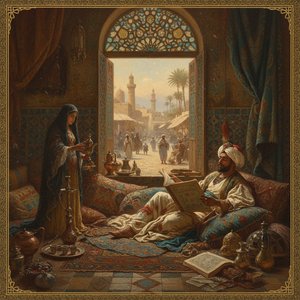
John Frederick Lewis: Orientalism, Detail & Genre Painting in 19th-Century British Art
Explore the captivating Orientalist paintings of John Frederick Lewis! Discover his mastery of detail, genre scenes & influence on 19th-century British art. Learn about his life, techniques & legacy at OriginalUniqueArt.

John Singer Sargent: 25 Arcydzieł Pełnych Elegancji i Światła | OriginalUniqueArt.com
Odkryj 25 arcydzieł Johna Singera Sargenta – mistrza portretu i impresjonizmu. Poznaj historie, techniki i inspiracje za jego najsłynniejszymi obrazami. Reprodukcje najwyższej jakości na OriginalUniqueArt.com. Eksploruj pełną kolekcję online!