
 Podgląd w skali
 Wyślij jako kartkę
 Udostępnij
 Szczegóły dzieła

 Pobierz
 Podobne obiekty
 RTG
RTG Pokaz slajdów
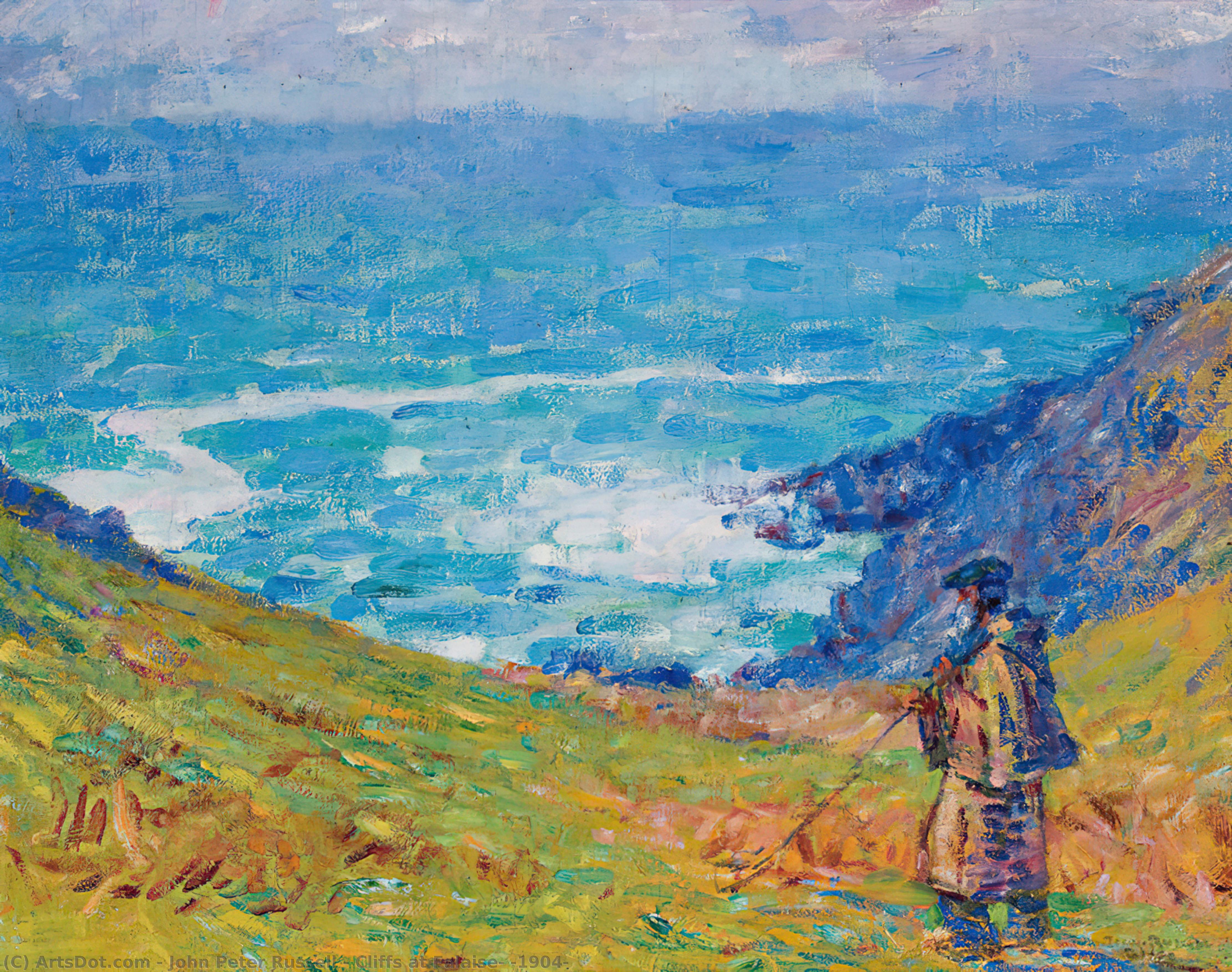
Cliffs at Falaise, (1904)


 Rozwiń treść
Giclée / Wydruk artystyczny
Druk giclée lub płótno o jakości muzealnej, szybka realizacja i szeroki wybór opcji wykończenia. ( Zamów ręcznie malowaną reprodukcję Kup obraz wysokiej rozdzielczości)




P118B $10

P118H $10

P118W $10

P438Z $10

P508JH $12

P508YH $12

P805H $10

P805Z $10

P919BZ $10

P919G $10

P919XJ $10

P959ZH $10

P968JZ $12

W106C $8

W218G $10

W218JH $8

W218Y $10

W307PJ $10

W316G $10

W316PJ $8

W316Y $10

W398PJ $8

W4111J $10

W500HY $15

W500JH $15

W692G $12

W849H $8

W940BG $15

W953PJ $8




Wybierz spośród naszych standardowych rozmiarów, które zachowują oryginalne proporcje dzieła sztuki.

Możesz wprowadzić własne wymiary, aby dopasować dzieło do konkretnej ramy lub przestrzeni. Jeśli wybrany rozmiar nie będzie odpowiadał proporcjom oryginalnego obrazu, przytniecie dzieło lub rozszerzymy obraz za pomocą odbicia lustrzanego lub jednolitego wypełnienia krawędzi. Przed rozpoczęciem produkcji prześlemy cyfrową wizualizację do Twojej akceptacji.
Prosimy pamiętać, że podgląd na ekranie nie odzwierciedla faktycznego przycinania ani rozszerzania. Tylko wizualizacja dokładnie pokaże końcową kompozycję.
Mimo dostępności niestandardowych rozmiarów, zalecamy wybór wymiaru z listy zdefiniowanej, aby zachować oryginalne proporcje.
Dostawa na cały świat () w ciągu 2 tygodni zamiast standardowych 4/5 tygodni. (21 Sierpień)

Bezpłatna ekspresowa wysyłka na cały świat

Wysokiej jakości płótno lniane

Pełne ubezpieczenie przesyłki

Gwarancja zwrotu należności celnych i podatków importowych

Gwarancja wiernego odwzorowania kolorów

Polityka 60-dniowego zwrotu (tylko w przypadku wad)

Gwarancja 100% zwrotu kosztów

Zniżka przy zamówieniu wielu produktów
 Opcja ze szkłem jest dostępna wyłącznie w rozmiarach poniżej 110 cm

Cliffs at Falaise, (1904)
Giclée / Wydruk artystyczny
Wymiary reprodukcji
-


Cena całkowita
$ 80
Opis kolekcjonerski
A Solitary Encounter with the Infinite
In the evocative landscape of Cliffs at Falaise, painted in 1904, we are invited to witness a moment of profound stillness amidst the restless energy of nature. The composition centers on a solitary figure perched upon a rugged, grassy precipice, gazing out over an expansive seascape that seems to stretch into eternity. This is not merely a depiction of a coastline; it is a meditation on the relationship between the human spirit and the vast, untamable elements of the earth. Through a masterful use of diagonal lines, John Peter Russell directs our gaze from the textured, warm-toned foreground—rich with ochre, amber, and burnt sienna grasses—down toward the churning whitecaps of the Atlantic. The cliff face acts as a dramatic threshold, separating the terrestrial world of the viewer from the ethereal, misty horizon where the sea meets the sky.
The emotional resonance of the piece lies in its ability to evoke a sense of sublime solitude. There is a gentle melancholy present in the diffused, overcast light, suggesting a day where the atmosphere is heavy with salt spray and quiet contemplation. For the collector or interior designer, this painting offers a window into a world of peaceful introspection. It possesses a unique ability to anchor a room, providing a focal point that encourages slow looking and deep thought. The interplay between the stability of the earth and the fluid motion of the waves creates a rhythmic tension that is both calming and intellectually stimulating, making it an ideal centerpiece for spaces dedicated to relaxation or creative inspiration.
The Impressionist Touch: Texture and Light
Technically, Cliffs at Falaise stands as a testament to Russell’s mastery of the Impressionist vocabulary. Eschewing the rigid lines of academic realism, the artist employs a vigorous, impasto technique that lends the canvas a sculptural quality. Each brushstroke is visible and purposeful, building up layers of oil paint to mimic the tactile reality of wind-sweed vegetation and the frothing crests of breaking waves. This heavy application of paint allows light to play across the surface of the work, creating actual shadows within the texture of the pigment itself. The color palette is a sophisticated study in contrast; the warm, earthy tones of the foreground provide a necessary counterpoint to the cool, swirling blues and brilliant whites of the ocean.
Russell’s approach to light is particularly noteworthy. Rather than capturing a single, frozen moment of sunlight, he captures the atmosphere of the scene. The lighting feels soft and pervasive, characteristic of an overcast maritime climate, which helps to flatten the perspective in a way that is quintessentially modern. This atmospheric perspective—where colors become progressively lighter and less saturated as they recede toward the horizon—creates a breathtaking sense of depth without relying on traditional vanishing points. For those seeking a high-quality reproduction, this emphasis on texture and light ensures that the painting retains its luminous, breathing quality, bringing the raw energy of the French coast into any contemporary setting.
A Legacy of Connection
To understand the soul of this work, one must consider the artist’s place within the broader tapestry of art history. John Peter Russell, often referred to as Australia’s Lost Impressionist, occupied a unique position at the crossroads of international movements. Having studied in London and lived in the vibrant heart of Paris, his work carries the DNA of the great Impressionist masters while maintaining a distinct, rugged individuality. This painting reflects that transatlantic exchange—the technical rigor of his formal training blended with the experimental freedom of the French avant-garde.
When choosing a reproduction of such a significant piece, one is not just selecting a decoration, but investing in a fragment of art history. Cliffs at Falaise serves as a bridge between the physical world and the emotional landscape, offering a timeless beauty that transcends its era. It remains a powerful symbol of the human desire to find meaning within the vastness of the natural world, making it an enduring choice for those who appreciate art that speaks to both the eye and the soul.
O artyście
The Rediscovered World of John Peter Russell
John Peter Russell remains a compelling, almost paradoxical figure in the history of Australian art. Often dubbed “Australia’s Lost Impressionist,” his story is one of transatlantic artistic exchange, personal tragedy, and eventual rediscovery. Born in Sydney in 1858, Russell's path diverged from the typical colonial trajectory when, at eighteen, he embarked for Europe – initially to pursue engineering, but swiftly drawn into the vibrant world of art. This decision would place him at the very heart of the burgeoning Impressionist movement and forge connections with some of its most iconic figures. His early education at Goulburn School provided a foundation, yet it was his studies under Alphonse Legros at the Slade School of Fine Art in London (1881-1883) that truly ignited his artistic ambitions. This formal training instilled in him a strong draughtsmanship, but it was his subsequent move to Paris and tutelage under Fernand Cormon that unlocked his passion for color and light.Parisian Circles and the Dawn of Impressionism
Paris in the 1880s was a crucible of artistic innovation, and Russell quickly immersed himself within its dynamic circles. It was here he formed a particularly close friendship with Vincent van Gogh, a relationship documented by Russell’s striking 1886 portrait of the artist – considered one of the most important depictions of Van Gogh created by a contemporary. This portrait offers a poignant glimpse into Van Gogh's character and foreshadows the emotional intensity that would come to define his work. Beyond Van Gogh, Russell’s artistic development was profoundly shaped by his encounter with Claude Monet. Spending time painting alongside Monet at Belle Île, he absorbed the techniques of *plein air* painting, embracing broken brushstrokes and a heightened sensitivity to atmospheric effects. This period marked a turning point in Russell's style, as he began to fully embrace the principles of Impressionism. He wasn’t merely replicating what he saw; he was interpreting it through the lens of his own unique sensibility. Paintings like *Mon Ami 'Polite'* (c. 1900), a portrait of a local fisherman, demonstrate his skill in capturing not only physical likeness but also the character and atmosphere of his subjects. Henri Matisse himself credited Russell with introducing him to the core tenets of Impressionism and color theory during a visit to Belle Île in the 1890s – a testament to Russell's understanding and articulation of these artistic principles.Belle Île: A Sanctuary of Light and Color
The island of Belle Île, off the coast of Brittany, became central to Russell’s life and art. He settled there with his wife, Marianna Mattiocco – a model for Auguste Rodin – and established a home that served as both studio and sanctuary. The rugged coastline, dramatic cliffs, and ever-changing light of Belle Île provided endless inspiration. His seascapes from this period are particularly noteworthy, capturing the raw energy and beauty of the Atlantic Ocean with vibrant color and loose brushwork. Works like *Les aiguilles de Coton, Belle-Île* (1897), a delicate watercolor depicting the island’s distinctive rock formations, exemplify his ability to translate fleeting impressions into enduring images. Russell's style during this time was characterized by an optimistic portrayal of landscapes and figures, infused with a joyful sense of light and color. He wasn’t merely replicating what he saw; he was interpreting it through the lens of his own unique sensibility.A Portrait of Friendship: The Van Gogh Connection
Russell’s 1886 portrait of Vincent van Gogh stands as one of the most significant depictions of the artist created by a contemporary, cementing Russell's place in art history. The painting captures Van Gogh's expressive gaze and conveys a palpable sense of intimacy—a testament to their bond forged amidst the artistic fervor of Paris. It’s remarkable how Russell managed to distill Van Gogh’s essence onto canvas, portraying him not just as an artist but as a man grappling with profound emotions and striving for authenticity. The portrait foreshadows the emotional intensity that would characterize Van Gogh's later work, demonstrating Russell’s astute observation skills and artistic intuition.Tragedy and Legacy
Despite his considerable achievements in capturing the beauty of Belle Île and portraying figures with remarkable sensitivity, Russell’s life was tragically curtailed by the death of his wife Marianna in 1907. Overwhelmed by grief, he made the devastating decision to destroy approximately 400 of his paintings – an immeasurable loss to art history that underscores the profound impact of personal experience on artistic creation. Following his return to Sydney in old age, Russell lived a relatively quiet life and largely withdrew from the artistic community. However, thanks to the efforts of his niece, Thea Proctor, and subsequent scholarship, Russell’s reputation began to be restored in the late 20th century. Biographies were published, exhibitions were mounted, and a growing appreciation emerged for his unique contribution to both Australian and European art. Today, Russell’s works are held in major galleries around the world, including the Musée d'Orsay and the Musée Rodin in Paris, as well as prominent institutions in Australia. His story serves as a powerful reminder of the often-overlooked contributions of artists who operate outside the mainstream, and his work stands as a testament to the enduring power of Impressionism and the beauty of light and color—a legacy finally recognized for its brilliance and originality.
John Peter Russell
1858 - 1930 , Australia
Krótka nota
- Artistic Movement Or Style: Impressionizm
- Artists Or Movements Influenced By This Artist: ['Henri Matisse']
- Artists Who Influenced This Artist:
- Claude Monet
- Vincent van Gogh
- Date Of Birth: 16 czerwca 1858
- Date Of Death: 30 kwietnia 1930
- Full Name: John Peter Russell
- Nationality: Australijczyk
- Notable Artworks:
- Portret Van Gogha (1886)
- Krajobrazy Belle Île
- Madame Sisley (1887)
- Przyjaciel Polite'
- Place Of Birth: Sydney, Australia
Powiązane artykuły

John Constable: 25 Najlepszych Obrazów Mistrza Angielskiego Krajobrazu | OriginalUniqueArt
Odkryj 25 arcydzieł Johna Constable'a – mistrza angielskiego krajobrazu! Poznaj romantyczne pejzaże, technikę malarską i inspiracje z Dedham Vale. Reprodukcje obrazów najwyższej jakości na OriginalUniqueArt.com. Eksploruj pełną kolekcję online!

John Singer Sargent: 25 Arcydzieł Pełnych Elegancji i Światła | OriginalUniqueArt.com
Odkryj 25 arcydzieł Johna Singera Sargenta – mistrza portretu i impresjonizmu. Poznaj historie, techniki i inspiracje za jego najsłynniejszymi obrazami. Reprodukcje najwyższej jakości na OriginalUniqueArt.com. Eksploruj pełną kolekcję online!
Krajobraz w sztuce: 10 arcydzieł, które inspirują (malarstwo, dekoracje wnętrz)
Odkryj 10 arcydzieł krajobrazu w sztuce! Poznaj historie Moneta, van Gogha i Turnera. Inspiracje pejzażami, techniki malarskie i reprodukcje najwyższej jakości na OriginalUniqueArt.com. Znajdź idealny obraz do Twojego wnętrza!

10 Arcydzieł Impresjonizmu Krajobrazowego, Które Zdefiniowały Sztukę
Odkryj 10 arcydzieł impresjonizmu krajobrazowego! Poznaj historie Moneta, Renoir'a i Van Gogha. Inspiracje wnętrzarskie, techniki malarskie i piękne reprodukcje obrazów na OriginalUniqueArt.com. Eksploruj kolekcję online!

Romantyczny Krajobraz w Malarstwie: 10 Arcydzieł, Które Zdefiniowały Epokę | OriginalUniqueArt.com
Odkryj 10 arcydzieł romantyzmu w malarstwie! Poznaj historie Caspara Davida Friedricha, Turnera i innych mistrzów. Inspiracje wnętrzarskie & reprodukcje obrazów najwyższej jakości na OriginalUniqueArt.com. Eksploruj kolekcję online!

