

 Zobacz w skali 1:1
 Wyślij
 Udostępnij
 Szczegóły
 Przewodnik

 Pobierz plik obrazu
 Podobne obiekty
 RTG
RTG Pokaz slajdów
 Statystyki
Alexander Scott (1788–1860)
 Mid-19th Century Portraiture
 1850
1850 51.0 x 39.0 cm
 Mintlaw Discovery Centre
 Czytaj więcej
Dzieło sztuki prezentowane na tej stronie podlega ochronie prawem autorskim, co oznacza, że nie mamy prawa do tworzenia ani sprzedaży jego identycznej reprodukcji. Ochrona ta jest egzekwowana na mocy umów międzynarodowych, takich jak Konwencja berneńska oraz przez przepisy prawa krajowego, w tym te określone w Prawo autorskie USA – Tytuł 17.
Jako pełną szacunku i legalną alternatywę oferujemy personalizowane, malowane ręcznie dzieła sztuki inspirowane oryginałem. Nasi wykwalifikowani i profesjonalni artyści starannie analizują styl, nastrój oraz artystyczną esencję pierwowzoru, aby stworzyć nowe, unikalne dzieło, które przywołuje te same emocje – pozostając jednocześnie w pełni oryginalną kreacją.
Metoda ta jest w pełni zgodna z przepisami prawa autorskiego, ponieważ nie polega na kopiowaniu ani powielaniu chronionego dzieła. Stanowi ona kreatywną reinterpretację – nowy obraz, który czerpie inspirację z oryginału, ale nie jest z nim tożsamy.
Ręcznie malowana reprodukcja olejowa
Ręcznie malowany obraz olejny na płótnie, wykonany na zamówienie przez naszych artystów w wybranym przez Ciebie wymiarze i oprawie. ( Przełącz na wersję drukowaną Przełącz na wersję cyfrową)




P118B zł10

P118H zł10

P118W zł10

P438Z zł10

P508JH zł12

P508YH zł12

P805H zł10

P805Z zł10

P919BZ zł10

P919G zł10

P919XJ zł10

P959ZH zł10

P968JZ zł12

W106C zł8

W218G zł10

W218JH zł8

W218Y zł10

W307PJ zł10

W316G zł10

W316PJ zł8

W316Y zł10

W398PJ zł8

W4111J zł10

W500HY zł15

W500JH zł15

W692G zł12

W849H zł8

W940BG zł15

W953PJ zł8




Wybierz spośród naszych standardowych rozmiarów, które zachowują oryginalne proporcje dzieła sztuki.

Wpisz wymaganą szerokość i wysokość, aby obraz pasował do Twojej ramy lub ściany. Ponieważ jest to dzieło malowane ręcznie, w przypadku rozmiaru o innym proporcji artysta może domalować nieco więcej wokół obrazu lub przyciąć fragmenty — wybór należy do Ciebie. Przed rozpoczęciem pracy prześlemy Ci cyfrową wizualizację do zatwierdzenia. Obraz widoczny na tej stronie nie przedstawia rzeczywistego efektu — jedynie wizualizacja oddaje realny rezultat.
Po złożeniu zamówienia zespół OriginalUniqueArt.com skontaktuje się z klientem drogą mailową w celu uzyskania instrukcji i prześle wizualizację projektu
Dostawa na całym świecie () w ciągu 3–4 tygodni zamiast standardowych 5 tygodni. (24 Październik). Bez kompromisów w kwestii jakości.

Bezpłatna ekspresowa wysyłka na cały świat

Wysokiej jakości płótno lniane

Pełne ubezpieczenie transportowe

Gwarancja zwrotu należności celnych i podatków importowych

Gwarancja idealnego odwzorowania barw

100-dniowy okres na zwrot dzieła w przypadku wykrycia wad produkcyjnych

Gwarancja 100% zwrotu pieniędzy

Oferta przy zakupie wielu sztuk
 Opcja ze szkłem jest dostępna wyłącznie w rozmiarach poniżej 110 cm

Alexander Scott (1788–1860)
Technika wykonania
Rozmiar reprodukcji
-


Suma do zapłaty
zł 1151
Biografia artysty
The Soul of the Scottish Highlands: The Life and Art of John Mitchell
In the heart of the Victorian era, a period defined by both industrial expansion and a profound romantic longing for the untouched natural world, the works of John Mitchell emerged as a testament to the enduring majesty of the British landscape. Born in Edinburgh in 1837, Mitchell’s journey was one of remarkable resilience and self-driven mastery. His early years were shadowed by the loss of his father, a stonemason, an event that thrust the responsibility of supporting his mother and siblings upon his young shoulders. Yet, within this struggle, a profound artistic spirit took root. Without the formal advantages of elite academy training, Mitchell turned to the world around him, adopting an autodidactic approach that relied on keen observation and an intimate connection with the textures of the earth.
Before he was recognized as a master of the brush, Mitchell served as a draughtsman in Edinburgh’s Royal Engineers depot. This period of technical training proved far from incidental to his later success; the precision required for architectural rendering and technical illustration instilled in him a disciplined eye for topographical accuracy. He learned to read the land not just as a collection of beautiful vistas, but as a complex arrangement of geological formations and structural contours. When he finally turned his full attention to landscape painting around 1860, he brought with him a unique synthesis of scientific clarity and Romantic passion, allowing him to capture the ruggedness of the Scottish terrain with both anatomical truth and emotional depth.
A Mastery of Light and Atmosphere
Mitchell’s artistic evolution was deeply influenced by the giants of the landscape tradition, most notably Turner and Constable. Embracing the plein air technique, he sought to work directly from nature, capturing the fleeting nuances of light as it danced across the lochs and glided over the heather-clad hills. His canvases are far more than mere records of scenery; they are atmospheric experiences. Through a sophisticated use of luminous color palettes and subtle tonal gradations, Mitchell could evoke the heavy mist of a Highland morning or the golden, piercing clarity of a coastal afternoon. His surfaces often possess a textured quality that mirrors the very elements he depicted—the roughness of stone, the fluidity of water, and the softness of distant clouds.
His dedication to the landscape led him to some of the most iconic locations in the British Isles, creating a body of work that serves as a visual archive of the sublime. His explorations included:
- Glencoe: Where he captured the dramatic, brooding shadows of the mountain passes.
- Loch Lomond: Showcasing his ability to render tranquil waters and reflective skies.
- The Isle of Skye: Highlighting the rugged, ethereal beauty of the Hebridean landscape.
- Northumberland Coastline: Demonstrating his skill in depicting the interplay between sea, sand, and salt-laden air.
Legacy of a Prolific Visionary
The sheer scale of Mitchell’s contribution to British art is staggering. Over a career spanning several decades, he produced more than 300 paintings, an extraordinary feat that speaks to his inexhaustible creative energy and devotion to his craft. His ability to balance the meticulous detail of a draughtsman with the expressive, emotive brushstrokes of a Romantic painter allowed him to transcend simple topography, reaching instead for the spiritual essence of the wilderness.
Today, John Mitchell is remembered not merely as a chronicler of the Scottish Highlands, but as a pioneer who helped define the visual language of British landscape painting during a transformative century. His works remain vital touchstones for understanding the Victorian relationship with nature—a relationship characterized by a profound respect for the wild, an awe of the monumental, and a deep-seated desire to find beauty in the most rugged corners of the world. Through his eyes, the landscapes of Scotland and beyond continue to breathe with a life that is both timeless and deeply moving.

Najważniejsze informacje
- Artistic Movement Or Style: Impressionism
- Artists Or Movements Influenced By This Artist: ['British Impressionists']
- Artists Who Influenced This Artist:
- Claude Monet
- Pierre-Auguste Renoir
- Date Of Birth: 1837-05-24
- Date Of Death: 1926-03-08
- Full Name: John Mitchell Bannister
- Nationality: British
- Notable Artworks:
- Boatbuilder's Houses, St. Johns
- Edward Mitchell Bannister
- Place Of Birth: Haddington, Scotland
Zobacz także powiązane artykuły

Olej na płótnie: Historia, techniki i ponadczasowy urok malarskiego medium
Poznaj historię i techniki malarstwa olejowego! Od renesansowych mistrzów po współczesne zastosowania – wszystko o oleju na płótnie. Poradniki, konserwacja i inspiracje dla pasjonatów sztuki.

Trwała Spuścizna Malarstwa Olejnego: Technika, Historia i Estetyczny Wpływ
Poznaj historię i technikę malarstwa olejnego! Eksperckie artykuły o konserwacji, renowacji oraz współczesnych zastosowaniach. Dowiedz się więcej o mistrzach i trwałości obrazów olejnych.

John Singer Sargent: 25 Arcydzieł Pełnych Elegancji i Światła | OriginalUniqueArt.com
Odkryj 25 arcydzieł Johna Singera Sargenta – mistrza portretu i impresjonizmu. Poznaj historie, techniki i inspiracje za jego najsłynniejszymi obrazami. Reprodukcje najwyższej jakości na OriginalUniqueArt.com. Eksploruj pełną kolekcję online!
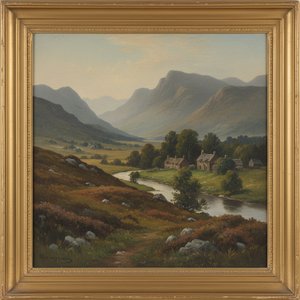
Sir John Watson Gordon: A Study in Scottish Landscape Painting & Tonal Impressionism
Explore the captivating portraits of Sir John Watson Gordon, a leading Scottish master. Discover his evolution from neoclassical style to atmospheric Tonalism and influence on 19th-century British art. Learn about his iconic sitters & legacy.

John Constable: 25 Najlepszych Obrazów Mistrza Angielskiego Krajobrazu | OriginalUniqueArt
Odkryj 25 arcydzieł Johna Constable'a – mistrza angielskiego krajobrazu! Poznaj romantyczne pejzaże, technikę malarską i inspiracje z Dedham Vale. Reprodukcje obrazów najwyższej jakości na OriginalUniqueArt.com. Eksploruj pełną kolekcję online!