

 Podgląd w skali 1:1
 Wyślij jako kartkę
 Udostępnij
 Szczegóły dzieła
 Przewodnik

 Pobierz obraz
 Podobne obiekty
 RTG
RTG Pokaz slajdów
 Q&A
Q&A Statystyki
Kensington Gravel Pits
 Olej na płótnie
- Sztuka ścienna
- Romantic Landscape Painting
 1849
1849 69.0 x 89.0 cm
 Harris Museum - Art Gallery
 Rozwiń treść
Giclée / Wydruk artystyczny
Wydruki giclée lub płótna o jakości muzealnej, szybka realizacja i szeroki wybór opcji wykończenia. ( Zamów ręcznie malowaną reprodukcję Przejdź do wersji cyfrowej)




P118B zł10

P118H zł10

P118W zł10

P438Z zł10

P508JH zł12

P508YH zł12

P805H zł10

P805Z zł10

P919BZ zł10

P919G zł10

P919XJ zł10

P959ZH zł10

P968JZ zł12

W106C zł8

W218G zł10

W218JH zł8

W218Y zł10

W307PJ zł10

W316G zł10

W316PJ zł8

W316Y zł10

W398PJ zł8

W4111J zł10

W500HY zł15

W500JH zł15

W692G zł12

W849H zł8

W940BG zł15

W953PJ zł8




Wybierz spośród naszych standardowych rozmiarów, które zachowują oryginalne proporcje dzieła sztuki.

Wpisz wymaganą szerokość i wysokość, aby dopasować grafikę do ramy lub ściany. Wydruk można jedynie przyciąć, nigdy nie powiększając go poza oryginalny obraz, dlatego format o innych proporcjach spowoduje utratę części kompozycji. Przed rozpoczęciem druku prześlemy Ci cyfrowy podgląd do zatwierdzenia. Obraz wyświetlany na tej stronie nie pokazuje rzeczywistego przycięcia — jedynie podgląd oddaje ten efekt.
Dostawa na cały świat () w ciągu 2 tygodni zamiast standardowych 4/5 tygodni. (31 Październik)

Bezpłatna ekspresowa wysyłka na cały świat

Wysokiej jakości płótno lniane

Pełne ubezpieczenie przesyłki

Gwarancja zwrotu należności celnych i podatków importowych

Gwarancja wiernego odwzorowania kolorów

100-dniowa polityka zwrotów (tylko w przypadku wad)

Gwarancja 100% zwrotu pieniędzy

Zniżka przy zakupie wielu sztuk
 Opcja ze szkłem jest dostępna wyłącznie w rozmiarach poniżej 110 cm

Kensington Gravel Pits
Giclée / Wydruk artystyczny
Wymiary reprodukcji
-


Cena całkowita
zł 311
John Linnell’s Kensington Gravel Pits: A Snapshot of Rural Victorian Life
John Linnell's “Kensington Gravel Pits,” completed in 1849, stands as a testament to the Romantic spirit flourishing in Britain during the mid-nineteenth century. More than just a depiction of a working landscape, it’s a carefully crafted tableau capturing a specific moment—a day’s labor amidst the quiet beauty of the West London gravel pits.
- Artist: John Linnell (1792–1882) – A Scottish painter who established himself in Bloomsbury, London.
- Medium: Oil on Canvas – Linnell employed a rich pigment palette and meticulous brushwork to achieve remarkable realism.
- Dimensions: 69 x 89 cm – The canvas size contributes to the painting’s grandeur, allowing for detailed observation of every element within the scene.
A Detailed Observation of Victorian Labor
The composition immediately draws the eye to the foreground figures—men diligently excavating gravel with shovels and wheelbarrows. These individuals aren't merely present; they embody the industrious spirit of the era, reflecting the growing urbanization and industrialization reshaping British society. Linnell’s attention to detail extends beyond the physical exertion of the workers; he captures their expressions and postures with sensitivity.
Further into the scene, additional figures oversee the operation or await their turn. This layering creates depth and suggests a community united in pursuit of practical endeavor. The artist skillfully utilizes light—softly diffused by clouds—to illuminate the landscape and imbue it with an atmosphere of tranquility despite the activity unfolding.
Romantic Symbolism Within a Realistic Framework
Despite its grounding in observation, “Kensington Gravel Pits” possesses undeniable Romantic qualities. The hilltop setting, dotted with mature trees, evokes images of sublime landscapes—a genre championed by artists like Turner and Wordsworth. Linnell’s use of earthy tones – ochres, browns, greens – reinforces this connection to nature and conveys a sense of timelessness.
The painting's subdued palette speaks volumes about the artist’s intention: not merely to record what he saw but to convey an emotional response. Linnell sought to capture the essence of rural life—the rhythms of labor, the beauty of the natural world—and “Kensington Gravel Pits” succeeds admirably in achieving this goal.
Provenance and Legacy
Currently housed at the Harris Museum - Art Gallery in Preston, England, “Kensington Gravel Pits” exemplifies the artistic trends of its time. Its acquisition by the Tate Britain in 1947 solidified its place within British art history. Linnell’s work continues to inspire admiration for its technical skill and evocative portrayal of Victorian society.
Pytania i odpowiedzi
Jaki jest format oraz wymiary dzieła „Kensington Gravel Pits” – Jan Linnell?
„Kensington Gravel Pits” – Jan Linnell to kompozycja w formacie Orientacja pozioma, której oryginalne wymiary to 69 x 89 cm.
Jaki rozmiar wydruku "Kensington Gravel Pits" będzie odpowiedni do mojego pokoju?
Dla Salon lub strefa dzienna zalecany rozmiar wydruku dzieła „Kensington Gravel Pits” – Jan Linnell to Duży format.
Jaka paleta barw została wykorzystana w „Kensington Gravel Pits” – Jan Linnell?
Kolory dzieła "Kensington Gravel Pits" tworzą Barwy neutralne paletę barw. Klasyfikacja ta opisuje dominujące rodziny kolorystyczne.
Biografia artysty
John Linnell: A British Painter of Rural Scenes and Portraits
John Linnell, a name perhaps less familiar than those of his Romantic contemporaries, nevertheless represents a significant figure in 19th-century British art. Born in Bloomsbury, London, in 1792, he embarked on an artistic journey shaped by rigorous training and a profound appreciation for both traditional techniques and the subtle shifts of modernity. His paintings, often depicting serene rural landscapes and intimate portraits, offer a captivating glimpse into the social fabric and aesthetic sensibilities of his time. Linnell’s legacy lies not in grand revolutionary gestures but rather in a quiet mastery of observation, color, and composition – qualities that continue to resonate with viewers today.
Early Life and Artistic Foundations
Linnell's artistic path began within an environment steeped in creative influence. His father, James Linnell, was a skilled carver and gilder, providing him with an early exposure to the world of craftsmanship and visual artistry. From a remarkably young age – as early as ten years old – John demonstrated exceptional talent, quickly establishing himself as a portrait artist, sketching and selling his works in chalk and pencil. His initial formal training commenced under the guidance of Benjamin West, a prominent American-born painter who had made his home in London. This foundational period instilled in Linnell a deep understanding of classical techniques and compositional principles. Subsequently, he spent a year studying with John Varley, a water-colorist known for his innovative approach to landscape painting, absorbing valuable insights into capturing light and atmosphere.
A Blend of Tradition and Modernity
Linnell’s artistic style is characterized by a remarkable synthesis of traditional British art with subtle, yet discernible, influences from the burgeoning modern movement. He possessed an extraordinary eye for detail, meticulously rendering textures and forms with a precision that belied his seemingly effortless brushstrokes. His use of color was particularly noteworthy – often employing muted tones to evoke a sense of tranquility and realism, while strategically deploying brighter hues to draw attention to key elements within his compositions. He drew inspiration from the works of masters such as Leonardo da Vinci and Vincent van Gogh, whose innovative approaches to light, color, and emotion profoundly shaped his own artistic vision. This influence is particularly evident in his ability to capture the fleeting effects of sunlight on landscapes – a hallmark of Romanticism.
Notable Works and Artistic Themes
Linnell’s oeuvre encompasses a diverse range of subjects, reflecting both his technical skill and his personal interests. Among his most celebrated works are The Poet's Garden, a luminous depiction of nature that draws comparisons to the idyllic scenes painted by Pierre-Auguste Renoir; Westminster Abbey at Night, which masterfully captures the grandeur and solemnity of the iconic landmark under the cloak of darkness, reminiscent of George Stubbs and Arthur Hacker’s urban landscapes. The poignant portrait Baby Marcelle Roulin exemplifies his ability to convey innocence and beauty in a single image. His landscape paintings – such as Haying And Playing and Harvesting – offer serene glimpses into rural life, rendered with remarkable realism and attention to detail. Portraits like Doctor Robert Walker and Richard Trevithick showcase his talent for capturing the character and essence of his subjects, often employing dramatic lighting to create a sense of mood and atmosphere.
Historical Context and Legacy
John Linnell’s artistic career unfolded during a period of significant social and cultural transformation in Britain. His work reflects the evolving sensibilities of the 19th century, capturing both the beauty of the natural world and the complexities of human relationships. He was deeply connected to intellectual circles, befriending figures such as William Blake and Samuel Palmer, who were part of the “Ancients” group – a collective of artists dedicated to reviving classical ideals. Linnell’s legacy extends beyond his individual paintings; he represents a bridge between traditional artistic practices and the emerging trends of Romanticism and modern art. His meticulous observation, skillful technique, and quiet sensitivity continue to inspire appreciation for the beauty and complexity of British landscape and portraiture. OriginalUniqueArt.com offers a valuable opportunity to explore and acquire these remarkable works, ensuring that Linnell’s artistic contributions are accessible to a wider audience.

Jan Linnell
1959 - 1882 , Wielka Brytania
Krótka nota
- Artistic Movement Or Style: Romantyzm i Neoklasycyzm
- Artists Or Movements Influenced By This Artist: ['Benjamin West']
- Artists Who Influenced This Artist:
- Leonardo da Vinci
- Vincent van Gogh
- Date Of Birth: 1959
- Date Of Death: 1882
- Full Name: John Linnell
- Nationality: Brytyjski
- Notable Artworks:
- The Poet's Garden
- Westminster Abbey at Night
- Place Of Birth: Bloomsbury, Wielka Brytania
Powiązane artykuły

John Singer Sargent: 25 Arcydzieł Pełnych Elegancji i Światła | OriginalUniqueArt.com
Odkryj 25 arcydzieł Johna Singera Sargenta – mistrza portretu i impresjonizmu. Poznaj historie, techniki i inspiracje za jego najsłynniejszymi obrazami. Reprodukcje najwyższej jakości na OriginalUniqueArt.com. Eksploruj pełną kolekcję online!

William James Müller: Navigating Victorian Sentiment & Realism in British Landscape Painting
Explore the captivating landscapes of William James Müller, the leading artist of the Bristol School. Discover his Victorian masterpieces, Egyptian travels & Lycian sketches – a journey through 19th-century art and technique.

Romantyczny Krajobraz w Malarstwie: 10 Arcydzieł, Które Zdefiniowały Epokę | OriginalUniqueArt.com
Odkryj 10 arcydzieł romantyzmu w malarstwie! Poznaj historie Caspara Davida Friedricha, Turnera i innych mistrzów. Inspiracje wnętrzarskie & reprodukcje obrazów najwyższej jakości na OriginalUniqueArt.com. Eksploruj kolekcję online!

John Constable: 25 Najlepszych Obrazów Mistrza Angielskiego Krajobrazu | OriginalUniqueArt
Odkryj 25 arcydzieł Johna Constable'a – mistrza angielskiego krajobrazu! Poznaj romantyczne pejzaże, technikę malarską i inspiracje z Dedham Vale. Reprodukcje obrazów najwyższej jakości na OriginalUniqueArt.com. Eksploruj pełną kolekcję online!
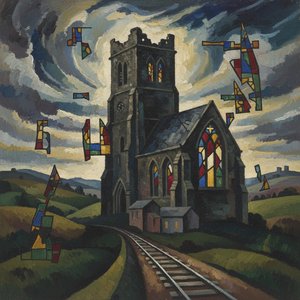
John Piper: A Spiritual Vision of British Landscape & Modernism's Embrace
Explore the captivating world of John Piper, a celebrated British painter whose evocative landscapes & iconic church art captured the spirit of his time. Discover his legacy and find high-quality reproductions at OriginalUniqueArt.


